Why Your Dog’s Breath Smells Like Fish (And What It Means)
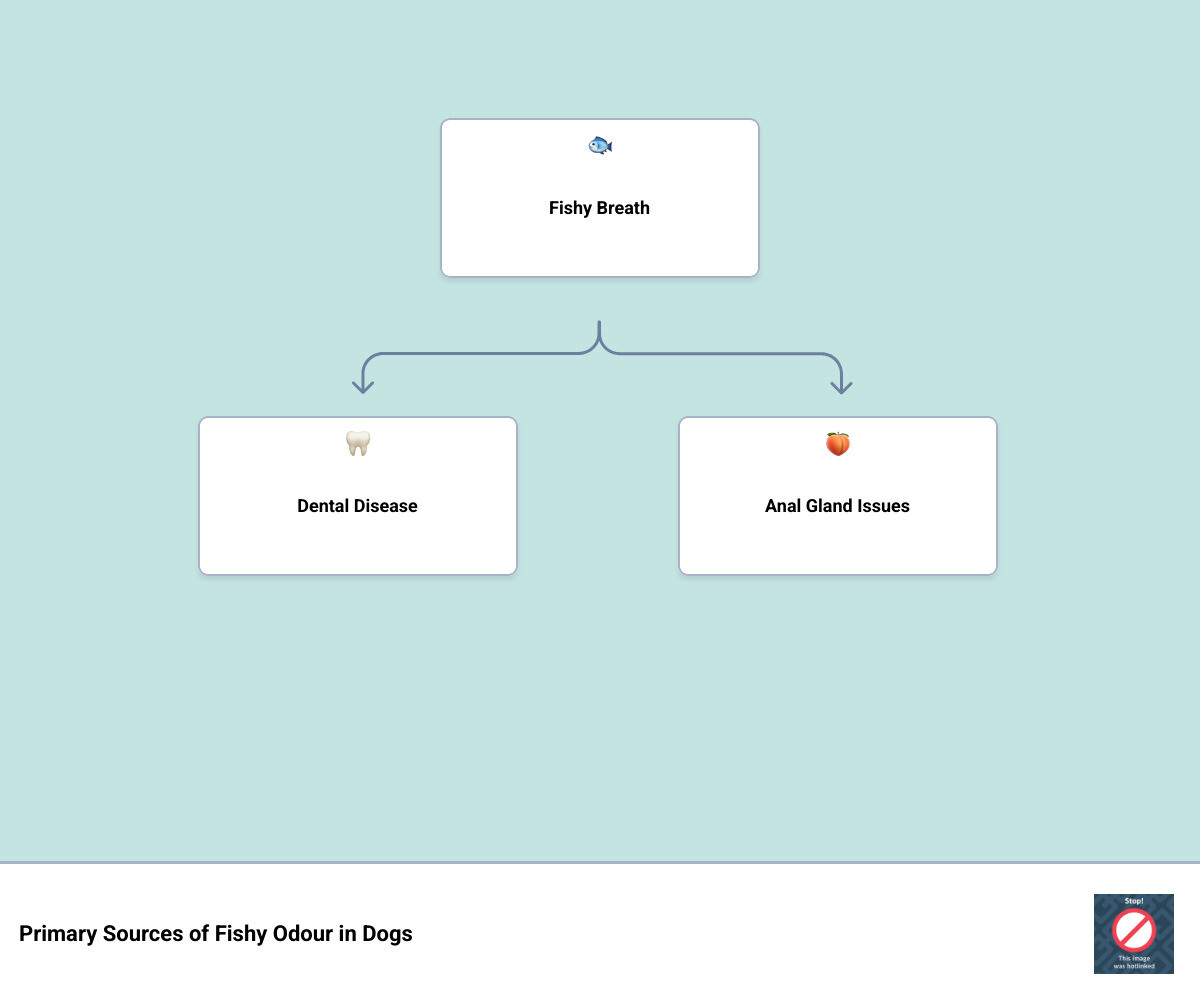
A fishy smell in a dog’s mouth is not normal and usually points to an underlying health issue that needs attention. Here is a quick overview of the most common causes:
| Cause | What It Means |
|---|---|
| Dental disease | Bacterial plaque produces volatile sulphur compounds |
| Anal gland issues | Dogs lick the area and transfer the odour to their mouth |
| Fish-based diet or fish oil supplements | Dietary ingredients carry through to the breath |
| Gut dysbiosis | Imbalanced gut bacteria can manifest as bad breath |
| Urinary tract infection or vaginitis | Infection-related odours spread via licking |
| Systemic disease | Kidney, liver or metabolic conditions in more serious cases |
The smell is most commonly linked to dental disease or anal gland problems. Both are treatable, but persistent fishy breath should always be evaluated by a veterinarian.
Most dog owners expect their dog’s breath to be, at best, unremarkable. But when you lean in for a morning hello and get hit by something that smells like the inside of a tuna can, that is your dog’s body signalling something is off.
Up to 80% of dogs develop some form of periodontal disease by age three. Dental disease is one of the most overlooked health issues in dogs, despite being extremely common. Yet the mouth is only one possible source of that fishy odour. Anal gland secretions, digestive imbalances, urinary issues and even certain diets can all produce the same distinctive smell.
Knowing where the smell is coming from is the first step to fixing it.
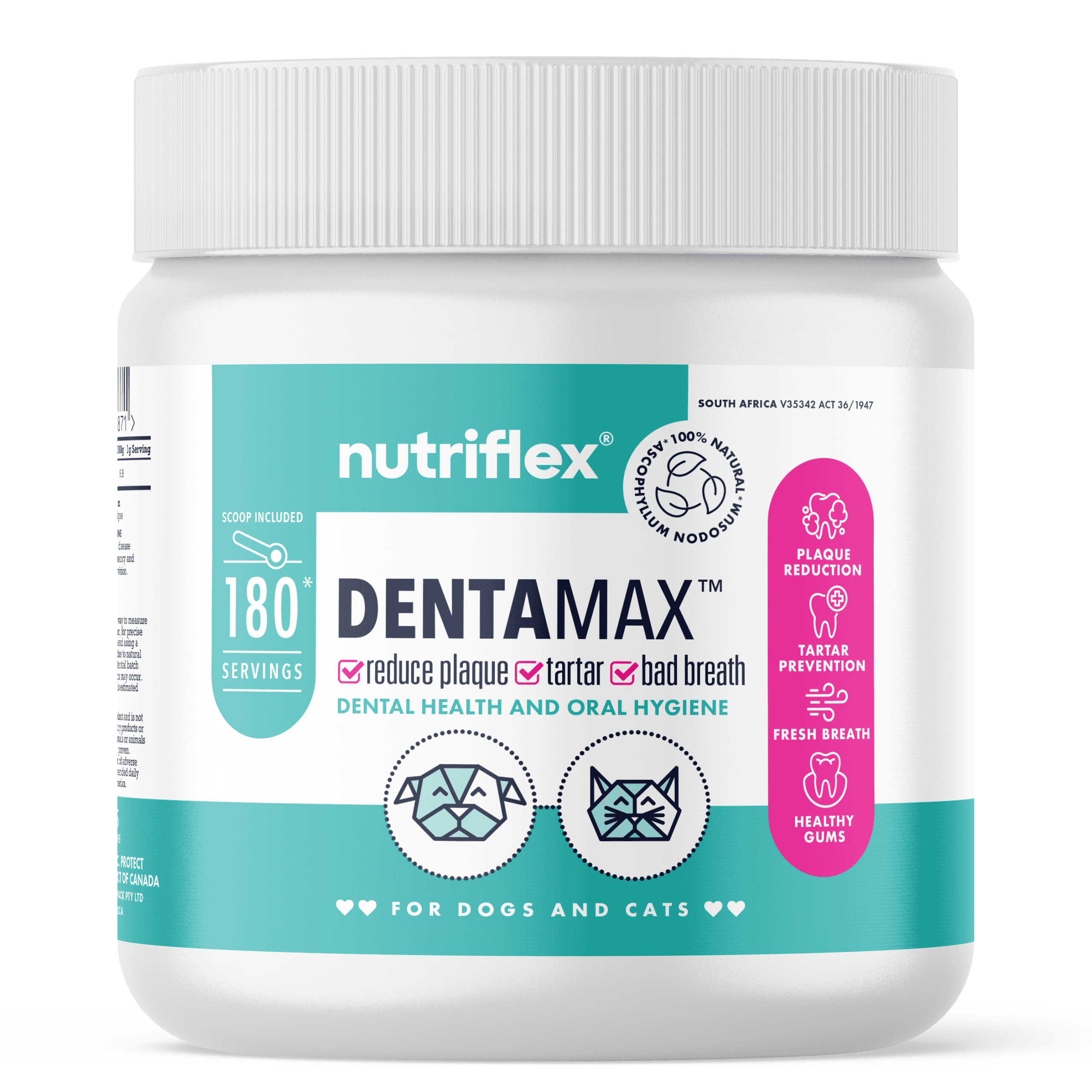
I’m Sharon Milani, Co-Founder of NutriFlex® and the developer of DentaMax™, a 100% pure organic Ascophyllum nodosum dental powder formulated specifically to address the root causes of plaque-related fishy smell in a dog’s mouth through a systemic, nutrition-first approach. Over more than a decade working in evidence-based pet oral health in South Africa, I have worked closely with veterinary professionals and animal nutritionists to understand exactly why dogs develop persistent mouth odour and how to address it safely and effectively.
Fishy smell in dogs mouth terms explained:
Common Causes of a Fishy Smell in Dogs Mouth
When we talk about a fishy smell in dogs mouth, we are usually talking about the byproduct of bacteria. In the oral cavity, bacteria thrive in the warm and moist environment provided by the gums and teeth. These bacteria form a sticky film known as plaque. If this plaque is not removed, it mineralises into tartar (calculus) within 24 to 48 hours.
The real culprit behind the “fishy” scent is the production of volatile sulphur compounds (VSCs). As bacteria break down proteins and food particles, they release these foul-smelling gases. This process is the hallmark of periodontal disease. According to the American Veterinary Dental College, dental disease is frequently overlooked but can lead to significant pain and systemic health issues.
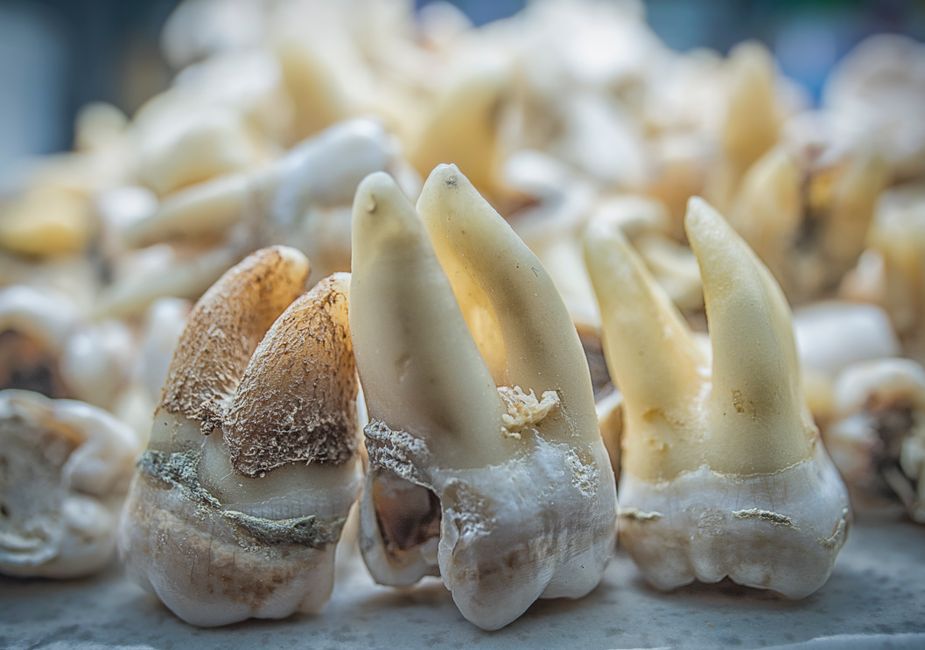
Periodontal disease progresses through four stages, starting with reversible gingivitis (red, swollen gums) and moving toward irreversible bone loss and tooth decay. Because bacteria hide under the gumline, the smell can persist even if the teeth look relatively white. We often see this in small breeds, which are up to five times more likely to develop dental problems due to crowded teeth in smaller jaws. For more on how these stages develop, see our article on Why Does My Dog’s Breath Smell Like Fish? and our Guide to Dog Halitosis Symptoms and Causes.
Identifying a Fishy Smell in Dogs Mouth vs Other Odours
Not all bad breath is created equal. While a fishy odour is common, other scents can point to different medical emergencies:
- Ammonia or Urine Breath: This is often a red flag for kidney disease. When the kidneys fail to filter waste products like urea, it builds up in the bloodstream and can be smelled on the breath.
- Fruity or Sweet Breath: This is a classic sign of diabetes. It occurs when the body produces ketones because it cannot process sugar correctly.
- Rotten or Musty Breath: This can indicate liver issues or oral tumours.
- Fetid Halitosis: This is an overwhelming, room-clearing stench often associated with Canine Chronic Ulcerative Stomatitis (CCUS), formerly known as CUPS. This is an immune-mediated condition where the mouth essentially becomes allergic to plaque.
Understanding the specific type of odour helps us and your vet narrow down the cause. You can learn more about the chemistry of these smells in our post on Why Plaque Causes Bad Breath.
Preventing a Fishy Smell in Dogs Mouth with Daily Care
In South Africa, veterinary standards emphasise that the best way to manage oral odour is through a combination of professional care and at-home maintenance.
- Daily Brushing: This remains the “gold standard” for removing plaque before it hardens. Use a dog-specific enzymatic toothpaste and a soft brush. Never use human toothpaste, as it often contains xylitol, which is toxic to dogs.
- Professional Scaling: Once plaque hardens into tartar, no amount of brushing will remove it. A professional veterinary cleaning under general anaesthesia is required to clean above and below the gumline.
- Systemic Support: For many South African pet owners, daily brushing is a struggle. This is where systemic dental supplements come in. These work through the dog’s physiology rather than just mechanical friction.
Explore how to implement these basics in our guide on Stop the Stink with These Dog Breath Powder Basics.
The Surprising Link Between Anal Glands and Breath
It might seem strange to look at the “tail end” to solve a “mouth end” problem, but anal glands are a very frequent cause of a fishy smell in dogs mouth.
Dogs have two small sacs located just inside the anus. these sacs produce a pungent, fishy-smelling fluid that is normally expressed when the dog passes a firm stool. This fluid is used for scent marking. However, if the glands become impacted, infected or if the dog is startled, they may release this fluid.
Because dogs are natural groomers, they will often lick their rear end if the glands are uncomfortable or full. This transfers the fishy-smelling secretion directly to their tongue and fur around the mouth. If your dog is “scooting” (dragging their bottom across the carpet) and has fishy breath, the problem is likely the anal glands rather than the teeth.
Improving dietary fibre can help ensure stools are firm enough to express these glands naturally. For a deeper dive into this connection, read Why Does My Dog Smell Like Fish? and The Ultimate Guide to Solving Your Dogs Stinky Breath.
Systemic Health and Dietary Factors
What goes into the bowl eventually comes out in the breath. Diets high in fish meal, salmon oil or Omega-3 supplements (DHA/EPA) can naturally cause a temporary fishy scent.
However, a more complex issue is gut dysbiosis. The oral microbiome and the gut microbiome are closely linked. If there is an imbalance of bacteria in the digestive tract, foul gases can be released and exhaled. This is why some dogs have bad breath even when their teeth are professionally cleaned.
We advocate for a high-quality, digestible diet that supports a healthy gut-lung-mouth axis. For more information on how internal health affects breath, see The Stinky Truth About Your Dogs Ammonia Breath.
Systemic Plaque Reduction and Ascophyllum Nodosum
At DentaMax™, our primary focus is the science of systemic plaque reduction. While mechanical brushing is excellent, it only works on the surfaces the brush touches. Systemic dental science looks at how we can change the chemistry of the mouth through nutrition.
The star of this research is Ascophyllum nodosum, a specific type of organic kelp harvested from the cold North Atlantic waters. When ingested, the active compounds in this seaweed are absorbed into the bloodstream and excreted through the saliva.
How it works:
- Biofilm Disruption: It helps break down the sticky bacterial biofilm (plaque) that already exists.
- Prevention: It changes the composition of the saliva to prevent new plaque from sticking to the tooth surface.
- Mineralisation Inhibition: It interferes with the process that turns soft plaque into hard tartar.
This is a game-changer for dogs with severe conditions like CCUS/CUPS, where plaque control is a matter of pain management. You can read more about these serious diseases at Dog’s Bad Breath Could be a Serious CCUS/CUPS Mouth Disease and discover Natural Remedies to Turn Your Dogs Breath from Foul to Fresh.
When to Consult a South African Veterinarian
While we can do a lot at home, some signs require immediate professional intervention. If you notice a persistent fishy smell in dogs mouth accompanied by any of the following, book a vet visit:
- Red or Bleeding Gums: A sign of advanced gingivitis or periodontitis.
- Difficulty Eating: Dropping food or favouring one side of the mouth.
- Excessive Drooling: Often a response to oral pain.
- Lethargy and Fever: Could indicate a systemic infection or a tooth root abscess.
- Vaginal Discharge: In unspayed females, a fishy smell can indicate pyometra, a life-threatening uterine infection.
In South Africa, the cost of veterinary dental care can vary. A basic consultation and anal gland expression might cost between R600 and R1200, while a full dental scaling under anaesthesia with extractions can range from R2500 upwards depending on the severity. Investing in preventative care like Ascophyllum nodosum can significantly reduce these long-term costs. For more on symptom tracking, see Fishy Odor in Dogs | SpectrumCare.
Frequently Asked Questions about Fishy Dog Breath
Why does my 10 week old puppy smell like fish?
Puppies rarely have significant dental disease at such a young age. A fishy smell in a puppy is often due to “coprophagia” (eating stool) or licking their rear end. In female puppies, it could also be a sign of puppy vaginitis, which usually resolves after their first heat cycle but should be checked by a vet.
Can dogs express their own anal glands by licking?
No, dogs cannot effectively express their own glands through licking. In fact, excessive licking usually irritates the area further. The glands are meant to be emptied by the pressure of passing a firm stool. If your dog is licking excessively, they likely need manual expression by a vet or groomer.
Is fishy breath in dogs a sign of a serious health issue?
It can be. While it is often just plaque or anal glands, a fishy smell can also be a symptom of kidney failure, liver disease or serious oral infections. If the smell is sudden, persistent and accompanied by changes in thirst or appetite, it should be treated as a priority.
Conclusion
A fishy smell in dogs mouth is a clear indicator that something in your pet’s internal or oral environment is out of balance. Whether it is the result of plaque-producing bacteria, a dietary choice or a transfer from the anal glands, it is a symptom that should not be ignored.
At DentaMax™, we are committed to providing evidence-based education on systemic dental science. By understanding the role of ingredients like Ascophyllum nodosum and maintaining a consistent preventative routine, you can protect your dog from the pain of periodontal disease and enjoy those smelly kisses once again. For a comprehensive look at managing this common issue, visit our main page on Dog Bad Breath.