What Causes Halitosis in Dogs? A South African Owner’s Guide
The causes of halitosis in dogs range from common dental disease to serious systemic conditions that need veterinary attention. Here is a quick overview:
| Cause | Example |
|---|---|
| Dental plaque and tartar | Bacterial biofilm on teeth producing sulphur compounds |
| Periodontal disease | Gingivitis progressing to bone loss around teeth |
| Oral tumours | Necrotic tissue from melanoma or squamous cell carcinoma |
| Kidney disease | Ammonia-like or urine-scented breath from uremia |
| Liver disease | Musty or foul breath, often with vomiting or jaundice |
| Diabetes mellitus | Sweet or acetone-like breath from ketone buildup |
| Diet and eating habits | Raw food bacteria, wet food debris or coprophagia |
| Foreign objects | Stuck bone fragments or sticks causing localised infection |
| Toxin ingestion | Household substances causing rapid-onset odour changes |
Bad breath in dogs is not simply a hygiene inconvenience. It is a clinical sign that something is wrong, whether inside the mouth or elsewhere in the body. Most South African dog owners assume a certain level of unpleasant breath is normal, particularly in older dogs. It is not.
Persistent halitosis is your dog’s body signalling that bacteria, inflammation or systemic disease needs attention. The sooner the underlying cause is identified, the better the outcome for your dog’s long-term health.
I’m Sharon Milani, co-founder of NutriFlex® and the developer of DentaMax™, a 100% pure organic Ascophyllum nodosum dental powder formulated specifically to address the causes of halitosis in dogs through a systemic, evidence-based approach. My work over the past decade with animal nutritionists and veterinary professionals across South Africa has given me a detailed understanding of how oral health connects to whole-body wellness in dogs.
Understanding the Primary Causes of Halitosis in Dogs
When we talk about halitosis, we are describing an offensive odour emanating from the oral cavity. While many of us have heard the term “dog breath” used as a joke, in the clinical world, it is a diagnostic tool. In the last 10 years, veterinary medicine in South Africa has shifted its focus from reactive extractions to preventative oral care because we now understand that a smelly mouth is often the first sign of a deeper health struggle.
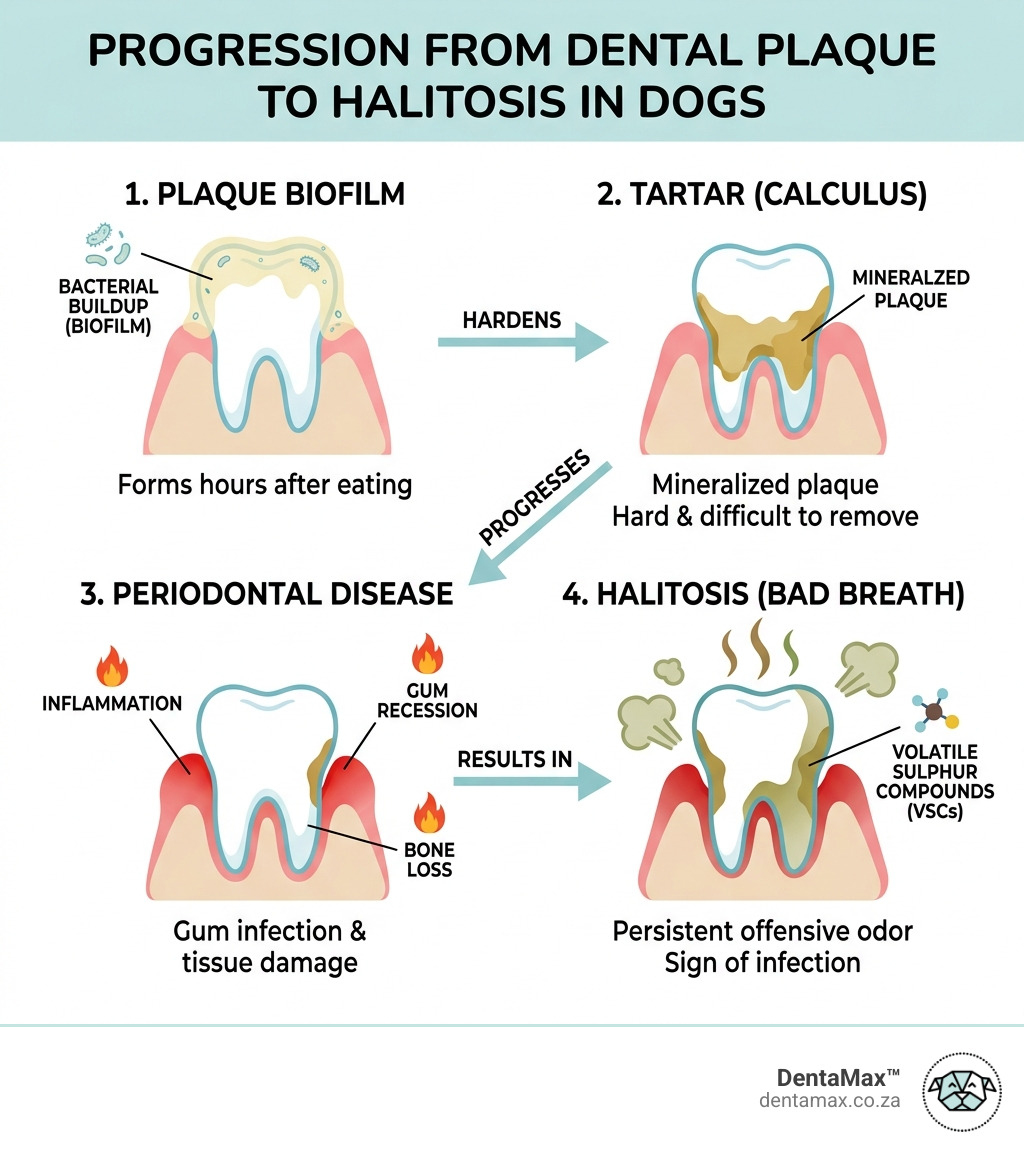
The most frequent causes of halitosis in dogs start with the formation of plaque. Plaque is a sticky, colourless biofilm consisting of bacteria, food particles and saliva. It begins to form on a clean tooth surface within hours of a meal or a professional cleaning. If this biofilm is not disrupted through mechanical brushing or systemic support, it begins to mature.
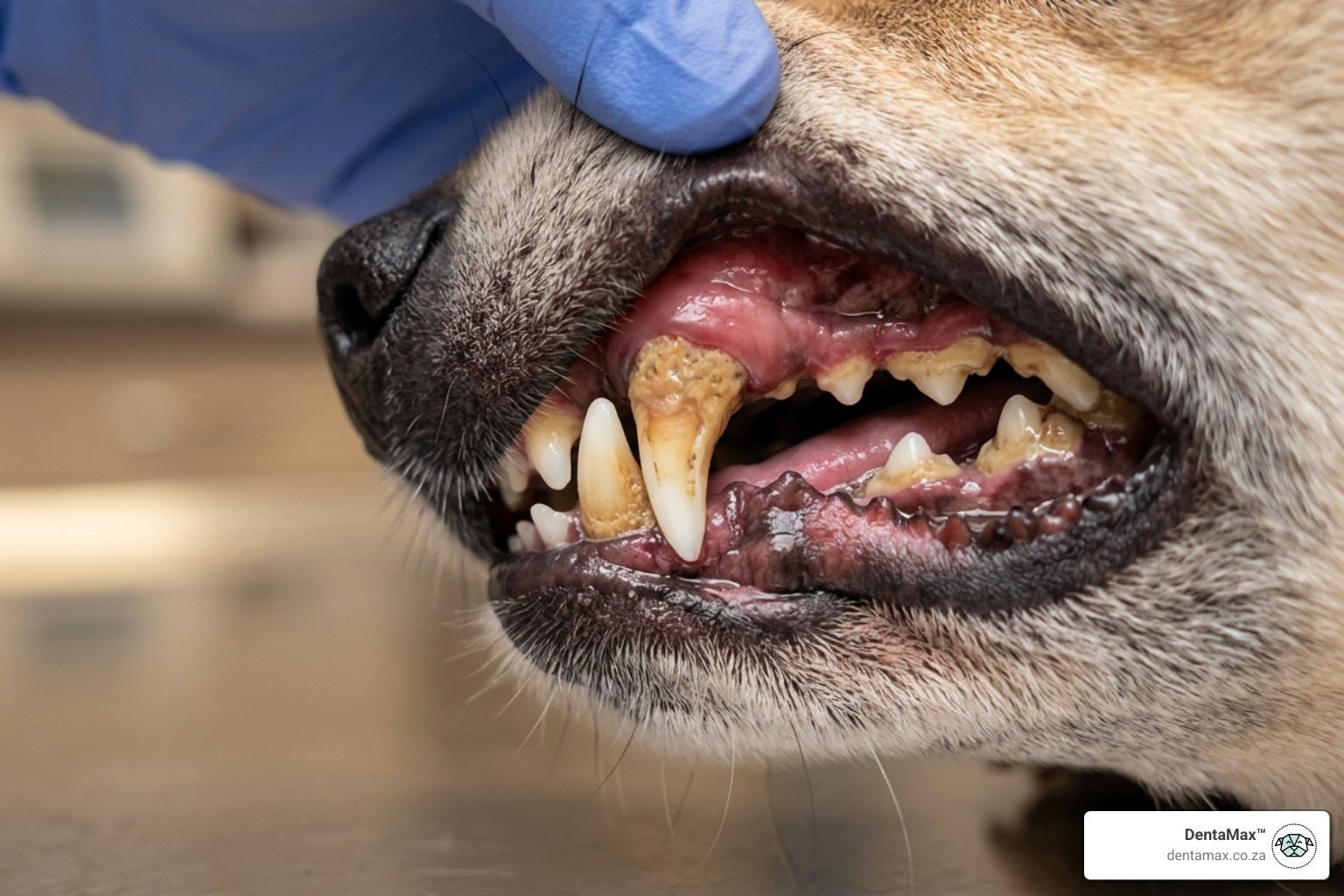
As bacteria within the plaque multiply, they undergo fermentation. This process releases volatile sulphur compounds (VSCs), such as hydrogen sulphide and methyl mercaptan. These compounds are the primary culprits behind that “rotten egg” or swampy smell. Within just a few days, minerals in your dog’s saliva cause the plaque to calcify into tartar (calculus). Tartar provides a rough surface that allows even more bacteria to stick, creating a cycle of decay and odour.
For a deeper look into this process, you can explore Why Plaque Causes Bad Breath and read more about clinical Halitosis in Dogs.
Periodontal Disease and Oral Health
If plaque and tartar are left unaddressed, they lead to periodontal disease, which affects the structures supporting the teeth. This typically begins as gingivitis, where the gums become red, swollen and prone to bleeding. At this stage, the bacteria shift from relatively harmless strains to more destructive, anaerobic types.
As the disease progresses to periodontitis, the attachment between the tooth and the gum is destroyed. Deep pockets form, trapping decomposing food and necrotic tissue. This leads to bone loss (alveolar bone) and eventually tooth loss. The odour at this stage is often described as “deathly” or exceptionally foul because of the high concentration of bacteria and pus. If you have noticed your dog’s gums are bright red or they shy away when you touch their muzzle, they may be suffering from advanced stages of this condition. You can learn more about this in our guide on Why Your Dogs Breath Smells Like A Swamp And Their Gums Bleed.
Oral Tumours and Tissue Necrosis
In older dogs, persistent bad breath can sometimes be attributed to oral tumours. Common malignancies include melanoma and squamous cell carcinoma. These growths often grow rapidly and can become necrotic (meaning the tissue starts to die) because they outgrow their blood supply or become infected.
The smell associated with an oral tumour is often distinct and does not improve even with diligent tooth brushing. Because these tumours can hide under the tongue or at the very back of the throat, they may go unnoticed until the odour becomes unbearable or the dog has trouble eating. This is why regular oral inspections by a professional are vital for senior pets in South Africa.
Systemic Health Issues and Breath Odours
While the mouth is the source of the smell in about 90% of cases, we cannot ignore the rest of the body. The internal organs act as a filtration system, and when they fail, metabolic waste products can be excreted through the lungs, resulting in “breath” that smells like the failing organ.
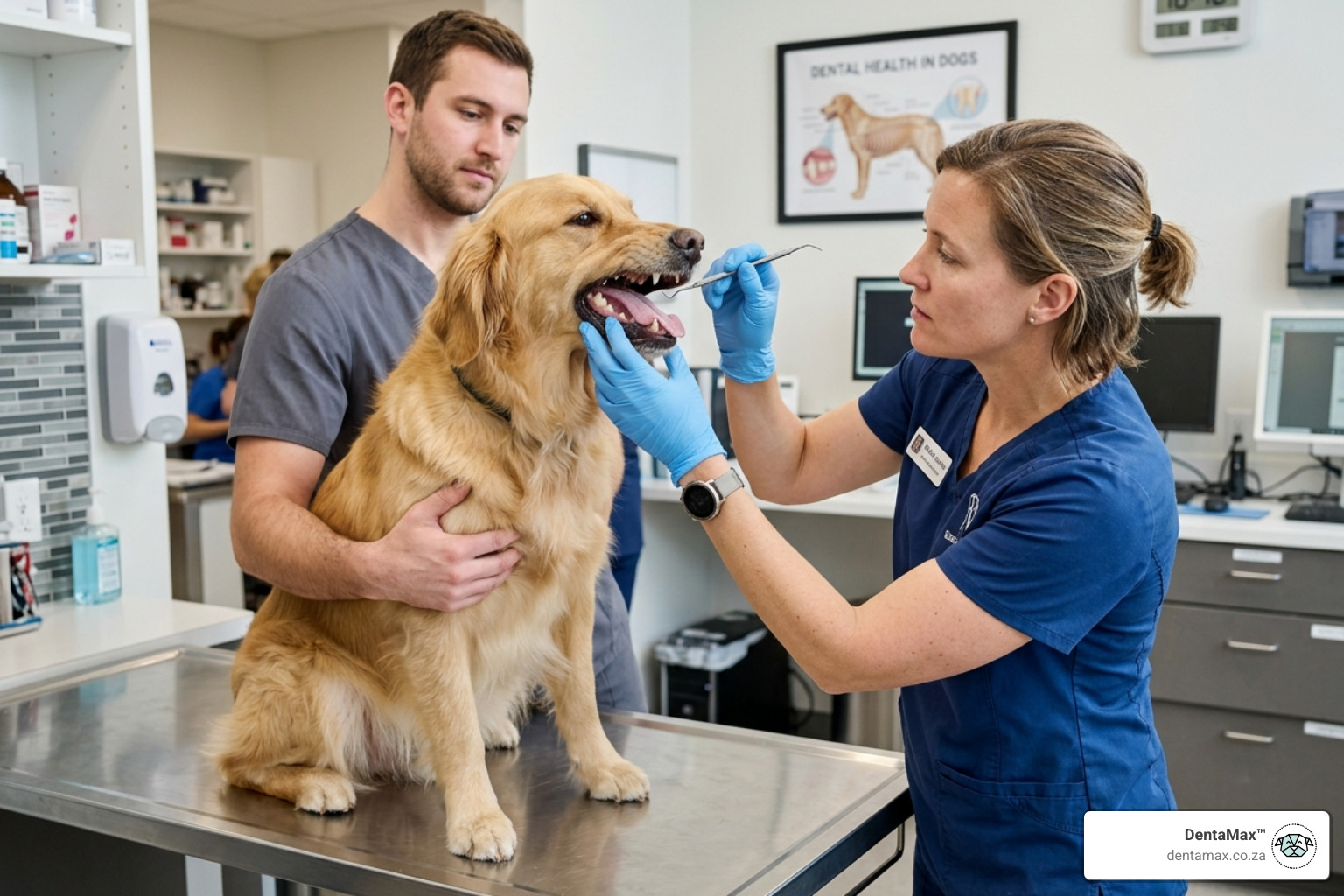
Veterinarians often use the specific scent of a dog’s breath as a clue to what is happening internally. For more on how these conditions are diagnosed, see Bad Breath in Dogs: Causes and Treatment | PetMD.
Identifying Specific Odour Markers
Different systemic causes of halitosis in dogs produce very specific smells:
- Ammonia or Urine Smell: This is often a sign of kidney failure. When the kidneys can no longer filter urea from the blood, it builds up (a condition called uremia). This can lead to oral ulcers and a breath that smells like ammonia or urine.
- Sweet or Fruity Breath: If your dog’s breath smells like acetone (nail polish remover) or has a strangely sweet scent, it may indicate diabetes mellitus. This happens when the body burns fat for energy instead of glucose, producing ketones.
- Musty or Dead-Fish Odour: A musty smell, often accompanied by yellowing of the gums or eyes (jaundice), can indicate liver disease.
- Fecal Odour: If your dog’s breath smells like stool, it could be a sign of a gastrointestinal blockage or coprophagia (the habit of eating feces). While eating stool is a behavioural issue, it can also stem from dietary deficiencies.
Common Dietary Causes of Halitosis in Dogs
What goes into your dog’s mouth obviously affects how their breath smells. Many South African owners have moved toward raw diets. While these can be nutritious, they also carry a higher risk of Salmonella and other bacteria that can disrupt the oral microbiome.
Wet food or “soft” diets tend to stick to the teeth more readily than dry kibble, providing a feast for plaque-forming bacteria. Furthermore, if a dog is lacking certain vitamins or minerals, they may develop a condition called pica, leading them to eat non-food items like soil, socks or rubbish, all of which contribute to a stinky mouth. For puppy owners specifically, you can find more information at Why Does My Puppy Have Bad Breath.
Breed Predispositions and Physical Factors
Not all dogs are created equal when it comes to oral hygiene. Genetics play a massive role in how quickly a dog develops dental issues.
Small and toy breeds, such as Yorkies, Chihuahuas and Maltese Poodles, are notoriously prone to dental disease. Because their mouths are so small, their teeth are often crowded together. This creates thousands of tiny nooks and crannies where food and hair can become trapped, making it nearly impossible for the dog’s tongue or natural saliva to clean the area.
Brachycephalic breeds (flat-faced dogs like Pugs and Bulldogs) also suffer from dental crowding due to their shortened jaw structure. Additionally, “bearded” dogs like Schnauzers or Spaniels can develop dermatitis around their mouths. Their long facial hair stays wet with saliva and food debris, harbouring bacteria that create a foul smell. This is often mistaken for bad breath when it is actually a skin infection. For more breed-specific advice, check out The Ultimate Guide To Solving Your Dogs Stinky Breath.
Foreign Objects and Localised Infections
Sometimes the cause of the smell is a physical object. Dogs love to explore the world with their mouths, and it is common for South African dogs to get pieces of sticks, bone fragments or even thorn-bush needles wedged between their teeth or across the roof of their mouth.
These objects cause localized trauma, leading to abscesses or oral ulcers. If you notice your dog is drooling excessively, pawing at their mouth or only chewing on one side, it is time for a close inspection. A trapped foreign object will quickly cause tissue death and a very sharp, localized stench.
Professional Diagnosis and Veterinary Treatment
If your dog’s breath has become offensive, the first step is a professional diagnosis. A veterinarian in Cape Town, Johannesburg or Durban will typically start with a physical exam and may recommend blood tests to rule out the systemic issues mentioned earlier.
However, the “gold standard” for treating the oral causes of halitosis in dogs is a professional dental cleaning under general anaesthesia. This is necessary because:
- Safety: An awake dog will not sit still for a thorough cleaning, and the equipment used can be sharp.
- Sub-gingival Cleaning: Most of the “bad” bacteria live under the gum line. You cannot reach these areas while the dog is awake.
- X-rays: Intraoral radiographs (X-rays) are essential to see if the roots of the teeth are rotting or if there is bone loss that isn’t visible to the naked eye.
- Polishing: After scaling away the tartar, the teeth must be polished to smooth out microscopic scratches, otherwise plaque will return even faster.
To understand more about the clinical side of treatment, read Professional Ways To Cure Your Dogs Halitosis.
When to Consult a South African Veterinarian
You should book an appointment with your vet if you notice any of the following alongside bad breath:
- Gums that are bright red, purple or bleeding.
- Loose or missing teeth.
- Difficulty picking up food or dropping food while eating.
- Lumps or bumps anywhere in the mouth.
- Unexplained weight loss or changes in drinking habits.
- Blood in the water bowl or on chew toys.
Preventative Home Care and Systemic Support
Once your vet has given your dog a clean bill of health or performed a professional cleaning, the responsibility shifts to home care. Plaque begins to form immediately, so prevention must be a daily habit.
The most effective mechanical method is daily brushing using a dog-specific toothbrush and toothpaste. Never use human toothpaste, as it often contains xylitol (which is toxic to dogs) and foaming agents that can upset their stomach. However, we know that many South African dogs are not fans of the toothbrush. If you are struggling, you can find tips here: How To Fix Your Dogs Bad Breath At Home.
Systemic Solutions for the Causes of Halitosis in Dogs
At DentaMax™, we focus on the science of systemic dental support. Mechanical brushing only cleans the surfaces you can reach. Systemic support, however, works from the inside out.
The star ingredient in this field is Ascophyllum nodosum, a specific type of organic kelp harvested from the cold North Atlantic waters. When ingested, the active compounds in this seaweed are absorbed into the bloodstream and excreted back into the mouth through the saliva.
This process works in several ways:
- Biofilm Disruption: It alters the composition of the saliva to prevent plaque from sticking to the teeth.
- Tartar Softening: It helps to soften existing tartar deposits, making them easier to remove through chewing or brushing.
- Bacterial Balance: It targets the specific bacteria that produce volatile sulphur compounds, effectively neutralising the odour at the source rather than just masking it.
Using a high-quality powder like DentaMax™ is a simple way to support your dog’s oral health, especially for those who find brushing a challenge. You can learn the basics of this approach at Stop The Stink With These Dog Breath Powder Basics.
Frequently Asked Questions about Dog Breath
Is “dog breath” ever considered normal?
A healthy dog’s breath should not be offensive. It should smell mildly of the food they eat. If you find yourself recoiling when your dog licks you or if guests comment on the smell, it is a sign of an underlying issue, usually plaque or gum disease.
Can I use human toothpaste to fix my dog’s halitosis?
No. Human toothpaste contains fluoride and often xylitol, both of which are poisonous to dogs. Additionally, dogs cannot spit, and the foaming agents in our toothpaste can cause severe gastrointestinal distress. Always use a product formulated specifically for pets.
How often should my dog have a professional dental cleaning?
Most veterinarians recommend a professional oral exam and cleaning once a year. However, small breeds or dogs with a history of periodontal disease may require check-ups every six months. Regular home care with Ascophyllum nodosum can often extend the time needed between professional cleanings.
Conclusion
Understanding the causes of halitosis in dogs is the first step toward ensuring your pet lives a long, pain-free life. Whether the issue is simple plaque buildup or a more complex systemic disease, bad breath is a signal that should never be ignored. By combining regular veterinary check-ups, mechanical cleaning and evidence-based systemic supplements like DentaMax™, you can ensure your dog’s kisses stay fresh and their health remains a priority.
For more information and a complete overview of how to manage your pet’s oral health in South Africa, visit our Dog Bad Breath page or read our comprehensive Guide to Solving Dog Bad Breath. Together, we can stop the stink and protect our dogs from the hidden dangers of dental disease.