What Is Ascophyllum Harvested North Atlantic and Why Does It Matter for Pet Oral Health?
Ascophyllum harvested North Atlantic is a cold-water brown seaweed, scientifically known as Ascophyllum nodosum, sustainably collected from the intertidal zones of the North Atlantic Ocean. It is the primary ingredient in evidence-based systemic dental supplements for dogs and cats.
Quick facts for pet owners and veterinary professionals:
- What it is: A perennial brown seaweed (knotted wrack or egg wrack) found exclusively in the North Atlantic basin
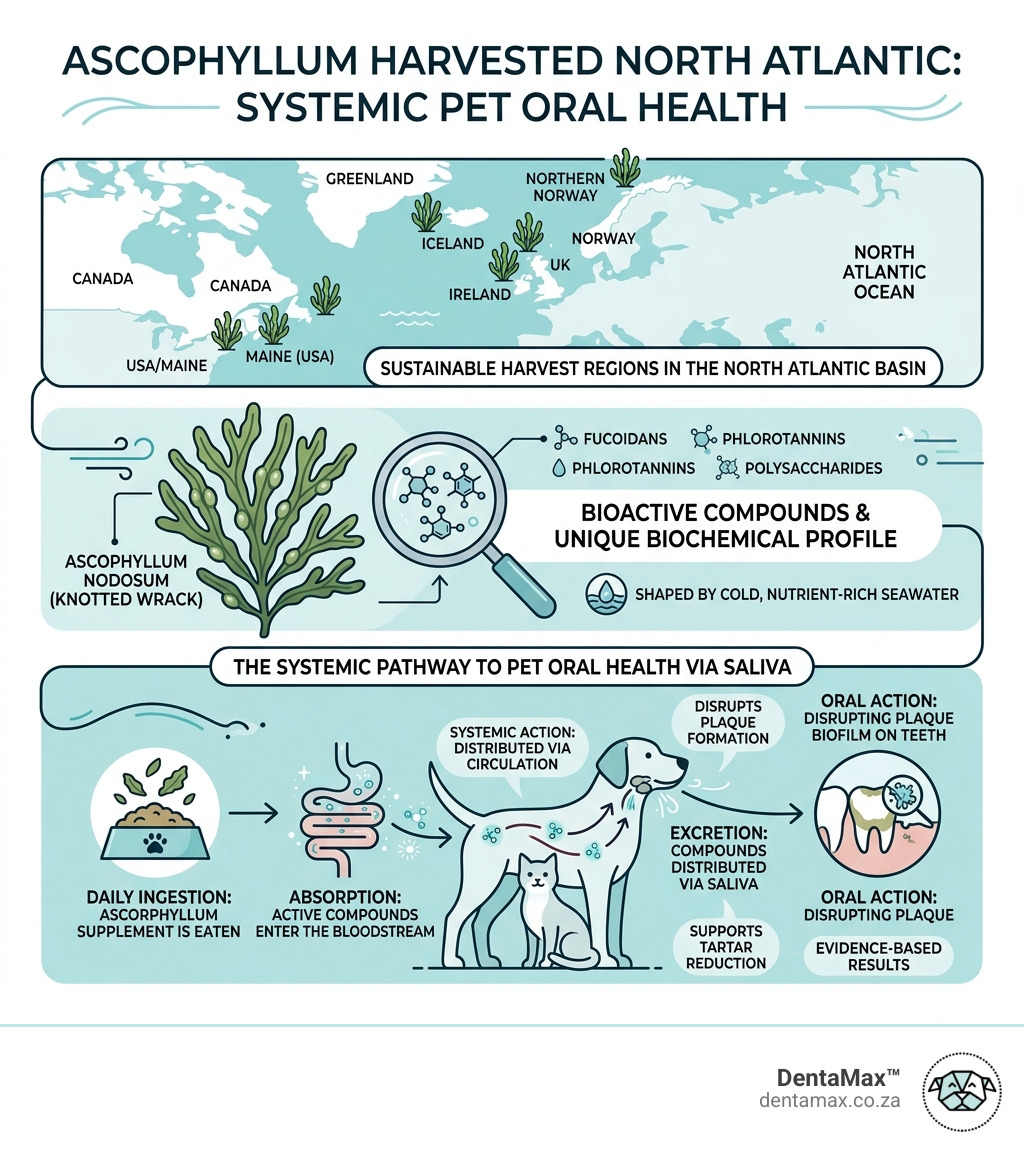
- Where it grows: From Norway and Iceland to Ireland, Scotland, Canada and the coast of Maine in the United States
- Why it matters: Contains bioactive compounds including fucoidans, phlorotannins and polysaccharides that support systemic plaque and tartar reduction in dogs and cats
- How it works: When ingested daily, active compounds are absorbed and excreted through saliva, where they help disrupt plaque biofilm formation on teeth
- Sustainability: Wild stocks are carefully managed; on the Maine coast alone, over one million metric tons grow naturally and only approximately 2% is harvested each year
- Safety: Studies indicate no carcinogenic risk at typical consumption levels, though iodine content should be considered for animals with thyroid conditions
The North Atlantic is the only place in the world where Ascophyllum nodosum grows in significant commercial quantities. Its unique biochemical profile is shaped by cold, nutrient-rich seawater, seasonal reproductive cycles and the specific environmental pressures of the intertidal zone. Those conditions are not replicated anywhere else on the planet. That is precisely why sourcing matters so much when evaluating any Ascophyllum-based supplement for your dog or cat.
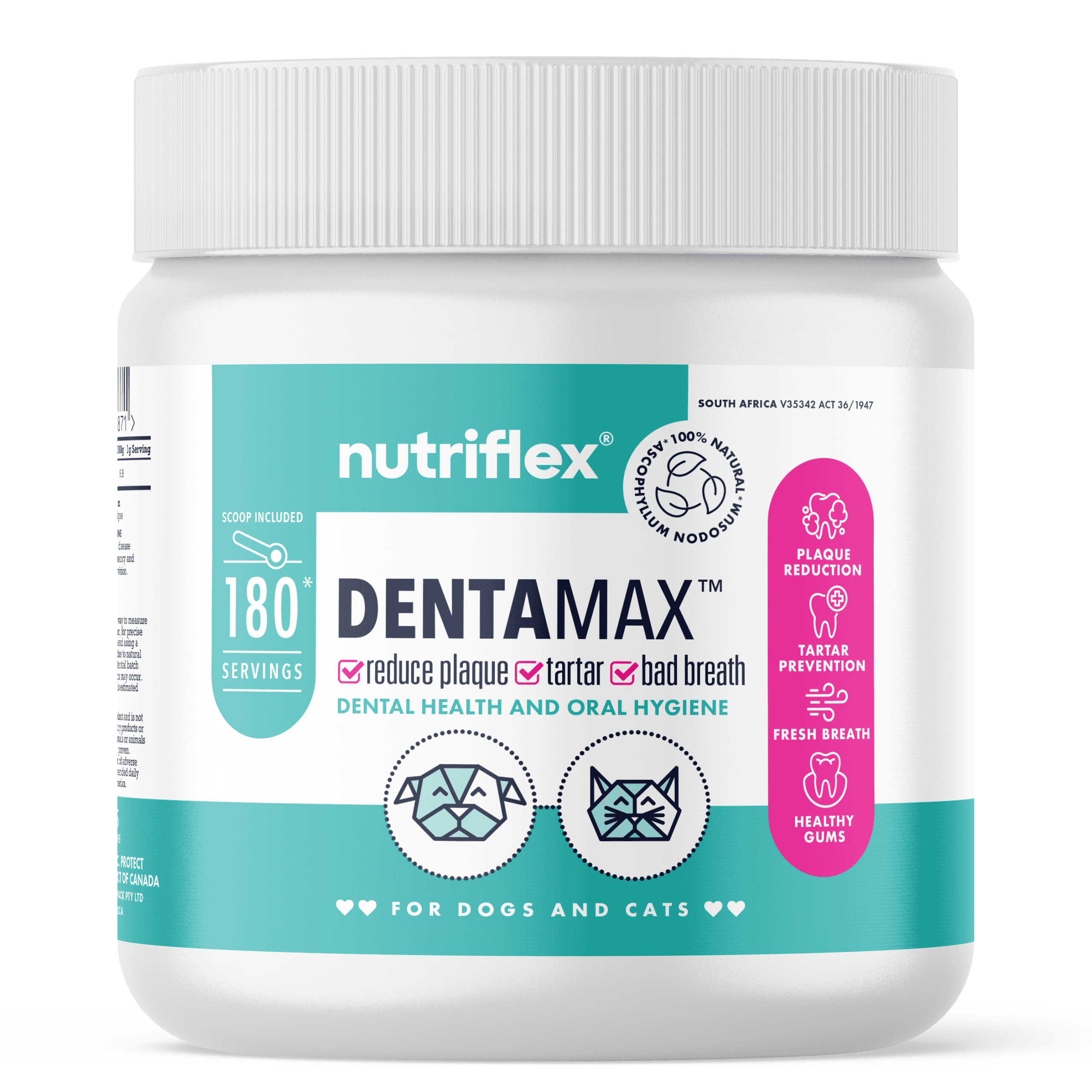
I am Sharon Milani, Co-Founder and Director of NutriFlex® and the formulator behind DentaMax™, a 100% pure organic dental powder wild-harvested from Ascophyllum harvested North Atlantic sources and produced in a certified human-grade, FSA accredited facility in Cape Town. My work over the past decade has focused specifically on systemic plaque reduction mechanisms and responsible Ascophyllum nodosum supplementation within South African regulatory frameworks. In this guide, I will walk you through exactly what makes North Atlantic harvesting practices, biochemistry and safety standards so relevant to your pet’s long-term oral health.
The Biology of Ascophyllum Harvested North Atlantic
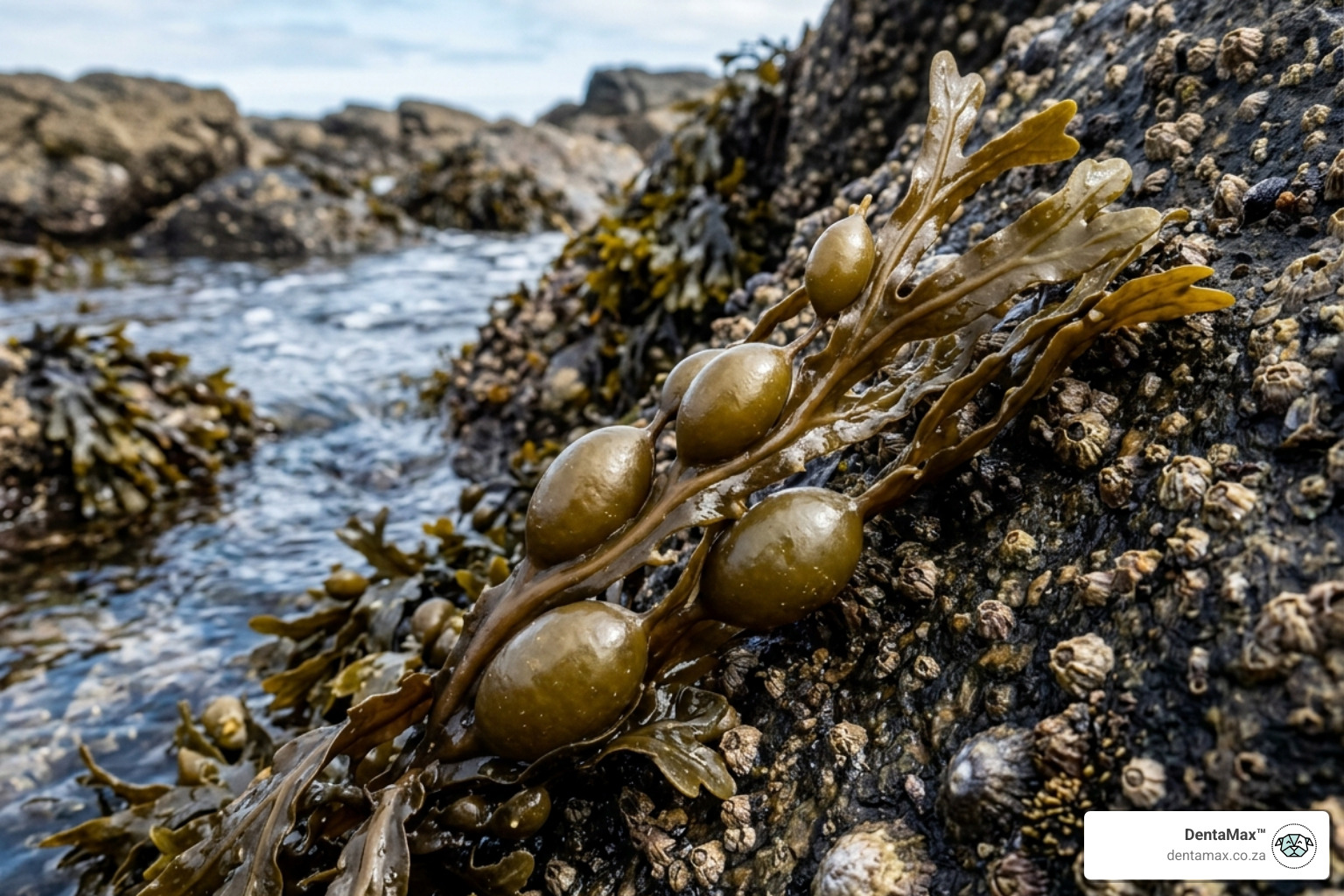
To understand why this seaweed is so effective for our dogs in South Africa, we must first look at its incredible biology. Ascophyllum nodosum (L.) Le Jolis is a slow growing perennial brown alga. Unlike the kelp we often see washed up on Muizenberg beaches, Ascophyllum thrives specifically in the intertidal zones of the North Atlantic. It attaches itself to rocks using a “holdfast”, a root like structure that can live for over 50 years.
The individual fronds can live for 10 to 20 years and reach lengths of up to 2 metres. A fascinating aspect of The Science of Ascophyllum Nodosum is how it ages. The plant develops one air bladder (vesicle) per year on its main shoots, allowing researchers to determine the exact age of a specimen simply by counting these bladders.
In terms of biomass density, the North Atlantic is incredibly productive. In southwestern Nova Scotia, biomass can reach 19.8 kilograms per square metre. This density is supported by a unique reproductive strategy involving a pheromone called Finnavarene, named after the Irish village of Finavarra. During the fertile phase, reproductive receptacles can account for up to 50% of the plant’s total weight. When these receptacles shed, they contribute massive amounts of nutrients to the coastal ecosystem, a process that mirrors the nutrient cycling we see in our own South African marine reserves, albeit in much colder waters.
Biochemical Variations in Ascophyllum Harvested North Atlantic
The efficacy of a dental supplement depends entirely on its chemical makeup. Ascophyllum contains a treasure trove of carbohydrates, including fucoidan, mannitol, alginate and laminaran. Research shows that the total carbohydrate content in Arctic regions ranges from 347 mg/g to 528 mg/g of dry weight.
Fucoidan is particularly important for pet health. Content levels vary by location, with the Barents Sea showing higher levels (up to 204.8 mg/g) compared to the Norwegian Sea (119.0 mg/g). These levels also fluctuate based on whether the plant is in a sterile or fertile phase. For instance, fucose peaks during the fertile reproductive period.
When we discuss The Magic of Daily Kelp Oral Supplements for Pets, we are really talking about these polyphenols and antioxidants. These compounds help protect the plant from the harsh Atlantic environment and, when processed correctly, provide the bioactivity needed to support oral health in our pets.
Environmental Impact on Ascophyllum Harvested North Atlantic Quality
The environment is the master sculptor of seaweed quality. Factors such as water temperature, salinity and ice scour (where floating ice scrapes the rocks) force the seaweed to produce protective secondary metabolites. This is why the “Arctic Circle purity” often mentioned in premium sourcing is so vital.
Ascophyllum also acts as a bioindicator for heavy metals. It can concentrate minerals like zinc by a factor of 10,000. This makes it an excellent tool for monitoring ocean health, but it also means that What is Dental Powder for Dogs and Cats? must be sourced from the cleanest possible waters to ensure safety. Understanding How Marine Algae Affects Plaque Bacteria requires acknowledging that the seaweed’s natural chemical defences against marine snails and harsh weather are the very same tools used to disrupt the biofilm on a dog’s teeth.
Sustainable Harvesting Practices Across the North Atlantic
Sustainability is not just a buzzword; it is a necessity for a resource that takes years to grow. In Connemara, Ireland, a tradition of sustainable hand harvesting has existed since the 1940s. Approximately 18,000 to 20,000 tons are harvested annually using a 4 to 5 year cycle to allow for full regeneration.
In North America, the approach is equally rigorous. On the Maine coast, where one million tons of rockweed grow, only 2% is harvested each year. The sustainable harvesting of Ascophyllum nodosum (Fucaceae, Phaeophyceae) in Ireland, with notes on the collection and use of some other brown algae – ADS highlights how manual raking ensures the holdfast remains intact, allowing the plant to regrow from the base.
A landmark study on the Biomass and height of Ascophyllum nodosum after two decades of continuous commercial harvesting in eastern Canada | Journal of Applied Phycology | Springer Nature Link confirmed that these managed harvests are sustainable. The researchers found that after 25 years, there was no significant decrease in overall biomass. In fact, biomass in unharvested areas was only 7% higher than in harvested sectors, proving that the 17% to 25% annual harvest rates allowed by law are well within the plant’s ability to recover.
Systemic Plaque Reduction and Canine Oral Health
In South Africa, many pet owners struggle with the “brushing challenge”. This is where the systemic pathway of Ascophyllum harvested North Atlantic becomes a game changer. Unlike traditional toothpaste that works mechanically, this seaweed works from the inside out.
When a dog consumes the powder, the bioactive compounds are absorbed into the bloodstream and then excreted through the salivary glands. This is the core of The Science Behind Plaque Powder for Dogs and How It Works. Once in the saliva, these compounds go to work on the dental biofilm.
The primary benefits include:
- Biofilm Disruption: Preventing bacteria from sticking to the tooth surface.
- Tartar Softening: Changing the chemical composition of existing tartar, making it softer and easier to remove through chewing.
- Breath Freshening: Reducing the population of volatile sulphur producing bacteria in the mouth.
This is Why Seaweed Powder is the Ultimate Natural Dog Dental Solution. It provides a constant, 24 hour defence against plaque, even in the hard to reach areas of the mouth that a toothbrush might miss.
Safety Standards and Nutritional Transparency
As an authority on pet oral health in South Africa, we prioritise safety and transparency. The most common concern with seaweed is iodine. While iodine is essential for health, excessive amounts can affect the thyroid. This is why we advocate for Best Kelp Powder for Dogs: A-Z Guide which provides clear, metric based dosage instructions.
For Ascophyllum Nodosum for Dogs, the “Target Hazard Quotient” (THQ) and Health Index (HI) are used by scientists to ensure there is no risk from heavy metals or elements like arsenic. Research on Arctic Ascophyllum confirms that it is safe for long term consumption, showing no carcinogenic risk for adults, children or pets at recommended doses.
In the South African market, a premium supplement like DentaMax™ reflects its value (R) through these rigorous safety checks. We recommend a dosage based on the weight of the pet, typically measured in grams or milligrams, to ensure the iodine intake remains within safe physiological limits.
Frequently Asked Questions about North Atlantic Seaweed
How does Ascophyllum nodosum reach the saliva?
After ingestion, the seaweed’s unique polysaccharides and polyphenols are broken down in the digestive tract and absorbed into the systemic circulation. These compounds have a specific affinity for the salivary glands, where they are secreted back into the oral cavity. This creates a continuous “bath” of plaque fighting agents that work every time your dog swallows.
Is wild-harvested seaweed sustainable for the environment?
Yes, when managed correctly. As we have seen in Maine and Eastern Canada, regulations ensure that only a small percentage of the standing crop is taken. By leaving at least 12.7 cm of the plant attached to the rock (the “cutting height”), the seaweed can regenerate its biomass within 3 to 5 years. This ecosystem based management protects the 100+ taxa of invertebrates that call these seaweed beds home.
What are the risks of heavy metals in North Atlantic kelp?
Because Ascophyllum is a bioindicator, it does absorb minerals from the water. However, the North Atlantic regions used for commercial harvesting (like the Norwegian and Barents Seas) are among the cleanest waters globally. Rigorous batch testing for heavy metals like lead, cadmium and mercury ensures that the final product meets strict safety standards for pet consumption.
Conclusion
At DentaMax™, we believe that the best healthcare for our South African pets is rooted in evidence based science. By understanding the cold truth about Ascophyllum harvested North Atlantic, we can move away from “miracle” claims and toward a structured, nutritional approach to oral hygiene.
Whether you are in Cape Town, Johannesburg or Durban, the challenges of pet dental care remain the same. While mechanical cleaning and professional veterinary checkups are essential, adding a systemic component provides a powerful layer of protection. By choosing a product backed by Systemic vs Mechanical Dental Care research, you are giving your dog the benefit of millions of years of Atlantic evolutionary chemistry.
Our mission remains to provide the highest quality educational content and support for pet owners. Through nutritional plaque control and a deep respect for the marine environments that provide these ingredients, we can ensure our pets enjoy fresh breath and healthy smiles for years to come.