When Dog Breath Becomes a Warning Sign
Symptoms of canine halitosis are more than just an unpleasant smell. They can be your first clue that something is wrong with your dog’s health.
Common symptoms of canine halitosis include:
- Persistent bad breath (rotten egg, ammonia or sweet acetone smell)
- Red, swollen or bleeding gums
- Visible yellow or brown tartar on teeth
- Excessive drooling
- Pawing at the mouth
- Dropping food or chewing on one side
- Loose teeth
- Reluctance to eat hard food
Most dogs develop some form of dental disease by the age of two. According to veterinary research, over 80% of dogs over three years old have periodontal disease, making it the single most common cause of bad breath in dogs. Yet many owners assume the smell is normal.
It is not.
Bad breath in dogs nearly always signals an underlying problem, whether that is bacterial build-up in the mouth or a systemic condition affecting the kidneys, liver or metabolism. Catching the signs early makes a significant difference to your dog’s long-term health and comfort.
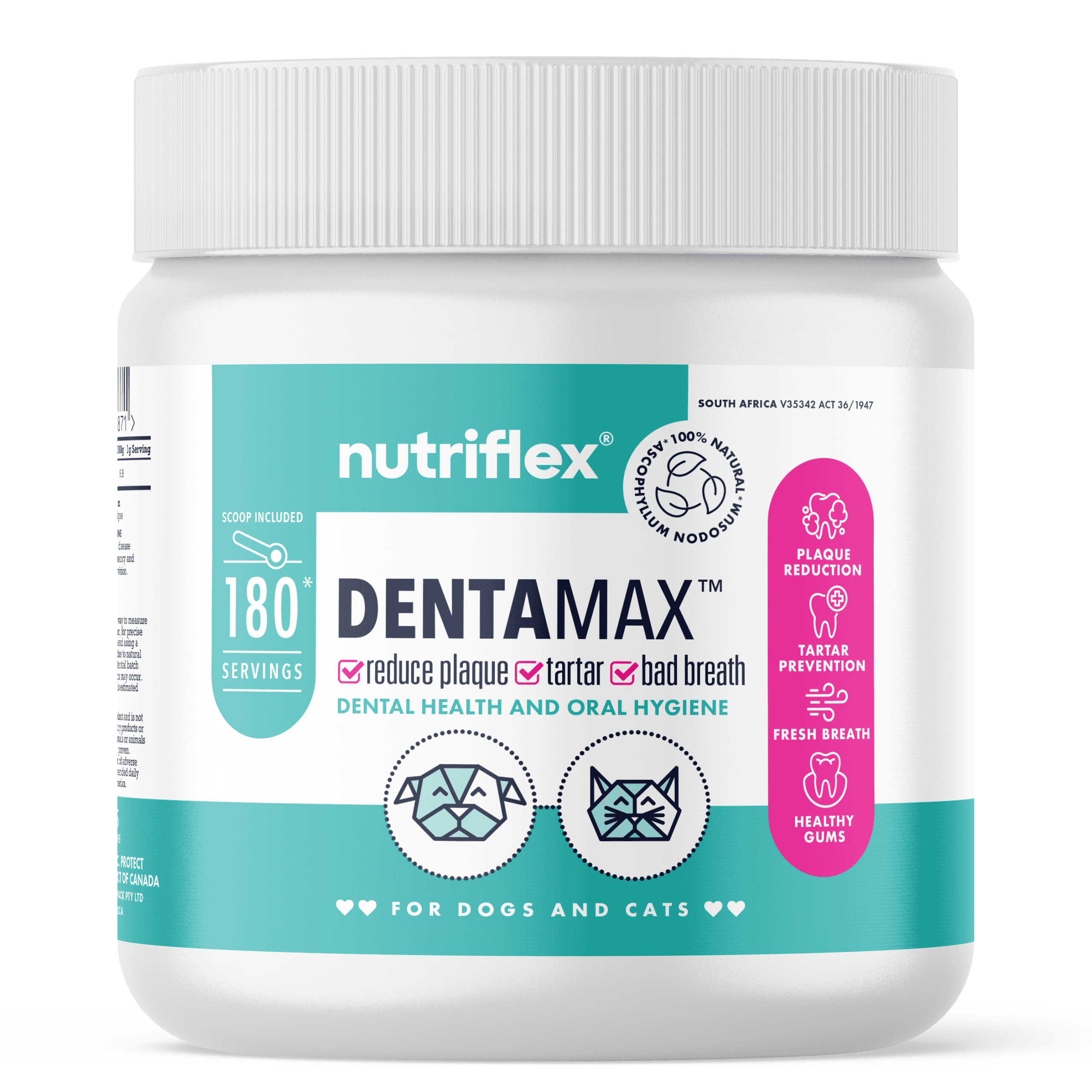
I’m Sharon Milani, co-founder of NutriFlex® and the developer of DentaMax™, a 100% pure organic Ascophyllum nodosum dental powder formulated specifically to address the symptoms of canine halitosis through a systemic, evidence-based approach. My work in preventative oral health for South African pets has given me a deep understanding of how plaque progression leads to the symptoms we explore in this guide.
Understanding the Symptoms of Canine Halitosis
When we talk about halitosis, we are describing an offensive odour emanating from the oral cavity. While it is a common complaint among pet owners in Cape Town and Johannesburg, it is rarely “just” a smelly mouth. In a healthy dog, breath should be relatively neutral or smell slightly of their recent meal. When the scent becomes pungent, it is usually due to the presence of volatile sulfur compounds (VSCs).
These compounds are produced by anaerobic bacteria that thrive in the biofilm on your dog’s teeth and tongue. As these bacteria multiply, the smell intensifies. However, not all bad breath smells the same. The specific “notes” in your dog’s breath can provide a roadmap for your veterinarian.
- Rotten Egg Smell: This is the most common scent and typically indicates advanced periodontal disease. The bacteria are breaking down proteins and releasing hydrogen sulfide.
- Sweet or Fruity Acetone Scent: This can be a major red flag for diabetes mellitus. When a dog’s body cannot properly use sugar for energy, it breaks down fat instead, producing ketones that smell like nail polish remover.
- Ammonia or Urine-like Breath: This often points toward kidney issues. When the kidneys fail to filter waste products from the blood, urea builds up and can be detected in the breath.
- Metallic Tang: A metallic smell may indicate bleeding in the mouth, often from advanced gingivitis or oral tumours.
Understanding these Dog Bad Breath nuances is the first step in identifying whether the issue is strictly oral or systemic. As noted in Halitosis in Dogs | VCA Canada Animal Hospitals, the smell is the primary diagnostic tool for owners, but it is the accompanying physical signs that tell the full story.
Identifying Dental Symptoms of Canine Halitosis
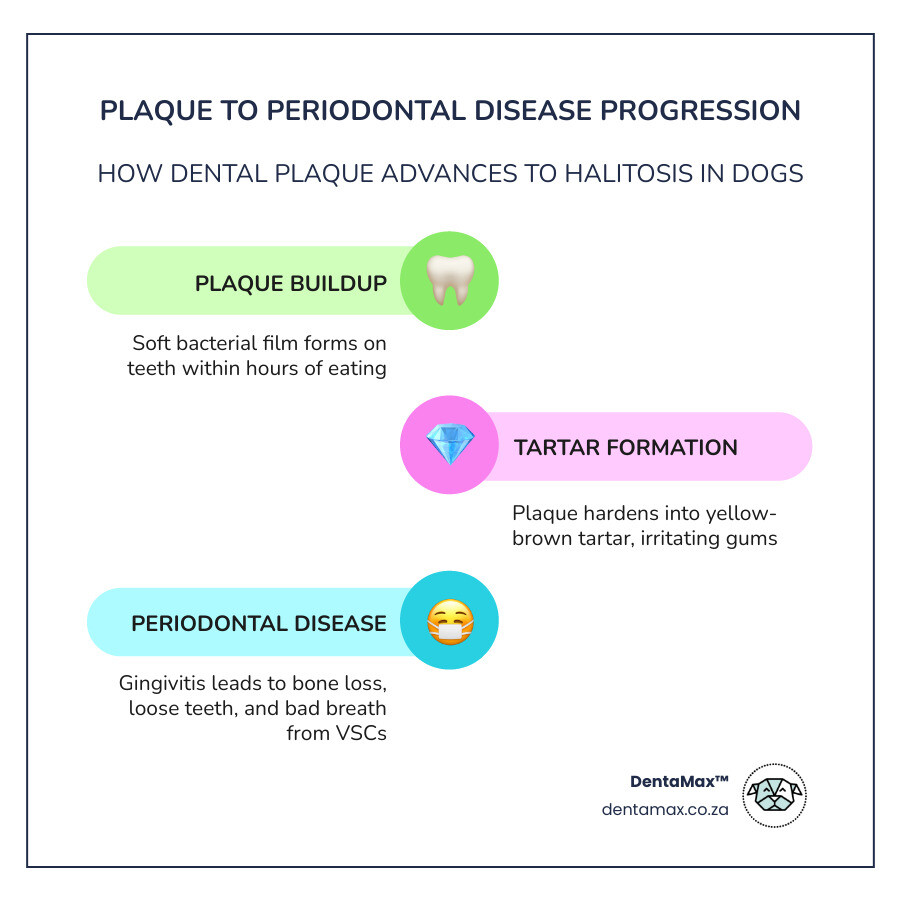
The mouth is a complex ecosystem. When we ignore the early symptoms of canine halitosis, we allow a silent progression of disease to take place. It usually starts with gingivitis, which is the only reversible stage of periodontal disease.
If you lift your dog’s lip, you should see salmon-pink gums that meet the teeth in a sharp, clean line. If you notice a red “halo” along the gum line, this is gingivitis. These gums are often swollen and may bleed easily when your dog chews on a toy or during a game of tug.
As the condition advances, plaque mineralises into tartar (calculus) within just a few days. Tartar is a hard, yellowish-brown deposit that cannot be brushed away. It provides a porous surface where even more bacteria can hide, leading to a “swamp-like” environment. This is Why Your Dogs Breath Smells Like A Swamp And Their Gums Bleed as the infection reaches the deeper structures of the tooth, eventually leading to bone loss and loose teeth.
Behavioral Signs of Oral Pain
Dogs are notoriously stoic. In the wild, showing pain is a sign of weakness, so our domestic companions have become experts at hiding dental discomfort. Often, the symptoms of canine halitosis are accompanied by subtle shifts in behaviour that owners might mistake for “getting older” or “becoming a picky eater”.
Watch for these red flags:
- Pawing at the face: Your dog may rub their muzzle against the carpet or paw at their mouth as if trying to dislodge something.
- Difficulty eating: They might drop kibble while eating or only chew on one side of their mouth.
- Excessive drooling: While some breeds like Mastiffs are naturally “drooly”, a sudden increase in saliva (sometimes tinged with blood) is a sign of oral irritation.
- Facial sensitivity: If your usually cuddly dog pulls away when you try to stroke their head or muzzle, they may be experiencing significant dental pain.
Recognising Why Plaque Causes Bad Breath and how it translates to physical pain is essential for timely intervention.
Common Causes and Systemic Health Links
While 90% of halitosis cases stem from the mouth, the remaining 10% are often linked to internal organs. The oral cavity is the gateway to the rest of the body. Bacteria from the mouth do not stay in the mouth; they can enter the bloodstream (bacteremia) and travel to the heart, liver and kidneys.
The primary culprit is periodontal disease. This involves the inflammation and infection of the tissues that support the teeth. When plaque is not removed, it hardens into tartar, which then creeps under the gum line. This sub-gingival bacteria is the most dangerous because it is shielded from the oxygen that would normally kill it.
According to Bad Breath in Dogs: Causes and Treatment | PetMD, it is vital to distinguish between local oral issues and systemic ones.
| Cause Category | Specific Condition | Primary Breath Symptom |
|---|---|---|
| Oral | Periodontal Disease | Rotten eggs / Foul decay |
| Oral | Oral Tumours | Necrotic or “rotting” smell |
| Systemic | Kidney Disease | Ammonia or urine-like |
| Systemic | Liver Disease | Musty or extremely foul |
| Systemic | Diabetes | Sweet, fruity or acetone |
| Dietary | Coprophagia | Fecal odour |
Non Dental Symptoms of Canine Halitosis
When the breath smells like something other than “doggy breath”, we must look deeper.
- Kidney Disease: If the breath smells like a toilet or ammonia, the kidneys may not be clearing toxins effectively. You might also notice increased thirst and urination.
- Liver Failure: A musty, “dead mouse” smell can indicate liver issues. This is often accompanied by a yellowish tint to the gums or the whites of the eyes (jaundice).
- Diabetes: As mentioned, a sweet scent is a classic sign. These dogs often lose weight despite having a voracious appetite.
- Oral Tumours: Sometimes, a foul smell persists even after a professional cleaning. This can be caused by necrotic (dying) tissue within an oral growth. Common tumours include melanoma and squamous cell carcinoma.
For a deeper dive into these complex cases, refer to Chronic Bad Breath in Dogs – Symptoms, Causes, Diagnosis, Treatment, Recovery, Management, Cost.
Dietary and Environmental Factors
Sometimes the symptoms of canine halitosis are not about disease, but about what your dog has been up to in the garden.
- Coprophagia: This is the polite term for eating faeces. Whether it is their own, the cat’s or a “snack” found on a walk in a Durban park, it will result in a breath that smells exactly like what was consumed.
- Foreign Objects: Sticks, shards of bone or even long hair can get wedged between teeth or under the tongue. These objects rot and cause localised infection and extreme odour.
- Bearded Breeds: Breeds like Schnauzers or Terriers with long facial hair often trap food and saliva in their “beards”. This damp environment is a breeding ground for bacteria, leading to a sour smell and even skin infections around the mouth.
Using Natural Remedies To Turn Your Dogs Breath From Foul To Fresh can help manage these everyday odours, but it is important to rule out stuck objects first.
Risk Factors and Breed Predispositions
Not all dogs are created equal when it comes to dental health. In South Africa, we see a high prevalence of dental issues in specific groups.
Small and Toy Breeds: Yorkies, Chihuahuas and Maltese Poodles are notorious for “crowded” mouths. They have the same number of teeth as a Great Dane (42) but squeezed into a tiny fraction of the space. This crowding creates countless nooks and crannies where plaque can hide, making them much more prone to early-onset periodontal disease.
Brachycephalic Breeds: Flat-faced dogs like Pugs and Bulldogs often have misaligned jaws and crowded teeth due to their skull shape. This makes self-cleaning through chewing almost impossible.
Dietary Factors: Dogs fed exclusively on soft, wet food often show more significant symptoms of canine halitosis because there is no mechanical “scrubbing” action on the teeth. However, even kibble is not a magic wand for dental health. Most dogs swallow kibble whole or it shatters easily, providing little benefit for the gum line.
As Causes of Bad Breath in Dogs (and What to Do Next) explains, understanding your dog’s breed risk allows you to be more proactive with their care.
Veterinary Diagnosis and Professional Treatment
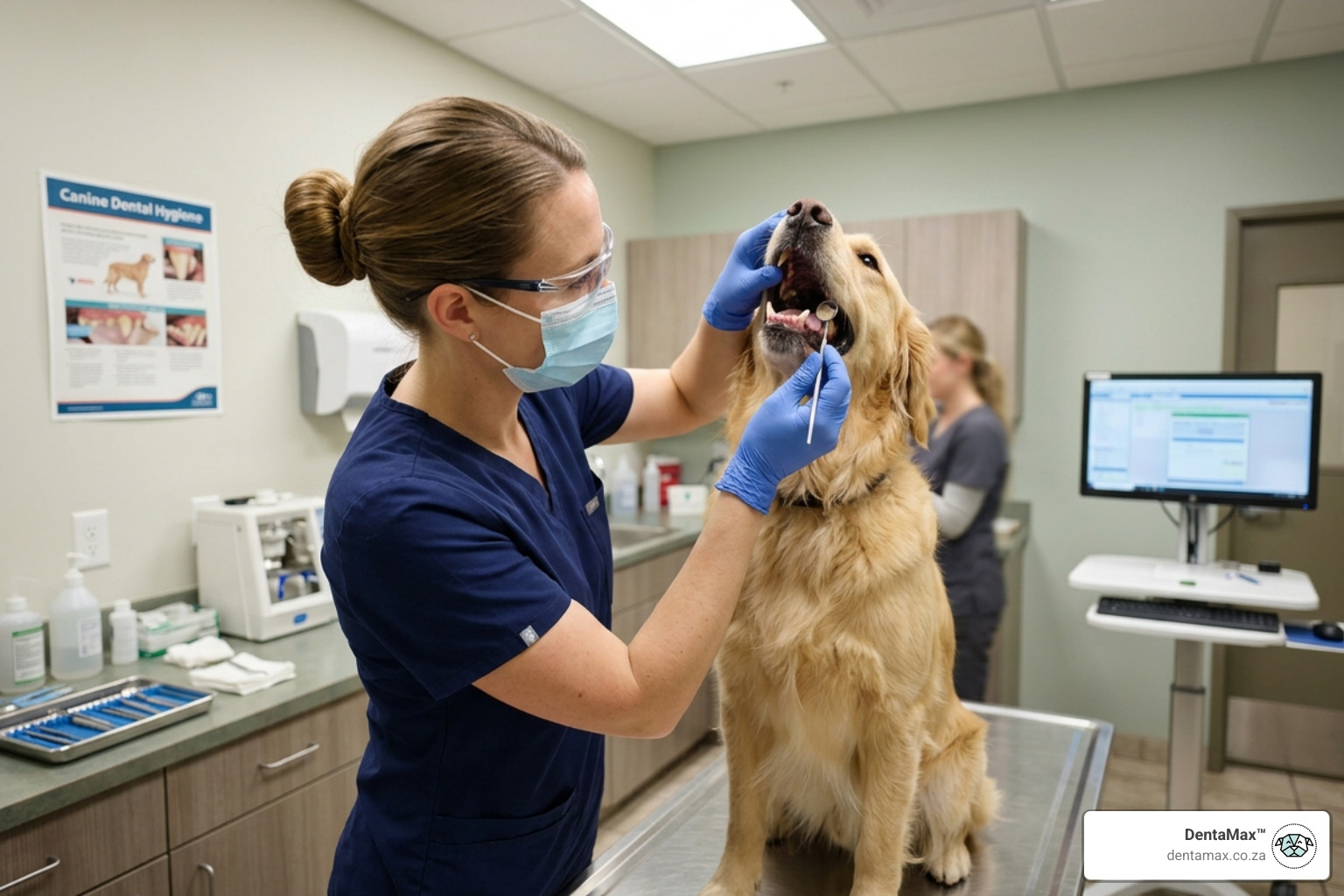
If your dog is showing persistent symptoms of canine halitosis, a trip to the vet is non-negotiable. A simple “awake” exam is rarely enough to see the full picture.
A professional dental procedure in a South African veterinary clinic typically involves:
- General Anaesthesia: This is essential for safety and a thorough cleaning. It allows the vet to scale under the gum line where the real damage happens.
- Dental X-rays: Since 60% of the tooth is hidden below the gum line, X-rays are the only way to find painful abscesses or bone loss.
- Sub-gingival Scaling: Removing the “gunk” from under the gums is what actually cures the bad breath.
- Polishing: Scaling leaves microscopic scratches on the enamel. Polishing smooths these out so plaque cannot easily re-attach.
For more on what to expect during this process, read about Professional Ways To Cure Your Dogs Halitosis.
Prevention and Systemic Plaque Control
Once the vet has given your dog a clean slate, the goal is to prevent the return of the symptoms of canine halitosis. While daily brushing is the “gold standard”, we realise that for many South African pet owners, it is a daily struggle.
This is where systemic plaque control changes the game.
Instead of just relying on mechanical scrubbing, we can use the dog’s own biology. Ascophyllum nodosum, a specific type of organic kelp harvested from the cold North Atlantic waters, has been scientifically proven to reduce plaque and tartar.
When your dog eats a supplement containing Ascophyllum nodosum, the active compounds are absorbed into the bloodstream. They are then secreted back into the mouth through the saliva. This works 24/7 to disrupt the bacterial biofilm, preventing plaque from sticking to the teeth and softening existing tartar so it can be removed more easily during play or eating.
Check for the VOHC (Veterinary Oral Health Council) seal on products to ensure they meet rigorous testing standards. You can learn more in our guide on Stop The Stink With These Dog Breath Powder Basics.
Managing Symptoms of Canine Halitosis at Home
Managing your dog’s oral health does not have to be a chore. By integrating a systemic approach, you are treating the cause, not just masking the smell.
- Biofilm Disruption: By changing the chemical composition of the saliva, you make the mouth a “hostile” environment for bad bacteria.
- Natural Support: Using a pure, organic powder like DentaMax™ ensures your dog isn’t consuming fillers or artificial flavourings.
- Consistency: The key is daily use. Because the mechanism relies on salivary excretion, missing doses allows the biofilm to re-establish itself.
For practical tips, see How To Fix Your Dogs Bad Breath At Home and explore the Beyond Doggy Breath And The Rise Of Natural Dental Care movement.
Frequently Asked Questions about Dog Breath
Is it normal for a dog to have bad breath?
No. While many people think “doggy breath” is just part of owning a pet, a foul or strong odour is a clinical sign of oral or systemic disease. Healthy dog breath should not be offensive.
How can I tell if my dog has gum disease?
Look for a red line along the gums, swelling, or bleeding when they chew. If you see yellow or brown “stones” on the teeth, that is tartar, which indicates that gum disease (periodontitis) is likely already present beneath the surface.
What is the best way to freshen dog breath without brushing?
The most effective non-brushing method is systemic supplementation with Ascophyllum nodosum. It works through the saliva to break down plaque and tartar naturally. Combining this with high-quality dental chews can provide the mechanical action needed to sweep away softened debris.
Conclusion
Spotting the symptoms of canine halitosis is the first step in a journey toward better health for your dog. Whether you are in Muizenberg or Sandton, the principles of South African veterinary care remain the same: prevention is always better (and cheaper) than cure.
At DentaMax™, we are committed to providing evidence-based education on the power of systemic dental science. By understanding the role of Ascophyllum nodosum in biofilm disruption, you can take control of your dog’s oral health from the inside out.
Don’t let your dog’s breath do the barking. Address the root cause today and ensure those wet-nosed kisses stay fresh for years to come. For more information on the Dog Bad Breath Cure and to explore our educational resources, visit https://dentamax.co.za/dog-bad-breath/.