Understanding the Difference: Dog Plaque vs Tartar
Dog plaque vs tartar are two different stages of the same dental problem, and understanding the difference matters for your dog’s long-term health.
Here is a quick comparison:
| Plaque | Tartar | |
|---|---|---|
| What it is | Soft, sticky film of bacteria | Hardened, mineralised plaque |
| Colour | Colourless or pale yellow | Yellow, brown or dark |
| Texture | Slimy, invisible to the eye | Hard, rough, gritty |
| When it forms | Within hours after eating | Within 24 to 48 hours of plaque forming |
| Can you remove it at home? | Yes, with daily brushing | No, requires professional veterinary cleaning |
| Health risk | Gum inflammation, bad breath | Periodontal disease, tooth loss, organ damage |
Plaque is a soft bacterial film that forms on your dog’s teeth every single day. Left alone, it hardens into tartar, a rough, chalky deposit that bonds firmly to the tooth surface. Once tartar forms, no amount of brushing at home will shift it.
What makes this urgent is the speed at which it happens. Plaque can begin mineralising within 24 hours. By 48 hours, early tartar may already be forming. And by the time most pet owners notice a problem, the damage is often well underway. Research shows that up to 80 to 90 percent of dogs over the age of three have some degree of periodontal disease, even when their teeth appear relatively clean.
I’m Sharon Milani, co-founder of NutriFlex® and formulator of DentaMax™, with over a decade of experience in evidence-based pet nutrition and systemic approaches to dog plaque vs tartar management. In this guide, I’ll walk you through exactly what separates plaque from tartar, why it matters and what you can do about it.
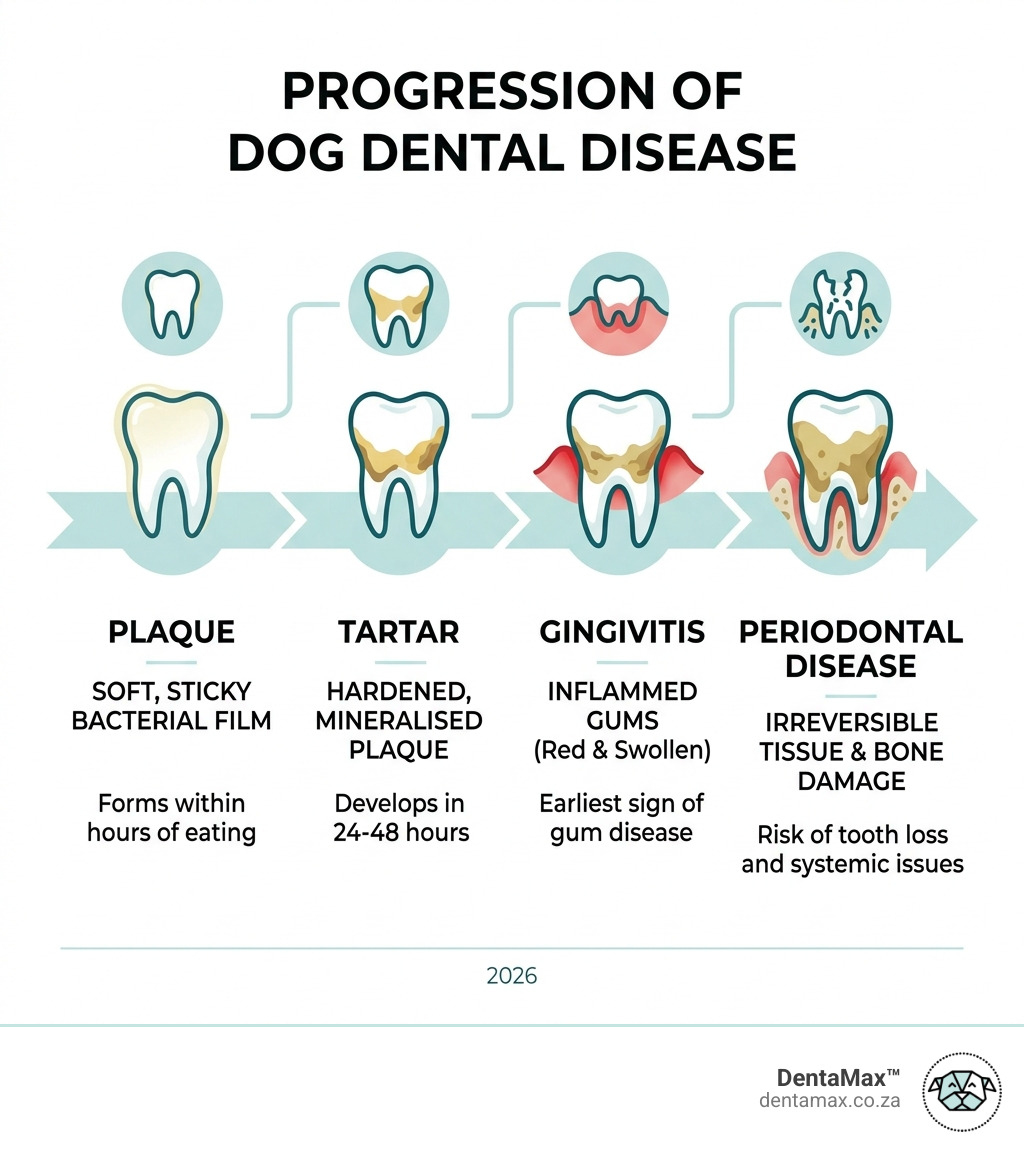
To keep your dog’s mouth healthy, we must first understand the enemy. While people often use the terms interchangeably, the biological difference between dog plaque vs tartar is significant.
Plaque is a biofilm. It is a complex community of bacteria, salivary glycoproteins and food particles that adheres to the tooth surface. It is soft, sticky and almost invisible. Because it is a living colony of bacteria, it is constantly growing. If you were to run your finger across your dog’s teeth a few hours after a meal, that slimy, slippery sensation you feel is plaque.
Tartar, also known as dental calculus, is what happens when plaque is allowed to “fossilise”. When plaque sits on the tooth, it interacts with the calcium and phosphate salts naturally present in your dog’s saliva. This chemical reaction causes the soft plaque to mineralise into a rock-hard substance.
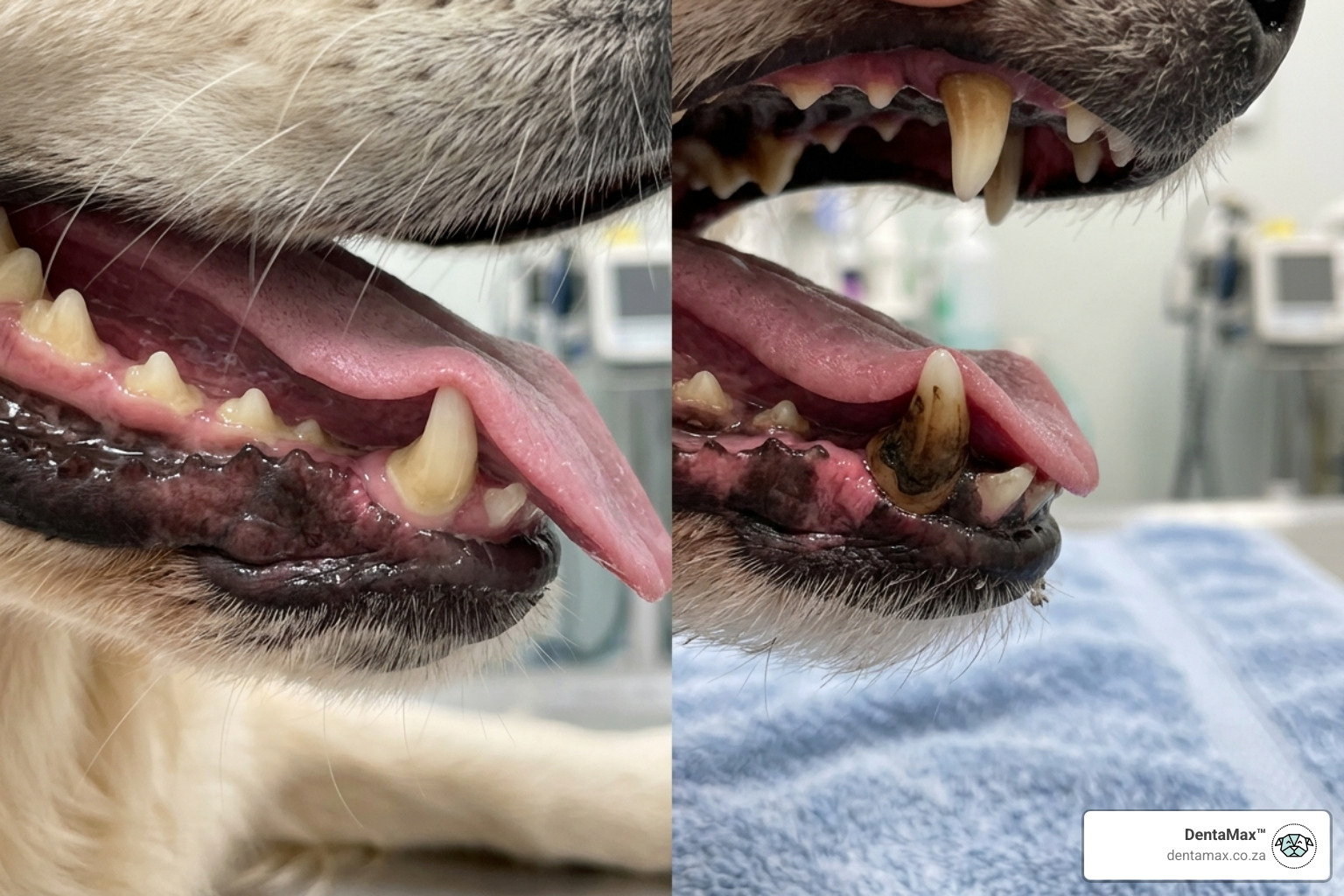
The transition from a soft film to a hard crust changes the game for pet parents. While plaque can be disrupted by a toothbrush or a dental chew, tartar is physically bonded to the tooth enamel. It acts like a coral reef for more bacteria, providing a rough, porous surface where new layers of plaque can hide and thrive, protected from the mechanical action of chewing or brushing.
| Feature | Plaque | Tartar (Calculus) |
|---|---|---|
| Visibility | Difficult to see; clear or pale yellow | Highly visible; yellow, orange or brown |
| Consistency | Soft, sticky and gummy | Hard, brittle and stone-like |
| Location | All over the tooth and under the gumline | Concentrated at the gumline and between teeth |
| Removal | Daily brushing, wipes and systemic aids | Professional veterinary scaling only |
Identifying Dog Plaque vs Tartar Symptoms
Because plaque is so difficult to see, we often have to rely on other senses to identify its presence. The most common sign of heavy plaque accumulation is halitosis, or bad breath. While many South African pet owners believe “dog breath” is normal, it is actually a primary indicator of bacterial overgrowth. When bacteria in the plaque biofilm break down proteins, they release foul-smelling volatile sulphur compounds.
As plaque accumulates, you may notice Plaque On Dog Teeth appearing as a faint, off-white or yellowish tint near the gums. If left unmanaged, the gums may become red and slightly swollen, a condition known as gingivitis. This is the body’s inflammatory response to the bacterial toxins sitting against the delicate gum tissue.
Tartar is much easier to spot. It appears as crusty, tan or brown deposits, usually starting at the base of the tooth where it meets the gumline. You might also notice your dog struggling to chew hard kibble or favouring one side of their mouth, as the underlying inflammation caused by tartar buildup becomes painful.
The Rapid Timeline of Mineralisation
Speed is the most critical factor in the dog plaque vs tartar battle. In canine oral health, the clock is always ticking.
Plaque begins to form within hours of eating. Within just 24 hours, the minerals in your dog’s saliva begin to infuse into the plaque biofilm. This is the start of the mineralisation process. By 48 hours, the plaque has hardened significantly. Once it reaches this stage, it is no longer a soft film that can be easily wiped away; it has become dental calculus.
Understanding How Plaque Turns To Tartar highlights why occasional brushing is largely ineffective. If you only brush your dog’s teeth once a week, you are only removing the plaque that formed in the last day, while the plaque from the previous six days has already hardened into permanent tartar. To be effective, plaque disruption must happen every 24 hour cycle.
The Health Risks of Untreated Dental Buildup
The danger of dog plaque vs tartar is not merely cosmetic. It is a gateway to systemic disease. When tartar builds up, it doesn’t just stay on the visible part of the tooth. It migrates under the gumline, into the subgingival space.
This is where the real damage occurs. The bacteria trapped under the gums trigger a chronic immune response. This inflammation leads to periodontal disease, which destroys the structures supporting the tooth, including the periodontal ligament and the alveolar bone.
As the bone resorbs, the teeth become loose and eventually fall out. However, the risks extend far beyond the mouth. The gum tissue is rich in blood vessels. When the gums are inflamed and bleeding, the bacteria from the mouth can enter the bloodstream. This is known as systemic bacteremia.
These oral bacteria can travel to major organs, including the heart, liver and kidneys. Studies have linked chronic dental disease in dogs to endocarditis (inflammation of the heart valves) and chronic kidney disease. This is why we say that dental health is a cornerstone of overall longevity. You can read more about How Tartar Damages Dog Teeth to understand the progression from a simple film to organ-threatening infection.
Effective Removal and Prevention Strategies
When it comes to managing dog plaque vs tartar, we have two different goals: removing what is already there and preventing new buildup.
For plaque, the goal is daily disruption. Mechanical cleaning is the gold standard. Brushing your dog’s teeth with a soft-bristled brush and pet-safe toothpaste is the most effective way to physically break up the biofilm. If your dog is resistant to a traditional brush, a silicone finger brush or even a piece of damp gauze can be used to wipe the outer surfaces of the teeth. You can find detailed steps on How To Remove Plaque From Dogs Teeth to make the process easier for both you and your pet.
For tartar, the situation is different. Because tartar is mineralised and bonded to the enamel, it cannot be safely removed at home. Attempting to scrape tartar off with metal tools (dental scaling) at home is dangerous. It can easily result in deep cuts to the gums or microscopic scratches on the tooth enamel, which actually makes it easier for more plaque to attach in the future.
Professional veterinary scaling under general anaesthesia is the only way to thoroughly remove tartar, especially the hidden deposits under the gumline. While many owners worry about anaesthesia, South African veterinary standards ensure it is a safe and controlled procedure that allows for a comprehensive cleaning that is impossible to achieve while a dog is awake. For those looking for supportive home care, exploring How To Remove Tartar From Dog Teeth Naturally provides insight into softening deposits before they become a major issue.
Systemic Support for Dog Plaque vs Tartar Control
While mechanical brushing is ideal, we know that for many South African pet parents, daily brushing is a significant challenge. This is where systemic dental science offers a powerful alternative or complement.
The most researched ingredient in this field is Ascophyllum nodosum, a specific species of North Atlantic kelp. Unlike dental chews that work through friction, this seaweed works systemically. When ingested, the active compounds are absorbed into the bloodstream and eventually excreted through the saliva.
Once in the saliva, these compounds work to disrupt the plaque biofilm. They change the chemical composition of the plaque, making it less “sticky” and harder for it to adhere to the tooth surface. Over time, this helps to reduce new plaque formation and can even help soften existing tartar, making it easier to remove during brushing or professional cleaning.
This method of Systemic Plaque Control Explained For Dogs is particularly useful for dogs that refuse to have their mouths handled. By simply adding a measured amount of wild-harvested Ascophyllum nodosum to their food, you are providing 24 hour protection that works from the inside out.
The Role of Diet and Dental Aids
What your dog eats also plays a role in the dog plaque vs tartar balance. While many believe that hard kibble “cleans” teeth, most standard kibble is too small and brittle to provide significant mechanical cleaning; it simply shatters upon contact.
Dental-specific diets are designed with a larger, fibrous kibble structure that resists crumbling, forcing the tooth to sink into the biscuit and scrape away plaque. When choosing dental aids, look for products that meet high standards for efficacy.
Oral hygiene aids like water additives and specific chew toys can also contribute to a healthy mouth. However, it is important to remember that these are supplementary. Understanding What Is Plaque In Dogs helps us realise that a multi-faceted approach, combining systemic support, mechanical cleaning and proper diet, is the best way to ensure your dog’s smile stays healthy.
Frequently Asked Questions about Canine Dental Health
Can I remove tartar from my dog’s teeth at home?
No. Tartar is a mineralised deposit that is physically bonded to the tooth enamel. Removing it requires professional ultrasonic scaling tools. Attempting to “flick” tartar off with your fingernails or a metal scaler at home can cause permanent enamel damage and leaves the subgingival (under the gum) area untreated. Always consult your vet for professional intervention. You can find more detail on the risks of home scaling in our guide on Plaque Vs Tartar In Dogs.
How often should I brush my dog’s teeth?
Ideally, you should brush your dog’s teeth every day. Because the plaque-to-tartar mineralisation process begins within 24 hours, a daily routine is the only way to ensure plaque is removed before it hardens. If daily brushing is impossible, aim for at least three to four times a week to slow down the accumulation of dental calculus.
Are certain breeds more prone to dental disease?
Yes. Smaller breeds and brachycephalic (flat-faced) breeds like Pugs, Bulldogs and Shih Tzus are significantly more prone to dental issues. This is often due to tooth crowding; they have the same number of teeth as large dogs but in a much smaller mouth. This creates tight spaces where plaque can hide and tartar can build up rapidly. These breeds often require more frequent professional cleanings, sometimes starting as early as one year of age.
Conclusion
Managing dog plaque vs tartar is a lifelong commitment for any pet parent. By understanding that plaque is a daily bacterial threat and tartar is a permanent mineralised deposit, we can take better steps to protect our dogs.
At DentaMax™, we are dedicated to providing South African dog owners with evidence-based education on systemic health. While mechanical brushing remains a vital tool, the inclusion of systemic supplements like Ascophyllum nodosum provides a scientifically backed way to support your dog’s oral hygiene from the inside out.
Regular veterinary check-ups, a consistent home care routine and high-quality nutritional support are the keys to preventing periodontal disease and ensuring your dog lives a long, pain-free life.