When Your Dog’s Breath Smells Like Ammonia, Pay Attention
An ammonia smell from dog mouth is not a dental hygiene problem. It is a warning sign of kidney disease.
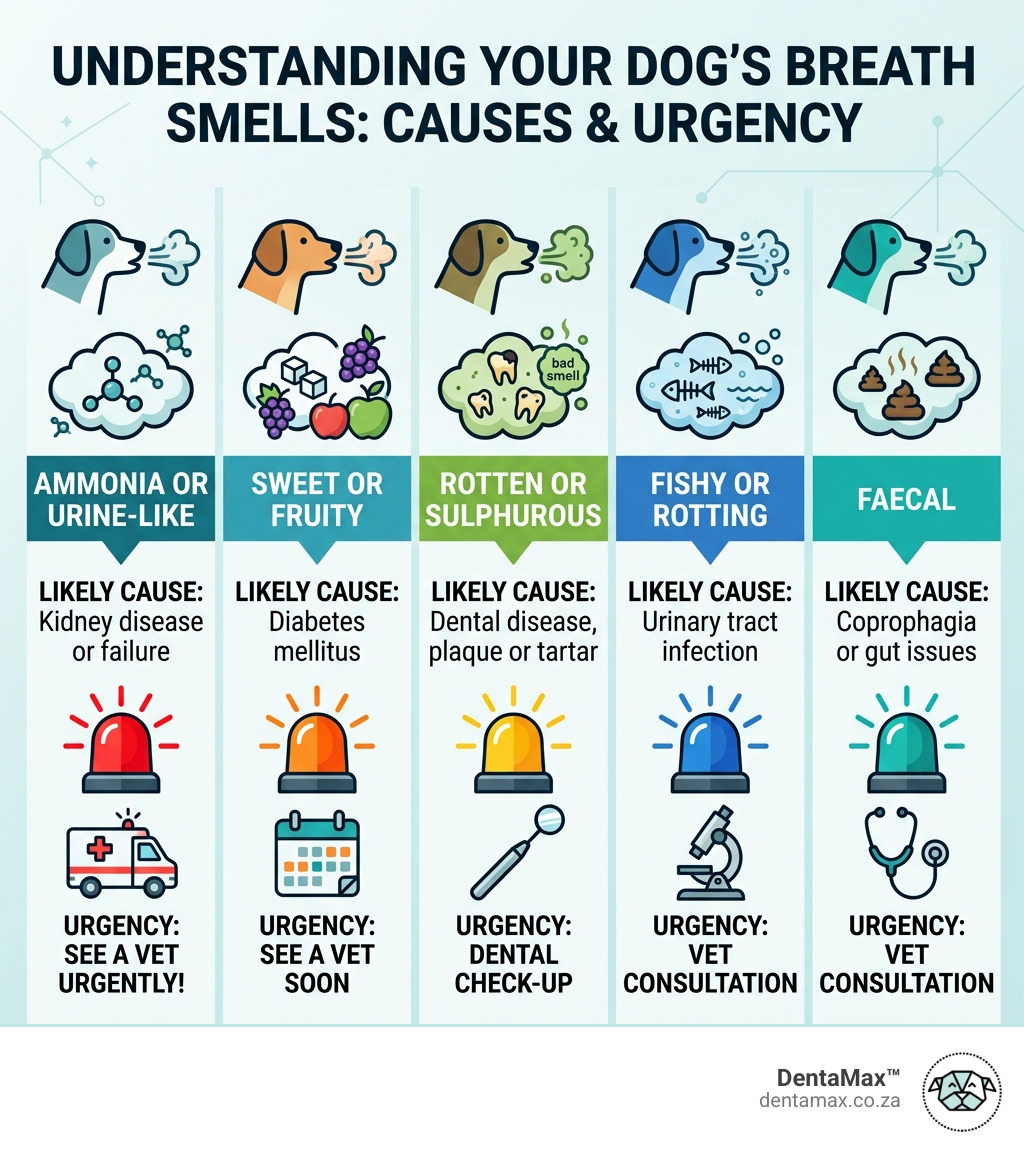
Here is what that smell means at a glance:
| Breath Smell | Likely Cause | Action Required |
|---|---|---|
| Ammonia or urine-like | Kidney disease or kidney failure | See a vet urgently |
| Sweet or fruity | Diabetes mellitus | See a vet soon |
| Rotten or sulphurous | Dental disease, plaque or tartar | Dental check-up |
| Fishy or rotting | Urinary tract infection | Vet consultation |
| Faecal | Coprophagia or gut issues | Vet consultation |
When the kidneys stop filtering waste efficiently, a compound called urea builds up in the blood. The body breaks urea down into ammonia in the saliva. That is what you are smelling. Vets call it uremic fetor, and it is a clinical sign that warrants prompt veterinary attention.
Bad breath in dogs is common. But not all bad breath is equal. A rotten smell usually points to plaque or gum disease. An ammonia smell points deeper, toward organ function. The difference matters.
This guide explains what causes the ammonia smell, how it connects to kidney disease and other systemic conditions, and what South African dog owners can do about it.
I’m Sharon Milani, Co-Founder of NutriFlex® and the formulator behind DentaMax™, a 100% pure organic Ascophyllum nodosum dental powder developed specifically for systemic plaque and tartar control in dogs and cats. My work in evidence-based pet nutrition has given me a detailed understanding of how oral health intersects with systemic disease, including the mechanisms behind an ammonia smell from dog mouth and what it signals about your dog’s internal health.
Understanding the Ammonia Smell From Dog Mouth
When we notice an ammonia smell from dog mouth, we are detecting more than just a lack of brushing. We are smelling a chemical reaction occurring within the dog’s own saliva. The kidneys are responsible for filtering out metabolic waste products from the bloodstream. One of the most significant waste products is urea, a nitrogenous compound resulting from protein metabolism.
In a healthy dog, the kidneys efficiently remove urea, which is then excreted through urine. However, when kidney function is compromised, these toxins begin to accumulate in the blood. This condition is known as uremia. As blood urea nitrogen (BUN) levels rise, the excess urea finds its way into the dog’s saliva.
Bacteria naturally present in the mouth then break down this urea, releasing ammonia gas. This process creates the distinct, sharp scent often described as smelling like urine or window cleaner. This clinical phenomenon is technically referred to as uremic fetor. It is a direct indicator that the body is struggling to manage its own internal waste. For more context on the various types of halitosis, you can read more info about dog bad breath.
Why an ammonia smell from dog mouth signals urgency
The appearance of this specific odour is rarely an early-stage symptom. By the time we can detect an ammonia smell from dog mouth, the kidneys are often significantly impaired. In many cases, kidney disease is “silent” until approximately 66% to 75% of functional kidney tissue has been lost.
As metabolic waste and uremic toxins build up, they do more than just cause bad breath. They can lead to the development of painful mouth ulcers and glossitis (inflammation of the tongue). High levels of creatinine and blood urea nitrogen indicate that the dog may be entering advanced stages of renal failure. Because the kidneys cannot be “repaired” once the tissue is scarred, identifying this smell early is vital for managing the condition and preserving the remaining kidney function. According to research on ammonia breath in dogs, this is a critical warning sign that requires immediate veterinary intervention.
Systemic vs oral causes of halitosis
It is important for us to distinguish between breath that smells “doggy” or rotten and breath that smells chemical. Most bad breath originates in the mouth due to periodontal bacteria. These bacteria form a biofilm (plaque) that, if left untreated, mineralises into tartar. This process releases volatile sulphur compounds, creating a “rotten egg” or “swampy” smell.
However, systemic causes like kidney disease are different. While oral bacteria are involved in breaking down the urea, the root cause is the failure of an internal organ. Interestingly, advanced periodontal disease can actually lead to kidney issues. The bacteria from infected gums can enter the bloodstream, travelling to the heart, liver, and kidneys, where they cause micro-abscesses and organ damage. To understand how this starts, you can explore why plaque causes bad breath.
| Feature | Dental Disease Smell | Systemic (Kidney) Smell |
|---|---|---|
| Primary Odour | Rotten, sulphurous, “garbage” | Ammonia, urine, bleach-like |
| Origin | Plaque, tartar, and gum infection | Bloodstream and saliva chemistry |
| Associated Oral Signs | Bleeding gums, heavy tartar | Pale gums, mouth ulcers, drooling |
| Systemic Signs | Usually none early on | Increased thirst, weight loss, lethargy |
Kidney Disease and Associated Clinical Signs
While the ammonia smell from dog mouth is a major red flag, it usually appears alongside other clinical signs. In South Africa, where many dogs spend significant time outdoors, we must be vigilant in observing changes in their daily habits. One of the earliest signs of kidney struggle is polydipsia (excessive thirst) and polyuria (increased urination). You might notice your dog emptying the water bowl more frequently or needing to go outside in the middle of the night.
As the condition progresses, dogs often experience:
- Lethargy: A noticeable drop in energy levels or interest in play.
- Weight Loss: Often due to a lack of appetite (inappetence) as the uremic toxins make them feel nauseous.
- Vomiting and Diarrhoea: These gastrointestinal upsets are common as the body tries to deal with the toxic buildup.
- Poor Coat Quality: The skin may become dry and the fur dull or brittle.
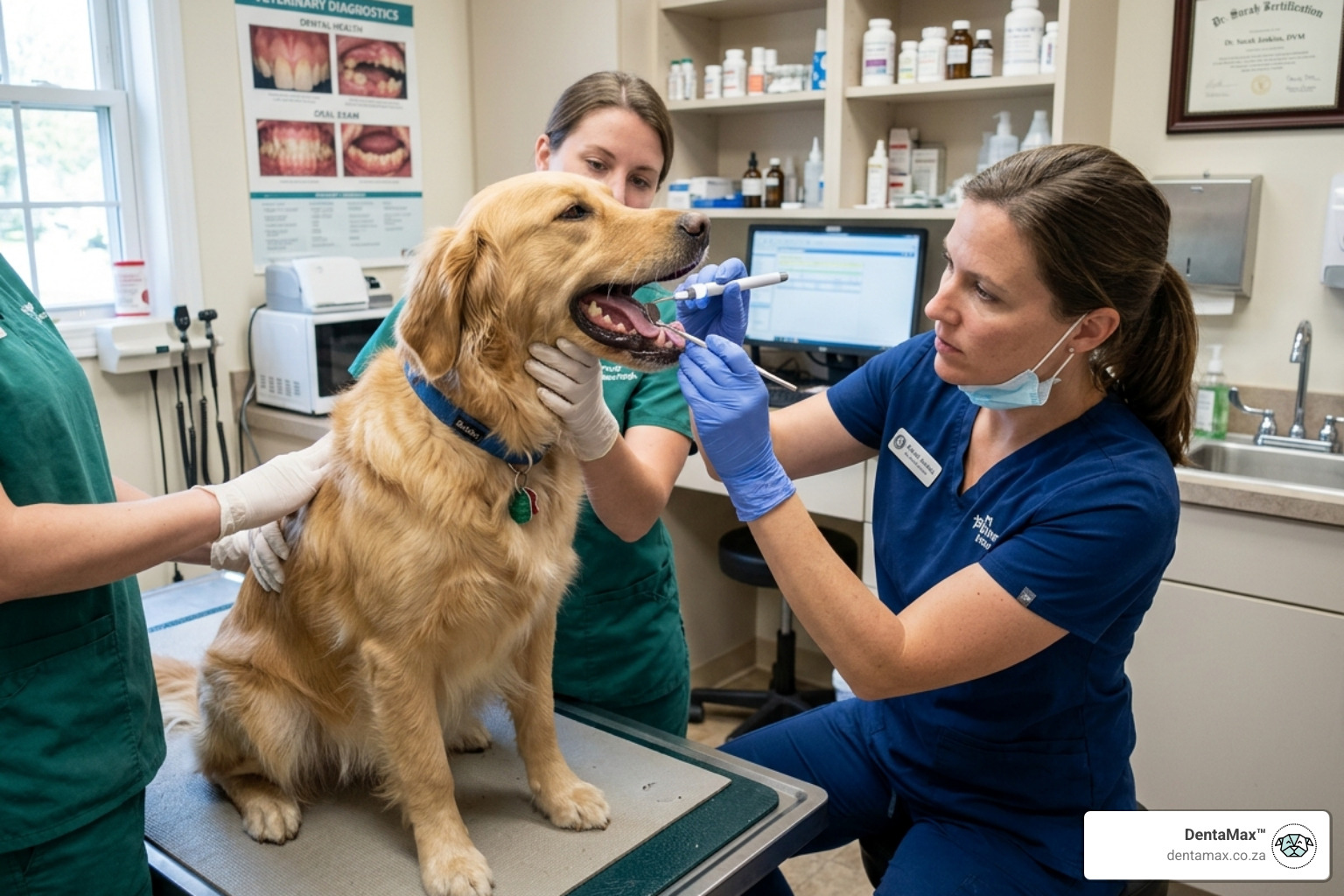
Veterinary diagnostics in South Africa typically involve blood panels to check BUN and creatinine levels, alongside a urinalysis to check the concentration of the urine. Early detection is the best way to extend a dog’s life through renal diets and fluid therapy. For a deeper look at these symptoms, refer to Bad Breath in Dogs: Causes and Treatment.
Differentiating dental plaque from an ammonia smell from dog mouth
It is possible for a dog to have both heavy tartar and kidney issues simultaneously. Dental plaque is a sticky biofilm that forms within hours of eating. If not removed, it mineralises into hard tartar (calculus) within 48 to 72 hours. This tartar provides a porous surface for more bacteria to thrive, leading to gingivitis.
If your dog’s breath smells like a “swamp” or “rotten meat,” the issue is likely oral. However, if that smell shifts to a sharp, pungent ammonia scent, the problem has likely become systemic. You can learn more about the transition from simple plaque to severe gum issues in our guide on why your dog’s breath smells like a swamp.
Other Health Conditions Linked to Unusual Breath
Not every strange smell points to the kidneys. Different metabolic “glitches” produce different chemical signatures on the breath.
Diabetes Mellitus: If your dog’s breath has a sweet, fruity, or acetone scent (resembling nail polish remover or pear drops), it may indicate diabetes. This happens when the body cannot use sugar for energy and begins breaking down fat instead, producing ketones. This state, called ketosis or ketoacidosis, is a medical emergency.
Liver Disease: A musty, mouldy, or “breath of the dead” (fetor hepaticus) smell can indicate liver failure. This occurs when the liver can no longer filter out sulphur compounds, which are then exhaled through the lungs.
Gastrointestinal Issues: Reflux or blockages can cause breath to smell like faeces or vomit. Additionally, the ingestion of toxic plants or “garbage” can lead to sudden, foul changes in breath odour. For more information on identifying these scents, see Understanding Bad Dog Breath.
Identifying sweet and fishy odours
A “fishy” smell is quite common in dogs but rarely relates to the kidneys. Often, a fishy odour from the mouth comes from the dog licking their anal glands, which produce a pungent, fish-like secretion. However, if the smell is more like “rotting fish” and is accompanied by straining to urinate, it could indicate a severe urinary tract infection (UTI). In these cases, bacterial overgrowth produces the foul scent. Managing these smells often involves natural support and veterinary-prescribed antibiotics. You can find more details on natural remedies for fresh breath.
Systemic Dental Science and Preventative Care
At DentaMax™, we focus on the science of systemic oral health. While traditional brushing is a mechanical approach, systemic supplementation works from the inside out. The primary ingredient we advocate for is Ascophyllum nodosum, a specific species of kelp harvested from the cold waters of the North Atlantic.
When a dog ingests this organic kelp, its bioactive compounds are absorbed into the bloodstream. These compounds are then excreted back into the mouth via the saliva. This is a systemic pathway. Once in the saliva, the compounds work to disrupt the biofilm (plaque) and prevent it from mineralising into tartar. Over time, it helps to soften existing tartar, making it easier to remove through chewing or light brushing.
This approach is particularly beneficial for dogs that are difficult to brush or those at higher risk of periodontal disease, such as smaller breeds with crowded teeth. Because Ascophyllum nodosum contains natural iodine, we always emphasise iodine transparency and ensuring the dosage is appropriate for your dog’s size. For a deeper dive into this technology, read Beyond Doggy Breath and the Rise of Natural Dental Care.
Brushing alternatives and plaque control
In South Africa, many pet owners find daily brushing a challenge. While professional scaling under anaesthesia is the “gold standard” for removing heavy tartar, it can be expensive and carries risks for older dogs or those with existing kidney issues.
Preventative routines are the most effective way to avoid the need for invasive procedures. This includes:
- Systemic Supplements: Daily use of Ascophyllum nodosum to keep plaque soft.
- Mechanical Chews: Safe dental toys or treats that help “scrub” the teeth.
- Water Additives: Formulations that help reduce the bacterial load in the mouth.
- Regular Home Checks: Lifting the lip to look for red gums or yellow tartar.
If you are looking for ways to manage oral hygiene without the daily struggle of a toothbrush, check out our guide on how to fix your dog’s bad breath at home.
Frequently Asked Questions about Ammonia Breath
Can dental cleaning fix an ammonia smell from dog mouth?
No. A professional dental cleaning will remove plaque and tartar, which helps with “rotten” smells, but it will not fix an ammonia smell from dog mouth. Because the ammonia scent is systemic (originating from the kidneys), cleaning the teeth only addresses the symptoms in the mouth, not the failing organ. If your dog has ammonia breath, they need a full metabolic workup, including blood and urine tests, before any dental procedure is considered.
What are the early signs of kidney issues in South African dogs?
The most common early signs are increased thirst and more frequent urination. You may also notice your dog becoming “picky” with their food or losing weight despite eating. In South Africa, diagnostic costs for kidney issues can range from R1 500 to R5 000 depending on the complexity of the tests and whether ultrasound imaging is required. Early intervention is key to managing the disease.
Is a fishy smell the same as ammonia breath?
No, they are distinct. Ammonia breath is sharp and chemical, like a cleaning product. A fishy smell is usually related to anal gland secretions (if the dog has been licking) or a bacterial infection in the mouth or urinary tract. While both require attention, ammonia breath is generally considered more of a systemic emergency.
Conclusion
At DentaMax™, our mission is to provide South African pet owners with evidence-based education on oral and systemic health. Understanding the difference between simple bad breath and a serious warning sign like an ammonia smell from dog mouth can save your pet’s life.
While we champion the use of systemic supplements like Ascophyllum nodosum for plaque and tartar control, we also recognise that oral health is a window into the body’s overall wellbeing. By maintaining a consistent preventative routine and staying alert to changes in your dog’s breath, you are taking a proactive step toward their long-term wellness.
For more tips on keeping your dog’s mouth healthy and their breath fresh, explore our dog breath powder basics or learn more about managing dog bad breath. We are here to help you navigate the journey of pet dental care with science and clarity.