Is Your Dog’s Bad Breath a Warning Sign?
Halitosis treatment for dogs typically involves one or more of the following approaches, depending on the underlying cause:
- Professional veterinary dental cleaning under general anaesthesia (the most effective first step for established plaque and tartar)
- Daily tooth brushing with a pet-safe toothpaste to control plaque at home
- Systemic dental supplements such as Ascophyllum nodosum (North Atlantic kelp) powder, which works through salivary excretion to disrupt plaque biofilm
- VOHC-approved dental chews, treats or water additives as supporting daily oral hygiene tools
- Dietary and natural adjuncts such as crunchy vegetables, parsley or coconut oil for mild supportive benefit
- Treating underlying systemic conditions (kidney disease, liver disease, diabetes) where these are identified as the root cause
That unpleasant smell when your dog goes in for a morning greeting is rarely just “doggy breath.” Research shows that as many as 80% of dogs have some form of periodontal disease by the time they are just two years old, making dental disease the most common driver of bad breath in dogs. Left unaddressed, what starts as mild plaque buildup can progress to gingivitis, periodontal disease and potentially systemic health complications affecting the heart, liver and kidneys.
This guide compares the full range of treatments available, from professional veterinary procedures through to evidence-based home care options, so you can make an informed decision for your dog.
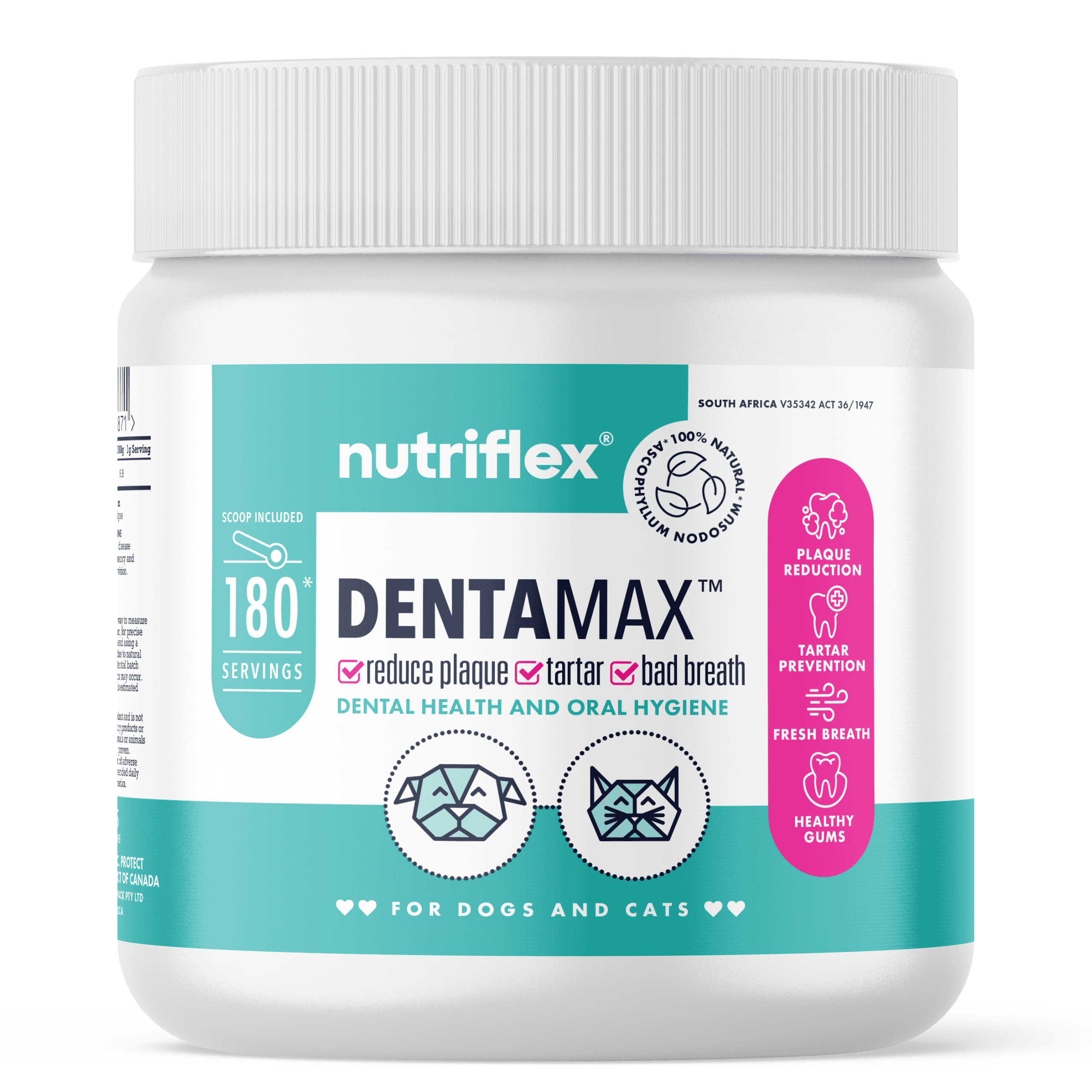
I am Sharon Milani, Co-Founder and Director of NutriFlex® and the developer of DentaMax™, a 100% pure organic Ascophyllum nodosum dental powder formulated specifically for halitosis treatment for dogs and cats in the South African market. My work in evidence-based pet nutrition and systemic plaque reduction has given me a detailed understanding of how oral health connects to whole-body wellbeing in dogs.
Understanding Canine Halitosis and its Causes
To find the right halitosis treatment for dogs, we must first understand that bad breath is a clinical symptom rather than a disease in itself. In the vast majority of cases seen in South African veterinary practices, the odor is caused by the metabolic byproducts of bacteria living in the mouth.
The Plaque and Tartar Pipeline
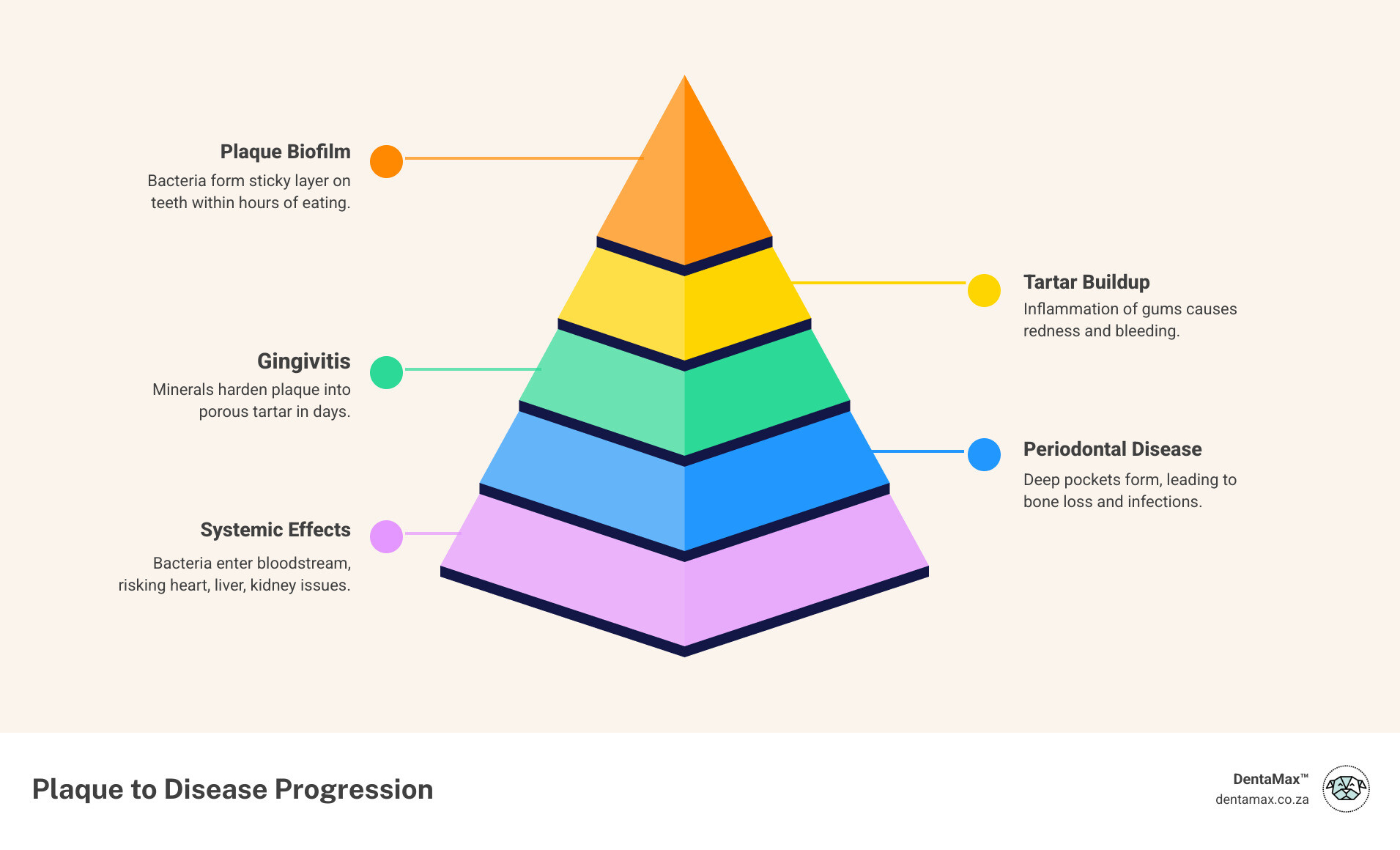
It all begins with plaque. Plaque is a sticky, colorless biofilm of bacteria that forms on the teeth within hours of eating. If this biofilm is not disrupted through mechanical or systemic means, it reacts with minerals in the dog’s saliva to form tartar (calculus). This mineralization can happen in as little as three to five days. Tartar provides a rough surface that allows even more plaque to take hold, eventually leading to gingivitis (inflamed gums) and periodontal disease.
You can learn more about this foundational process in our guide on What is Plaque in Dogs?.
Beyond the Mouth: Systemic Health Links
While dental disease is the primary culprit, we must be aware that breath odor can sometimes signal internal health issues. According to Halitosis in Dogs | VCA Animal Hospitals, specific smells can point to different systemic problems:
- Sweet or Fruity Breath: This can be a sign of diabetes, as the body produces ketones that have a distinct acetone smell.
- Ammonia or Urine-like Breath: This often indicates kidney disease, as the kidneys are unable to filter out waste products properly.
- Foul or Musty Breath: Combined with yellowing of the eyes or gums (jaundice), this may suggest liver disease.
In South Africa, where many toy breeds like Chihuahuas and Yorkies are popular, the risk of early-onset dental issues is particularly high due to crowded teeth in smaller mouths. Furthermore, brachycephalic (flat-faced) breeds are more prone to oral disease because their teeth are often misaligned, creating “pockets” where food and bacteria collect.
Professional Halitosis Treatment for Dogs
When a dog has significant tartar buildup or visible gum inflammation, home remedies alone will not suffice. At this stage, a professional halitosis treatment for dogs performed by a veterinarian is necessary.
The Veterinary Dental Exam
A professional cleaning is a medical procedure that requires general anaesthesia. This is non-negotiable for a thorough cleaning because dogs will not sit still for the subgingival scaling (cleaning under the gum line) where the most damaging bacteria reside.
A standard veterinary dental procedure in South Africa typically involves:
- Full Oral Examination: The vet checks for oral tumours, foreign bodies (like sticks or bone fragments wedged in the teeth) and conformational abnormalities.
- Intraoral X-rays: Since 60% of a dog’s tooth is below the gum line, X-rays are the only way to detect abscesses or bone loss.
- Scaling and Polishing: Ultrasonic tools remove tartar from the crown and under the gums. Polishing smooths the tooth surface to make it harder for plaque to reattach.
- Addressing Periodontal Pockets: If deep pockets have formed between the tooth and the gum, the vet may apply local antibiotics or, in advanced cases, perform an extraction.
The goal of professional cleaning is to eliminate volatile sulfur compounds produced by bacteria and prevent bacteremia—a condition where bacteria from the mouth enter the bloodstream and travel to vital organs. For more technical details on these procedures, you can refer to Veterinary Partner – VIN.
We generally recommend that South African pet owners schedule a veterinary dental check-up at least once a year, though biannual exams are better for high-risk breeds.
Comparing Home-Based Halitosis Treatment for Dogs
Once the vet has provided a “clean slate,” the responsibility shifts to home care. There are two main ways to approach this: mechanical cleaning and systemic support.
| Feature | Daily Brushing | Systemic Dental Powder (e.g. DentaMax™) |
|---|---|---|
| Method | Physical scrubbing of tooth surfaces | Internal absorption and salivary excretion |
| Effort Level | High (requires dog cooperation) | Low (sprinkle on food) |
| Frequency | Ideally daily | Daily |
| Target Area | Visible surfaces of teeth | Entire mouth, including hard-to-reach areas |
| Best For | Removing fresh plaque | Softening tartar and preventing new biofilm |
Mechanical Cleaning: The Gold Standard
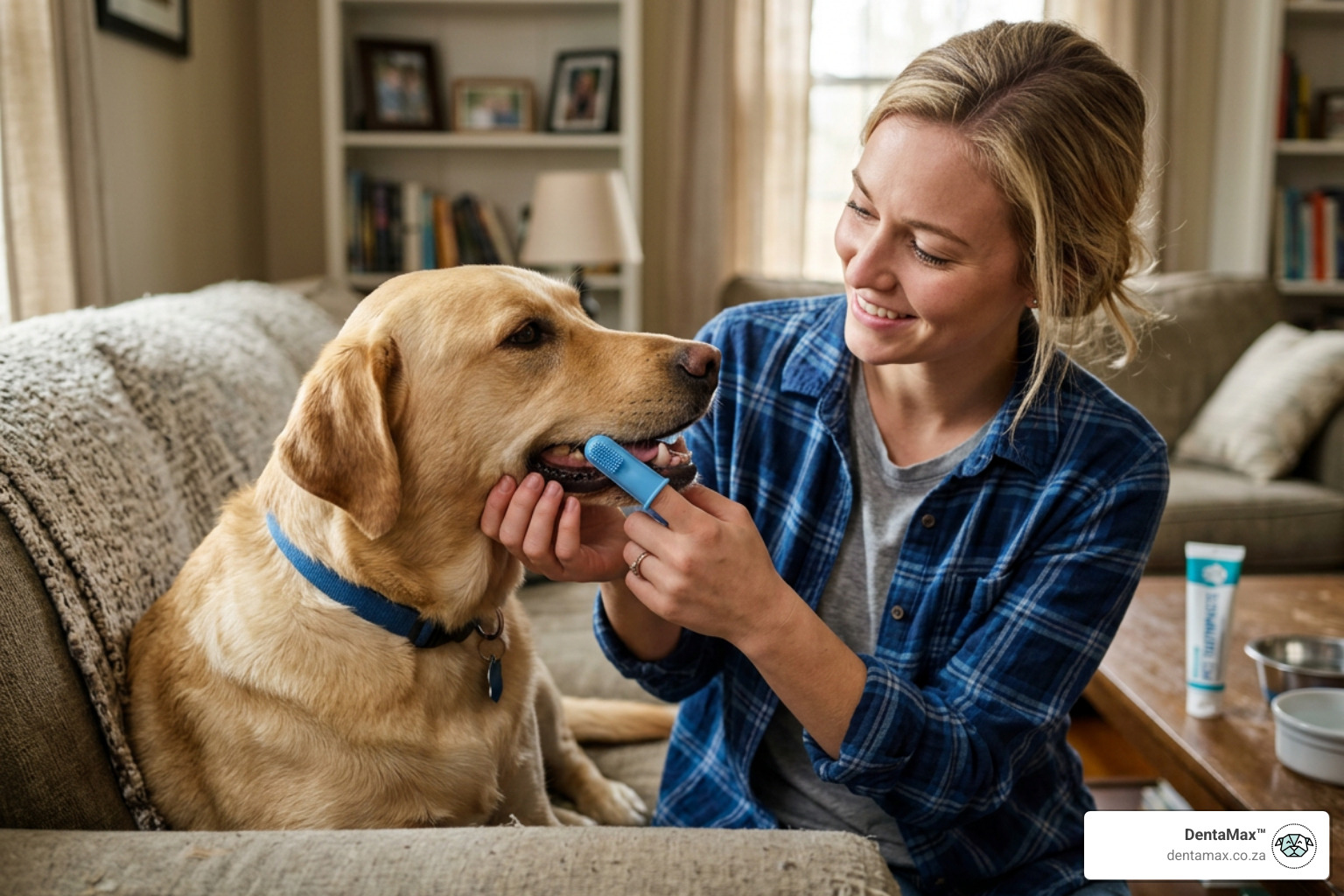
Brushing remains the most effective mechanical halitosis treatment for dogs if done correctly. You must use a specialized pet toothpaste, as human toothpastes contain xylitol (toxic to dogs) and foaming agents that can upset their stomachs.
The challenge for many South African pet owners is that dogs often resist brushing. If your dog is one of them, you might find our explanation of the How Does Dentamax Work? helpful, as it explains how to maintain oral health without the daily struggle of a toothbrush.
Systemic Halitosis Treatment for Dogs
Systemic treatment is a relatively new but scientifically backed frontier in canine oral health. Instead of scrubbing the teeth from the outside, we use specific nutrients that change the chemistry of the dog’s saliva.
The Power of Ascophyllum Nodosum
The primary ingredient used in systemic dental care is Ascophyllum nodosum, a specific type of North Atlantic kelp. When ingested, the active compounds in this seaweed are absorbed into the bloodstream and then excreted through the salivary glands back into the mouth.
This process disrupts the plaque biofilm and prevents it from mineralizing into tartar. Over time, it can even soften existing tartar, making it easier to remove through chewing or light brushing. We provide a deep dive into this ingredient in our article on Ascophyllum Nodosum Dogs.
Key facts about Ascophyllum nodosum as a halitosis treatment for dogs:
- Dosage: Typically around 330mg per 10kg of body weight.
- Iodine Content: Naturally high in iodine, so it should be used with caution or avoided in dogs with thyroid conditions.
- Timeline: Results are not instant. It usually takes 3 to 8 weeks of consistent daily use to see a visible reduction in plaque and a fresher breath.
Natural and Dietary Halitosis Treatment for Dogs
While not a replacement for professional care, certain natural additions can support your dog’s oral hygiene.
Coconut Oil
Coconut oil contains lauric acid, which has significant antimicrobial and antibacterial properties. Some owners use it as a palatable “toothpaste” or add a teaspoon to their dog’s meal. It helps reduce the bacterial load in the mouth that contributes to stinky breath.
Fresh Parsley and Mint
Parsley is rich in chlorophyll, a natural deodorizer. Chopping fresh parsley and adding it to your dog’s food can provide a temporary freshening effect. Similarly, fresh mint can help, though it is a surface-level fix rather than a treatment for underlying disease.
Crunchy Vegetables
Carrots and apple slices (without seeds) act as natural toothbrushes. The mechanical action of chewing these fibrous foods helps scrape away loose plaque. You can explore more about these options in our article Beyond Doggy Breath and the Rise of Natural Dental Care.
Oral Probiotics and Charcoal
- Oral Probiotics: These introduce “good” bacteria to the mouth to outcompete the odor-producing “bad” bacteria.
- Activated Charcoal: Some dental powders incorporate activated charcoal to bind to toxins and odors. We discuss this further in Activated Charcoal Dog Dental Powders.
Prevention and Long-Term Oral Health Strategies
The best halitosis treatment for dogs is prevention. Once you have cleared the initial infection and tartar, maintaining a routine is essential.
Sodium Hexametaphosphate (SHMP)
SHMP is a common ingredient in high-quality dental chews and some water additives. It acts as a “sequestrant,” meaning it binds to the minerals in saliva that would otherwise turn plaque into tartar. This is a highly effective chemical barrier to tartar formation. Learn more at Sodium Hexametaphosphate Dogs.
Managing Breed-Specific Risks
If you own a brachycephalic breed or a toy breed in South Africa, you must be extra vigilant. Because their teeth are crowded, food particles are easily trapped. For these dogs, combining systemic powders with daily dental chews is often the most practical long-term strategy.
Recurrence Prevention
Plaque forms every single day. If you stop your home care routine, the halitosis will likely return within weeks. Consistency is the only way to ensure your dog enjoys a pain-free mouth and fresh breath.
Frequently Asked Questions about Dog Breath
Is bad breath in dogs always a sign of illness?
Not always, but it is rarely “normal.” While a dog’s breath will never smell like roses, it should not be offensive or “rotten.” Persistent bad breath almost always indicates an overgrowth of bacteria, which is the first stage of dental disease.
How often should my dog have a professional dental cleaning?
Most dogs benefit from a professional cleaning once a year. However, small breeds or those prone to rapid tartar buildup may require a visit every six months. Your veterinarian will be able to advise based on your dog’s specific oral health during their annual check-up.
Can I use human toothpaste for my dog?
No. Human toothpaste contains ingredients that are harmful to dogs. Xylitol is a common sweetener in human products that is highly toxic to canines. Additionally, dogs cannot spit, and the foaming agents in human toothpaste can cause gastrointestinal distress if swallowed.
Conclusion
At DentaMax™, we believe that every South African dog deserves a healthy mouth and a long, happy life. By understanding the science of systemic dental care and the role of ingredients like Ascophyllum nodosum, you can take control of your pet’s oral health before it leads to serious systemic issues.
Whether you choose daily brushing, professional veterinary intervention or the convenience of a systemic dental powder, the most important step is to start today. For more information on evidence-based dental support, visit our main page on Dog & Cat Dental Powder South Africa.