Why Natural Pet Oral Health Deserves Your Attention Year-Round
Natural pet oral health is one of the most overlooked areas of preventative care for dogs and cats in South Africa — yet the numbers tell a sobering story.
Quick answer: Best natural options for pet oral health
| Approach | How it works | Best for |
|---|---|---|
| Ascophyllum nodosum powder | Works systemically via saliva to disrupt plaque biofilm | Daily no-brush support for dogs and cats |
| Dental chews | Mechanical abrasion reduces plaque and calculus | Dogs that enjoy chewing |
| Natural dental wipes | Manual plaque removal from tooth surfaces | Pets that resist brushing |
| Water additives | Continuous low-level antibacterial action | Multi-pet households |
| Finger brushing with natural powder | Direct mechanical and antimicrobial action | Owners building a daily routine |
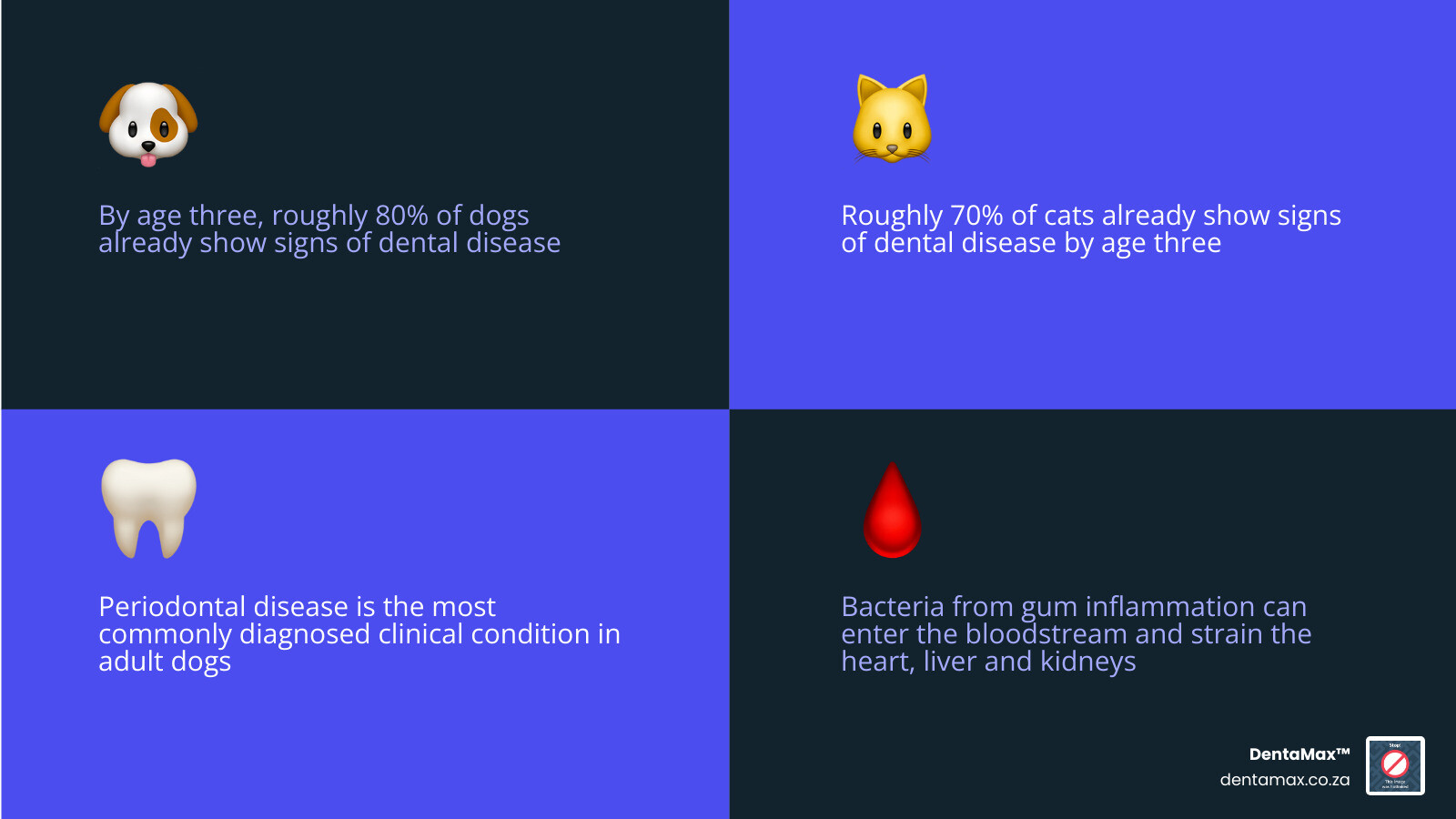
By age three, roughly 80% of dogs and 70% of cats already show signs of dental disease. Periodontal disease is the most commonly diagnosed clinical condition in adult dogs, affecting between 75% and 85% of dogs over three years of age. Left unaddressed, the same bacteria driving gum inflammation can enter the bloodstream and place strain on the heart, liver and kidneys.
The good news is that consistent daily care — even simple, natural approaches used at home — can significantly slow this progression. South African pet owners are increasingly looking for solutions that are safe, ingredient-transparent and practical enough to use every day without a struggle.
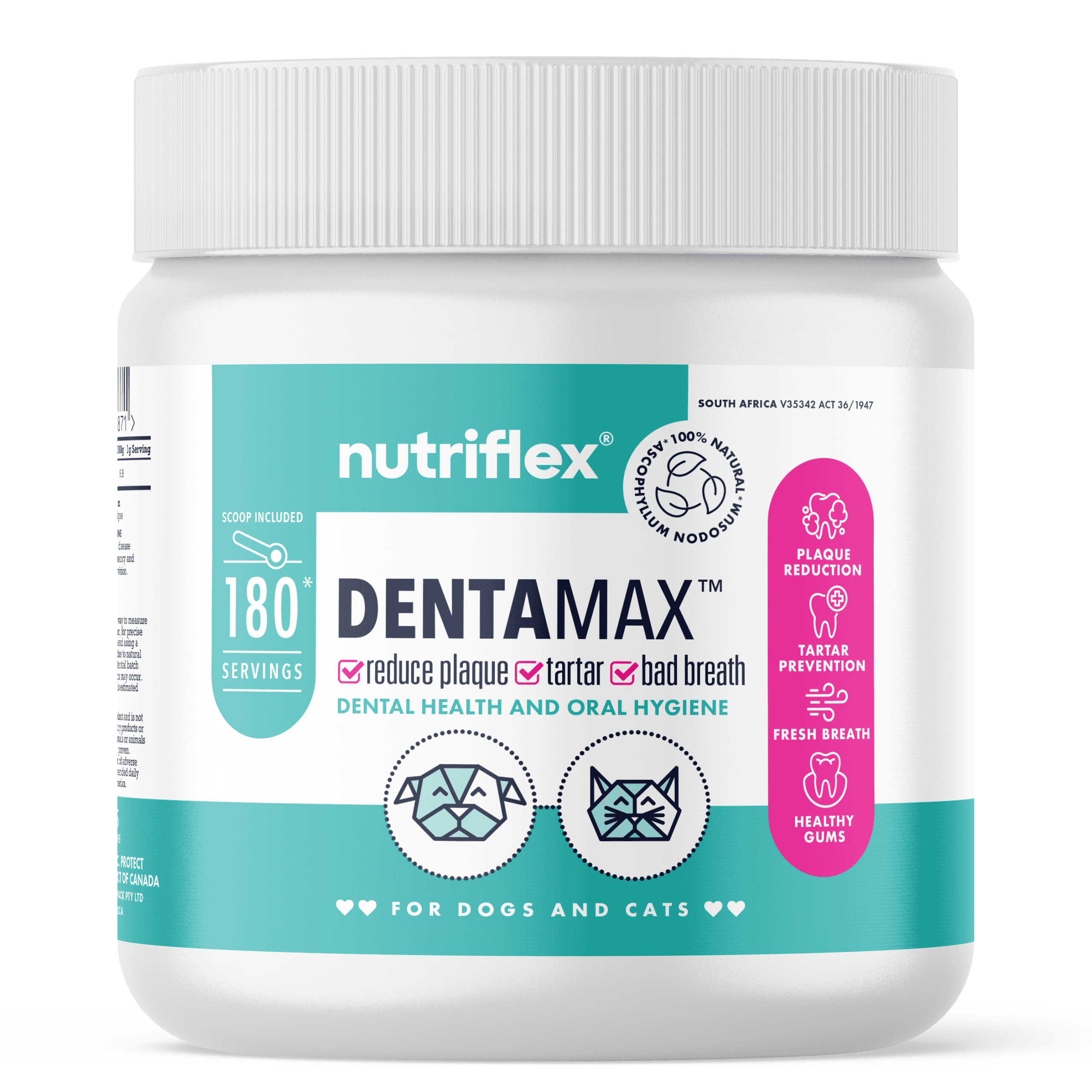
I’m Sharon Milani, co-founder of NutriFlex® and the formulator behind DentaMax™, a 100% organic Ascophyllum nodosum dental powder developed specifically to support natural pet oral health through evidence-aligned systemic supplementation. My work over the past decade has focused on preventative oral health strategies for dogs and cats, with a particular interest in how wild-harvested seaweed interacts with the salivary pathway to reduce plaque and tartar at the source. In this guide, I’ll walk you through the most effective natural options available, what the research actually supports and how to build a routine that works for your pet.
Simple guide to natural pet oral health:
- cat plaque control natural
- how to clean dog teeth without brushing
- natural ways to keep dogs teeth clean
The Science of Biofilm and Periodontal Disease
To understand why natural pet oral health is so critical, we must first look at the invisible battle happening inside your pet’s mouth. It all starts with plaque, a sticky biofilm composed of bacteria, saliva and food particles. Plaque begins forming within hours after a meal. If it is not disrupted through mechanical or systemic means, it mineralises into tartar (also known as calculus) within 24 to 48 hours.
Once tartar forms, it provides a rough surface that attracts even more plaque. This cycle leads to gingivitis, the first stage of periodontal disease. While gingivitis is reversible with proper care, it quickly progresses to periodontitis, where the structures supporting the teeth are destroyed. This stage is irreversible and often leads to tooth loss and chronic pain.
Why Dental Health Matters for Dogs and Cats explains that oral health is not just about a pretty smile. It is about preventing the cascade of inflammation that begins in the mouth but ends elsewhere in the body. Beyond Doggy Breath and the Rise of Natural Dental Care highlights that many South African pet owners are moving away from chemical-heavy treatments in favour of biological approaches that work with the pet’s natural defences.
Why Natural Pet Oral Health Matters for Systemic Wellness
The mouth is the gateway to the rest of the body. When gums are inflamed (gingivitis), the delicate blood vessels in the oral cavity become more permeable. This allows oral bacteria to enter the bloodstream, a process known as bacteraemia.
Once these bacteria are circulating, they can colonise distant organs. Research has shown a strong correlation between severe periodontal disease and damage to the heart valves, liver and kidneys. The immune system is also placed under constant stress as it tries to fight a chronic infection in the mouth. For senior pets in Cape Town or Johannesburg, managing this inflammatory load is a key part of longevity. By prioritising natural pet oral health, we are effectively protecting their vital organs from long-term bacterial assault.
According to Scientific research on periodontal disease prevalence, the sheer scale of the problem means that preventative care should start as early as six months of age. Waiting until you see heavy tartar or smell foul breath often means the disease has already reached a stage where professional intervention is the only option.
Systemic Plaque Control with Ascophyllum Nodosum
One of the most exciting developments in natural pet oral health is the use of North Atlantic wild-harvested Ascophyllum nodosum. This specific species of brown seaweed contains unique bioactive compounds that are absorbed into the bloodstream after ingestion.
These compounds are then excreted through the salivary glands back into the mouth. This creates a systemic effect where the saliva itself begins to disrupt the plaque biofilm. It works by preventing plaque from sticking to the tooth surface and, perhaps most impressively, by softening existing tartar. Over three to eight weeks of consistent use, owners often notice that hard tartar becomes brittle and can be easily scraped away or removed through normal chewing.
The Magic of Daily Kelp Oral Supplements for Pets explores how this “inside-out” approach provides 24-hour protection, even in areas that a toothbrush might miss. For pets that absolutely refuse manual brushing, Dental Health & Oral Hygiene | For Dogs And Cats | NutriFlex offers a high-purity source of this seaweed that is sustainably harvested from the cold, nutrient-rich waters of the North Atlantic.
Selecting the Best Natural Pet Oral Health Products
When shopping for natural pet oral health solutions in South Africa, it is important to look beyond marketing claims. Not all seaweed or kelp products are created equal. High-quality supplements should offer:
- Iodine Transparency: Seaweed is naturally high in iodine. While this is beneficial for many pets, it must be carefully monitored for those with thyroid conditions.
- Clinical Efficacy: Look for products that reference published studies. For instance, Ascophyllum nodosum has been shown in various trials to reduce plaque and calculus scores significantly.
- Purity: Ensure the product is organic and free from fillers, artificial flavours or chemical tartar binders like sodium hexametaphosphate.
- VOHC Acceptance: The Veterinary Oral Health Council (VOHC) seal indicates that a product has met rigorous standards for reducing plaque or tartar.
Natural Tartar Buildup Reducers That Actually Work provides a framework for comparing these products, helping you choose a solution that fits your pet’s specific needs and your lifestyle.
Building a Natural Pet Oral Health Routine in South Africa
A successful routine often involves a “multi-modal” approach. This means combining different methods to tackle plaque from multiple angles. For a pet in Muizenberg or Durban, a typical daily routine might look like this:
- Morning: Add a measured dose of Ascophyllum nodosum powder to their breakfast. This initiates the systemic salivary disruption.
- Afternoon: Provide a natural dental chew or a safe raw bone (always supervised) to provide mechanical abrasion.
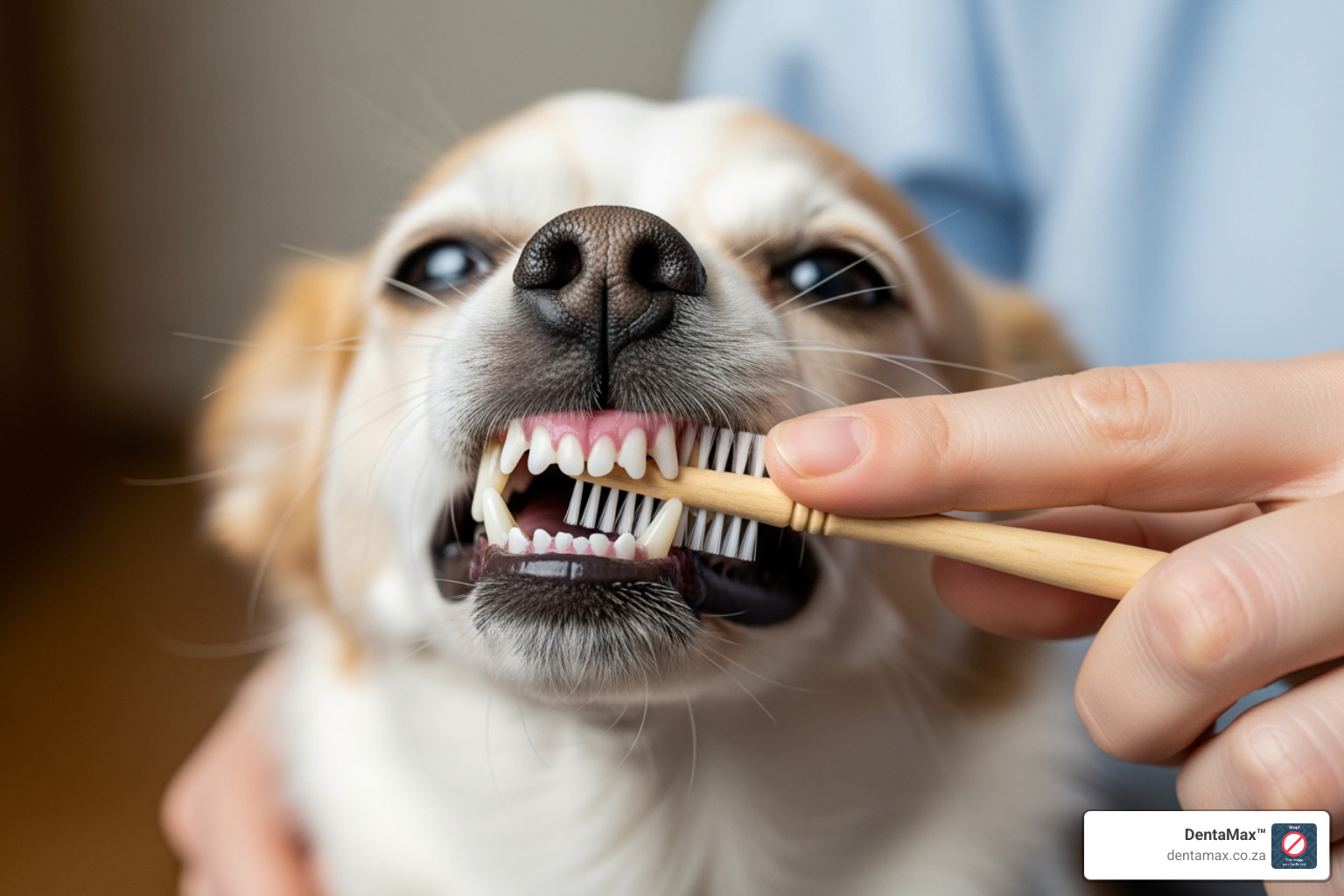
- Evening: If your pet tolerates it, a quick wipe with a natural dental wipe or a 30-second brush with a finger brush and a natural powder.
How to Improve Dog Dental Health Naturally suggests that consistency is more important than perfection. Brushing three times a week is significantly better than not brushing at all. If your pet has particularly “foul” breath, Natural Remedies to Turn Your Dog’s Breath from Foul to Fresh recommends incorporating herbs like parsley or peppermint, which offer immediate deodorising effects while the systemic supplements work on the root cause.
Tailored Solutions for Feline Dental Challenges
Cats present unique challenges when it comes to natural pet oral health. They are notorious for hiding pain and are often less cooperative with brushing than dogs. Furthermore, cats are prone to specific conditions like tooth resorption, where the body begins breaking down the tooth structure from the inside out. This affects an estimated 20% to 75% of cats and is extremely painful.
For our feline friends, we recommend:
- Tasteless Powders: Seaweed powders are often better accepted by cats when mixed into wet food.
- Dental Gels: Some natural gels can be applied to the paws; as the cat licks it off, the ingredients are distributed throughout the mouth.
- Regular Inspections: Check for “chattering” or dropping food, which are signs of oral pain.
How to Manage Cat Plaque Naturally and Dog or Cat Natural Dental & Oral Care Supplements offer deeper insights into managing these species-specific hurdles.
Comparing Mechanical Chews and Natural Dental Wipes
Many owners ask whether a chew is enough to maintain natural pet oral health. While chews are excellent for mechanical cleaning, they have limitations. Most dogs chew primarily with their back premolars and molars, meaning the front incisors and canines often receive very little cleaning action.
A study on novel dental chews published in the Journal of Animal Science (2020) found that daily chews reduced plaque coverage by approximately 12% to 13% and calculus by up to 37% compared to a control group. While these results are positive, they show that chews are best used as an adjunct to other care.
| Method | Plaque Reduction | Pros | Cons |
|---|---|---|---|
| Systemic Powder | High (Systemic) | Easy to use, reaches all teeth | Takes 3-8 weeks for visible results |
| Mechanical Chews | Moderate (Localised) | Dogs love them, reduces halitosis | High calorie, limited reach |
| Natural Wipes | Moderate (Surface) | Good for sensitive gums | Requires pet cooperation |
| Daily Brushing | Very High | Gold standard for biofilm removal | Difficult for many owners to maintain |
Scientific research on dental chew efficacy confirms that combining these methods yields the best results. For example, using a systemic powder to soften tartar makes the mechanical action of a chew much more effective at “snapping” the tartar off the tooth.
Professional Veterinary Care and Scaling
Even with the best natural pet oral health routine, some pets will still require professional care. This is especially true for pets that were adopted as adults with pre-existing dental disease.
A professional veterinary dental cleaning involves:
- Full Examination: Checking for pockets, loose teeth and oral tumours.
- Dental X-rays: Essential for seeing what is happening below the gum line (where 60% of dental disease hides).
- Ultrasonic Scaling: Removing tartar from above and below the gum line.
- Polishing: Smoothing the tooth surface to make it harder for plaque to reattach.
In South Africa, this process is performed under general anaesthesia to ensure the pet’s safety and to allow for a thorough cleaning without stress. Holistic Pet Dental emphasises that while we aim to minimise the frequency of these procedures through home care, they remain a vital part of a comprehensive health plan.
Frequently Asked Questions about Natural Pet Oral Health
What are the first signs of dental disease in pets?
The most common sign is halitosis (bad breath). Other indicators include red or bleeding gums, yellow-brown tartar buildup near the gum line, favouring one side of the mouth while eating or a sudden lack of interest in chew toys. Early detection is vital because gingivitis is reversible, but bone loss is not.
Is kelp safe for dogs with thyroid issues?
Kelp and other seaweeds like Ascophyllum nodosum are naturally high in iodine. For most pets, this supports healthy thyroid function. However, if your pet has been diagnosed with hyperthyroidism or hypothyroidism, you must consult your veterinarian before adding a seaweed supplement to their diet. We always recommend starting with a small dose to monitor for any sensitivities.
How often should I use natural dental wipes on my cat?
Ideally, you should aim for daily use. However, even using wipes three times a week can significantly reduce the rate of plaque accumulation. For cats, it is best to start by letting them lick a little liquid from the wipe to get used to the taste before attempting to wipe the teeth.
Conclusion
At DentaMax™, our mission is to provide South African pet owners with the evidence-based education they need to make informed decisions about natural pet oral health. By understanding the science of biofilm and the power of systemic supplementation with Ascophyllum nodosum, you can take proactive steps to protect your pet’s smile and their systemic wellness.
Whether you are in Cape Town, Johannesburg or Durban, the key to success is starting today. A combination of systemic support, mechanical cleaning and regular veterinary checkups is the most effective way to ensure your pet remains healthy, happy and free from oral pain for years to come.
Explore our full range of dog and cat dental care solutions and start your pet on the path to better health today.