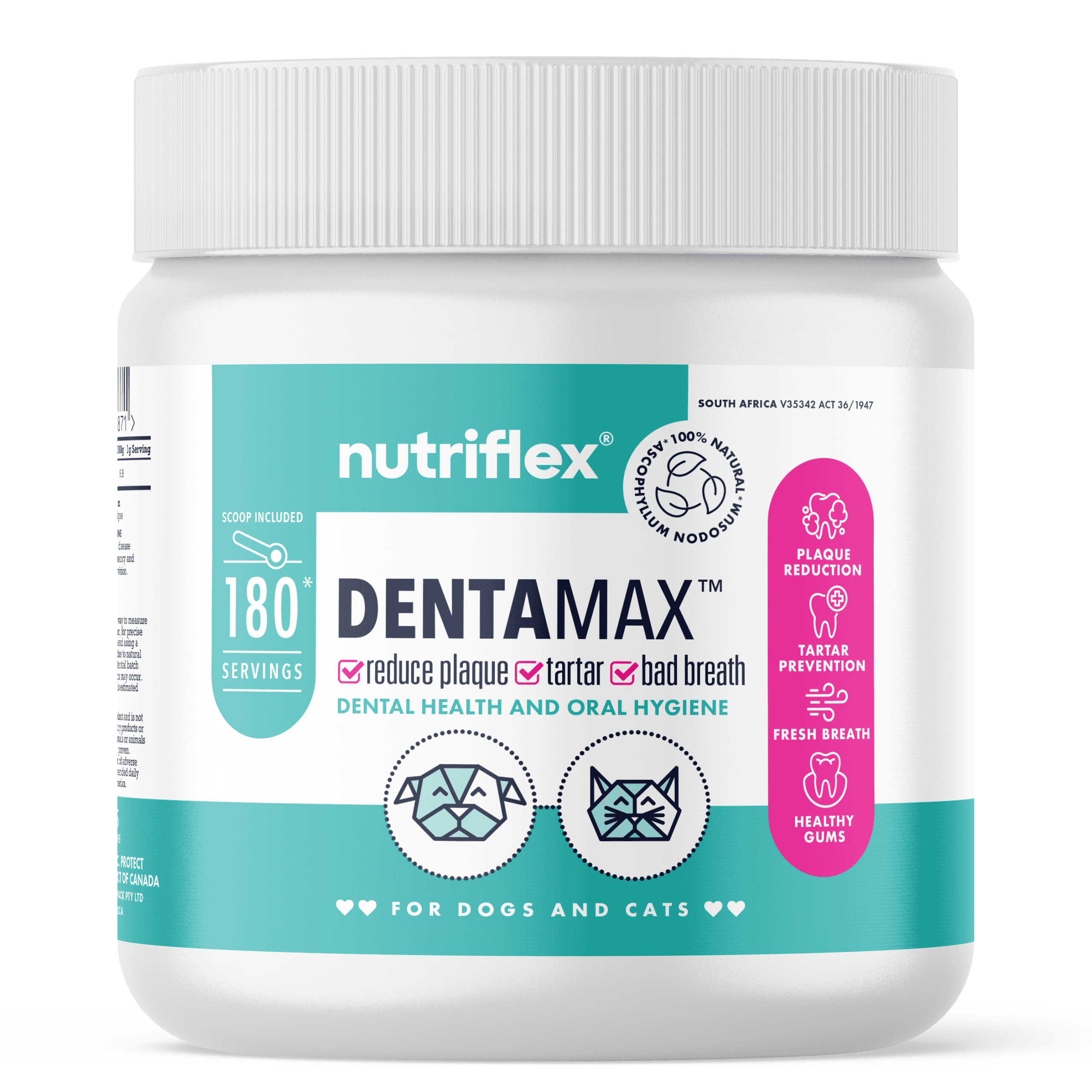
Why Plaque and Tartar Are Bigger Problems Than Most Pet Owners Realise
Kelp for pet tartar is one of the most well-researched natural approaches to managing plaque and calculus in dogs and cats. If you are looking for a quick answer, here is what the evidence shows:
- Best kelp type for pet dental health: Ascophyllum nodosum, a brown seaweed harvested from cold North Atlantic waters
- How it works: Active compounds are absorbed into the bloodstream and excreted through saliva, where they disrupt plaque biofilms and inhibit harmful oral bacteria
- Proven results: Clinical trials show up to 46% reduction in plaque and 35% reduction in calculus after 90 days of daily use
- Best delivery form: Powder provides the strongest preventative action, followed by dental bites and supplemented dry food
- Time to see results: Most pet owners notice improvement within 3 to 8 weeks of consistent daily use
- Key safety note: Not suitable for dogs or cats with thyroid conditions due to natural iodine content
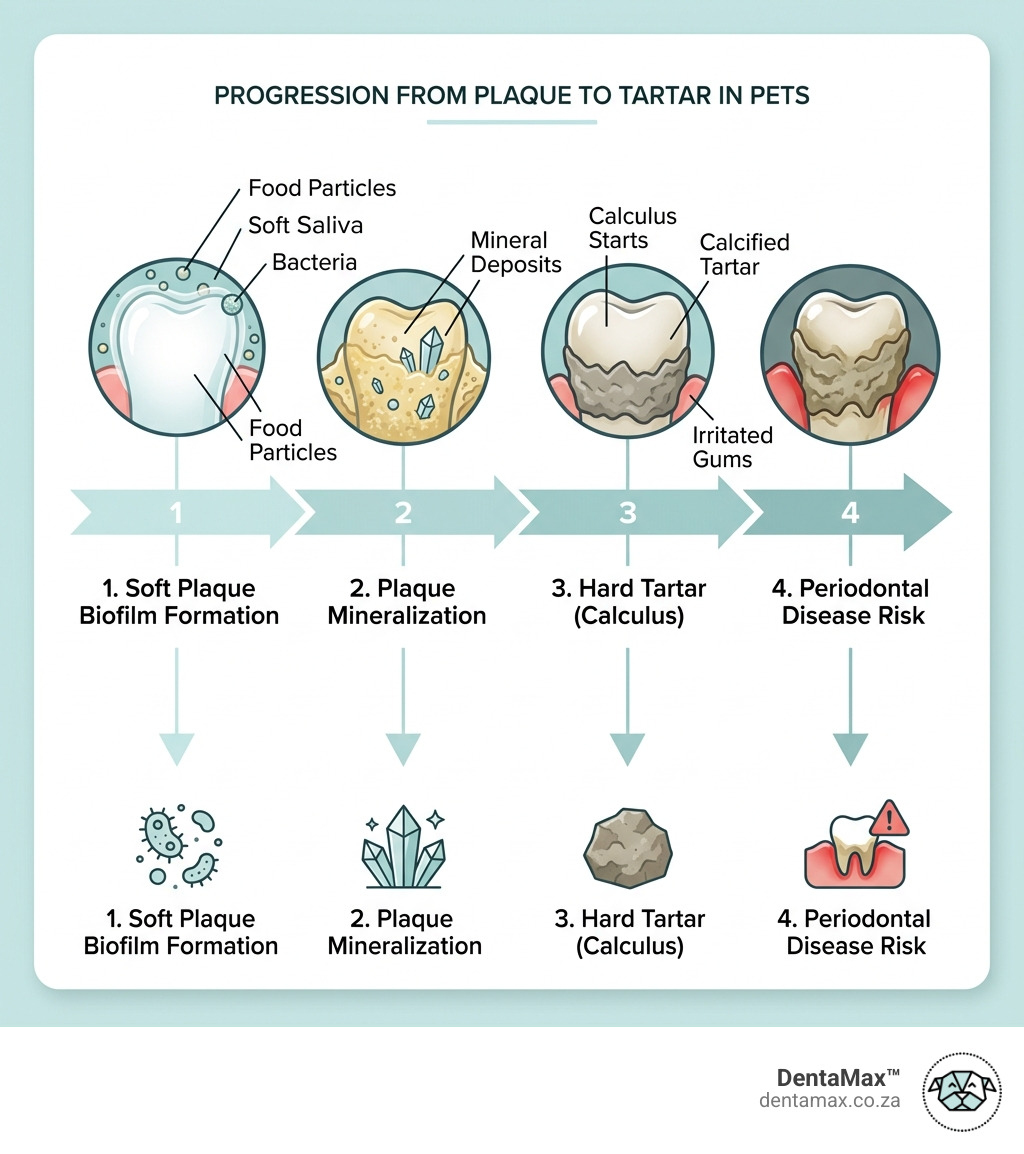
By the age of three, most dogs show some degree of dental disease. Yet daily tooth brushing remains impractical for the majority of South African pet owners. Plaque forms continuously as a soft bacterial biofilm on tooth surfaces. Left unmanaged, it mineralises into calcified tartar (calculus) within days, creating a surface that traps more bacteria, causes gum inflammation and, over time, drives the progression of periodontal disease.
The consequences extend beyond bad breath. Advanced periodontal disease is linked to systemic health complications and is frequently painful and costly to treat by the time it is diagnosed. This makes passive, daily preventative care one of the most important things a pet owner can do.
Kelp supplementation, specifically Ascophyllum nodosum, offers a practical, evidence-backed option for daily oral support without requiring brushing. It works from the inside out, making it accessible for even the most uncooperative pets.
I am Sharon Milani, Co-Founder and Director of NutriFlex® and the developer of DentaMax™, a 100% pure organic Ascophyllum nodosum dental powder formulated specifically for the South African market. My work in evidence-based pet nutrition, including the systemic mechanisms behind kelp for pet tartar reduction, has been informed by published clinical research and collaboration with veterinary and nutritional professionals. In the sections that follow, we break down the science, safety standards and product options that matter most when choosing a kelp-based dental supplement for your dog or cat.
Understanding Kelp for Pet Tartar and Oral Biofilms
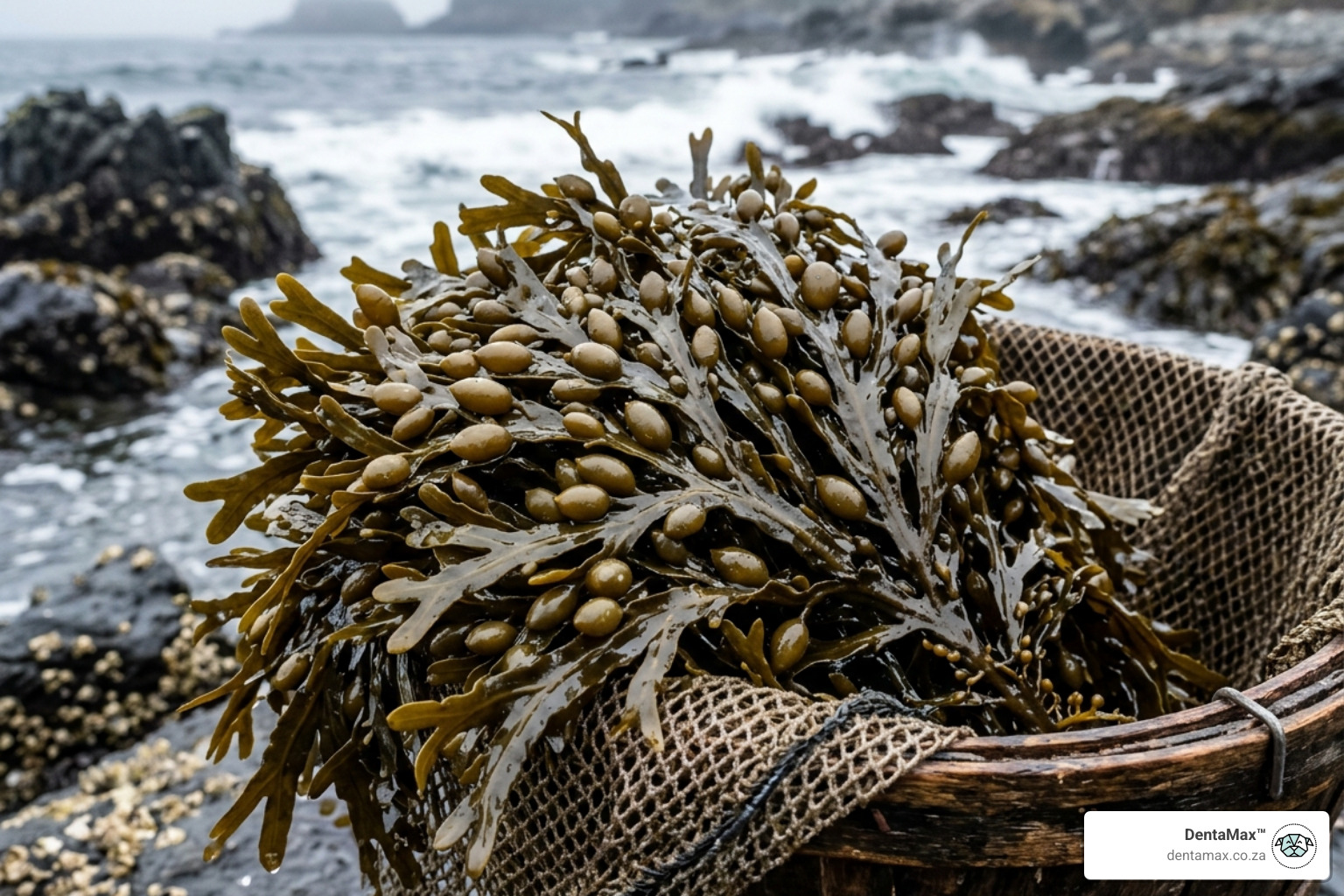
When we discuss kelp for pet tartar, we are specifically referencing a group of brown seaweeds known for their dense nutritional profiles. However, not all seaweeds are created equal. The most potent variety for oral health is Ascophyllum nodosum, a species that thrives in the harsh, cold waters of the North Atlantic.
Unlike traditional dental chews that rely solely on mechanical scraping, this seaweed works through systemic pathways. When a pet ingests the powder, bioactive compounds such as alginates and complex polysaccharides are absorbed into the bloodstream. These compounds are later excreted through the salivary glands back into the mouth. This unique delivery method ensures that the active ingredients reach every corner of the oral cavity, including deep gum pockets and the back molars that brushing often misses.
According to The Science Of Ascophyllum Nodosum, this seaweed disrupts the bacterial biofilm that forms on teeth. By altering the environment of the mouth, it makes it difficult for plaque-forming bacteria to adhere to the tooth surface. You can learn more about this biological process in our guide on How Marine Algae Affects Plaque Bacteria.
The Role of Ascophyllum Nodosum
The primary mechanism of Ascophyllum nodosum is its systemic action. Once excreted in the saliva, it triggers enzymatic reactions that soften existing tartar and prevent new plaque from sticking. This is a “passive” form of home care, meaning the pet does not need to chew a specific way or tolerate a toothbrush for the supplement to be effective.
Furthermore, the seaweed contains protective alginates that form a thin, invisible film over the teeth and gums. This film acts as a barrier against the bacteria Porphyromonas gingivalis, which is a leading cause of periodontal disease in both dogs and cats. Scientific research on seaweed benefits highlights how these natural properties provide a multi-layered defence against oral decay.
Comparing Kelp Species for Dental Health
While Ascophyllum nodosum is the gold standard, other species like Laminaria digitata are also used in some formulations. Laminaria digitata is rich in minerals such as potassium, calcium and magnesium, which support overall bone and tooth health. However, for the specific goal of reducing plaque and tartar, Ascophyllum nodosum remains the most clinically studied.
For South African pet owners, transparency regarding iodine levels and sustainable harvesting is vital. High-quality supplements ensure that the kelp is sourced from clean waters, free from heavy metal contamination, and harvested in a way that preserves the delicate marine ecosystem.
Clinical Evidence and Systemic Dental Science
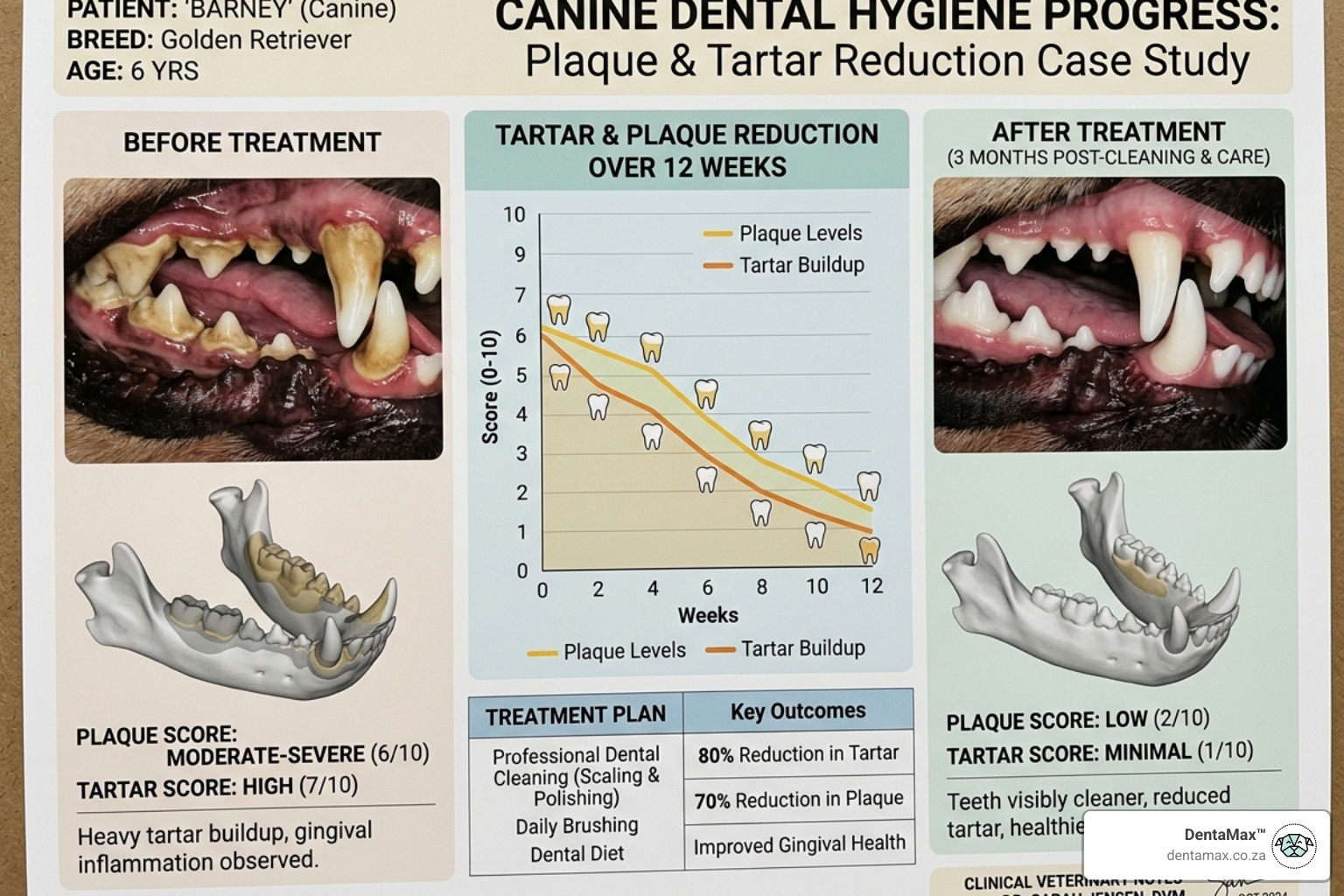
The effectiveness of kelp for pet tartar is not merely anecdotal. Rigorous clinical trials have validated its use. In one notable 90 day double-blind, placebo-controlled study, dogs receiving edible treats containing Ascophyllum nodosum showed a 46% reduction in plaque index and a 35% reduction in calculus (tartar) index compared to the control group.
These results are significant because they demonstrate that the seaweed can actually prevent the mineralisation of plaque into hard tartar. This evidence aligns with Veterinary Oral Health Council (VOHC) standards, which many kelp-based products now strive to meet. For more detailed data, you can view the Scientific research on plaque reduction.
Metabolomic Changes in Saliva
One of the most fascinating aspects of systemic dental science is how kelp changes the metabolomic composition of a pet’s saliva. Studies have shown that regular supplementation alters the chemicals present in the mouth, making the environment hostile to harmful bacteria.
By inhibiting Porphyromonas gingivalis, the seaweed helps maintain a healthy oral microbiome. This passive home care is especially beneficial for senior pets or those with sensitive mouths who cannot tolerate professional cleanings under anaesthesia as frequently.
Powder vs Dental Bites and Treats
The form in which you administer kelp matters. Research indicates that the strongest preventative action is observed with powder formulations, followed by dental bites and then dry pet food.
Powder allows for a higher concentration of the active seaweed to be mixed directly into the pet’s meal, ensuring consistent daily ingestion. While dental bites offer some mechanical friction, the systemic effect of the powder is generally more reliable for long-term tartar control. We explore this comparison further in our article on Why Seaweed Powder Is The Ultimate Natural Dog Dental Solution.
Administration Guidelines and Safety Standards
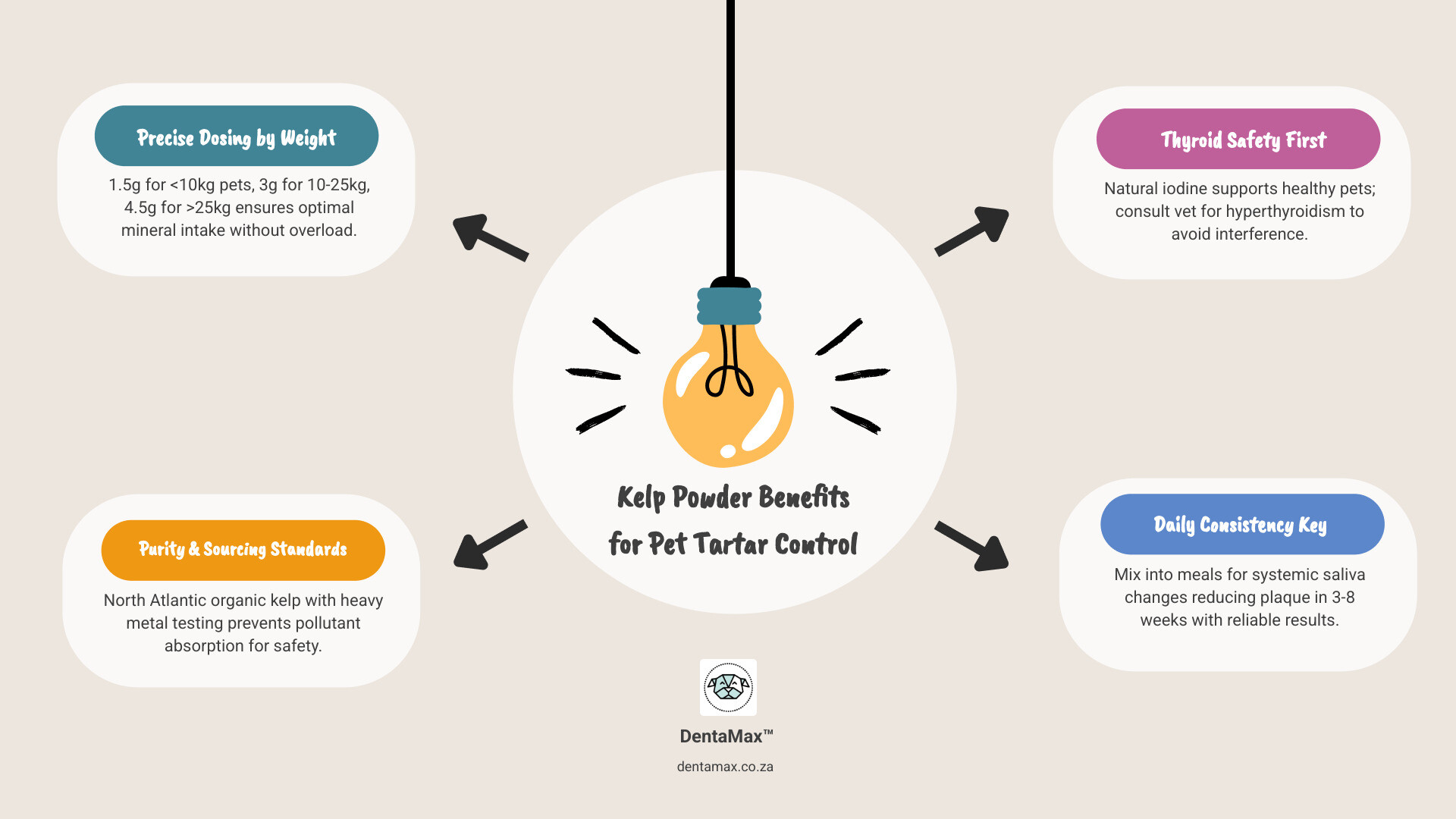
To achieve the best results with kelp for pet tartar, correct dosing is essential. Because kelp is a concentrated source of minerals, it should be administered based on the pet’s body weight.
The following table provides a general guideline for daily supplementation using a standard organic kelp powder:
| Pet Weight (kg) | Daily Dosage (grams) | Supply Duration (60g bottle) |
|---|---|---|
| Small Dogs/Cats (<10kg) | 1.5g | 40 days |
| Medium Dogs (10kg to 25kg) | 3.0g | 20 days |
| Large Dogs (>25kg) | 4.5g | 13 days |
Note: Always use the measuring device provided with your specific product, as density can vary between brands.
For a more comprehensive look at dosing for various breeds, see our Best Kelp Powder For Dogs Az Guide.
Sourcing and Purity in South Africa
In the South African market, it is crucial to choose a product that undergoes rigorous heavy metal testing. Seaweed is a natural filter of the ocean and can absorb pollutants if harvested from contaminated areas. We recommend looking for organic certification and ensuring the kelp is sourced from the North Atlantic, where the water is cleanest and the bioactive compounds are most concentrated.
Thyroid Health and Iodine Management
The most important safety consideration when using kelp for pet tartar is iodine content. Kelp is naturally high in iodine, which is essential for healthy thyroid function. However, if a pet already has an overactive thyroid (hyperthyroidism) or is on thyroid medication, the additional iodine could interfere with their treatment.
We always advise a veterinary consultation before starting kelp for pets with known metabolic issues. For healthy pets, sticking to the recommended dosage ensures they receive the dental benefits without the risk of iodine overload.
Frequently Asked Questions about Kelp for Pet Tartar
How long does it take to see results from kelp for pet tartar?
Visible improvement in a pet’s breath is often noticed within the first 2 to 3 weeks. For the actual reduction of plaque and the softening of existing tartar, a timeline of 3 to 8 weeks is more realistic. Consistency is the key; the systemic effect requires a daily build-up of the seaweed’s active compounds in the saliva. If you stop administration, the benefits will gradually fade as the saliva returns to its previous composition.
Is kelp for pet tartar safe for cats and dogs with thyroid issues?
As mentioned, pets with pre-existing thyroid conditions should generally avoid kelp supplements unless specifically directed by a vet. For the vast majority of healthy dogs and cats, the natural iodine levels in Ascophyllum nodosum are safe and actually contribute to better skin, coat and metabolic health.
Can kelp replace professional veterinary cleanings?
Kelp is a powerful preventative tool, but it is not a “cure-all” for advanced periodontal disease. If a dog has severely calcified tartar and inflamed gums, they may still require a professional prophylactic cleaning to reset their oral health. Kelp is most effective when used post-prophylaxis to reduce the recurrence of plaque or as a daily preventative from a young age. It works best as part of a comprehensive routine that may also include mechanical brushing and healthy chews.
Conclusion
At DentaMax™, we are committed to being the leading educational authority on pet oral health in South Africa. Our focus on evidence-based supplementation, particularly the use of North Atlantic Ascophyllum nodosum, provides pet owners with a scientifically backed alternative to the daily struggle of tooth brushing.
By incorporating a high-quality kelp supplement into your pet’s diet, you are investing in their long-term health and comfort. Reducing tartar is not just about a prettier smile; it is about preventing the systemic inflammation and pain associated with dental disease.
For more insights into how you can support your pet’s oral hygiene, explore our resources on The Magic Of Daily Kelp Oral Supplements For Pets or find More info about dog and cat dental powder South Africa. Together, we can make bad breath and tartar a thing of the past for South African pets.