Understanding Apple Cider Vinegar for Dogs
Apple cider vinegar dogs is one of the most searched natural remedy topics among South African pet owners right now, and it is easy to understand why. A bottle of raw ACV costs very little, it sits in most kitchen cupboards and the claims surrounding it are bold: clearer skin, better digestion, fewer fleas and fresher breath.
But how much of that is backed by evidence, and how much is internet folklore?
Here is a quick summary of what the research actually shows:
| Question | Short Answer |
|---|---|
| Is ACV safe for dogs? | Yes, when diluted, in healthy adult dogs |
| Does it help itchy skin? | Possibly, as a topical rinse on intact skin only |
| Does it kill fleas? | No, it may repel them but does not kill them |
| Can it support digestion? | Anecdotal support; limited canine clinical evidence |
| Is it safe for a dog’s teeth? | No, undiluted ACV erodes tooth enamel |
| Which dogs must avoid it? | Dogs with kidney disease, ulcers or puppies |
| Should it replace veterinary care? | Never |
This guide covers the real benefits, the genuine risks, the correct dilution ratios and why ACV is not the right tool for every job, particularly when it comes to your dog’s oral health.
I am Sharon Milani, Co-Founder and Director of NutriFlex® and the formulator behind DentaMax™, a 100% pure organic Ascophyllum nodosum dental powder developed to support systemic plaque and tartar reduction in dogs. My work in evidence-based pet nutrition gives me a grounded perspective on where apple cider vinegar dogs remedies have genuine merit and where safer, better-researched alternatives exist. Read on for the full picture.
Terms related to apple cider vinegar dogs:
Apple cider vinegar is fundamentally fermented apple juice. The production process involves two distinct stages. First, yeast is added to crushed apples to ferment the sugars into alcohol. Second, specific bacteria are introduced to convert that alcohol into acetic acid, which is the primary active component in vinegar.
While white vinegar is highly acidic with a pH of approximately 2.4, apple cider vinegar is notably milder. Its pH typically ranges between 4.25 and 5. This difference is crucial for South African pet owners because high acidity can irritate a dog’s sensitive mucous membranes. ACV also contains malic acid and trace amounts of minerals like potassium. According to Can Dogs Eat Apple Cider Vinegar & Other Vinegars?, not all vinegars are created equal, and ACV is generally the preferred choice for canine applications due to its unique nutritional profile.
The Importance of The Mother
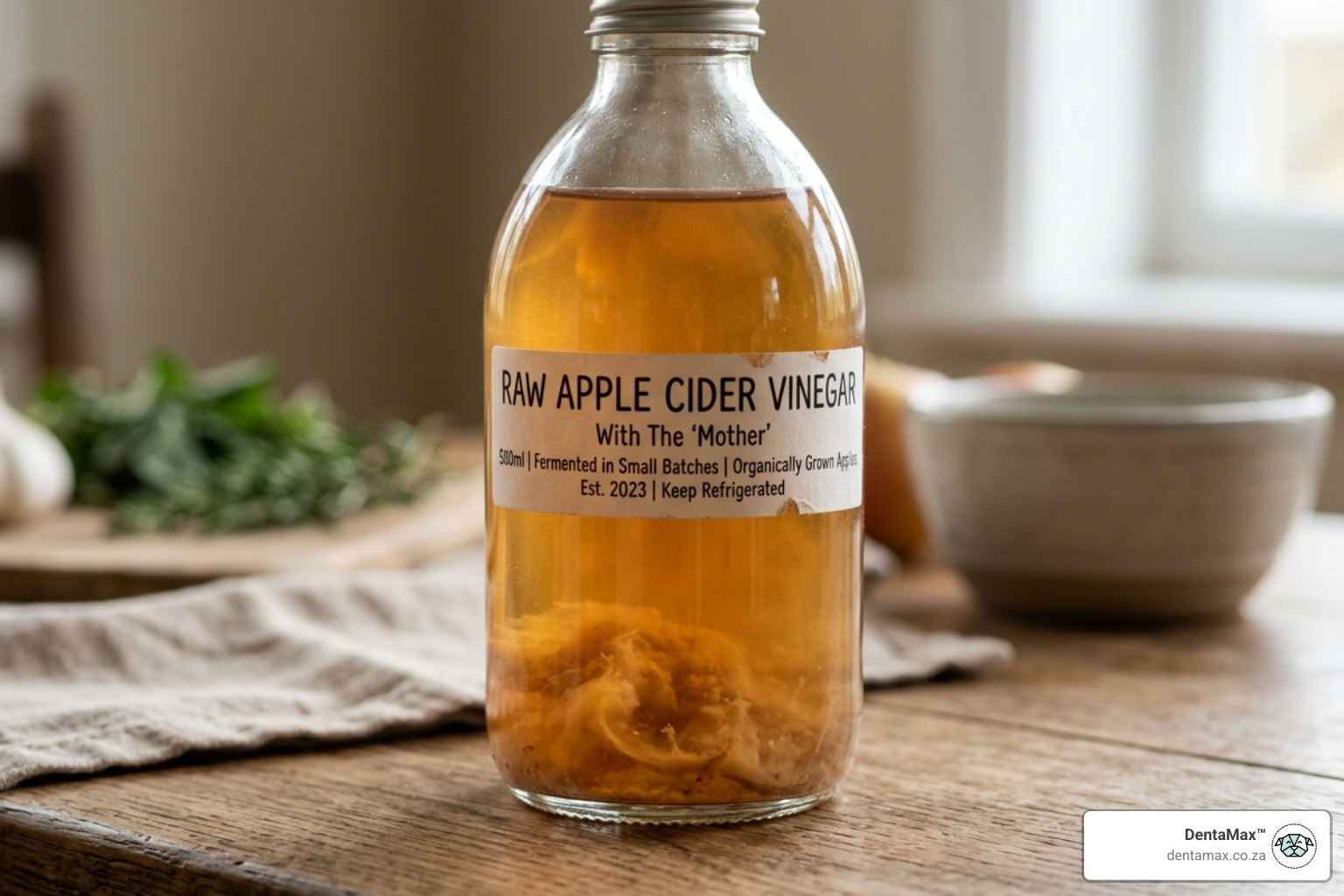
If you have ever looked at a bottle of raw, organic ACV and noticed a cloudy, cobweb-like substance at the bottom, you have seen “the mother”. This sediment is a colony of beneficial bacteria, proteins and enzymes.
The mother is what provides the prebiotic and probiotic benefits often associated with apple cider vinegar dogs remedies. It contains organic acids and bioactive compounds that support the gut microbiome. When nearly 90% of a dog’s immune system is located in the gut, maintaining a healthy bacterial balance is essential. Filtered or pasteurised vinegars have had this “mother” removed through heat or filtration, which strips away the very enzymes that make ACV a functional supplement.
Comparing pH Levels in Household Vinegars
Understanding the acidity of what we give our pets is vital for safety. Dogs have a different skin and stomach pH than humans, and introducing substances that are too acidic can cause metabolic issues.
| Vinegar Type | Typical pH Level | Canine Safety Profile |
|---|---|---|
| White Distilled Vinegar | 2.4 | High acidity; best for cleaning, not consumption |
| Apple Cider Vinegar | 4.25 to 5 | Moderately acidic; safe when diluted |
| Balsamic Vinegar | 3.0 to 3.5 | Often contains sugars/grapes; unsafe for dogs |
Using a substance with the wrong pH can damage the protective barrier of a dog’s skin or erode the lining of the throat. For topical use, we must always aim to respect the dog’s natural skin pH, which is more alkaline than human skin.
Proven Benefits and Common Uses in South Africa
In the South African climate, our dogs often face challenges like seasonal allergies, hot spots and fungal overgrowth. ACV has gained popularity because of its mild antifungal and antibacterial properties. These are largely attributed to the acetic acid content, which makes up about 5% of the liquid.
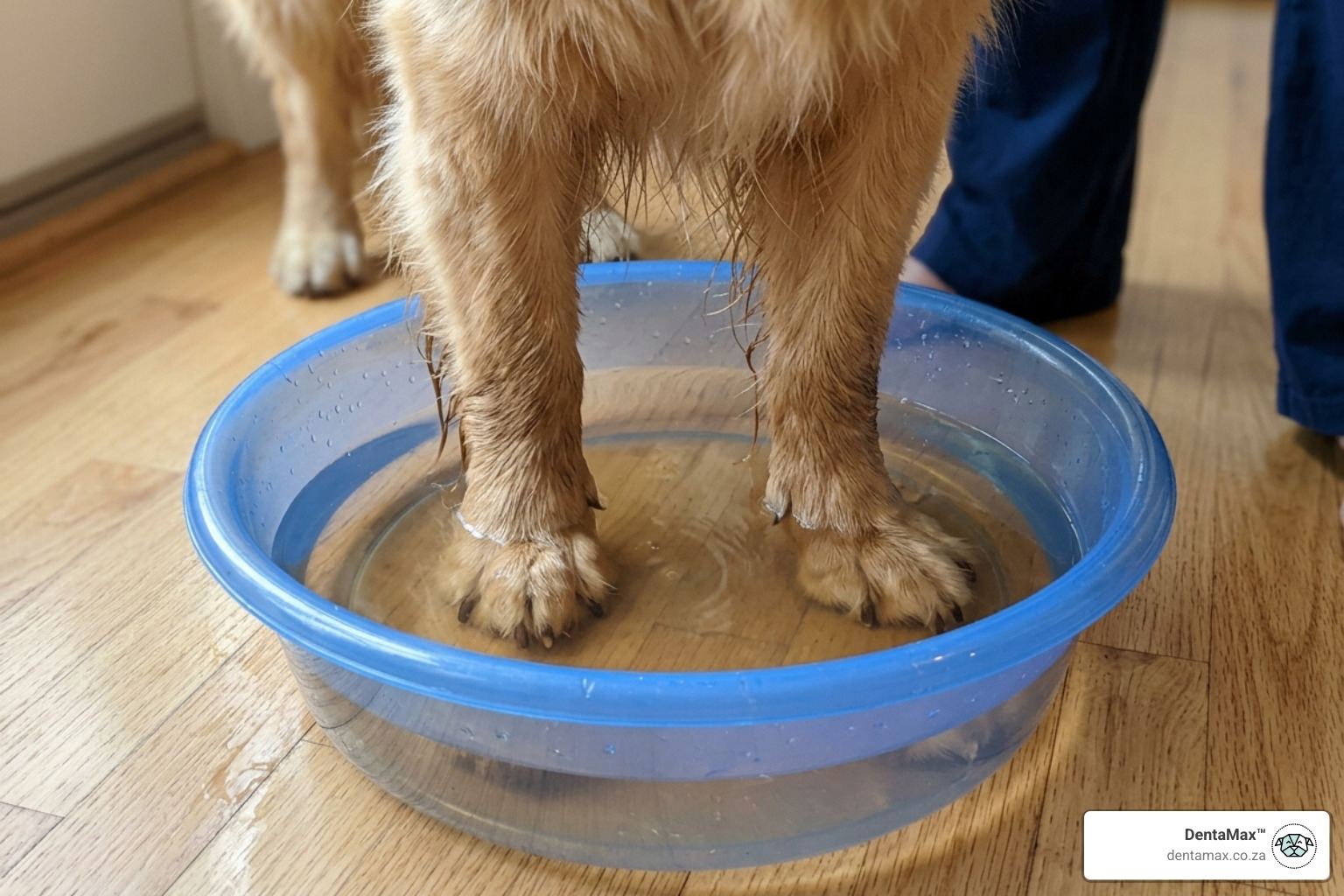
Research suggests that ACV can help manage oxidative stress and support the skin microbiome when used correctly. A common use case in Johannesburg or Cape Town is managing “Frito feet” — that corn-chip smell on dog paws caused by yeast buildup. For more on managing these odours, see our guide on Natural remedies to turn your dogs breath from foul to fresh.
Managing Itchy Skin and Fleas with Apple Cider Vinegar Dogs
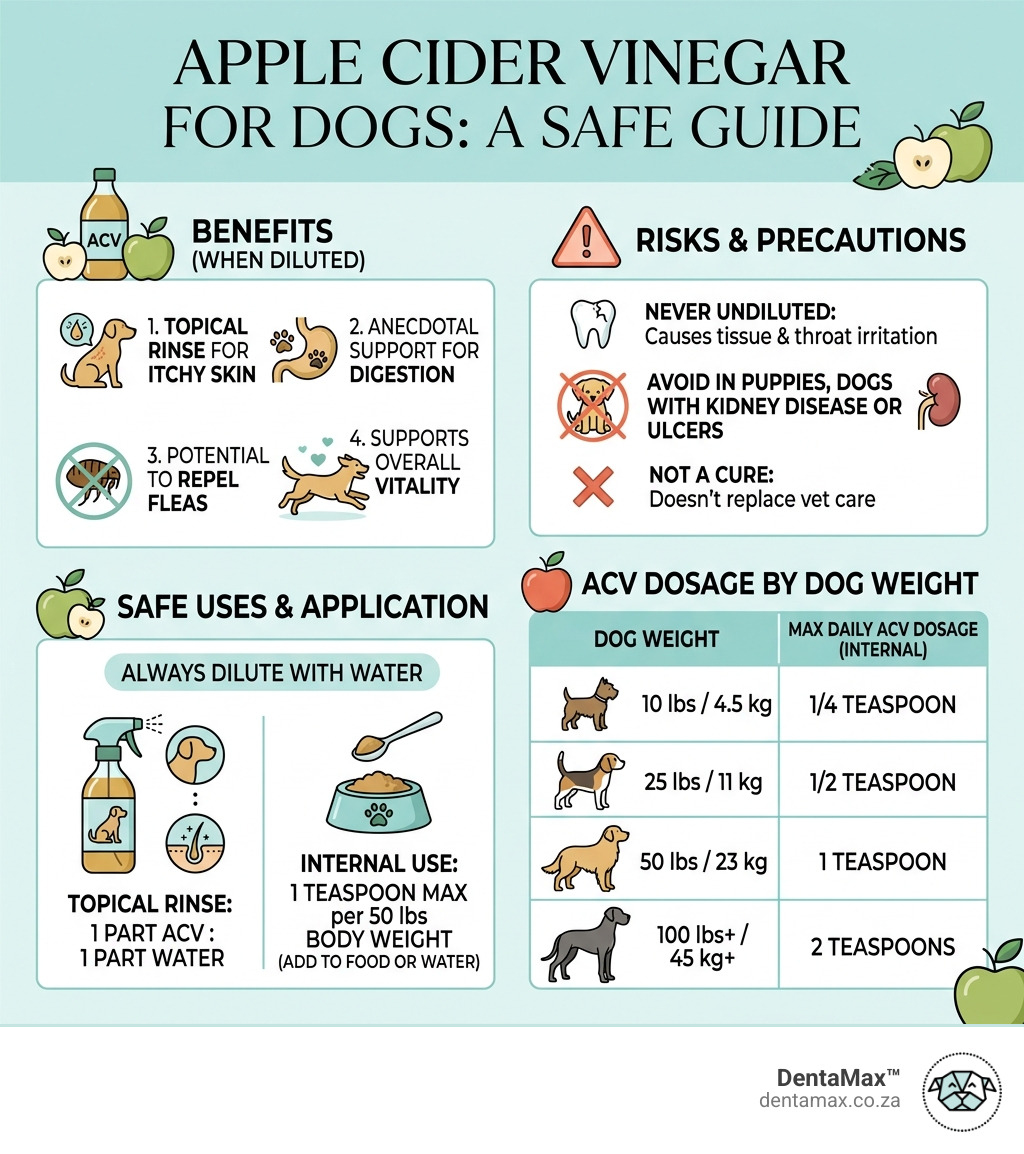
One of the most effective ways to use apple cider vinegar dogs solutions is as a topical spray. By mixing a 50/50 solution of ACV and water, you can create a rinse that helps restore the skin’s natural pH and soothe minor irritations.
It is important to note that while ACV is a popular flea repellent, it is not a pesticide. Fleas find the acidic taste and pungent smell offensive, which may discourage them from latching onto your dog. However, it will not kill an existing infestation. For dogs prone to yeast-related itching, a 50/50 soak for three to five minutes can help neutralise fungal growth on the paws or skin. Always avoid open wounds, as the acidity will cause significant stinging.
Digestive Support and Internal Health
Internally, ACV is often used to support stomach acidification. Some dogs, particularly those on grain-heavy diets, may have low stomach acid, which can hinder nutrient absorption. Adding a small amount of ACV to food or water may help stimulate the production of beneficial gut bacteria.
There is also interesting evidence regarding blood sugar regulation. Studies in humans have shown that ACV can improve insulin sensitivity and reduce post-meal glucose spikes. While large-scale canine trials are still needed, many veterinarians, as noted in Is Apple Cider Vinegar Good for Dogs? Our Vet Explains Its Health Benefits, believe it can be a supportive tool for metabolic health when used as part of a balanced diet.
Safety Risks and Proper Administration
The most important rule for apple cider vinegar dogs is: never use it undiluted. Undiluted ACV is acidic enough to cause gastrointestinal upset, esophageal burns and damage to tooth enamel.
Overuse can also lead to metabolic acidosis, where the body’s pH becomes too acidic, potentially interfering with kidney function. To keep your dog safe, always provide a second bowl of plain, fresh water alongside any water containing ACV. This ensures your dog can stay hydrated if they find the taste of the vinegar unappealing. For more tips on natural health, check out How to improve dog dental health naturally.
Dosage Guidelines by Body Weight
When administering ACV orally, we recommend a “start low and go slow” approach. This allows your dog’s digestive system to adjust to the change in acidity.
- Small Dogs (up to 10kg): 5ml (1 teaspoon) per day, diluted in food or water.
- Medium Dogs (10kg to 25kg): 10ml (2 teaspoons) per day, diluted.
- Large Dogs (over 25kg): 15ml (1 tablespoon) per day, diluted.
Monitor your dog for any signs of vomiting, diarrhoea or lethargy. If you notice any adverse reactions, stop the supplement immediately and consult your veterinarian.
Contraindications and Veterinary Warnings
Not every dog is a candidate for ACV. Dogs with chronic kidney disease should avoid it, as their kidneys may struggle to process the extra acid load. Similarly, dogs with stomach ulcers or those on a strictly alkaline diet for bladder stone prevention should not be given vinegar.
According to Feeding Apple Cider Vinegar to Dogs: Science‑Based Guide, Risks & Benefits — The Canine Dietitian, puppies with developing digestive systems should also avoid internal ACV. There is also the potential for ACV to interfere with certain medications, such as diuretics or insulin, so a vet consultation is mandatory for dogs with pre-existing conditions.
Why Apple Cider Vinegar Dogs Need Better Dental Solutions
Many pet owners ask if apple cider vinegar dogs can help with dental health. While ACV has antimicrobial properties, it is not an effective or safe solution for plaque and tartar. In fact, using vinegar in an attempt to clean teeth can be counterproductive.
The primary issue is the acidity. Tooth enamel is the hardest substance in the dog’s body, but it is highly susceptible to acid erosion. Frequently exposing your dog’s teeth to ACV can lead to demineralisation, making the teeth more porous and actually easier for plaque to stick to. For a safer approach to a bright smile, read Ditch the toxins for a naturally brighter smile.
The Limitations of ACV for Oral Care
Plaque is a sticky biofilm of bacteria that begins to form within hours of eating. If not disrupted, it mineralises into tartar (calculus) within 48 to 72 hours. ACV lacks the mechanical or systemic ability to break down this biofilm effectively.
Furthermore, an acidic oral environment can disrupt the natural balance of the mouth, potentially leading to gum inflammation. To truly manage oral health, we need a solution that works systemically to change the chemistry of the saliva, rather than just rinsing the surface with acid.
Systemic Alternatives for Plaque Reduction
This is where Ascophyllum nodosum — a specific type of North Atlantic seaweed — excels. Unlike ACV, which is a topical or digestive aid, Ascophyllum nodosum works through the dog’s internal systems. Once ingested, its active compounds are absorbed into the bloodstream and excreted through the salivary glands.
These compounds interfere with the ability of bacteria to adhere to the tooth surface, effectively disrupting the biofilm before it can harden into tartar. At DentaMax™, we focus on this systemic pathway because it reaches the areas that brushes and rinses often miss. For a deeper look at why this is effective, see Why seaweed powder is the ultimate natural dog dental solution. Using a dedicated supplement like NutriFlex® DentaMax™ provides a scientifically backed way to support oral health without the risks of enamel erosion. Explore more in our guide on Top natural pet mouth cleaners and tartar control supplements.
Frequently Asked Questions about ACV for Dogs
Can apple cider vinegar cure a canine urinary tract infection?
No, ACV cannot cure a UTI. While it may slightly acidify the urine, which can create a less hospitable environment for some bacteria, it is not an antibiotic. A UTI is a painful infection that requires a professional veterinary diagnosis and appropriate medication. Relying on vinegar can allow the infection to spread to the kidneys, which is life-threatening.
Does apple cider vinegar kill fleas and ticks instantly?
No. ACV is a repellent, not a pesticide. The acetic acid creates a scent and taste that fleas dislike, which may encourage them to jump off or avoid your dog. However, it will not kill the fleas, their eggs or their larvae. In South Africa, where tick-borne diseases like biliary are common, ACV should only be used as a secondary, natural deterrent alongside a vet-approved parasite preventative.
Can I use apple cider vinegar in my dog’s ears?
You should exercise extreme caution here. While some people use a very diluted ACV solution to manage yeast in the outer ear, it should never be poured into the ear canal. If the eardrum (tympanic membrane) is ruptured — which often happens with chronic infections — the vinegar can cause permanent damage and deafness. Never put anything in your dog’s ear without a vet first performing an otoscopy to ensure the eardrum is intact.
Conclusion
Apple cider vinegar is a versatile tool for the South African pet owner, offering genuine benefits for skin health and minor digestive support. However, it is not a “miracle cure” and must be used with respect for its acidic nature.
When it comes to the long-term health of your dog’s teeth and gums, the risks of enamel erosion from ACV outweigh the anecdotal benefits. By choosing evidence-based systemic supplements like DentaMax™, you can provide your pup with a safer, more effective path to a healthy mouth. For more information on maintaining your dog’s health naturally, Discover the ultimate dog bad breath cure.
At DentaMax™, we are committed to providing South African pet owners with the education and tools they need for holistic wellness. Whether you are managing itchy skin with apple cider vinegar dogs sprays or tackling tartar with seaweed, always prioritise safety, dilution and professional veterinary advice.