Why a Bad Tooth Infection in Dogs Is More Serious Than It Looks
A bad tooth infection in dogs is a painful bacterial infection that develops at the root of a tooth, forming a pocket of pus beneath the gum line. It does not resolve on its own and almost always requires veterinary treatment.
Key facts at a glance:
- What it is: A tooth root abscess caused by bacteria invading the tooth root
- Most common cause: Fractured teeth or advanced periodontal disease
- Most affected teeth: Upper fourth premolars (carnassial teeth) and lower first molars
- Common signs: Facial swelling, bad breath, difficulty chewing, drooling and pawing at the mouth
- Can it heal on its own? No. Without treatment it will worsen and may spread to other organs
- Treatment: Tooth extraction or root canal therapy under general anaesthesia, plus antibiotics
- Estimated cost in South Africa: R15,000 or more depending on the procedure and clinic
Most dog owners do not realise there is a problem until the infection is already severe. Dogs are biologically wired to hide pain, which means a serious dental abscess can develop quietly over weeks or months before any obvious sign appears.
Research shows that one in four pets experience a traumatic dental injury, with tooth fractures accounting for nearly half of those cases. Each of those fractures is a potential entry point for bacteria, and once bacteria reach the tooth root, an abscess can follow.
I am Sharon Milani, Co-Founder and Director of NutriFlex®, and my work in evidence-based pet nutrition over the past decade has included focused research into the systemic mechanisms behind a bad tooth infection in dogs and how Ascophyllum nodosum supplementation can support preventative oral health strategies. The sections below walk you through how to recognise, understand and address this condition before it becomes a dental emergency.
Understanding a Bad Tooth Infection in Dogs
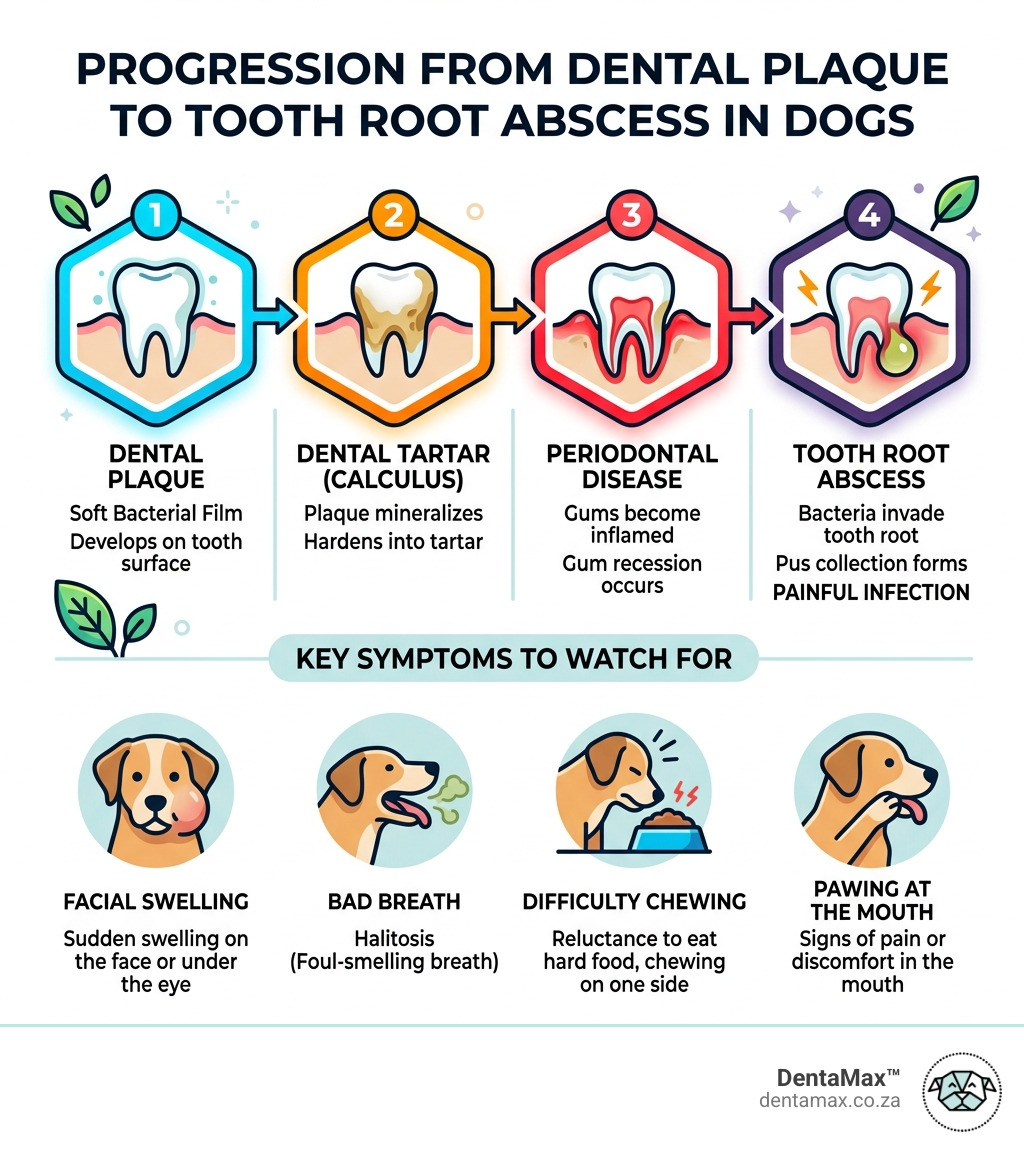
A bad tooth infection in dogs, professionally known as a tooth root abscess, is essentially a localized collection of pus at the tip of the tooth root. This occurs when bacteria find a way into the sensitive center of the tooth, known as the pulp.
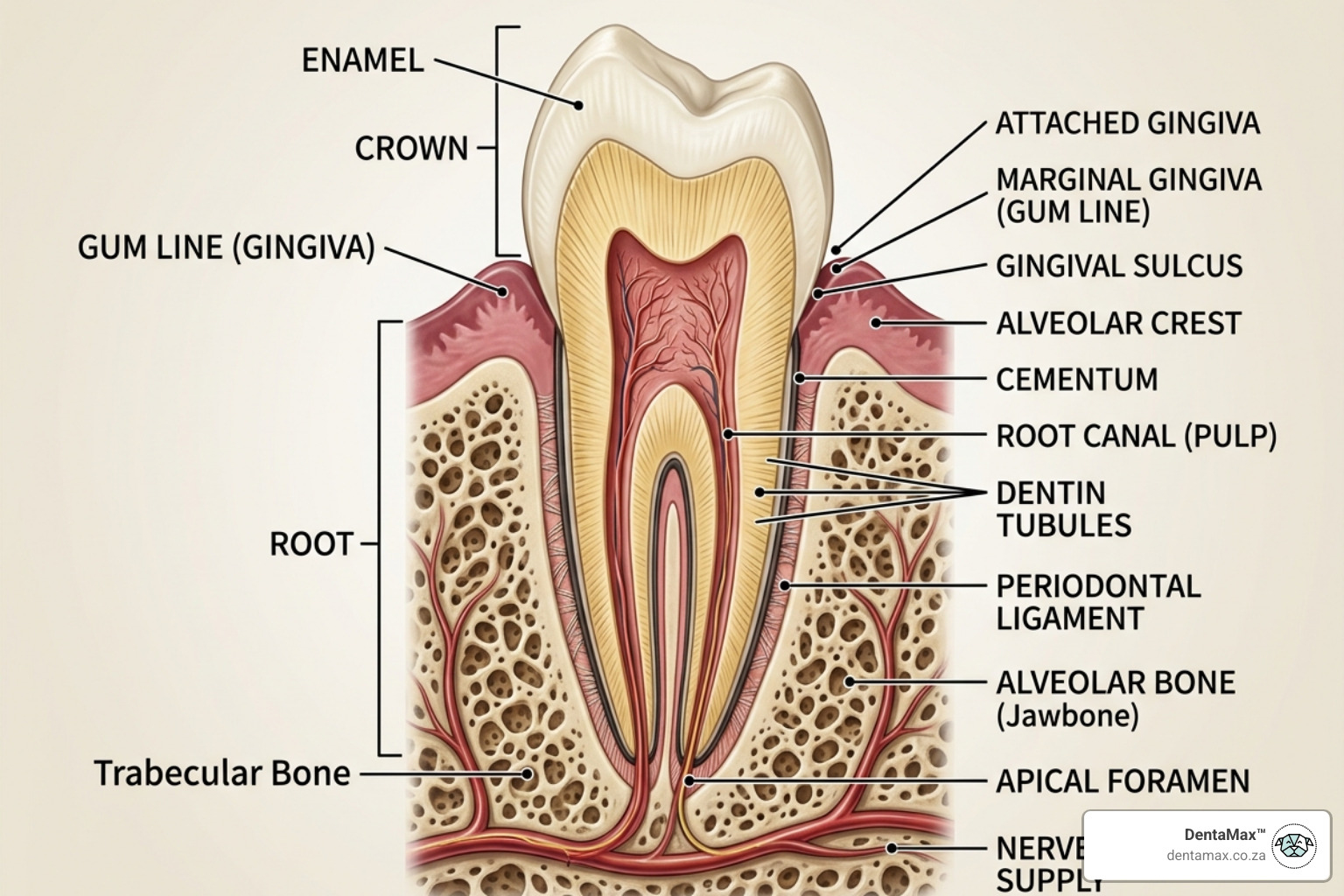
The anatomy of a dog’s tooth is more complex than it appears on the surface. Beneath the hard outer enamel lies the dentin. This layer contains between 300,000 and 400,000 microscopic openings called tubules. These tubules act as tiny tunnels that communicate directly with the pulp cavity. When the enamel is breached—whether through a chip, a fracture or dog teeth rotting—bacteria use these tubules as a “freeway” to reach the root.
Once bacteria invade the pulp, they cause inflammation (pulpitis). Because the pulp is encased in hard tooth structure, there is nowhere for the swelling to go. The tissue eventually dies (necrosis), and the infection spills out of the bottom of the root, creating a pocket of pus in the jawbone. This is why a Tooth Root Abscess in Dogs | PetMD is considered a medical emergency; the infection is literally eating away at the bone surrounding the tooth.
Why Dogs Mask a Bad Tooth Infection in Dogs
One of the greatest challenges for South African pet owners is that dogs are masters of disguise. In the wild, showing signs of pain or weakness makes an animal a target. This survival instinct remains strong in our domestic companions.
Your dog might still be eating, playing and wagging their tail despite having a throbbing abscess. You might only notice subtle changes, such as them being slightly more lethargic or choosing to chew on one side of their mouth. By the time a dog stops eating entirely, the pain is usually unbearable. Understanding that dog dental disease explained involves hidden pain is the first step in proactive care.
Identifying a Bad Tooth Infection in Dogs by Location
While any tooth can become infected, certain teeth are more vulnerable due to their function. The most common victims are:
- Carnassial Teeth: These are the large, shearing teeth used for breaking down hard objects. They include the upper fourth premolars and the lower first molars.
- Canine Teeth: The long “fangs” at the front of the mouth are prone to trauma and fractures during play or accidents.
Slab fractures are a frequent cause of infection in the carnassial teeth. These occur when a dog bites down on something hard—like a bone, antler or hoof—at an oblique angle, causing a large flake of the tooth to shear off. This exposes the dentin and pulp, leading to a Tooth Root Abscess in Dogs | VCA Animal Hospitals.
Common Signs and Symptoms of Canine Dental Abscesses
As of April 2026, veterinarians in Cape Town and Johannesburg continue to see high rates of advanced dental disease because early symptoms are overlooked. If you notice any of the following, your dog likely has a bad tooth infection in dogs:
- Halitosis: This is not just “doggy breath.” It is a persistent, foul odour caused by bacterial activity and decaying tissue.
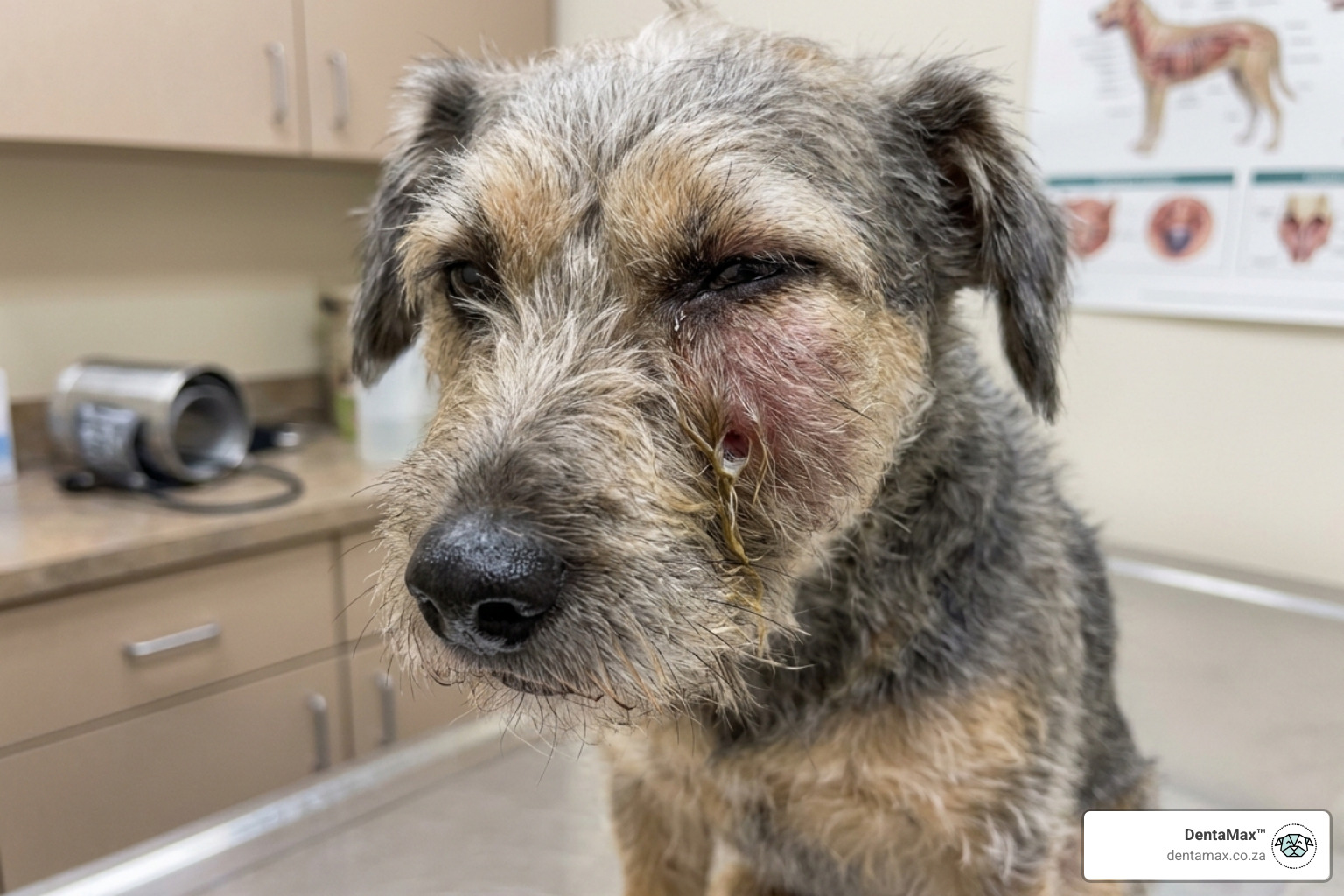
- Facial Swelling: An abscess on the upper carnassial tooth often causes a lump just below the eye. Many owners mistake this for an eye infection or a bee sting.
- Draining Tracts: If the abscess bursts, you may see a small hole on the face or under the chin that leaks pus or blood.
- Pawing at the Mouth: Your dog may rub their face against the floor or paw at their jaw to relieve pressure.
- Difficulty Chewing: Dropping food, chewing on one side or avoiding hard kibble are major red flags.
- Excessive Drooling: Sudden hypersalivation can indicate oral pain.
Recognizing these canine periodontal disease stages early can save your dog from significant suffering.
Systemic Risks of Untreated Infections
A bad tooth infection in dogs is not just a mouth problem; it is a whole-body problem. The mouth is highly vascular, meaning it is full of blood vessels. Bacteria from an abscess can easily enter the bloodstream, a condition known as bacteremia.
Once in the blood, these bacteria travel to vital organs. They can attach to heart valves, causing endocarditis, or lodge in the kidneys and liver, leading to chronic organ inflammation and failure. The constant strain on the immune system to fight a localized abscess leaves the dog more vulnerable to other illnesses.
Diagnosis and Veterinary Treatment Options
If you suspect an infection, a trip to your local clinic in Durban or Muizenberg is essential. A veterinarian will start with a physical exam, but because most of the tooth is hidden beneath the gum line, visual inspection is not enough.
Definitive diagnosis requires intraoral radiographs (dental X-rays) performed under general anaesthesia. These X-rays reveal the “dark halo” around the root where the infection has destroyed the bone. Without X-rays, it is impossible to know the full extent of the damage.
| Feature | Tooth Extraction | Root Canal Therapy |
|---|---|---|
| Goal | Remove the source of infection entirely | Save the tooth structure |
| Procedure | Surgical removal of the tooth and roots | Removing infected pulp and sealing the canal |
| Recovery | 10 to 14 days for gum healing | Minimal external healing required |
| Availability | Most general practitioners | Veterinary dental specialists |
| Cost | Generally lower (R15,000 – R30,000) | Higher (R35,000 – R55,000+) |
Surgical Intervention and Recovery
Treatment for a bad tooth infection in dogs always involves surgery. Antibiotics may be prescribed initially to reduce the bacterial load and swelling, but they cannot cure the abscess because they cannot reach the bacteria trapped inside the dead tooth.
Tooth Extraction: This is the most common treatment. The vet surgically removes the tooth, cleans the infected socket and closes the gum with dissolving stitches.
Recovery: Most dogs require a soft food diet for about 7 to 10 days post-surgery. You must prevent them from chewing on hard toys or bones during this period. The good news is that once the source of pain is gone, most South African pet owners report their dogs “acting like puppies again” within days.
Prevention and the Role of Systemic Supplements
At DentaMax™, we focus on the science of prevention. While surgery treats the infection, preventing the buildup of plaque and tartar is what stops the infection from starting.
Traditional prevention relies on mechanical brushing, which can be difficult for many owners. This is where systemic plaque reduction becomes invaluable. We advocate for the use of North Atlantic wild-harvested Ascophyllum nodosum, a specific type of seaweed.
When ingested, the active compounds in Ascophyllum nodosum are absorbed into the bloodstream and excreted through the saliva. This changes the chemistry of the saliva, disrupting the biofilm (plaque) and preventing it from mineralizing into hard tartar. By keeping the teeth cleaner and the gums healthier, you significantly reduce the risk of bacteria entering the tooth root. Learn more about maintaining dog dental health through these systemic pathways.
At-Home Oral Hygiene Protocols
A multi-modal approach is best for South African dogs. This includes:
- Daily Brushing: Use a dog-specific toothbrush and toothpaste (never human toothpaste, which contains toxic xylitol).
- Systemic Supplementation: Adding a high-quality Ascophyllum nodosum powder to their daily meals.
- Safe Chews: Avoid bones, antlers and hooves. Opt for rubber toys or VOHC-approved dental treats that have some “give” to them.
- Regular Exams: Check your dog’s mouth weekly for dog swollen gums or discoloured teeth.
Frequently Asked Questions about Dog Tooth Infections
Can a dog tooth abscess heal on its own?
No. A bad tooth infection in dogs will not heal without professional intervention. While the abscess may eventually burst and drain, providing temporary relief from pressure, the bacteria remain inside the tooth. The infection will continue to return, spreading deeper into the jawbone and potentially causing systemic health issues.
Are there any home remedies for dog tooth infections?
There are no over-the-counter cures or home remedies for a tooth root abscess. Saltwater rinses or topical gels cannot reach the infection at the root. If you suspect an infection, it is a veterinary emergency. Delaying treatment only increases the pain your dog experiences and the eventual cost of surgery.
How much does treatment cost in South Africa?
Costs vary depending on your location and the complexity of the case. A standard dental cleaning with a single extraction under anaesthesia in a private clinic typically starts around R15,000. If multiple teeth are involved or if you seek a specialist for root canal therapy, costs can exceed R55,000. This highlights why prevention is so much more affordable than a cure.
Conclusion
A bad tooth infection in dogs is a silent, painful condition that can lead to life-threatening systemic health problems. Because our dogs are so good at hiding their discomfort, the responsibility falls on us to be proactive.
By combining regular veterinary check-ups with advanced at-home care—such as mechanical brushing and systemic supplementation—you can protect your dog from the trauma of dental surgery. Early detection is key to ensuring your furry friend lives a long, pain-free life.
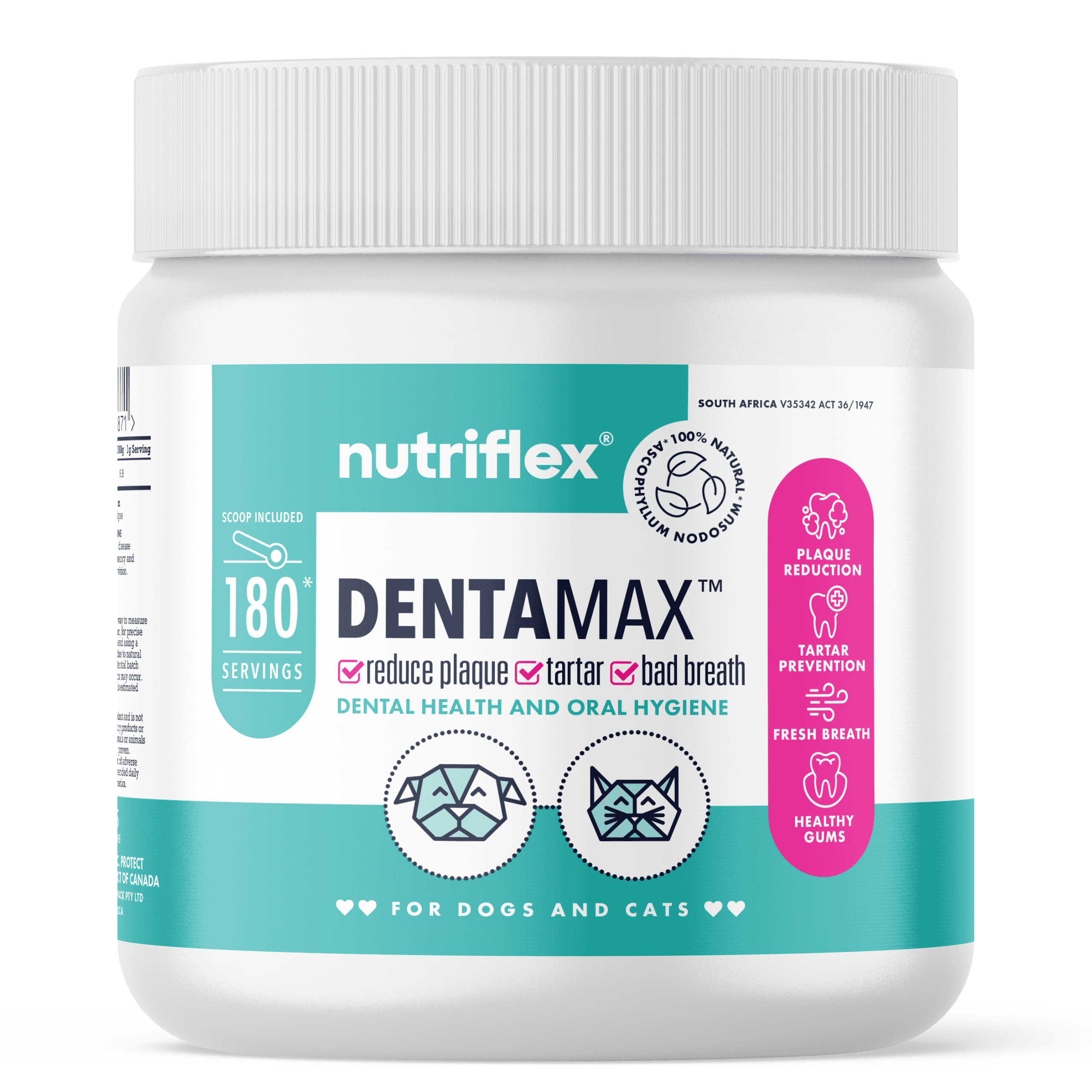
Support your dog’s dental health with NutriFlex® Dental Powder