Why 70% of Cats Already Have Dental Disease by Age Three
Chlorhexidine oral rinse for cats is an antimicrobial rinse applied directly to the gum line to reduce plaque, control oral bacteria and help prevent periodontal disease. Here is a quick summary of what you need to know:
| Question | Quick Answer |
|---|---|
| What is it? | A liquid rinse containing 0.12% to 0.13% chlorhexidine gluconate |
| What does it do? | Reduces plaque, controls bacteria, freshens breath and helps prevent gum disease |
| How is it applied? | Squirted along the gum line daily, after meals |
| Is it safe for cats? | Yes, when using a veterinary-formulated product as directed |
| How quickly does it work? | Noticeable improvement is typically seen within 3 to 8 weeks |
| Can it replace brushing? | It can be used without brushing, though combining both improves results |
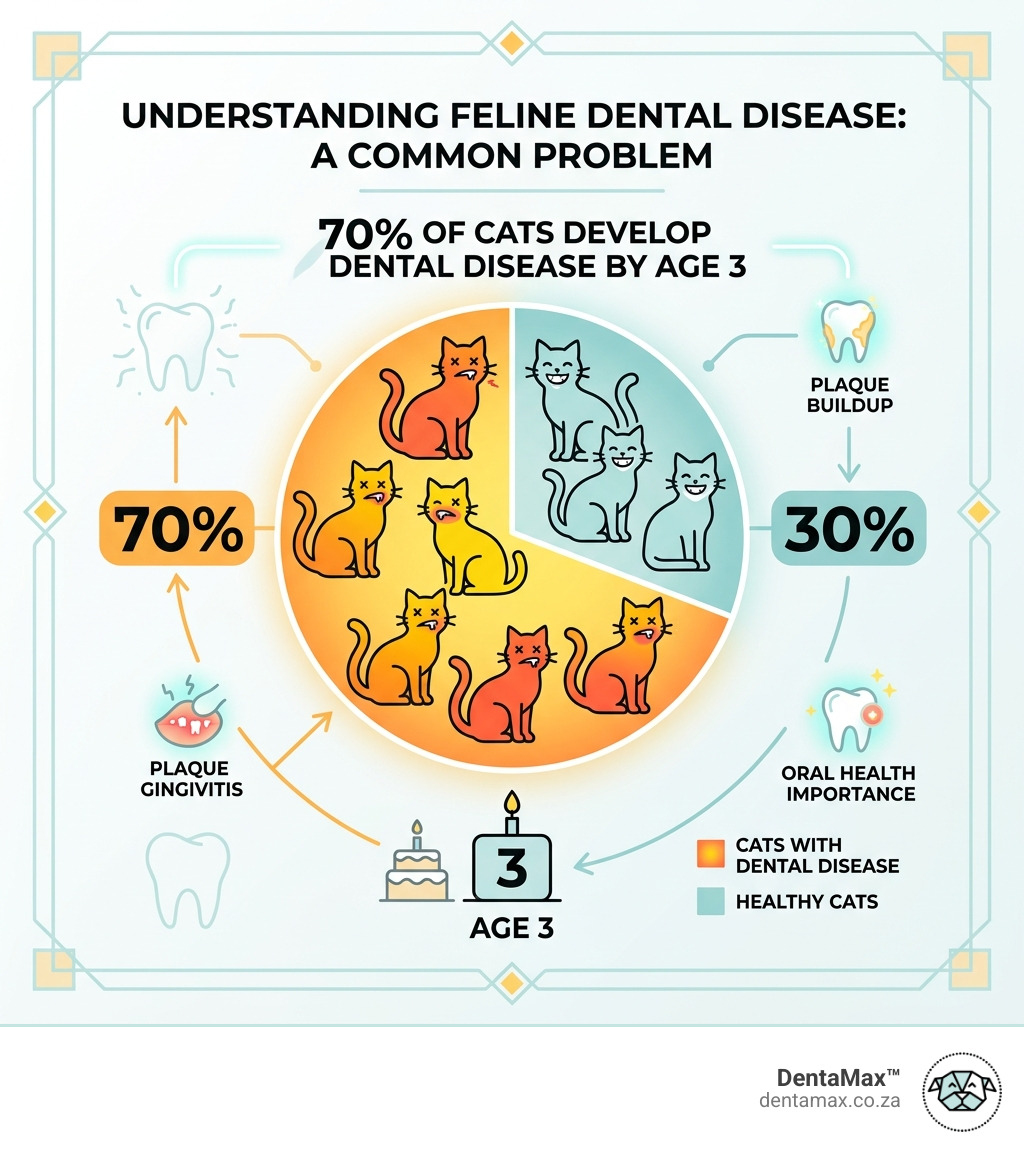
Dental disease is one of the most common health problems affecting cats. By the time a cat reaches three years of age, 70% will already show some form of dental disease. Left unmanaged, plaque and tartar buildup can progress to gingivitis, periodontal disease and even systemic complications affecting the heart and kidneys.
Chlorhexidine oral rinse is one of the most widely used topical tools in feline dental care, but understanding how to use it correctly and safely matters.
I am Sharon Milani, Co-Founder and Director of NutriFlex® and the developer of DentaMax™, a dental supplement formulated specifically for cats and dogs using 100% pure organic Ascophyllum nodosum. My work in preventative oral health and systemic plaque reduction has given me a detailed understanding of how products like chlorhexidine oral rinse for cats fit within a broader, evidence-based dental care strategy. In this guide, I will walk you through everything you need to know to use it effectively and safely.
What is Chlorhexidine Oral Rinse for Cats?
Chlorhexidine is a potent antiseptic and disinfectant that has been used in both human and veterinary medicine for decades. In the context of feline health, it is primarily utilised for its broad spectrum antimicrobial properties. It is highly effective against a wide range of bacteria, fungi and yeast, making it a “gold standard” for topical oral hygiene.
The active ingredient is typically Chlorhexidine Gluconate. In South Africa, veterinary formulations usually come in a concentration of 0.12% or 0.13%. For example, common products like Dentahex or Clenz-a-dent feature these specific concentrations because they are strong enough to kill oral pathogens but gentle enough for the sensitive mucous membranes of a cat.
Mechanism of Action and Biofilm Disruption
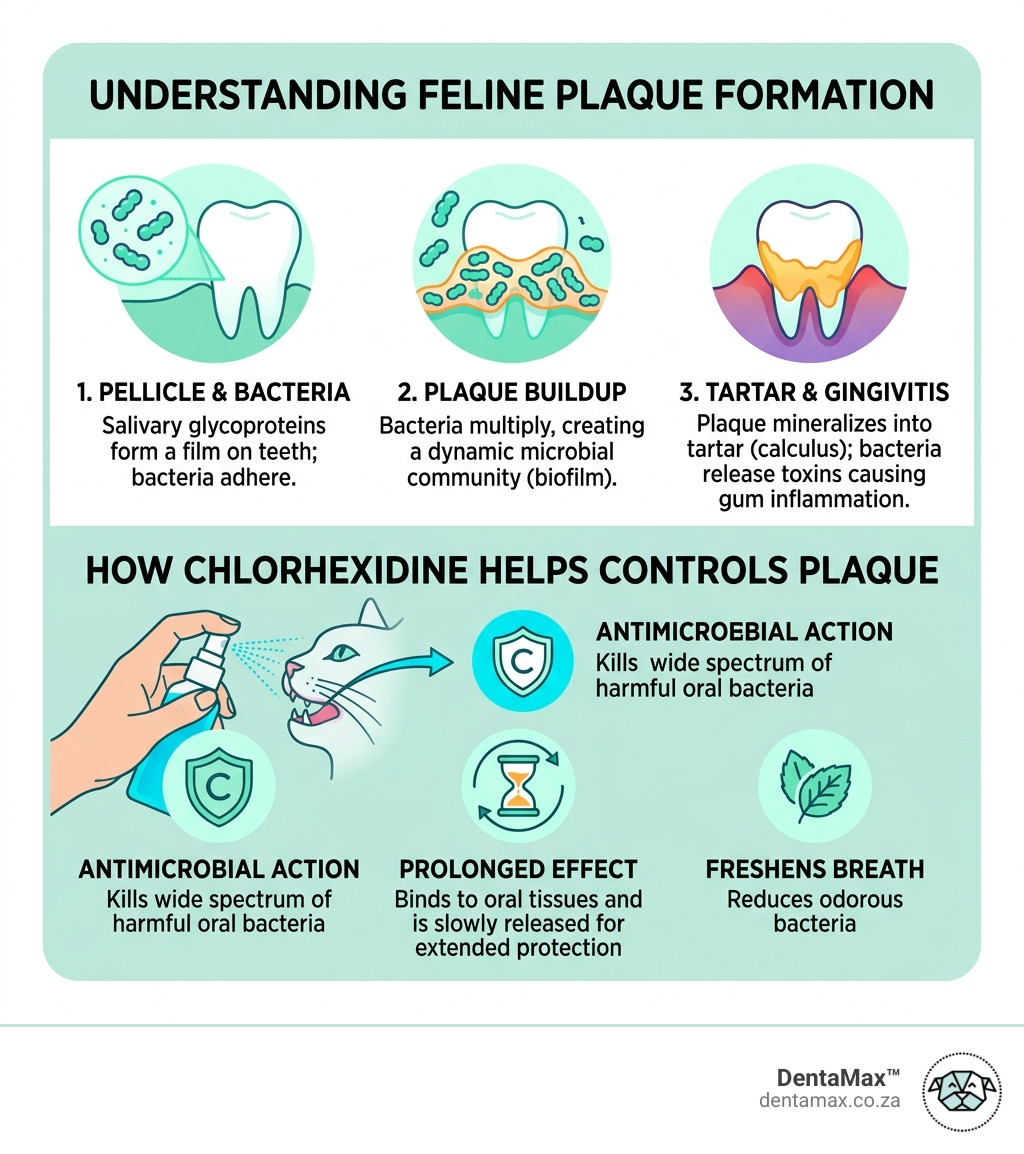
The way chlorhexidine oral rinse for cats works is quite fascinating. Unlike water or simple mouthwashes that just rinse away food particles, chlorhexidine has a property called “substantivity.” This means it binds to the surfaces of the teeth and the oral mucosa (the soft tissues of the mouth) and is released slowly over several hours.
This slow release allows it to continuously disrupt the biofilm. Plaque is essentially a sticky biofilm of bacteria. Chlorhexidine penetrates this film, killing the bacteria and preventing them from sticking to the tooth surface. By inhibiting this initial bacterial adhesion, it stops the mineralisation process that turns soft plaque into hard tartar (calculus). Understanding Why Dental Health Matters for Dogs and Cats is the first step in realising that stopping this biofilm is crucial for long term health.
Benefits and Veterinary Use for Periodontal Disease
Veterinarians frequently recommend chlorhexidine rinses for cats showing early signs of periodontal disease. Because cats are notoriously difficult when it comes to tooth brushing, a liquid rinse provides a more manageable way to maintain oral hygiene.
Gingivitis Relief and Bacterial Control
One of the primary benefits is the relief of minor gum inflammation. If your cat has a thin red line along the base of their teeth, they likely have gingivitis. Chlorhexidine reduces the bacterial load at the gum line, allowing the tissue to heal and reducing the swelling and sensitivity associated with early stage gum disease.
Anti-Calculus Properties and Bad Breath
While chlorhexidine is most effective against soft plaque, its regular use also provides anti-calculus properties. By keeping the bacterial population low, there is less organic material available to mineralise into tartar. Furthermore, by eliminating the odour producing bacteria that thrive in the feline mouth, owners often report a significant improvement in “tuna breath” within just a few weeks. Managing these issues is a core part of comprehensive Dog & Cat Dental Care.
Application and Dosage of Chlorhexidine Oral Rinse for Cats
Applying a liquid to a cat’s mouth might sound like a recipe for disaster, but most veterinary formulations are designed to be palatable. Many are alcohol free and flavoured with ingredients like orange or malt to make the experience less stressful for the feline.
Step-by-Step Application
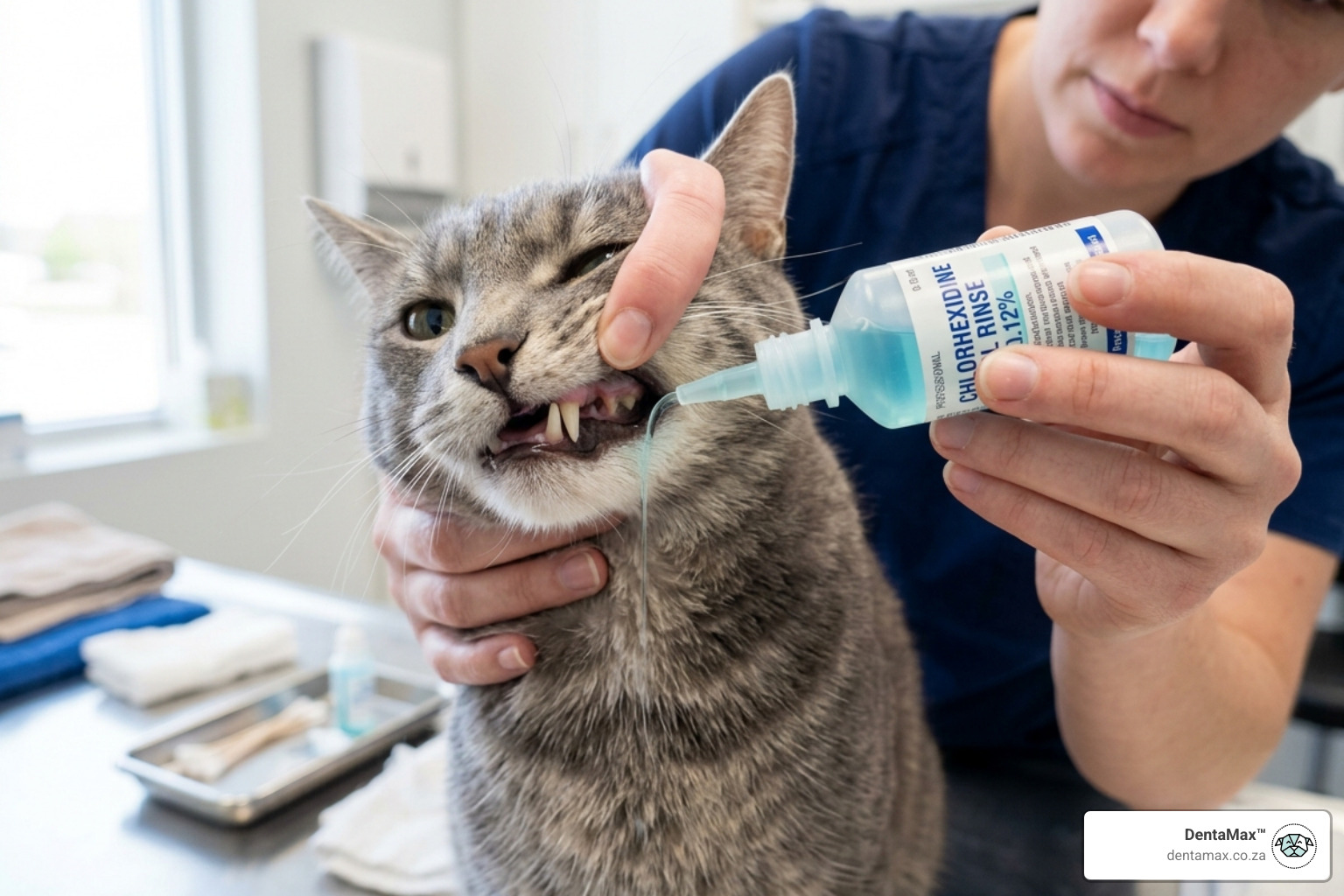
- Preparation: Shake the bottle well before use. Ensure your cat is calm and comfortable.
- Positioning: Hold the bottle upright, ideally below your cat’s field of vision so they do not become startled.
- Exposure: Gently lift the upper lip with your fingers to expose the teeth and gums.
- Application: Point the applicator tip and apply a gentle stream along the upper gum line. You do not need to apply it to every single tooth individually; the liquid disperses rapidly to cover the entire oral cavity, including hard to reach areas at the back of the mouth.
- Safety: Avoid touching the gum directly with the applicator tip to prevent accidental injury if the cat flinches.
Frequency and Volume
For most cats, the recommended frequency is once daily, ideally following the main meal of the day. Most veterinary bottles come in a 237 ml size, which can last several months depending on the size of your cat. Because these are “no rinse” formulas, you do not need to worry about your cat swallowing a small amount or trying to rinse their mouth with water afterwards. If you are looking for other ways to support this routine, you might explore How to Manage Cat Plaque Naturally.
Safety Precautions and Potential Side Effects
While chlorhexidine oral rinse for cats is generally very safe, there are a few things every South African pet owner should watch out for.
Common Side Effects
- Tooth Staining: With long term, chronic use, chlorhexidine can cause a brownish staining on the teeth. This is not permanent and can usually be removed during a professional veterinary cleaning, but it is something to keep in mind.
- Taste Aversion: Some cats simply do not like the taste. This can lead to drooling or pawing at the mouth immediately after application.
- Mucosal Irritation: In rare cases, a cat may be hypersensitive to the ingredients, leading to redness or minor ulceration. If you notice increased inflammation after starting the rinse, discontinue use and consult your vet.
It is vital to understand the Chlorhexidine Dogs & Cats Risks before starting a daily regimen, especially if your cat has pre-existing oral ulcers or severe stomatitis.
Integrating Chlorhexidine Oral Rinse for Cats into a Dental Routine
A single product is rarely enough to solve all dental problems. We believe in a multi modal approach to feline oral health.
Brushing and Treats
If your cat allows it, brushing with a cat safe toothpaste remains the most effective mechanical way to remove plaque. However, for the many cats that refuse a toothbrush, chlorhexidine rinse serves as an excellent alternative. You can also use dental treats to provide some mechanical “scrubbing” action while the rinse handles the chemical bacterial control.
Systemic Alternatives: The Power of Ascophyllum Nodosum
At DentaMax™, we focus heavily on the role of Dog and Cat Dental Powder containing Ascophyllum nodosum. This is a specific type of North Atlantic kelp that works systemically. When ingested, the compounds are absorbed into the blood and excreted via the saliva. This actually changes the chemistry of the saliva to soften existing tartar and prevent new plaque from sticking.
Combining a topical chlorhexidine oral rinse for cats with a systemic supplement like DentaMax™ provides a “pincer movement” against dental disease. The rinse kills bacteria on contact, while the seaweed supplement works from the inside out. Owners typically see the best results, including fresher breath and visible plaque reduction, within 3 to 8 weeks of consistent daily use.
Frequently Asked Questions about Feline Chlorhexidine
Can I use human chlorhexidine oral rinse for cats?
No, you should never use human chlorhexidine products for your cat. Human mouthwashes often contain high levels of alcohol, which is toxic to cats and can cause severe drying of the oral tissues. Many human products also contain Xylitol, an artificial sweetener that is highly poisonous to pets. Always stick to veterinary-specific formulations that are pH balanced for feline mouths.
How much does chlorhexidine oral rinse for cats cost in South Africa?
In South Africa, you can expect to pay between R250 and R450 for a standard 237 ml bottle of veterinary chlorhexidine rinse. These are available at most veterinary clinics in Cape Town, Johannesburg and Durban, as well as through reputable online pet shops. While the initial cost may seem high, a single bottle typically lasts for several months of daily use.
Are there cats that should avoid chlorhexidine?
Yes. Cats with known allergic reactions to chlorhexidine should avoid it. Additionally, if a cat has severe oral ulcerations or advanced feline stomatitis, the rinse may be too painful or irritating. Always consult your veterinarian before starting any new oral care product, especially if your cat has a history of thyroid issues (as some dental products, particularly those containing kelp, have high iodine levels that may interfere with thyroid medication).
Conclusion
Maintaining your cat’s oral health is a lifelong commitment that pays dividends in their overall comfort and longevity. Chlorhexidine oral rinse for cats is a scientifically proven, effective tool for managing the bacteria that cause plaque and gum disease. Whether used as a standalone treatment for cats who won’t tolerate brushing or as part of a comprehensive routine involving Dog-Cat Dental Powder South Africa, it remains a staple of modern veterinary dentistry.
By understanding the mechanism of action, following proper application techniques and being aware of the safety profile, you can help ensure your feline companion stays part of the 30% of cats with a healthy, happy mouth. For more information on systemic dental health and the science of plaque reduction, explore our educational resources at DentaMax™.