What Is Chemical Free Oral Care and Why Should You Care?
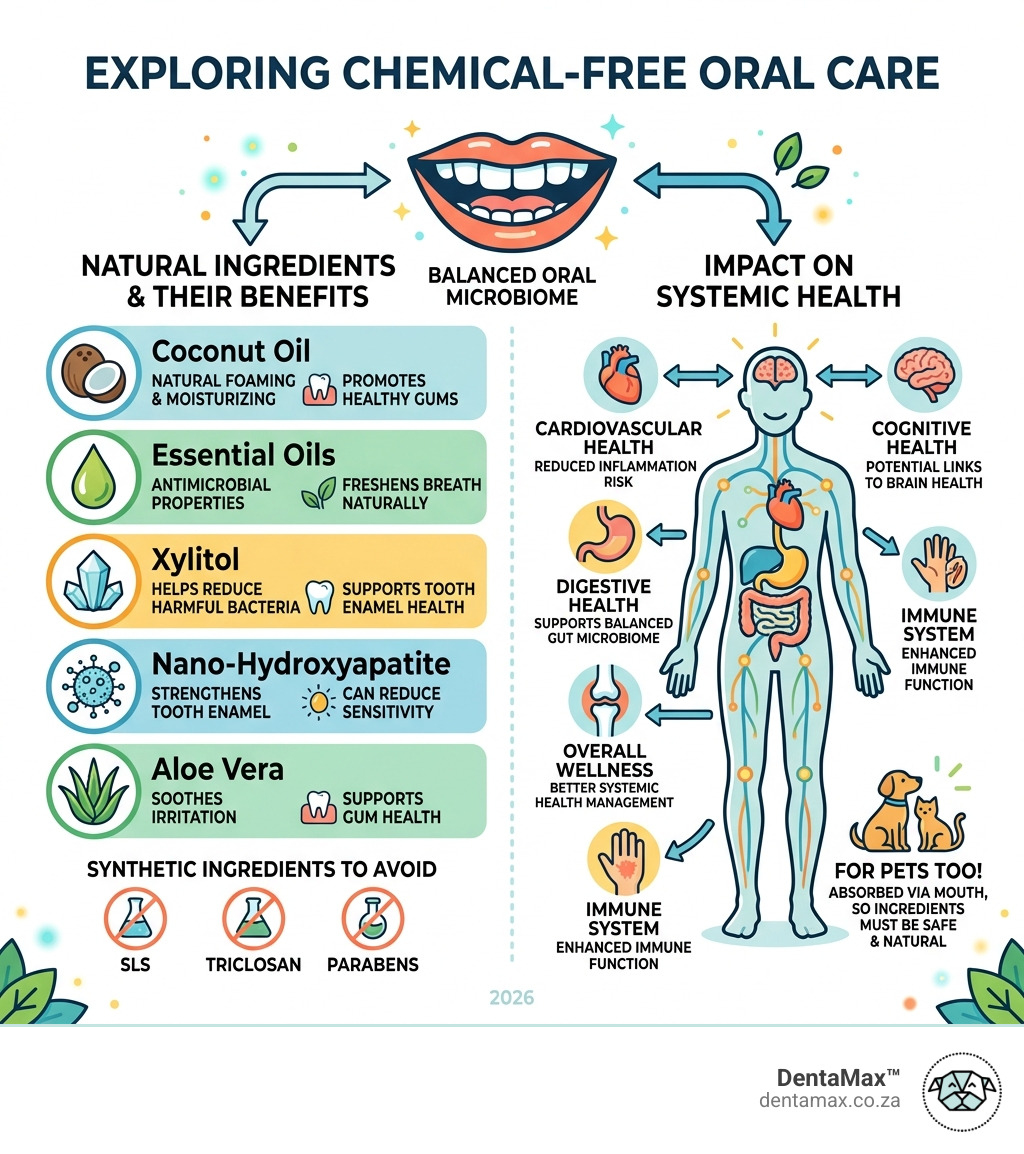
Chemical free oral care means choosing dental products made with natural, biocompatible ingredients instead of synthetic additives like Sodium Lauryl Sulphate, Triclosan and artificial preservatives.
Here is a quick overview of what it involves:
| What to Avoid | Natural Alternative |
|---|---|
| Sodium Lauryl Sulphate (SLS) | Coconut oil, aloe vera |
| Triclosan | Essential oils (peppermint, tea tree) |
| Artificial sweeteners | Xylitol |
| Synthetic fluoride | Nano-hydroxyapatite |
| Parabens and phthalates | Plant-based preservatives |
The idea is simple: fewer synthetic chemicals means less disruption to the oral microbiome, and a healthier mouth overall.
This matters more than most people realise. Your mouth is not isolated from the rest of your body. The bacteria living in it influence digestion, immunity and systemic health. When harsh synthetic ingredients strip away beneficial bacteria along with harmful ones, they can create imbalances that go well beyond bad breath or sensitive gums.
For pet owners, the stakes are just as high. Dogs and cats cannot rinse and spit. Whatever goes into their mouths gets absorbed or swallowed. That makes ingredient safety a non-negotiable consideration for any dental product used on animals.
The good news is that natural alternatives are increasingly backed by solid science and are widely available in South Africa.
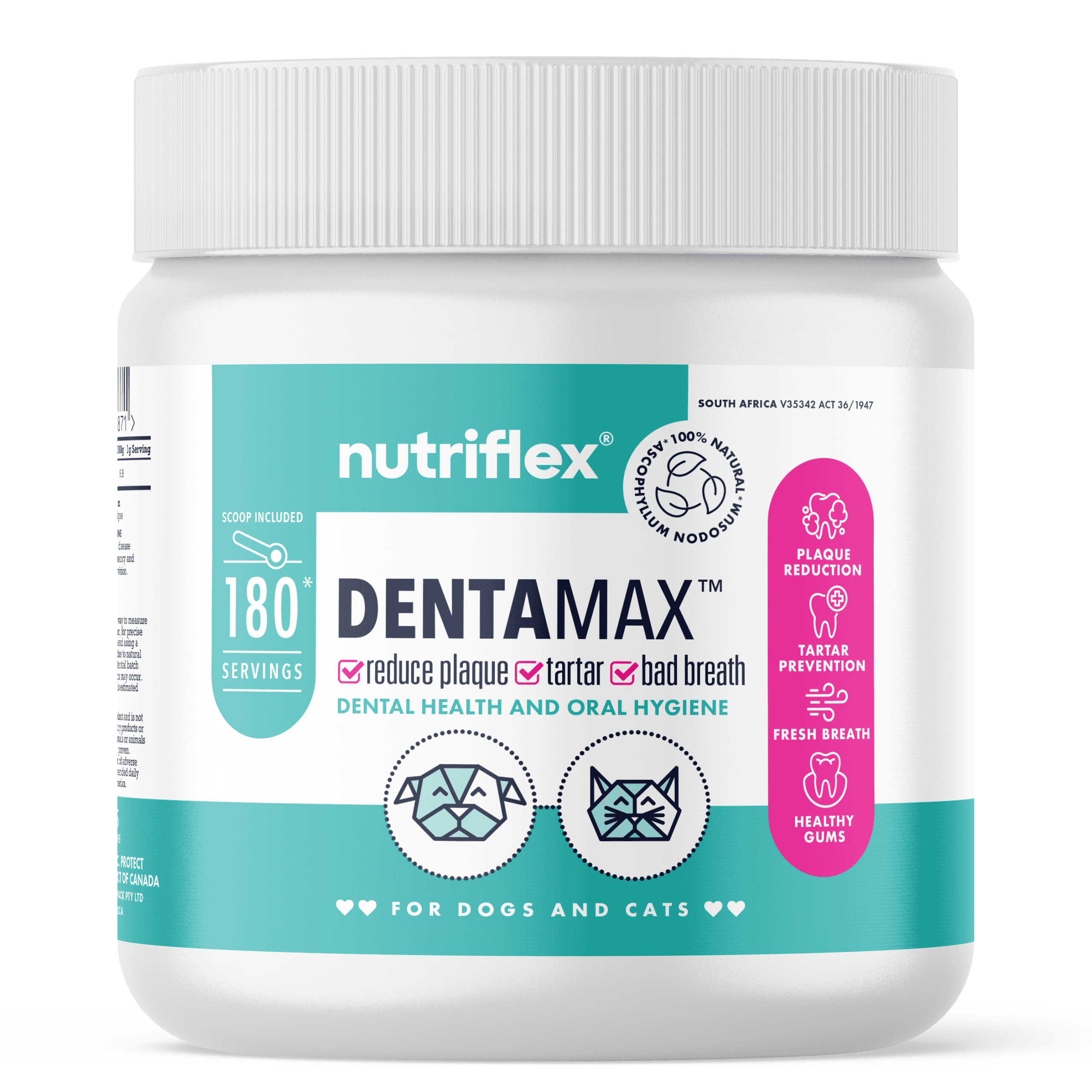
I’m Sharon Milani, Co-Founder of NutriFlex® and the formulator behind DentaMax™, a 100% pure organic Ascophyllum nodosum dental powder developed specifically for dogs and cats. My work in evidence-based pet nutrition and chemical free oral care has been guided by published research on systemic plaque reduction and a commitment to ingredient transparency that meets South African regulatory standards.
Understanding Chemical Free Oral Care and Why It Matters
When we talk about chemical free oral care, we are really talking about biocompatibility. This refers to materials that perform their function without causing harm to the living tissue they interact with. In the context of our mouths, this means using ingredients that clean and protect without causing irritation, disrupting the delicate oral microbiome or introducing toxins into our bloodstream.
Many people assume that “natural” is just a marketing buzzword, but there is a significant difference between truly natural ingredients and their synthetic counterparts. Conventional products often rely on industrial chemicals to create foam, preserve shelf life or provide artificial flavour. In contrast, natural oral care uses plant-based oils, minerals and enzymes to achieve the same results safely.
The oral microbiome is a complex ecosystem of billions of bacteria. Some are harmful and contribute to plaque, while many are beneficial and help defend against pathogens. Harsh synthetic chemicals can act too broadly, reducing both harmful and beneficial microbes. This can contribute to problems such as chronic dry mouth, mouth ulcers and downstream effects on digestive health. By choosing fluoride-free toothpaste for natural whitening and gentle care, we support the body’s natural defences instead of overriding them. For a general background on the oral microbiome, see Oral microbiology.
In South Africa, from the coastal suburbs of Cape Town to the busy streets of Johannesburg, consumers are becoming more aware of what goes into their bodies. We are seeing a shift towards products that are not only effective but also ethically sourced and environmentally responsible.
Common Toxins to Avoid in Conventional Dental Products
If you pick up a standard tube of toothpaste from a supermarket in Durban or Muizenberg, you might be surprised by the list of ingredients. Many of these substances were designed for industrial use and have only recently been questioned for their long-term health impacts.

Sodium Lauryl Sulphate (SLS)
This is the chemical responsible for the foamy lather we have been conditioned to expect. However, SLS is a known skin irritant. For many people, it is the primary cause of recurring mouth ulcers and can strip the protective lining of the mouth, leading to increased sensitivity.
Triclosan
Once a common ingredient in antibacterial soaps, Triclosan is still found in some conventional toothpastes. It is an endocrine disruptor that has been linked to antibiotic resistance and hormonal imbalances. While it kills bacteria, it does not discriminate between the harmful ones and the ones we need for a healthy mouth.
Parabens and Phthalates
These are used as preservatives and to improve the texture of dental products. Both are linked to hormone disruption and are increasingly being phased out of “clean” beauty and health products globally.
Artificial Sweeteners and Dyes
Ingredients like saccharin or aspartame are used to make toothpaste taste like candy, while blue or green dyes make it look “fresh”. These add no clinical value and can cause allergic reactions in sensitive individuals.
| Synthetic Chemical | Potential Risk | Natural Alternative |
|---|---|---|
| SLS | Mouth ulcers and irritation | Coconut oil or soap bark |
| Triclosan | Hormone disruption | Neem or tea tree oil |
| Parabens | Endocrine interference | Grapefruit seed extract |
| Saccharin | Allergic sensitivity | Xylitol or Stevia |
Powerful Natural Alternatives for Enamel and Gum Health
Switching to chemical free oral care does not mean sacrificing performance. In fact, many natural ingredients offer superior benefits because they work in harmony with your biology.
Xylitol
This plant-derived sugar alcohol is a powerhouse for oral health. Bacteria like Streptococcus mutans (the main cause of cavities) cannot digest xylitol, so they eventually starve. It also helps neutralise the pH level in your mouth, preventing the acidic environment that leads to enamel erosion.
Essential Oils
Peppermint, spearmint, cinnamon and clove oils are not just for flavour. They possess natural antimicrobial properties that help control plaque-causing bacteria. Clove oil, in particular, has been used for centuries in traditional medicine for its analgesic (pain-relieving) and antiseptic qualities.
Aloe Vera and Coconut Oil
Aloe vera is incredibly soothing for inflamed gums, making it an excellent choice for those with gingivitis. Coconut oil contains lauric acid, which is known to fight the bacteria that cause bad breath and tooth decay. This is why “oil pulling” with coconut oil has become such a popular addition to natural routines.
For those interested in extending these natural benefits to their furry family members, you can find More info about dog dental health to see how these principles apply across species.
The Role of Nano-hydroxyapatite in Chemical Free Oral Care
One of the most exciting developments in natural dentistry is the use of nano-hydroxyapatite (n-Ha). While fluoride has been the standard for enamel protection for decades, n-Ha offers a biocompatible alternative that is arguably more effective.
Teeth and enamel are made up of about 97% hydroxyapatite. Nano-hydroxyapatite is a synthetic version of this mineral that is small enough to penetrate the micro-pores of your enamel. It was originally developed by NASA in the 1970s to help astronauts who were losing bone and tooth density in zero-gravity environments.
When you use a high-quality nano-hydroxyapatite toothpaste, the n-Ha particles actually bond with your teeth, filling in tiny cracks and sealing exposed dentinal tubules. This not only remineralises the enamel but also provides significant relief for tooth sensitivity without the need for numbing agents like potassium nitrate.
Systemic Benefits of Chemical Free Oral Care for Pets
At DentaMax™, our focus is on the systemic pathway of oral health. This is particularly important for pets because, as mentioned earlier, they swallow their dental products. We specialise in the use of Ascophyllum nodosum, a specific type of North Atlantic seaweed.
Unlike traditional toothpastes that work topically (on the surface), Ascophyllum nodosum works systemically. When ingested, its active compounds are absorbed into the bloodstream and then excreted through the saliva. This process disrupts the biofilm (plaque) and prevents it from sticking to the teeth. Over time, it even softens existing tartar, making it easier to remove.
Our research into How to improve dog dental health naturally highlights that a healthy mouth starts from within. By using a natural, iodine-rich supplement, South African pet owners can manage their pets’ dental hygiene without the stress of daily brushing or the risks of synthetic chemicals.
Sustainable Packaging and Eco-Friendly Choices in South Africa
Choosing chemical free oral care is as much about the planet as it is about your teeth. The dental industry is a massive contributor to plastic pollution.
Consider these statistics:
- If consumers followed dental association recommendations to replace their toothbrushes every 3 to 4 months, billions of toothbrushes would end up in the trash every year.
- Approximately 1.5 billion plastic toothpaste tubes end up in landfills each year globally.
In South Africa, we are seeing a wonderful rise in sustainable options. Bamboo toothbrushes are now widely available in Cape Town and Johannesburg boutiques. These are biodegradable and often come with charcoal-infused bristles for extra cleaning power.
Many natural brands have also ditched the plastic tube in favour of:
- Recyclable Metal Tubes: Made from aluminium, these can be recycled infinitely and keep the product fresh without a BPA-lined plastic barrier.
- Glass Jars: Toothpaste pastes and powders often come in glass jars that can be repurposed or recycled.
- Toothpaste Tablets: These eliminate the need for a tube entirely. You simply chew a tablet, brush with a wet toothbrush and rinse.
By choosing these options, we reduce our environmental footprint while keeping our homes free from the microplastics that often shed from conventional plastic packaging.
Transitioning to a Holistic Dental Routine
Ready to make the switch? Transitioning to a chemical free oral care routine is easier than you might think. We recommend a “phased” approach so your mouth can adjust to the new textures and flavours.
- Swap Your Paste First: Start by replacing your conventional fluoride toothpaste with a nano-hydroxyapatite or xylitol-based alternative.
- Upgrade Your Brush: Switch to a bamboo brush or an electric model with recyclable heads.
- Incorporate Oil Pulling: Try swishing a tablespoon of organic coconut oil in your mouth for 5 to 10 minutes each morning. This “pulls” bacteria from between the teeth and under the gum line.
- Try Tongue Scraping: Use a stainless steel or copper tongue scraper to remove the bacteria that cause bad breath.
- Pet Integration: If you have pets, start them on a systemic supplement. You can learn How to remove tartar from dog teeth naturally to ensure their transition is just as smooth as yours.
Many people find that after a few weeks of a holistic routine, their teeth feel smoother and their mouth feels less “filmy” than it did with conventional products.
Frequently Asked Questions about Natural Hygiene
Is fluoride free toothpaste as effective at preventing cavities?
Yes, when formulated with the right alternatives. Ingredients like Xylitol and Nano-hydroxyapatite have been clinically shown to reduce cavity-causing bacteria and remineralise enamel. In fact, some studies suggest n-Ha is superior for rebuilding enamel because it is identical to the tooth’s natural structure.
Can natural oral care products help with tooth sensitivity?
Absolutely. Most conventional sensitive toothpastes use potassium nitrate to numb the nerves. Natural alternatives with nano-hydroxyapatite actually fix the underlying problem by sealing the open tubules in the dentin that cause the pain.
Are chemical free dental products safe for dogs and cats?
Generally, yes, but you must be careful with certain ingredients. For example, while Xylitol is great for humans, it is highly toxic to dogs. This is why it is essential to use products specifically formulated for pets, such as the Ascophyllum nodosum powders we provide at DentaMax™. Always check the label for pet-safe certifications.
Conclusion
Embracing chemical free oral care is a powerful step towards better systemic health for both you and your pets. By ditching harsh toxins like SLS and Triclosan and opting for biocompatible minerals and plant-based extracts, we can achieve a brighter, healthier smile without the hidden costs.
At DentaMax™, we are committed to providing evidence-based education for South African pet owners. We believe that natural, systemic solutions are the future of dental hygiene. Whether you are in Durban, Johannesburg or Cape Town, the transition to a cleaner routine is a rewarding journey for your health and the environment.
For those looking to start their pets on a natural path, you can find More info about dog and cat dental powder in South Africa and join the thousands of owners who have seen the benefits of a chemical free approach.