Why Chemical-Free Dental Care Matters for Your Pet’s Health
Chemical-free dental care is the practice of maintaining oral health using ingredients that are non-toxic, naturally derived and free from synthetic additives such as fluoride, sodium lauryl sulfate (SLS), artificial dyes and parabens.
Here is what that means in practice for your dog or cat:
| What to Avoid | Why It Matters | Natural Alternative |
|---|---|---|
| Sodium lauryl sulfate (SLS) | Linked to mouth ulcers and tissue irritation | Coconut-derived surfactants |
| Synthetic fluoride | Toxic if swallowed; harmful to thyroid function | Nano-hydroxyapatite or mineral-based options |
| Artificial dyes and parabens | Potential endocrine disruptors | Plant-based colourants or none at all |
| Triclosan | Antibiotic resistance concerns | Essential oils with antimicrobial properties |
| PFAS/PFOA coatings | Accumulate in the body; linked to cancer risk | Natural, unwaxed or plant-fibre alternatives |
Most South African pet owners do not realise that many conventional oral care products contain the same synthetic chemicals found in human toothpastes and dental products. Pets cannot rinse and spit. Whatever goes in their mouth is largely swallowed, which makes ingredient safety far more critical than it is for humans.
Dental disease is also not just a mouth problem. By the age of three, most pets show some form of dental issue. Bacteria from infected gums can enter the bloodstream and contribute to heart, kidney and metabolic conditions. The mouth is a gateway to your pet’s overall health, and what you use to care for it matters.
South African pet owners are increasingly looking beyond the standard tube of enzymatic toothpaste. There is growing demand for solutions that are safe, simple to use and backed by evidence rather than marketing claims.
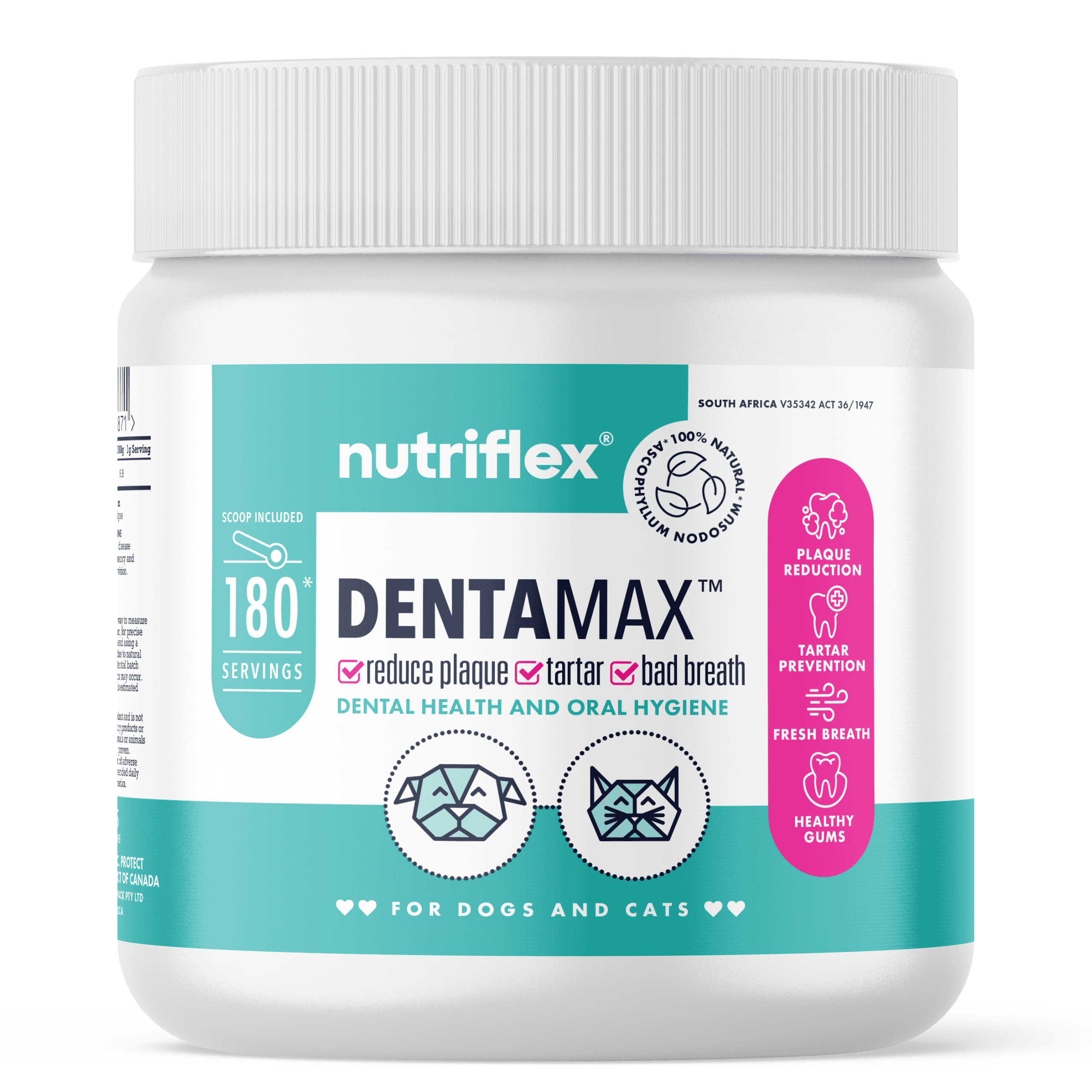
I am Sharon Milani, co-founder of NutriFlex® and the developer of DentaMax™, a 100% pure organic Ascophyllum nodosum dental powder formulated specifically for dogs and cats with a nutrition-first approach to chemical-free dental care. My work over the past decade has focused on systemic plaque reduction, ingredient transparency and evidence-aligned preventative oral health strategies for pets in South Africa.
Simple guide to chemical free dental care:
The Science Behind Chemical Free Dental Care for Pets
Understanding the biology of a dog’s mouth is the first step toward effective chemical free dental care. Unlike humans, dogs have more alkaline saliva, which promotes the mineralisation of plaque into tartar much faster than our own. To address this without harsh synthetics, we can use biomimetic minerals, substances that mimic the natural composition of teeth.
Biomimetic Minerals and Enamel Health
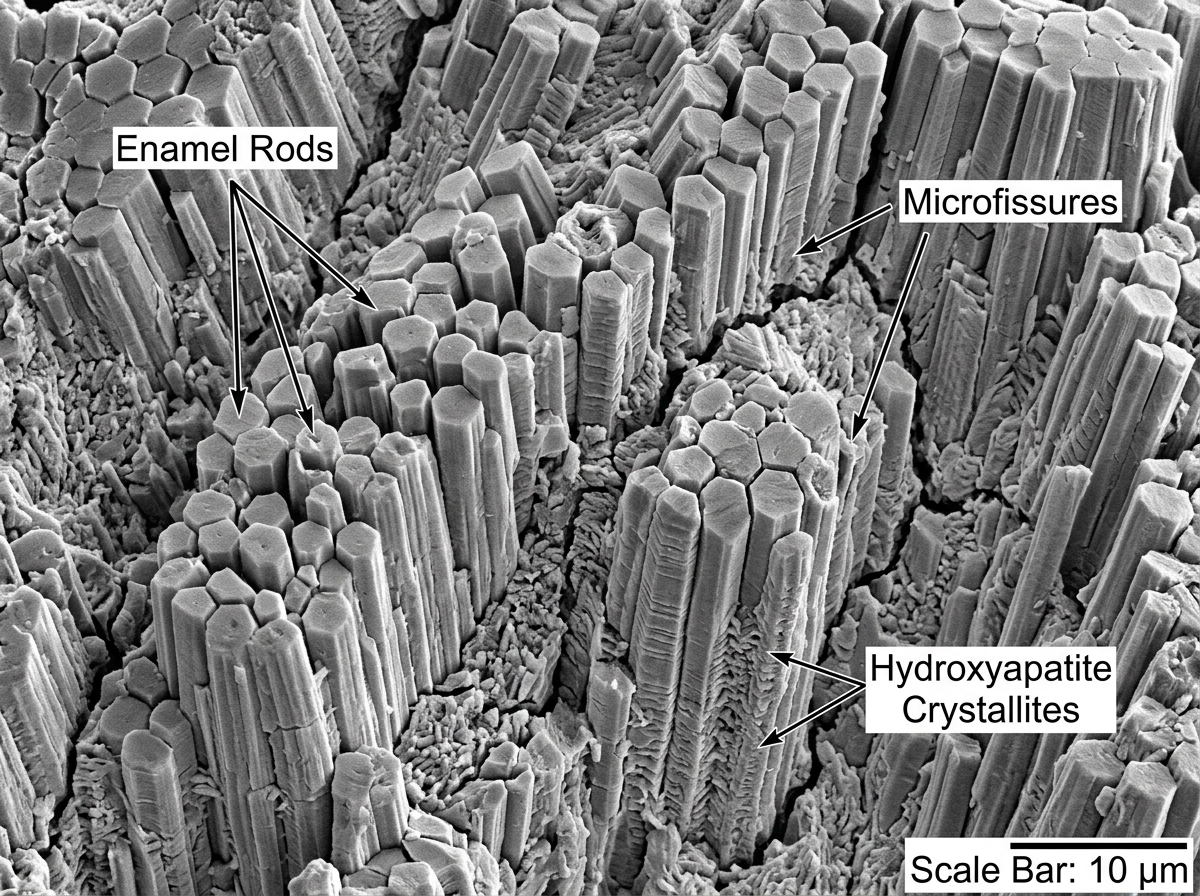
The primary foundation of teeth and bones is a mineral called hydroxyapatite. In fact, hydroxyapatite naturally makes up 97% of tooth enamel and 70% of dentine. In modern holistic dentistry, nano-hydroxyapatite has emerged as a leading ingredient. Originally developed by NASA to help astronauts maintain bone and tooth density in zero gravity, n-Ha works by filling in microscopic fissures on the enamel surface.
When used in pet oral care, n-Ha provides a biocompatible way to support enamel remineralisation. Because it is chemically identical to the tooth’s own structure, it can bond to the enamel, smoothing the surface and making it harder for plaque bacteria to adhere. You can learn more about premium ingredients and their purpose to see how these minerals compare with traditional foaming agents.
Transitioning to natural pet dental solutions allows us to support the mouth’s natural microbiome rather than stripping it away with harsh detergents. By using minerals that the body already recognises, we can provide care that is generally safe if swallowed.
Choosing Chemical Free Dental Care Products for Dogs
Selecting the right products requires a careful look at South African labelling standards and ingredient transparency. We should move away from products with vague “proprietary blends” and expect a full list of what is entering our dogs’ systems.
- Calcium Carbonate: A gentle natural abrasive sourced from limestone that helps polish away surface stains and plaque without damaging the enamel.
- Coconut Oil: Known for its antimicrobial properties, it contains lauric acid which acts against harmful bacteria in the mouth.
- Xylitol Awareness: While xylitol is a popular “natural” sweetener in human dental care because it repels cavity-causing bacteria, it is highly toxic to dogs. Even small amounts can cause life-threatening insulin release and liver failure. Always ensure any “natural” human product you might consider is strictly xylitol-free before letting it near your dog.
- Natural Surfactants: Instead of SLS, look for sodium cocoyl glutamate, which is derived from coconut and provides a gentle cleanse without the risk of mouth ulcers.
For a deeper look at selecting the right routine, explore how to improve dog dental health naturally.
Why Chemical Free Dental Care is Essential for Puppies
Puppies are particularly vulnerable to chemical exposure. During development, their endocrine and immune systems are still maturing. Using conventional products that contain fluoride or artificial dyes can increase exposure to ingredients linked to endocrine disruption at a critical age.
Furthermore, puppies are known for swallowing almost everything. Since fluoride may be harmful when ingested in high amounts, and puppies cannot spit out toothpaste reliably, fluoride-free options are the safer approach. Establishing a chemical free dental care routine early helps with habit formation and supports a balanced oral environment as their permanent teeth emerge.
Natural ingredients can also offer a more palatable experience. Many dogs find the taste of synthetic mint or artificial poultry flavouring off-putting. Switching to natural remedies for fresh breath using botanical extracts can make the daily brushing or cleaning routine more manageable for both of you.
Hidden Toxins in Conventional Pet Oral Products
It is startling to realise that 1.5 billion plastic toothpaste tubes end up in landfills each year, but the environmental impact is only half the story. The ingredients inside those tubes often pose a direct threat to pet wellness.
| Chemical | Conventional Use | The Risk to Pets |
|---|---|---|
| Sodium Lauryl Sulfate (SLS) | Foaming agent | Causes mouth ulcers and canker sores |
| Artificial Dyes | Aesthetic appeal | Linked to behavioural issues and allergies |
| Triclosan | Antibacterial | Can disrupt thyroid hormones and gut health |
| Plastic Microbeads | Abrasive | Environmental pollutant; can lodge in gum pockets |
| Parabens | Preservative | Known endocrine disruptors |
Following holistic dentistry principles, we recognise that the mouth is an absorptive surface. Chemicals placed on the gums enter the bloodstream directly, bypassing the digestive filters of the liver. This is why “non-toxic” must be the standard, not the exception.
Systemic Plaque Control and Ascophyllum Nodosum
While brushing is often called the “gold standard,” for many South African dog owners it is difficult to do consistently. This is where systemic plaque control can be useful. Instead of only cleaning the tooth surface, it aims to influence the oral environment from within.
The Power of A.N ProDen®
The most researched ingredient in this field is Ascophyllum nodosum, a specific species of kelp wild-harvested from cold North Atlantic waters. When ingested, compounds from this seaweed are absorbed and later secreted through the saliva.
This process may help alter the composition of the saliva, creating an environment where plaque bacteria adhere less easily to the teeth. It may also help soften existing tartar, making it easier to reduce through chewing or light brushing.
- Clinical Efficacy: Studies have shown that consistent use of high-quality Ascophyllum nodosum can support reductions in plaque and tartar within a few weeks.
- Iodine Transparency: Because seaweed is naturally high in iodine, it is vital to choose a product that provides clear dosage guidelines in grams or milligrams per kilogram of body weight where relevant, especially for dogs with pre-existing thyroid conditions.
For a comprehensive look at the data, read about the science of Ascophyllum nodosum and how marine algae affects plaque bacteria.
Holistic Practices for Toxin-Free Maintenance
Beyond what you put in the food bowl or on the toothbrush, holistic dental care involves lifestyle practices that support the body’s natural cleaning mechanisms.
Natural Home Practices
- Oil Pulling with Coconut Oil: While you cannot ask a dog to swish oil for 20 minutes, you can apply a small amount of organic coconut oil to their gums. Its antimicrobial properties help reduce the bacterial load in the mouth naturally.
- Tongue Scraping: Bacteria often congregate on the back of the tongue. Using a soft, pet-safe tongue scraper or even a damp cloth can significantly reduce bad breath and biofilm formation. Learn how to remove tartar from dog teeth naturally for more tips.
- Raw Meaty Bones: Under strict supervision, raw (never cooked) bones act as nature’s toothbrush, providing mechanical abrasion that scrapes away plaque while the dog enjoys a species-appropriate activity.
Professional Holistic Care
In cities like Johannesburg and Cape Town, more veterinarians are offering minimally invasive treatments. This includes ozone therapy—using O3 gas to destroy bacteria and fungi in gum pockets without the need for harsh antibiotics—and the use of biocompatible materials for any necessary dental repairs.
When choosing a supplement to support these practices, ensure you are using the best kelp powder for dogs available in the South African market to guarantee purity and results.
Frequently Asked Questions about Non-Toxic Oral Care
Is fluoride-free toothpaste safe for dogs with sensitive teeth?
Yes, it is often the safer option. Conventional sensitive toothpastes often use potassium nitrate to numb the nerves. Chemical free dental care options may use nano-hydroxyapatite, which helps support enamel repair and may help block the dentine tubules associated with sensitivity.
How does seaweed supplementation reduce plaque systemically?
When your dog eats Ascophyllum nodosum, the body absorbs its polyphenols and other compounds. These compounds travel through the blood to the salivary glands. Once secreted into the mouth in the saliva, they may help disrupt the sticky biofilm that allows bacteria to cling to the teeth.
What are the risks of PFAS and PFOA in dental floss for pets?
Many conventional dental flosses are coated with “forever chemicals” like PFAS to help them slide between teeth. These chemicals have been linked to endocrine disruption and cancer concerns. For pets, who might chew on or swallow bits of floss, choose natural silk or plant-based fibres that are unwaxed or coated in natural beeswax.
Conclusion
Transitioning to a chemical free dental care routine is one of the most impactful choices you can make for your pet’s longevity. By avoiding the hidden toxins in conventional products and embracing the systemic power of ingredients like Ascophyllum nodosum, you are protecting your pet from the “gateway” of dental disease.
At DentaMax™, our mission is to provide South African pet owners with the education and evidence-based tools they need to maintain healthy smiles naturally. Whether you are in Muizenberg or Sandton, the principles of holistic oral health remain the same: purity, transparency and a deep respect for your pet’s biological needs.
Ready to start your journey toward a cleaner, healthier smile for your dog or cat? Explore the DentaMax Dog and Cat Dental Powder and see the difference that 100% organic, systemic support can make.