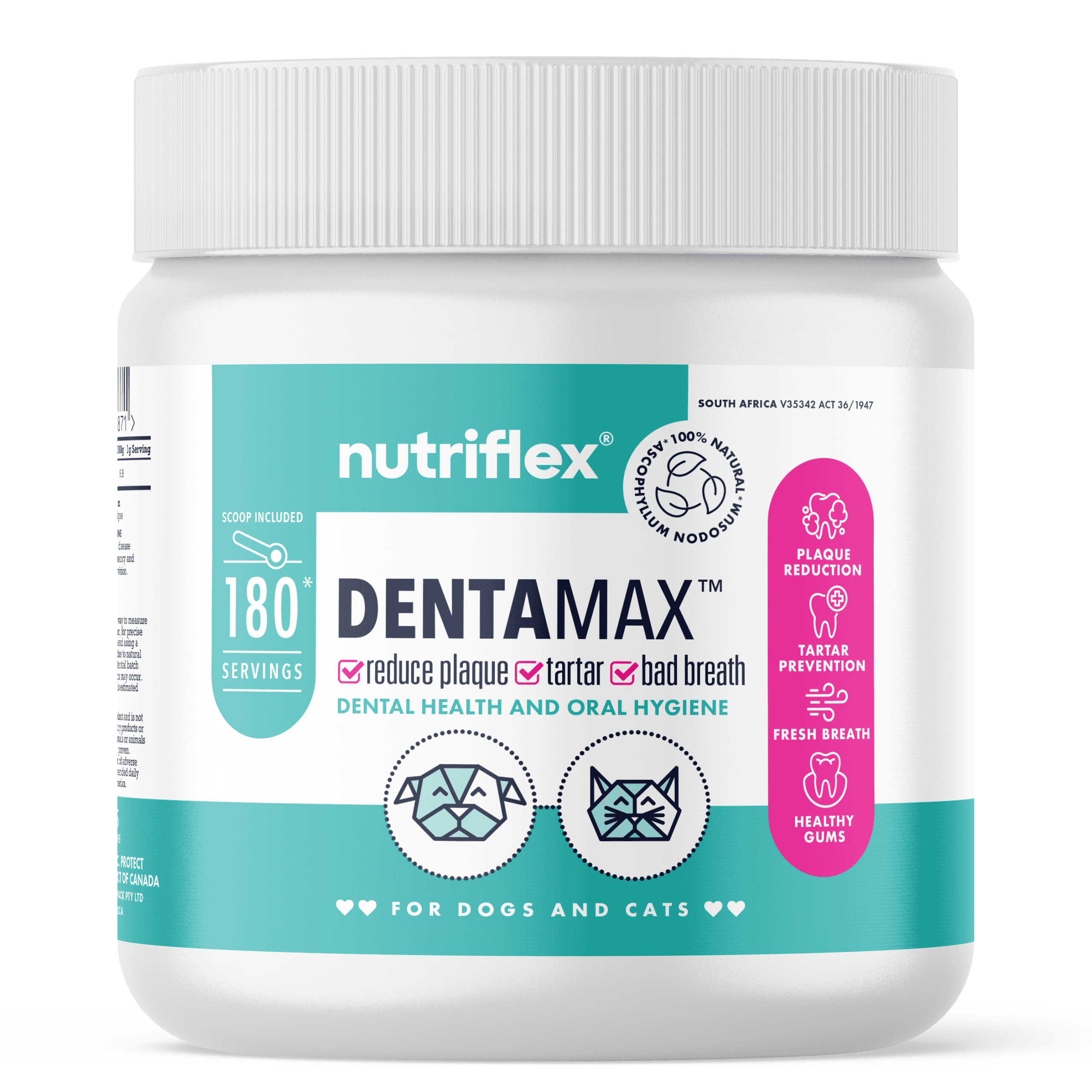
Understanding the shift from plaque to tartar
To manage your dog’s oral health effectively, we must first understand the enemies we are fighting: plaque and tartar. Plaque is a sticky, colourless biofilm consisting of bacteria and food particles that constantly forms on the teeth. If you have ever felt a “fuzzy” sensation on your own teeth after a long day, you have experienced plaque.
In dogs, this process is incredibly rapid. Plaque begins to accumulate within hours after a meal. If it is not disturbed through mechanical or systemic means, it begins to interact with minerals found naturally in your dog’s saliva, such as calcium. This interaction causes the soft plaque to mineralise, transforming it into a rock-hard substance known as tartar or dental calculus.
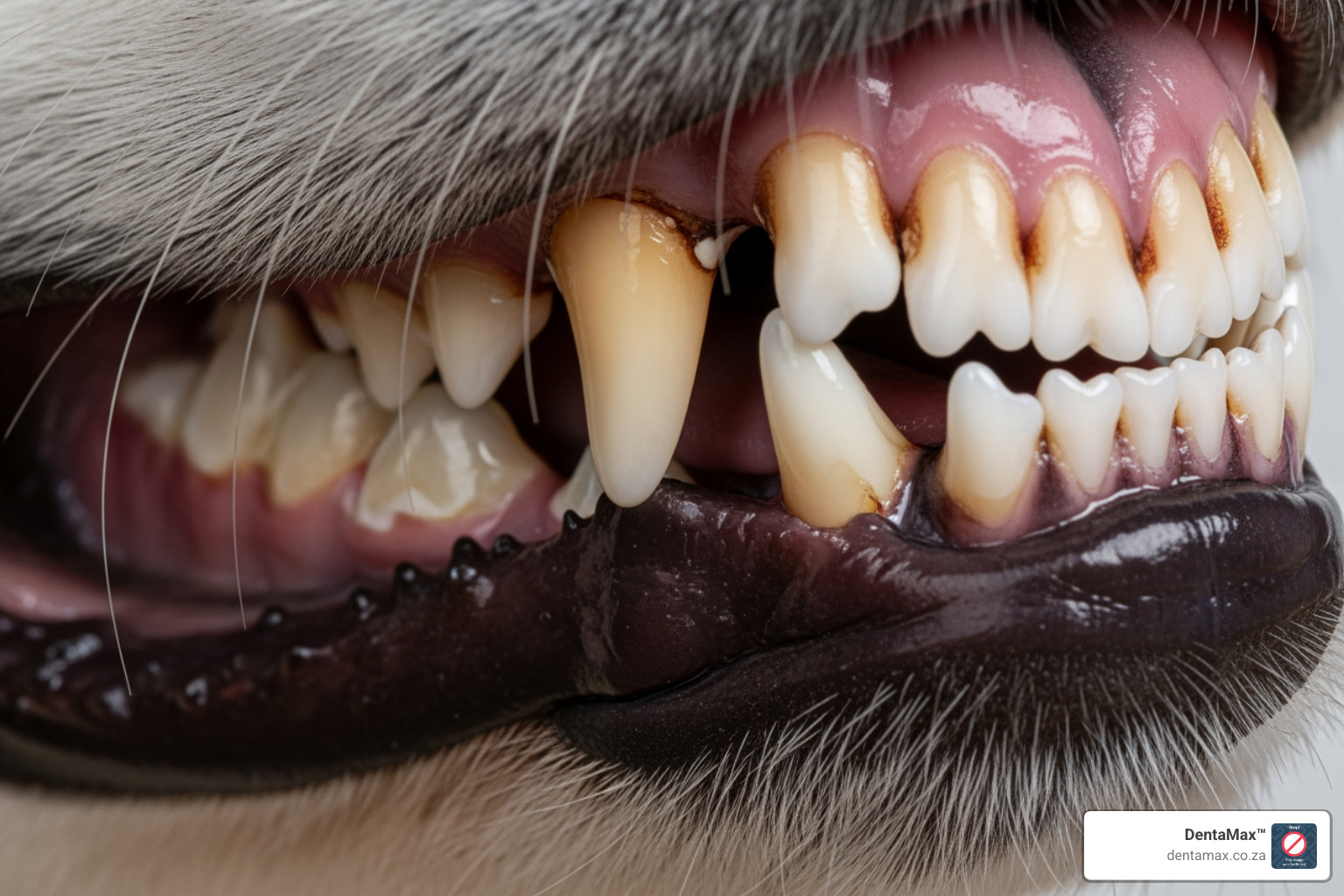
While plaque can be seen on the teeth after just 24 hours, the window for easy removal is short. Plaque can harden into tartar in as little as 3 to 5 days. Once this calcification occurs, the bond to the tooth enamel is so strong that standard brushing is often insufficient to remove it. You can learn more about this transition by exploring How Plaque Turns to Tartar and the specific differences in Plaque vs Tartar in Dogs.
Systemic risks of untreated buildup
The presence of tartar is not merely a cosmetic issue. Tartar creates a rough surface that allows even more plaque to attach, eventually pushing under the gumline. This leads to gingivitis (inflammation of the gums), which is the first stage of periodontal disease.
As the condition progresses, the bacteria associated with tartar can enter the bloodstream through inflamed gum tissue. This systemic spread is a significant concern for South African pet owners, as these bacteria have a predilection for settling on heart valves, leading to endocarditis, or causing chronic inflammation in the kidneys and liver. Research suggests that dogs without regular dental care have a three times higher risk of developing infective endocarditis. Understanding How Tartar Damages Dog Teeth is the first step in preventing these life-threatening complications.
Dog tartar natural removal through mechanical action
Mechanical cleaning remains a cornerstone of dog tartar natural removal. By physically disrupting the biofilm, we prevent the mineralisation process from completing. A small study from Rutgers University provided fascinating insights into how different mechanical methods compare.
The study found that raw bones reduced oral bacteria by 79%, while brushing with canine toothpaste followed closely at 70.3%. Even bully sticks and vegetable-based chews showed significant reductions of 60.2% and 54.6% respectively. This suggests that there is no single “correct” way to clean teeth; rather, a combination of methods often yields the best results. For a deeper dive into these techniques, see Natural Dental Care for Dogs: Safe Ways to Reduce Plaque and Odor and our guide on How to Remove Tartar from Dog Teeth Naturally.

Mechanical tools for dog tartar natural removal
When selecting tools for home care, we recommend focusing on items that are gentle yet effective.
- Enzymatic Toothpaste: Unlike human toothpaste, which contains fluoride and xylitol (both toxic to dogs), enzymatic pastes use proteins to break down food particles and bacteria chemically.
- Coconut Oil: Many South African owners prefer a more “pantry-stable” approach. Coconut oil contains lauric acid, which has natural antimicrobial properties. While it won’t dissolve hardened tartar on its own, it makes for an excellent, palatable lubricant for brushing.
- Soft-Bristled Brushes and Finger Cloths: For dogs that resist a traditional toothbrush, a microfibre finger cloth or a silicone finger brush can be a less intimidating starting point.
Consistent use of these tools helps maintain a healthy mouth between professional visits. You can find more Easy Ways to Keep a Dog’s Teeth Clean through simple daily habits.
Safe chewing practices for South African dogs
Chewing is a dog’s natural way of flossing. In our local context, raw meaty bones are a popular choice for dog tartar natural removal. When a dog gnaws on a raw bone, the fibrous tissue and bone surface act as a natural abrasive, scrubbing the teeth down to the gumline.
However, safety is paramount. We must never feed cooked bones, as they become brittle and splinter, posing a risk of internal perforation. Instead, choose raw poultry necks for smaller dogs or beef ribs and knuckle bones for larger breeds. Always supervise your dog during chewing sessions and remove the bone once it is small enough to be swallowed whole. For those who prefer a DIY approach, these 5 Homemade Dog Dental Chews To Reduce Tartar For Healthy Gums offer excellent alternatives.
Systemic support and dog tartar natural removal
While mechanical scrubbing is vital, it only cleans what the brush or bone can touch. This is where systemic support becomes a game-changer for dog tartar natural removal. Systemic care involves using specific nutrients that, once ingested, are absorbed into the bloodstream and later excreted through the saliva to work on the teeth from the inside out.
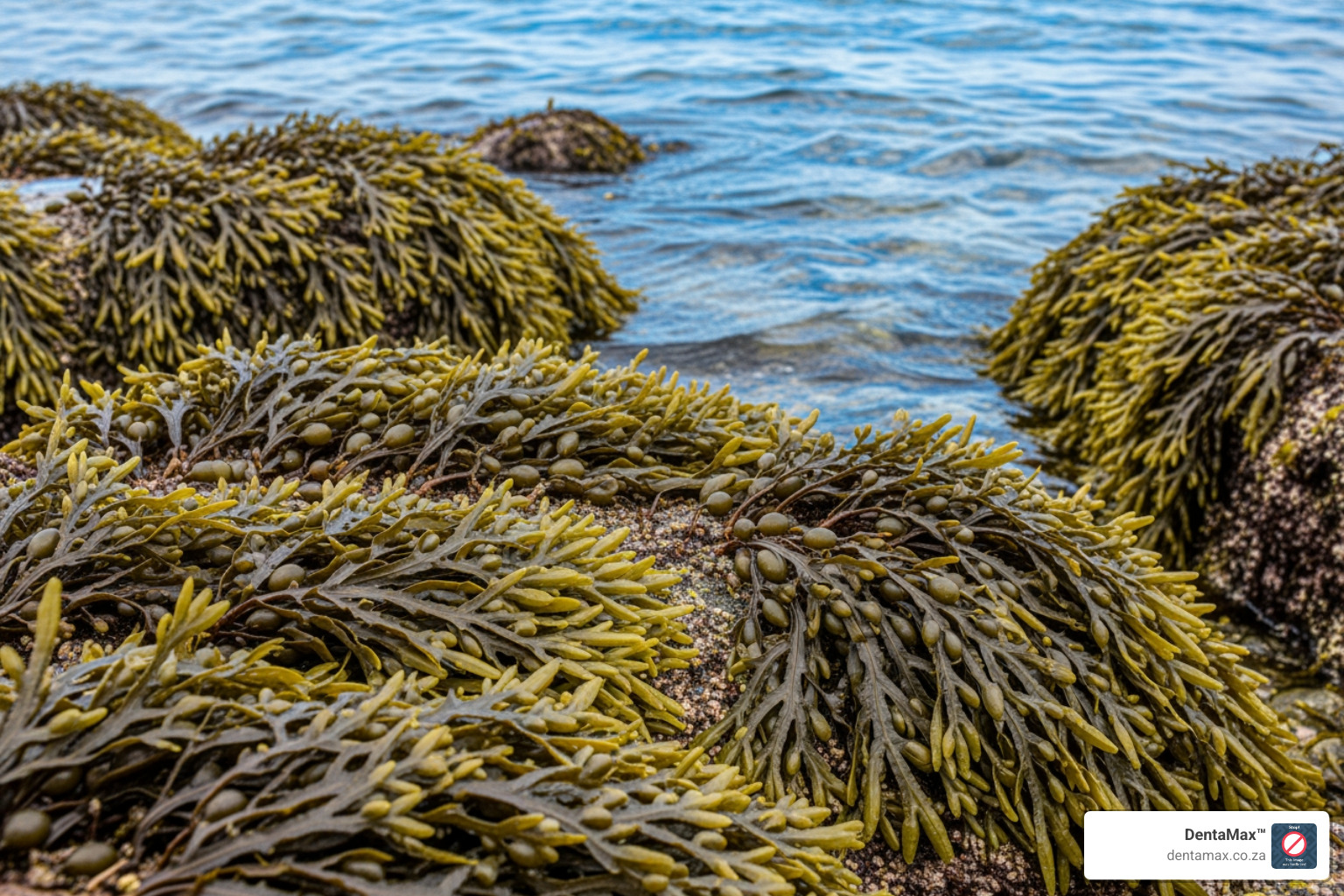
The primary hero of this approach is Ascophyllum nodosum, a specific species of North Atlantic seaweed. This is not your average kelp; it contains unique bioactive compounds that alter the composition of the saliva.
The role of Ascophyllum nodosum
When a dog consumes Ascophyllum nodosum, the active compounds work to disrupt the bacterial biofilm. It essentially makes the tooth surface “slippery,” preventing plaque from sticking and mineralising. Over a 4 to 6 week timeline, owners typically notice:
- A significant reduction in existing soft plaque.
- Fresher breath due to the reduction of volatile sulfur compounds produced by oral bacteria.
- Existing tartar becoming softer and more brittle, making it easier to remove through mechanical brushing.
This seaweed-based approach is backed by randomised, placebo-controlled trials showing improved gingival health and reduced calculus. You can read more about Natural Remedies for Softening and Removing Plaque in Dogs and The Science Behind Plaque Powder for Dogs and How It Works. For a detailed look at the biology, see Systemic Plaque Control Explained for Dogs.
Dietary strategies for dog tartar natural removal
Diet plays a massive role in how quickly plaque forms. Many commercial kibbles are high in starch, which creates a sugary residue that sticks to the teeth—essentially “doggy glue” for bacteria.
Reducing dietary starch and moving toward a species-appropriate raw or minimally processed diet can change the pH of the mouth, making it less hospitable to plaque-forming bacteria. Raw meat contains natural enzymes that do not stick to the teeth in the same way that grain-based starches do. Understanding Why Dogs Get Plaque Buildup often starts with looking at the food bowl.
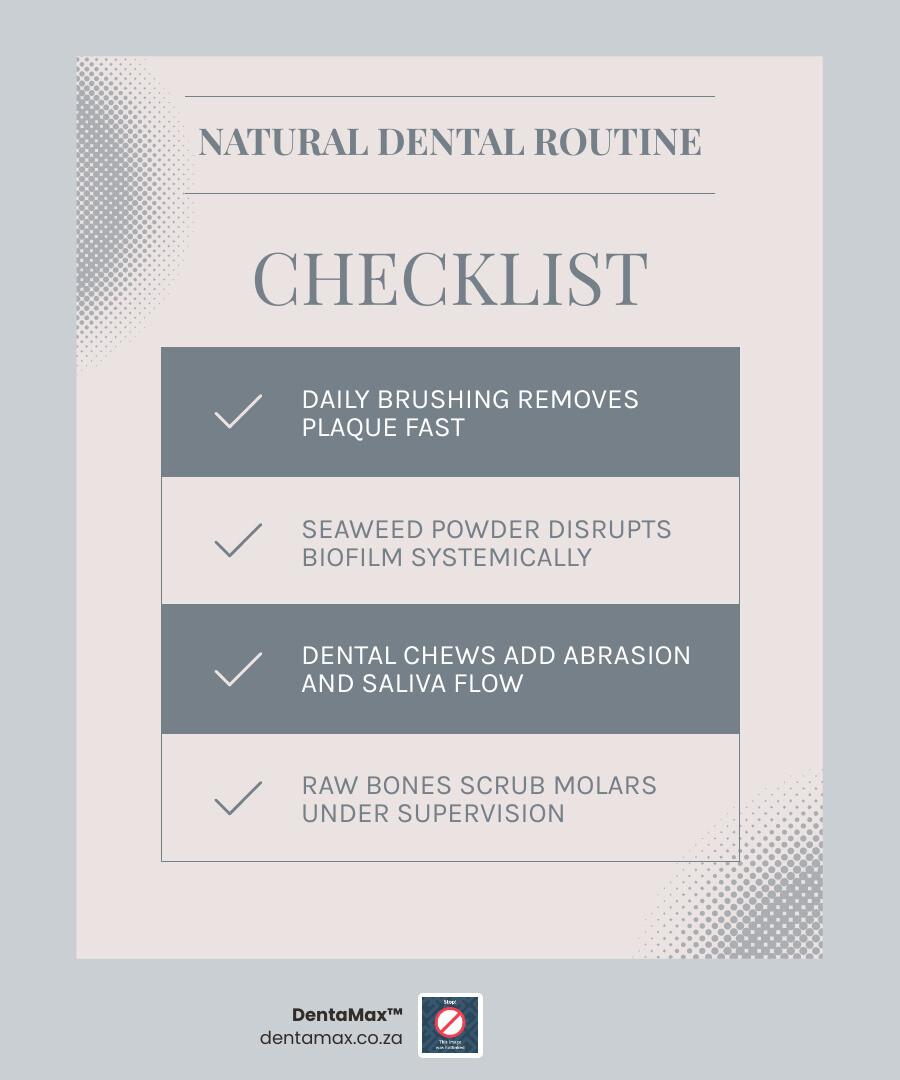
Best practices for at home dental maintenance
Consistency beats intensity every time. Brushing once a month does very little, but a 30-second daily routine can transform your dog’s health. In the South African climate, where bacteria thrive in warmer temperatures, daily vigilance is even more important.
| Method | Effort Level | Primary Benefit | Best For |
|---|---|---|---|
| Brushing | High | Immediate plaque removal | Cooperative dogs |
| Seaweed Powder | Low | Systemic biofilm disruption | All dogs, especially those who hate brushing |
| Dental Chews | Medium | Mechanical abrasion + Saliva stimulation | Active chewers |
| Raw Bones | Medium | Intense scrubbing of molars | Supervised, non-aggressive chewers |
To get the most out of your routine, we recommend How to Improve Dog Dental Health Naturally by combining at least one mechanical method with a systemic supplement.
Training resistant dogs
If your dog flees at the sight of a toothbrush, do not despair. The goal is desensitisation. Start by simply lifting the lip and rubbing the gums with your finger dipped in something tasty, like coconut oil or a bit of peanut butter (xylitol-free).
Gradually progress to a soft cloth, then a finger brush, and finally a toothbrush. Always use high-value rewards to create a positive association. If manual handling remains a struggle, focus on “zero-contact” methods like adding Ascophyllum nodosum powder to their food. This ensures they still receive dental support without the stress of a physical struggle. Veterinary insights on Dog Tartar Removal at Home: How to Do It SAFELY can help you navigate this training.
Natural tartar buildup reducers
In addition to seaweed, other natural ingredients can support a clean mouth. Sea kelp provides essential minerals, while activated charcoal can help neutralise odours and bind to some toxins. Peppermint oil, used in very small, pet-safe concentrations, provides antibacterial benefits and freshens breath instantly. These Natural Tartar Buildup Reducers That Actually Work can be powerful allies in your daily kit.
When natural methods reach their limit
We must be realistic about what home care can achieve. Natural methods are excellent for prevention and for softening mild buildup, but they have limits. If your dog has thick, brown “stone-like” deposits, bleeding gums, or loose teeth, it is time for a professional intervention.
Professional scaling under anaesthesia allows a veterinarian to clean subgingivally—under the gumline—where the most damaging bacteria hide. No home method, no matter how natural, can safely clean under the gums of a conscious dog. Once the vet has provided a clean slate, you can use your natural toolkit to maintain those results for as long as possible. Check out our recommendations on how to Say Goodbye to Gunk with These Top Dog Tartar Removers to keep that professional shine.
Frequently Asked Questions about dog dental care
How quickly does plaque turn into tartar?
Plaque begins forming within hours of a meal. If it is not removed through brushing or chewing, it can begin to mineralise and harden into tartar in as little as 24 to 48 hours, becoming fully calcified within 3 to 5 days.
Can coconut oil actually dissolve existing tartar?
No. While coconut oil has antimicrobial properties that can slow down the formation of new plaque, it does not have the chemical or mechanical power to dissolve hardened, calcified tartar. It is best used as a healthy toothpaste alternative for daily brushing.
Is seaweed safe for dogs with thyroid conditions?
Ascophyllum nodosum is naturally rich in iodine. While this is beneficial for most dogs, those with diagnosed hyperthyroidism or other thyroid sensitivities should consult their veterinarian before use. Transparency in iodine content is a hallmark of high-quality dental supplements.
Conclusion
At DentaMax™, we believe that an informed owner is a dog’s best defence against dental disease. By combining the mechanical power of brushing and chewing with the systemic benefits of Ascophyllum nodosum, you can significantly improve your dog’s quality of life and potentially reduce the frequency of expensive veterinary dental procedures.
Our focus remains on evidence-based education and providing South African pet owners with the tools they need for systemic health. A healthy mouth is the gateway to a healthy body. For more info about seaweed dental support, continue exploring our resources and start your journey toward a brighter, healthier smile for your companion today.