80% of Dogs Have Dental Disease by Age Three. Here Is What You Can Do About It Naturally.
Natural plaque remover dogs solutions that actually work include the following options, ranked from most evidence-supported to supplementary:
- Ascophyllum nodosum (kelp) powder added daily to food, works systemically via saliva to disrupt plaque biofilm
- Raw meaty bones (appropriately sized, supervised) for mechanical abrasion and natural enzyme action
- Daily tooth brushing with a dog-safe toothpaste or coconut oil using a finger brush or gauze pad
- Dental chews and treats with natural enzymes as a supplementary method
- Water additives and dental powders containing natural ingredients like parsley and spearmint
- Crunchy raw vegetables such as carrot sticks and apple slices as low-risk daily additions
Most dogs will see improvements in breath and early plaque reduction within four to six weeks of consistent daily supplementation. Existing heavy tartar requires professional veterinary cleaning under anaesthesia before natural maintenance can be effective.
Plaque starts forming on your dog’s teeth within hours of eating. Left untreated, it mineralises into hard tartar in as little as three to five days. By the time most South African dog owners notice the yellowing along the gumline or the persistent bad breath, the process is already well underway.
Around 80% of dogs show signs of dental disease by age three. That is not a rare condition. It is the default outcome when daily oral care is absent. According to the World Small Animal Veterinary Association, dental disease is the most common medical condition seen in small animal practice.
The good news is that consistent, preventive routines using natural approaches can meaningfully slow or prevent this progression, without a vet visit every few months.

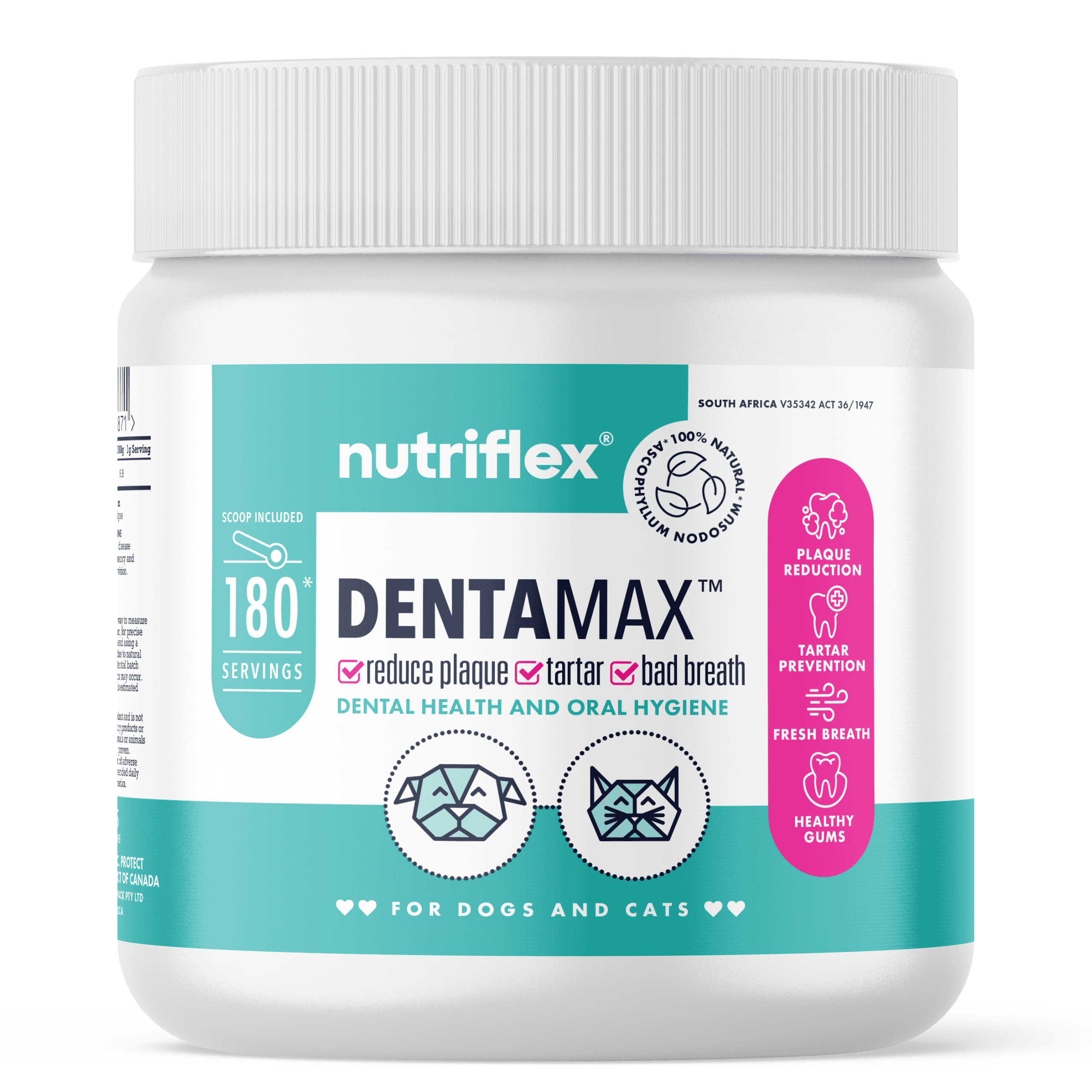
I’m Sharon Milani, Co-Founder and Director of NutriFlex® and the developer of DentaMax™, a 100% pure organic Ascophyllum nodosum dental powder formulated specifically for dogs and cats in South Africa. My work in evidence-based pet nutrition has focused extensively on systemic natural plaque remover dogs mechanisms, ingredient transparency and iodine-safe supplementation aligned with South African regulatory standards.
Explore more about natural plaque remover dogs:
Understanding Plaque and Tartar in Dogs
To choose an effective natural plaque remover dogs strategy, we must first understand what we are fighting. Plaque is a sticky, colourless biofilm made of bacteria and food particles. It begins to form on the tooth surface almost immediately after a meal. If this biofilm is not disrupted through mechanical or systemic means, it reacts with minerals in the dog’s saliva.
This chemical reaction leads to mineralisation. Within 72 to 120 hours, soft plaque transforms into dental calculus, commonly known as tartar. Unlike plaque, tartar is hard, porous and firmly bonded to the enamel. It cannot be brushed away.
When tartar builds up along the gumline, it provides a sanctuary for anaerobic bacteria. These bacteria trigger an immune response, leading to gingivitis (red, inflamed gums). If left unchecked, this progresses to periodontal disease, where the structures supporting the teeth are destroyed.
The danger is not limited to the mouth. Bacteria from infected gums can enter the bloodstream, potentially causing systemic health issues. Research suggests a link between severe dental disease and damage to vital organs, including the heart, kidneys and liver. Understanding what is plaque in dogs and how plaque turns to tartar is the first step in protecting your pet’s long-term wellness.
Plaque vs Tartar in Dogs
There are distinct plaque vs tartar in dogs differences that every South African pet owner should recognise. Plaque is a soft bacterial colony that is often invisible to the naked eye unless it becomes thick enough to appear as an off-white film. Because it is soft, it can be removed with a toothbrush or specific dietary enzymes.
Tartar is a calcified deposit that appears as yellow, brown or even greyish crusting on the teeth. It is rough to the touch and serves as a breeding ground for more plaque. While a natural plaque remover dogs supplement can help soften this deposit over time, heavy tartar usually requires professional intervention to prevent bone loss.
Breeds Prone to Tartar Buildup
While all dogs are at risk, certain breeds in South Africa are genetically predisposed to faster buildup. Brachycephalic (flat-faced) breeds like Pugs and Bulldogs often suffer from crowded dentition. Their teeth are frequently rotated or overlapping, creating tight spaces where food and bacteria become trapped.
Toy breeds, such as Yorkshire Terriers and Chihuahuas, are also high-risk. They have large teeth relative to their small jaws, leading to malocclusion (poor alignment). This prevents the natural self-cleaning mechanism of chewing. For these breeds, a systemic natural plaque remover dogs approach is often more practical than mechanical brushing alone.
The Power of Systemic Natural Plaque Remover Dogs
The most significant advancement in natural pet dental care is the use of Ascophyllum nodosum, a specific type of organic kelp harvested from the North Atlantic. This species of brown algae is widely studied for its unique bioactive compounds. Unlike traditional dental chews that rely on scraping the tooth, this marine algae works systemically.
When a dog ingests Ascophyllum nodosum, the active compounds are absorbed into the bloodstream and eventually excreted through the salivary glands. This changes the chemical composition of the saliva, allowing it to disrupt the plaque biofilm continuously, even in hard-to-reach areas between teeth and under the gumline. This is why many experts consider it the premier natural plaque remover dogs solution.
You can read more about the science of Ascophyllum nodosum and how marine algae affects plaque bacteria to understand this biological process.
Mechanism of Action for Marine Algae
The systemic pathway is what sets this method apart. Once the kelp is digested, its natural enzymes and anti-adhesive properties enter the mouth via saliva. These compounds work to prevent bacteria from sticking to the tooth enamel in the first place. Furthermore, they help to break down the “glue” that holds existing tartar together, making it softer and easier to remove through chewing or brushing. For a deeper look, see our guide on systemic plaque control explained for dogs.
Expected Timeline for Results
Patience is vital when using a natural plaque remover dogs supplement. Because the process is systemic, it takes time for the compounds to build up in the saliva.
- Weeks 1 to 2: You may notice an improvement in the “doggy breath” as oral bacteria levels begin to stabilise.
- Weeks 3 to 8: This is the typical window where plaque begins to soften. You might see tartar starting to flake off during chewing sessions or when you lightly rub the teeth.
- Ongoing: Consistent daily use is required to prevent new biofilm from mineralising.
Dietary Strategies and Raw Meaty Bones
Diet plays a massive role in oral health. There is a common myth that dry kibble cleans teeth. In reality, most dogs swallow kibble whole or it shatters into small, starchy fragments that actually stick to the teeth, providing fuel for plaque bacteria.
Raw feeding, or incorporating raw meaty bones, offers a more natural solution. Raw meat contains live enzymes that help break down dental biofilm. The physical act of gnawing on a bone provides mechanical abrasion, acting like a natural toothbrush and floss. This is a powerful natural plaque remover dogs technique used by many holistic pet owners in South Africa.
Learn more about how to remove tartar from dog teeth naturally through dietary changes.
Safe Chewing Practices
While effective, raw bones must be used safely. Never feed cooked bones, as they become brittle and can splinter, causing internal injury.
- Supervision: Always watch your dog while they are chewing.
- Size Appropriateness: The bone should be large enough that the dog cannot swallow it whole. For a Boerboel, a large beef marrow bone is appropriate; for a Jack Russell, a chicken neck or wing may suffice.
- Risk Management: Be aware that very hard bones (like large marrow bones) can occasionally cause slab fractures in aggressive chewers.
Natural Dental Treats and Fruits
If you prefer to avoid raw bones, certain fruits and vegetables can assist. Crunchy, fibrous snacks like carrot sticks or apple slices (without seeds) help scrape away soft plaque. These are excellent, low-calorie additions to a natural pet dental solution.
Effective Natural Dental Products and Additives
For many South African pet owners, convenience is key. Dental powders and water additives offer a “no-brush” alternative that fits easily into a busy routine. These products often combine systemic ingredients with breath fresheners.
The magic of daily kelp oral supplements lies in their simplicity. You simply sprinkle the required amount onto your dog’s breakfast.
Best Natural Plaque Remover Dogs Supplements
When selecting a supplement, look for North Atlantic wild-harvested Ascophyllum nodosum. Quality matters, especially regarding iodine levels. A high-quality natural plaque remover dogs powder should provide:
- Iodine Transparency: Clear information on iodine content is essential, as seaweed is naturally high in this mineral.
- Standardised Dosing: Most effective powders recommend approximately 330mg of active kelp per 10kg of body weight.
- Pure Ingredients: Avoid fillers, grains or artificial flavours.
Check our analysis of natural plaque control ingredients for dogs and cats for more details.
Natural Breath Fresheners
Bad breath is usually a symptom of bacterial overgrowth. Ingredients like parsley and spearmint do more than just mask the smell; they contain chlorophyll and antimicrobial properties that support a healthier oral environment. Furthermore, addressing gut health with probiotics can often resolve “stinky breath” that originates from the digestive tract. Explore natural remedies for fresh breath to keep those puppy kisses pleasant.
Introducing a Natural Plaque Remover Dogs Brushing Routine
While systemic supplements do the heavy lifting, mechanical brushing remains the “gold standard” for removing soft plaque before it hardens. If your dog hates the toothbrush, start slow.
You can find detailed tips on how to remove plaque from dogs’ teeth and how to improve dog dental health naturally on our educational portal.
Step-by-Step Brushing Guide
- The Finger Rub: Start by simply lifting your dog’s lip and rubbing their teeth with your finger dipped in something tasty, like organic coconut oil.
- The Gauze Pad: Once they are comfortable, wrap a piece of medical gauze around your finger. The texture helps “scrub” the biofilm.
- The Finger Brush: Progress to a soft silicone finger brush.
- Circular Motions: Focus on the outside surfaces of the teeth near the gumline, using gentle circular motions.
- Reward: Always end the session with praise or a healthy treat to build a positive association.
Natural Toothpaste Alternatives
Never use human toothpaste. It contains fluoride and xylitol, both of which are toxic to dogs. Organic, unrefined coconut oil is a fantastic natural plaque remover dogs alternative. It has natural antibacterial properties (thanks to lauric acid) and most dogs love the taste. Some owners use a tiny pinch of baking soda for its abrasive qualities, but use this sparingly as it can upset the stomach if swallowed in large amounts. See our list of top natural pet mouth cleaners for more ideas.
When Natural Methods Aren’t Enough
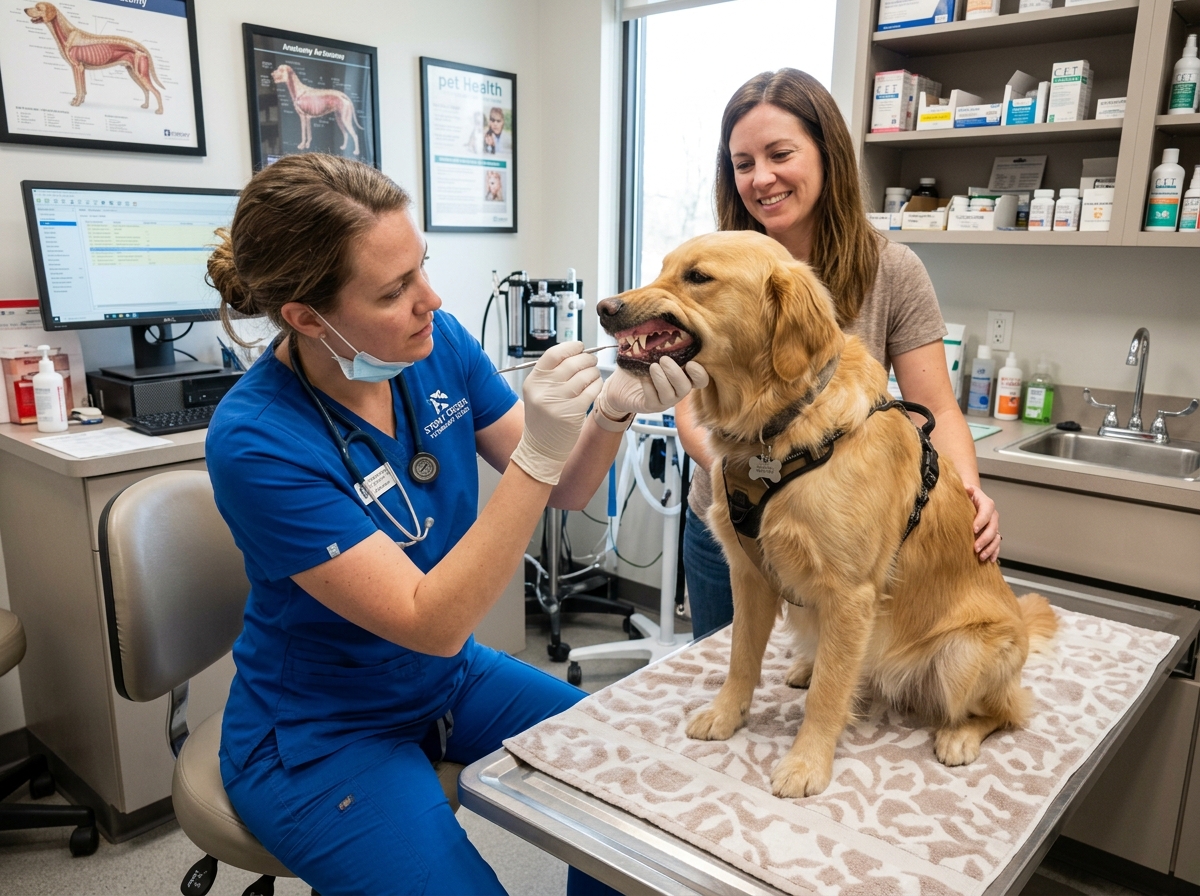
Natural remedies are most effective as preventive measures or for mild buildup. If your dog’s teeth are already encased in thick, brown tartar or if their breath smells like rotting fish, it is time to see a veterinarian.
Severe dental disease requires professional scaling and polishing under general anaesthesia. This allows the vet to clean subgingivally (under the gumline), where the most damage occurs. Plaque on dog teeth that has caused infection cannot be “cured” with kelp alone.
Signs Your Dog Needs a Vet
- Persistent Halitosis: Breath that remains foul despite home care.
- Bleeding Gums: Redness or blood on chew toys or in the water bowl.
- Difficulty Eating: Dropping food, chewing on one side or refusing hard kibble.
- Facial Swelling: This often indicates a tooth root abscess.
- Excessive Drooling: Especially if the saliva is tinged with blood.
Risks of Non-Sedation Scaling
You may see services in South Africa offering “anaesthesia-free” dental cleaning. While well-intentioned, these are generally not recommended by veterinary dental authorities. The American Veterinary Dental College provides detailed reasons why these procedures are insufficient for treating periodontal disease. Without sedation, it is impossible to clean the inside surfaces of the teeth or the deep pockets under the gumline. It can also be incredibly stressful for the dog and carries a risk of accidental injury if the dog flinches while sharp tools are in their mouth.
Frequently Asked Questions about Natural Plaque Removal
How long does it take for natural plaque removers to work?
For systemic solutions like Ascophyllum nodosum, expect to see results in four to eight weeks. Mechanical methods like brushing or raw bones show immediate results on soft plaque but may take weeks to wear down existing tartar.
Can raw bones really remove existing tartar?
Yes, the abrasive action of gnawing can “chip” away at softened tartar. However, it is most effective when used alongside a systemic natural plaque remover dogs supplement that weakens the tartar’s bond to the tooth.
Is kelp safe for dogs with thyroid issues?
Kelp is naturally high in iodine. While beneficial for most, it may not be suitable for dogs with pre-existing thyroid conditions like hyperthyroidism. Always consult your South African vet before starting a kelp-based supplement if your dog has a known thyroid issue.
Conclusion
Maintaining your dog’s oral health does not have to be a constant struggle of expensive vet visits. By combining the systemic power of Ascophyllum nodosum with appropriate chewing and a basic brushing routine, you can effectively manage plaque and tartar at home.
At DentaMax™, we are committed to providing South African pet owners with the evidence-based education needed to make informed choices. The best time to start a natural dental care routine was yesterday; the second best time is today. Your dog’s comfort and longevity depend on the health of their smile.