Why a Kelp Supplement for Dogs Is Worth Your Attention
Kelp supplement for dogs is one of the most researched natural options for supporting canine dental health, immunity and coat condition. Here is a quick overview of what you need to know:
- Best use: Daily oral health support, plaque and tartar reduction and coat and skin health
- Key ingredient to look for: Ascophyllum nodosum (a specific brown seaweed with published dental research)
- How it works: Absorbed systemically and excreted through saliva, helping disrupt plaque-forming biofilm on teeth
- Who should avoid it: Dogs with hyperthyroidism or active thyroid conditions
- Typical results: Noticeable improvement in plaque and bad breath within 3 to 8 weeks of daily use
- How to use it: Sprinkled as a powder on food once daily, dosed by body weight in grams
Seaweed has been used as a health supplement for animals for nearly a century. Juliette de Bairacli Levy, a pioneering herbal veterinarian, was recommending it for dogs as far back as the 1930s. At the time, mainstream veterinarians were sceptical. Today, the science has caught up.
Two published studies found that dogs given Ascophyllum nodosum supplements had measurably less dental plaque than dogs that did not receive them. Yet most South African dog owners have never heard of it.
That gap between evidence and awareness is exactly what this guide addresses.
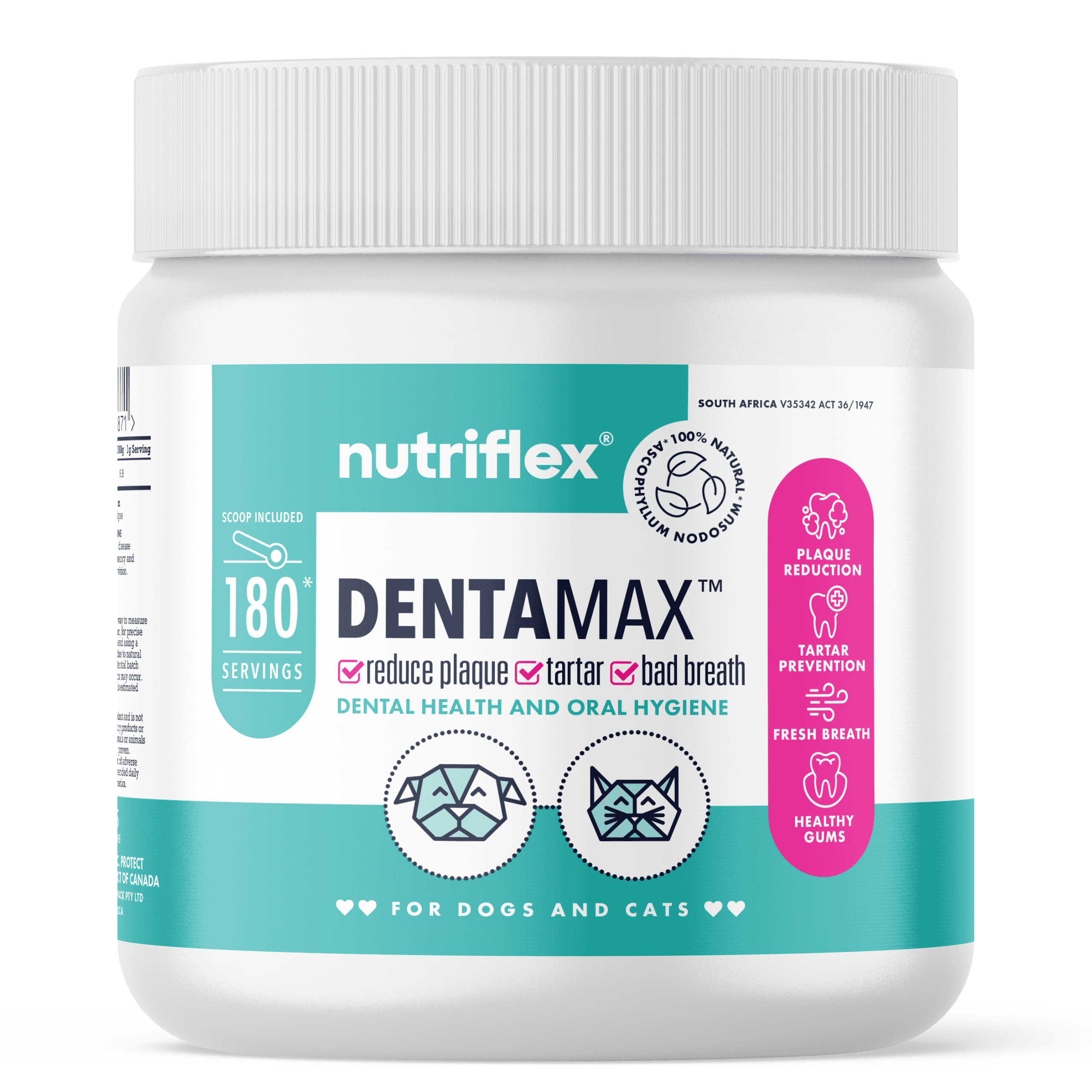
I’m Sharon Milani, Co-Founder of NutriFlex® and the formulator behind DentaMax™, a 100% pure organic Ascophyllum nodosum dental powder developed in alignment with published research on systemic plaque reduction. My work in evidence-based kelp supplement for dogs formulation spans regulatory compliance, iodine safety and preventative oral health within the South African pet supplement market. In the sections that follow, I will walk you through the science, the safety considerations and how to choose a product that actually delivers results.
Key terms for kelp supplement for dogs:
What is a Kelp Supplement for Dogs?
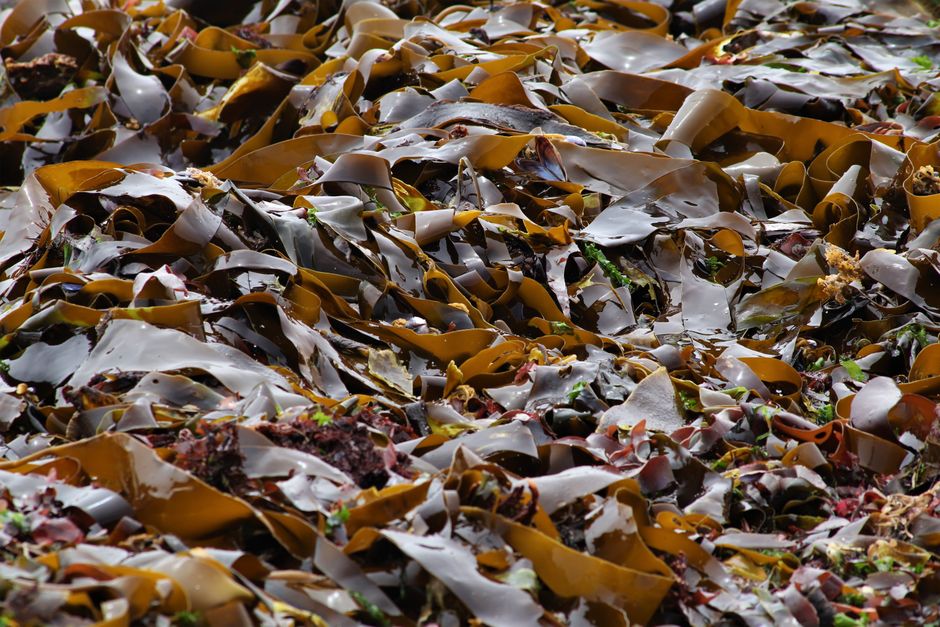
When we talk about a kelp supplement for dogs, we are referring to a specific group of brown seaweeds that grow in nutrient-rich, cold ocean waters. While there are over 10 000 species of seaweed, the most potent for canine health belong to the families Laminariaceae and Fucaceae.
In the pet health world, you will often see two main types: Laminaria (true kelp) and Ascophyllum nodosum (knotted wrack). These marine plants are not like land-based vegetables. Because they grow in harsh underwater forests, they develop unique bioactive compounds called fucoidans and laminarin that are not found in terrestrial plants.
The primary reason we recommend these seaweeds is their incredible bioavailability. This means the vitamins, minerals and amino acids they contain are easily absorbed and used by your dog’s body. A high-quality kelp supplement for dogs typically contains over 60 nutrients, including 46 minerals, 16 amino acids and 11 vitamins. It is a nutritional powerhouse that provides more calcium than milk and more Vitamin C than an orange.
For more information on selecting the right variety, you can read our best kelp powder for dogs az guide.
How Kelp Supports Dental Health and Plaque Reduction
The most exciting development in systemic dental science is the discovery of how certain seaweeds interact with the oral microbiome. Unlike dental chews that rely on mechanical scraping, a kelp supplement for dogs works from the inside out.
When your dog ingests Ascophyllum nodosum, the active compounds are absorbed into the bloodstream. These compounds are then excreted back into the mouth through the salivary glands. This creates a systemic pathway where the saliva itself becomes a cleaning agent.
The Science of Biofilm Disruption
Dental plaque is a sticky biofilm made of bacteria. If left undisturbed, it mineralses into hard tartar (calculus). Research has shown that a specific bacterium residing on the surface of kelp, Bacillus licheniformis, releases an enzyme that can break down this dental plaque.
Two studies have confirmed that dogs consuming Ascophyllum nodosum had significantly less plaque and tartar buildup than those who did not. By changing the composition of the saliva, the kelp helps to soften existing tartar and prevents new plaque from sticking to the teeth. You can explore the deeper mechanics in our article on the science of Ascophyllum nodosum.
Reducing Bad Breath with a Kelp Supplement for Dogs
Bad breath (halitosis) in dogs is usually caused by volatile sulphur compounds produced by bacteria living in plaque. By disrupting the oral microbiome and reducing the bacterial load, a kelp supplement for dogs addresses the root cause of the smell rather than just masking it with minty scents.
Owners often report a noticeable freshening of breath within 3 to 8 weeks of daily use. This is because the marine algae affects how plaque bacteria colonise the mouth. To understand this process better, see how marine algae affects plaque bacteria.
Choosing a High Quality Kelp Supplement for Dogs
Not all kelp is created equal. The effectiveness of a kelp supplement for dogs depends entirely on where it was harvested and how it was processed. We recommend looking for products sourced from the clean, cold waters off the coasts of Iceland, Norway or Canada.
Key quality markers include:
- Sustainable Harvesting: Ensuring the kelp is cut in a way that allows the underwater forest to regrow.
- Low-Heat Drying: High temperatures can destroy delicate polysaccharides and enzymes. Geothermal or low-heat drying preserves these bioactive compounds.
- Organic Certification: This ensures the seaweed is free from synthetic pollutants and pesticides.
- Iodine Transparency: A reputable brand will state the exact iodine content, which is crucial for safety.
For a deeper look at why sourcing matters, read about the magic of daily kelp oral supplements.
Broad Health Benefits of Marine Algae
While dental health is a major drawcard, the benefits of a kelp supplement for dogs extend far beyond the mouth. Because 70% of your dog’s immune system is located in the gut, the prebiotic fibres found in kelp support a healthy digestive tract and overall immunity.
Other documented benefits include:
- Thyroid Support: The natural iodine in kelp is a building block for thyroid hormones, which regulate metabolism.
- Skin and Coat Health: The rich mineral profile helps maintain skin hydration and can alleviate itchiness caused by dryness.
- Pigmentation: Many breeders use kelp to enhance the natural dark pigmentation of a dog’s nose and coat.
- Anti-inflammatory Properties: Unique antioxidants like fucoidan help reduce inflammation, which can benefit dogs with joint stiffness.
The Complete Herbal Handbook for the Dog and Cat by Juliette de Bairacli Levy remains a foundational text for understanding these holistic benefits.
Dosage and Safety for the South African Pet Owner
In South Africa, we typically see kelp supplement for dogs sold in powder or granulated form. Precision is key because kelp is highly concentrated. A 500g tub can last a medium-sized dog up to 90 days, making it a very cost-effective supplement, often costing just a few R per day.
We recommend the following daily dosage based on body weight:
| Dog Weight (kg) | Daily Dosage (grams) |
|---|---|
| Under 10kg | 0.25g to 0.5g |
| 10kg to 25kg | 0.5g to 1g |
| 25kg to 50kg | 1g to 2g |
| Over 50kg | 2g to 3g |
Always introduce kelp gradually over 5 to 7 days to allow your dog’s digestive system to adjust. If you notice softer stools, slightly reduce the amount.
Potential Risks and Contraindications
While kelp is a natural superfood, it must be used responsibly. The most significant concern is the high iodine content. While iodine is essential, an excess can lead to thyroid imbalances.
Hyperthyroidism and Health Warnings
If your dog has been diagnosed with hypothyroidism (low thyroid levels), you might think kelp is the perfect cure. However, hypothyroidism can have many causes. Adding high levels of iodine without veterinary supervision can sometimes worsen the condition or lead to hyperthyroidism.
The Danger of Wild Beach Kelp
Never allow your dog to eat dried kelp found on South African beaches. Wild beach kelp can be contaminated with heavy metals like mercury or cadmium. Furthermore, dried kelp stems can expand rapidly when they absorb fluid in the stomach, potentially causing life-threatening gastrointestinal blockages. Stick to commercially sourced, tested products that are certified for pet consumption.
Frequently Asked Questions about Kelp for Dogs
Can kelp help with my dog’s thyroid condition?
Kelp provides the iodine necessary for healthy thyroid function. However, if your dog is already on thyroid medication, you must consult your veterinarian before adding a kelp supplement for dogs to their diet, as it may interfere with the dosage of their medication.
Is wild beach kelp safe for dogs to eat?
No. Apart from the risk of pollutants and sand impaction, wild kelp can contain small critters or high levels of salt that can make your dog ill. Always use a purified, organic powder designed for pets.
How long does it take to see dental results?
Consistency is vital. While some owners notice fresher breath in as little as a week, it typically takes 3 to 8 weeks of daily supplementation to see a visible reduction in plaque and the softening of existing tartar.
Conclusion
At DentaMax™, we are committed to providing South African pet owners with evidence-based education on systemic dental science. Using a kelp supplement for dogs, specifically Ascophyllum nodosum, is a scientifically backed way to support long-term oral hygiene without the daily struggle of a toothbrush.
By choosing a high-quality, organic product and following correct dosage guidelines, you are investing in your dog’s systemic health, from their pearly whites to their shiny coat.
View our recommended dental care range to start your dog’s journey toward better oral health today.