What Is Ascophyllum Nodosum Powder and Why Does It Matter for Pet Oral Health?
Ascophyllum nodosum powder is a finely milled brown seaweed harvested from the cold, clean waters of the North Atlantic, and it is gaining serious attention as a natural, brushing-free solution for managing plaque, tartar and bad breath in dogs and cats.
Quick answer:
- What it is: A dried and powdered brown seaweed (rockweed), also known as Norwegian kelp or knotted wrack
- Key nutrients: Iodine (700 mcg/g), fucoidan, alginic acid, vitamins C and E, iron, magnesium and dietary fibre
- How it works: Absorbed systemically and excreted through saliva, where it disrupts plaque-forming bacteria and softens tartar
- Daily dose: Approximately 500 mg for adult use, with pet dosing based on body weight
- Who should avoid it: Pets or people with thyroid conditions, hyperthyroidism or iodine sensitivity
- Where it comes from: Sustainably wild-harvested from the North Atlantic, primarily along Canadian, Scandinavian and French coastlines
- Results timeline: Visible improvement typically within 3 to 8 weeks of daily use
Seaweed has been used in agriculture, food and human health for decades, but its role in preventative pet dental care is a more recent and evidence-backed development. The research behind Ascophyllum nodosum is compelling, and understanding it helps pet owners and veterinary professionals make more informed decisions about daily oral health support.
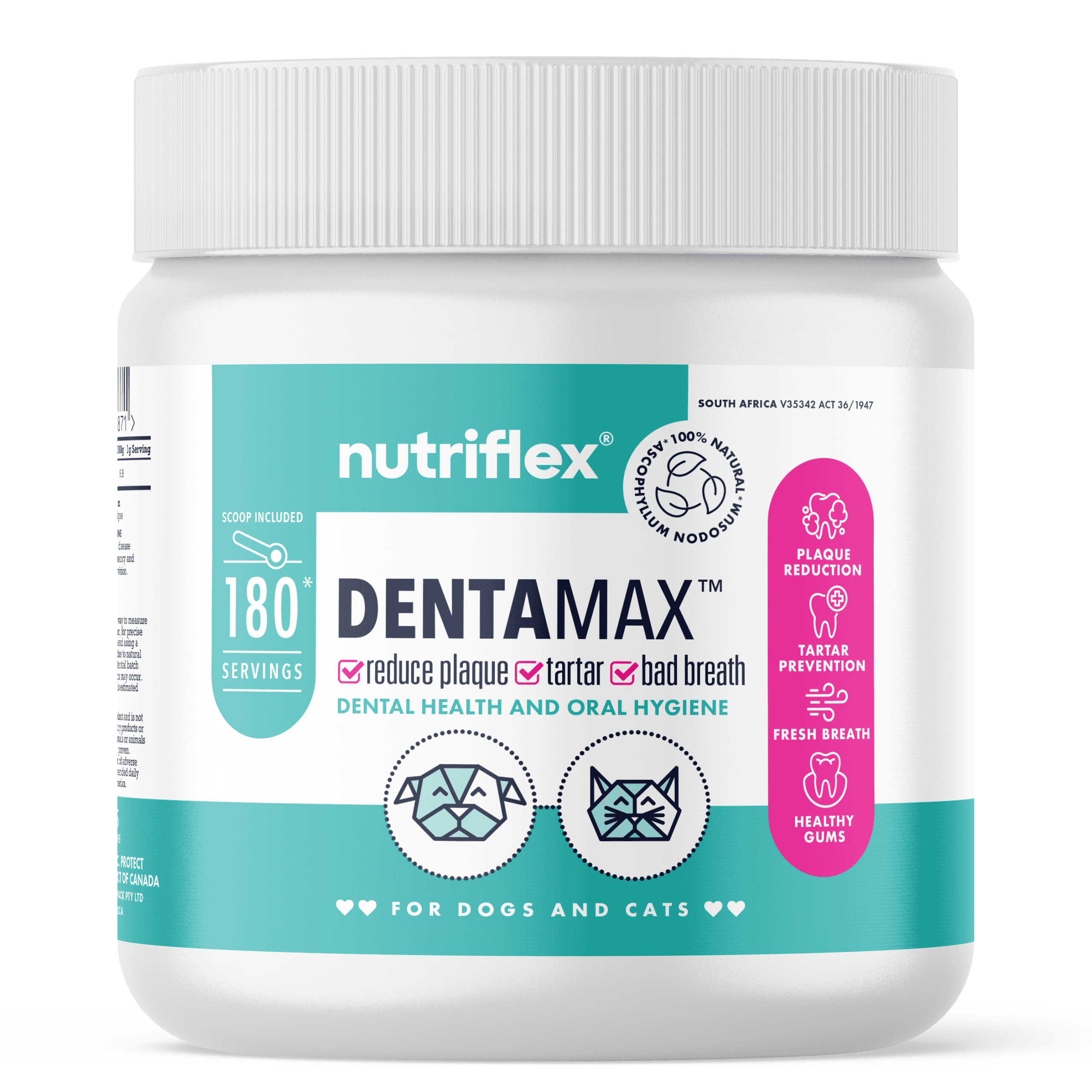
I am Sharon Milani, co-founder of NutriFlex® and the developer of DentaMax™, a 100% pure organic ascophyllum nodosum powder wild-harvested from the North Atlantic and formulated specifically for systemic plaque and tartar reduction in South African dogs and cats. My work over the past decade has focused on ingredient transparency, iodine safety compliance and evidence-aligned supplementation within South African regulatory frameworks. In this guide, I will walk you through everything you need to know, from the science of how this seaweed works to how to use it safely.
The Nutritional Powerhouse: Ascophyllum Nodosum Powder Explained
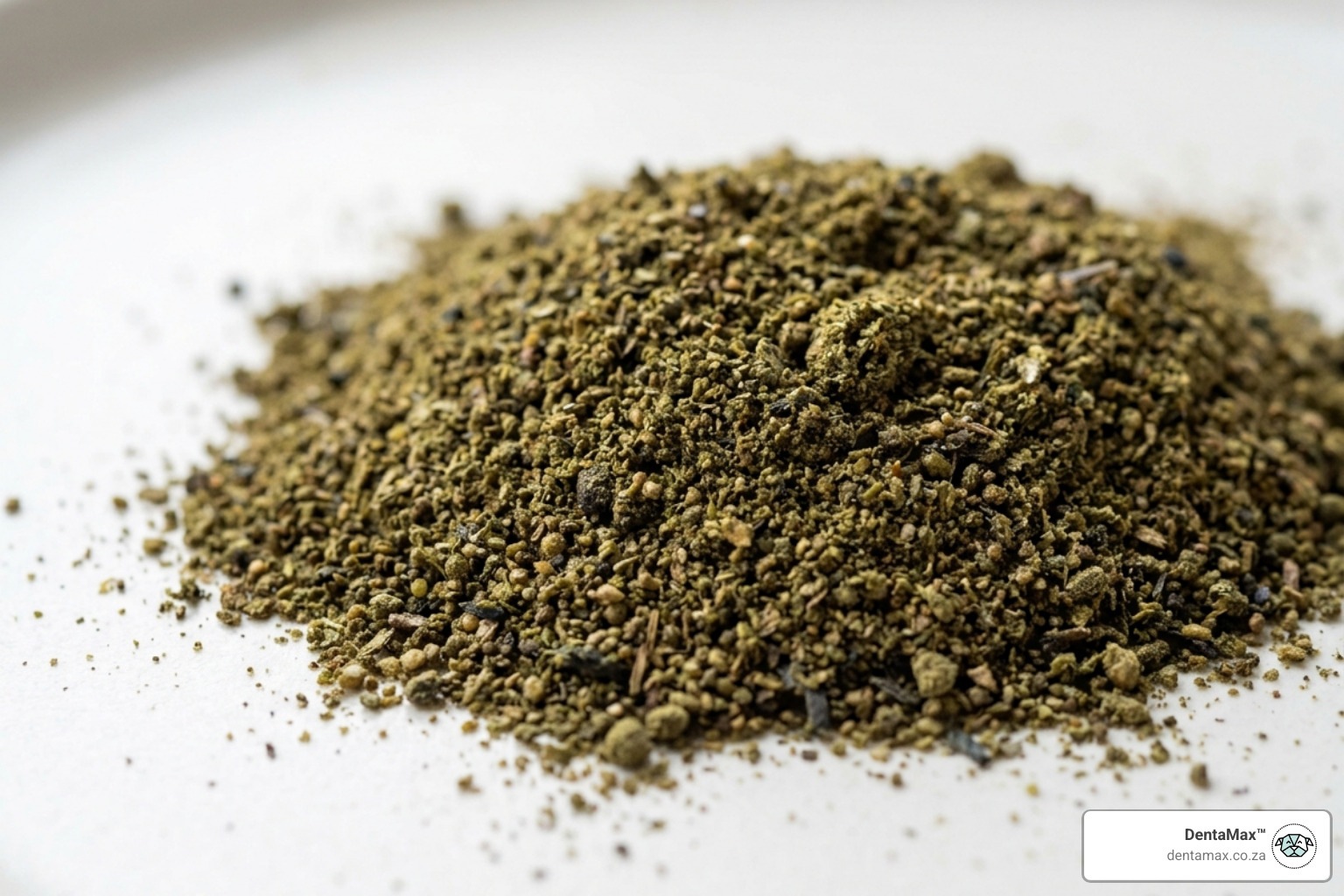
When we talk about ascophyllum nodosum powder, we are referring to a specific species of large brown algae within the Fucaceae family. Unlike many other seaweeds that float freely, this “rockweed” uses a holdfast to anchor itself to rocks in the intertidal zones of the North Atlantic. This environment is crucial; the extreme tidal shifts and cold temperatures force the plant to produce high concentrations of bioactive compounds to survive.
The nutritional profile of Organic Rockweed Powder is exceptionally dense. It is not just a source of vitamins; it is a complex matrix of minerals and polysaccharides that are rarely found in land-based plants. Key components include:
- Iodine: Containing approximately 700 mcg per gram, it is one of the most concentrated natural sources of this essential trace element.
- Fucoidan: A sulphated polysaccharide linked to immune modulation and anti-inflammatory pathways.
- Alginic Acid: Known for its ability to bind to heavy metals and support digestive health.
- Amino Acids and Trace Elements: It provides a broad spectrum of minerals including magnesium, manganese, iron and potassium.
According to technical specifications for soluble seaweed powder, high-quality Ascophyllum contains roughly 49% to 55% organic matter. This organic fraction includes laminarin and various polyphenols that contribute to its antioxidant capacity. For pet owners in South Africa, this means that even a small daily serving provides a significant nutritional boost alongside its dental benefits.
Sourcing and Production Standards for Quality Seaweed
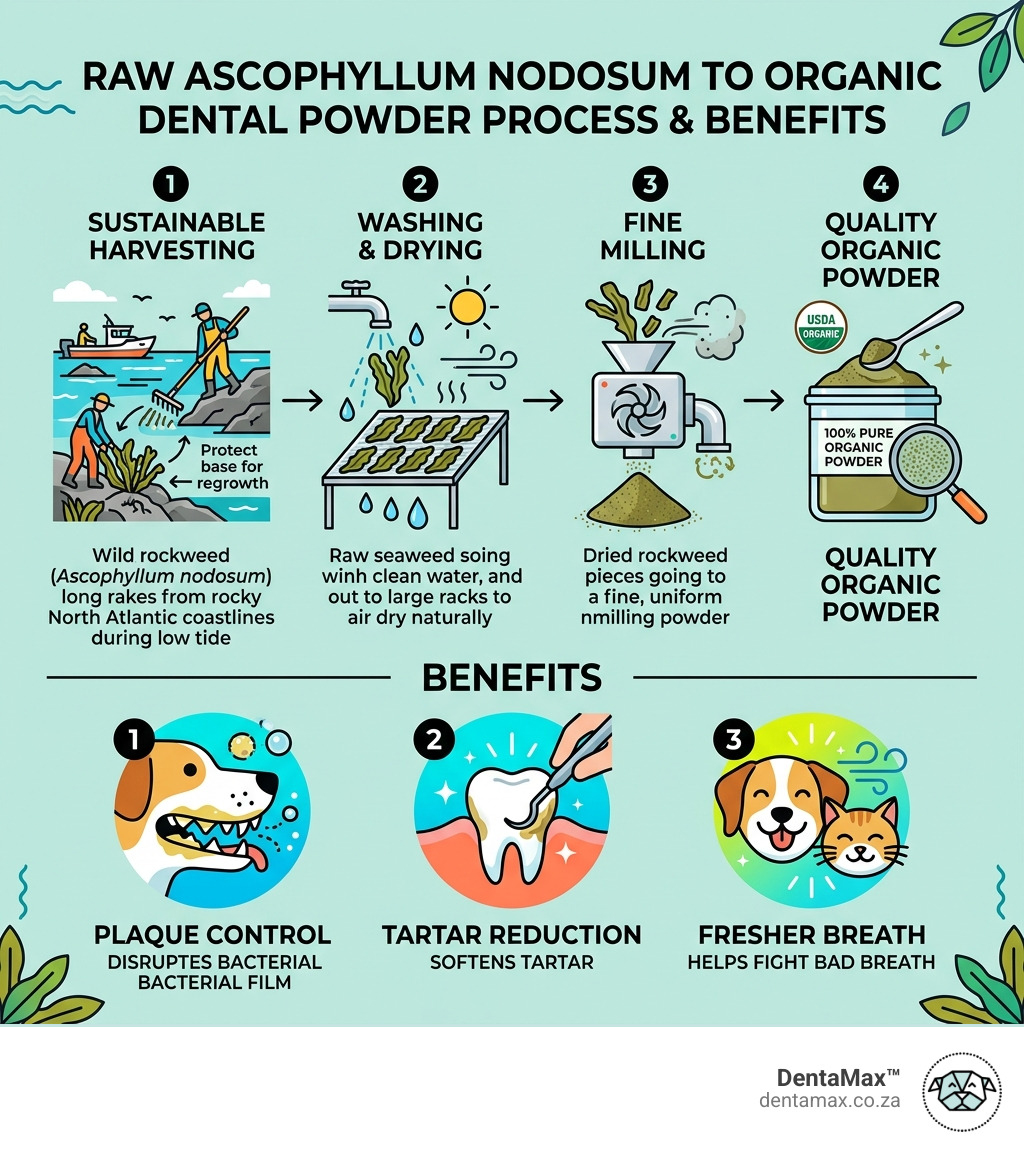
Not all seaweed powders are created equal. The efficacy of ascophyllum nodosum powder depends heavily on where it is grown and how it is processed. At DentaMax™, we focus on sourcing from pristine environments like the Canadian Atlantic, Scandinavian coastlines and coastal France, where the water is monitored for purity.
The production process is a delicate balance of science and sustainability. Because seaweed can accumulate heavy metals from the ocean, reputable suppliers must conduct rigorous screening. This includes testing for arsenic, cadmium and lead to ensure the final product is safe for long term consumption.
Key manufacturing benchmarks include:
- Sustainable Wild-Harvesting: Ensuring that the “holdfast” remains on the rock so the plant can regenerate, maintaining the marine ecosystem.
- Low-Temperature Drying: To preserve heat-sensitive enzymes and delicate phytonutrients, the seaweed must be dried at mild temperatures.
- Milling Precision: For optimal bioavailability in pets, the seaweed is milled to a specific mesh size. Research on sea kelp dried powder manufacturing suggests a mesh size of no more than 425 microns is ideal for consistent dosing and absorption.
By adhering to these standards, we ensure that the powder remains organic and free from synthetic additives or fillers that could dilute its potency.
The Science of Systemic Pet Dental Health
The most common question we receive at DentaMax™ is: “How can a powder eaten with food clean a dog’s teeth?” The answer lies in The Science Of Ascophyllum Nodosum. Unlike dental chews or toothbrushes that rely on mechanical friction to scrape away debris, this seaweed works systemically.
When a dog or cat ingests ascophyllum nodosum powder, the bioactive compounds are absorbed into the bloodstream. These compounds are then excreted through the salivary glands back into the mouth. This means the active ingredients are constantly bathed over the teeth and gums every time the pet swallows.
This systemic pathway allows the seaweed to reach areas that a toothbrush might miss, including the gum line and the back molars. Because it works through the saliva, it provides a continuous “treatment” throughout the day, rather than a single moment of cleaning.
How Ascophyllum Nodosum Powder Disrupts Plaque Biofilm
To understand the disruption, we must first look at how plaque forms. Plaque is a biofilm—a sticky layer of bacteria that colonises the tooth surface. If left undisturbed, this biofilm mineralises into hard tartar (calculus) within 48 to 72 hours.
How Marine Algae Affects Plaque Bacteria involves several mechanisms:
- Bacteria Inhibition: Bioactive compounds in the seaweed prevent bacteria from adhering to the dental pellicle (the thin film on the tooth).
- Biofilm Disruption: It interferes with the “quorum sensing” or communication between bacteria, making it harder for them to build a stable biofilm.
- Tartar Softening: Perhaps most impressively, the presence of these compounds in the saliva helps to soften existing tartar deposits. Over time, this softened tartar may break away during normal chewing or become much easier to remove during a professional veterinary cleaning.
Clinical Evidence for Ascophyllum Nodosum Powder in Dogs
This is not just anecdotal “pet parent” talk. There is significant clinical evidence supporting the use of ascophyllum nodosum powder for canine oral health. Several studies have been submitted to the Veterinary Oral Health Council (VOHC), leading to certain seaweed-based products receiving their seal of acceptance.
Clinical trials have shown that:
- Plaque and Tartar Reduction: Daily supplementation can lead to a significant reduction in the accumulation of new plaque and the mineralisation of tartar.
- Timeline: Most pet owners begin to see visible results within 3 to 8 weeks. The first sign is often a reduction in “dog breath” as the bacteria levels in the mouth stabilises.
- Bad Breath Control: By reducing the volatile sulphur compounds produced by oral bacteria, the seaweed naturally freshens breath from the inside out.
Safety Guidelines and Dosage for South African Pet Owners
While ascophyllum nodosum powder is a natural superfood, it must be used responsibly. Because it is so rich in iodine, “more” is not necessarily “better.” In South Africa, where many commercial pet foods are already fortified with vitamins and minerals, adding a supplement requires a calculated approach.
Dosage Recommendations
The general guideline for dried powder is approximately 330 mg to 500 mg daily for a medium-sized dog. However, at DentaMax™, we recommend weight-based dosing for precision:
| Pet Weight | Recommended Daily Dosage (Approximate) |
|---|---|
| Cats and Small Dogs (<10 kg) | 250 mg to 330 mg |
| Medium Dogs (10 kg to 25 kg) | 660 mg |
| Large Dogs (>25 kg) | 1000 mg (1 g) |
Important Precautions
- Thyroid Conditions: Because of the high iodine content, pets with hyperthyroidism or existing thyroid disease should not use kelp-based supplements unless specifically directed by a veterinarian.
- Pregnancy and Lactation: There is currently insufficient safety data regarding the use of high-dose iodine supplements during pregnancy or nursing. We advise caution or avoidance during these life stages.
- Allergies: While rare, pets with known allergies to fish or shellfish should be monitored closely, as cross-contamination can occur during the harvesting of marine vegetables.
- Heavy Metal Testing: Always ensure your kelp powder for dogs is certified organic and lab-tested for arsenic and other heavy metals.
Frequently Asked Questions about Rockweed
Is Ascophyllum nodosum safe for cats with thyroid issues?
Generally, no. Cats are particularly sensitive to iodine levels, and hyperthyroidism is a common condition in older felines. Introducing a high-iodine supplement like ascophyllum nodosum powder can interfere with thyroid medication or exacerbate the condition. If your cat has a history of metabolic or thyroid issues, always consult your veterinarian before adding any seaweed product to their diet.
How long does it take to see results in a dog’s mouth?
Patience is key with systemic supplements. You are changing the chemistry of the saliva, which takes time. Most users report a noticeable improvement in breath freshness within 2 to 3 weeks. The softening of tartar and reduction in plaque typically becomes visible between 21 and 56 days (3 to 8 weeks) of consistent daily use. If you stop the supplement, the protective effect in the saliva will dissipate within a few days.
What is the difference between kelp and Ascophyllum nodosum?
“Kelp” is a broad, generic term that can refer to many different species of brown seaweed, including Laminaria or Bull Kelp. While these are also nutritious, they do not all possess the same specific dental-fighting properties. Ascophyllum nodosum is the specific species that has been clinically studied for its systemic effect on plaque and tartar. When shopping, always look for the scientific name on the label to ensure you are getting the medicinal-grade rockweed required for dental health.
Conclusion
At DentaMax™, our mission is to provide South African pet owners with evidence-based education on systemic oral health. We believe that managing periodontal disease requires more than just an occasional chew; it requires a consistent, scientifically backed routine.
By incorporating high-quality, wild-harvested ascophyllum nodosum powder into your pet’s daily meals, you are leveraging a powerful marine superfood to disrupt plaque biofilm and support healthier gums from the inside out. While it does not replace the need for regular veterinary check-ups, it offers a proactive, natural way to maintain a cleaner, fresher mouth for your dogs and cats.
To dive deeper into systemic dental science, we invite you to learn more about systemic dental powder for South African pets and discover how this North Atlantic wonder is changing pet care in Cape Town, Johannesburg and beyond.