Why Ascophyllum Nodosum Dog Studies Matter for Canine Oral Health
Ascophyllum nodosum dog studies consistently show that this North Atlantic brown seaweed reduces plaque accumulation, slows calculus build-up and lowers volatile sulphur compounds (the primary cause of bad breath) in dogs after regular oral supplementation.
Here is what the research confirms at a glance:
| What Was Studied | Key Finding |
|---|---|
| Plaque reduction | Up to 40% reduction over 90 days in controlled trials |
| Calculus reduction | Up to 20% reduction; significant from day 30 onwards |
| Bad breath (VSCs) | Significant reduction at 60 and 90 days |
| Best delivery format | Powder outperforms dental bites and dry food |
| Mechanism | Systemic: absorbed in small intestine, secreted via saliva |
| Safety | Generally well tolerated; contraindicated in dogs with hyperthyroidism |
| VOHC acceptance | Multiple products have received the VOHC Seal of Acceptance |
Periodontal disease affects over 66% of dogs aged two and older, and that number rises with age. Despite this, most dog owners in South Africa face the same challenge: getting a dog to accept daily tooth brushing is difficult, and compliance rates in the real world are extremely low. Systemic supplementation with Ascophyllum nodosum offers a practical, evidence-backed alternative that works passively through your dog’s saliva, reaching areas a toothbrush often cannot.
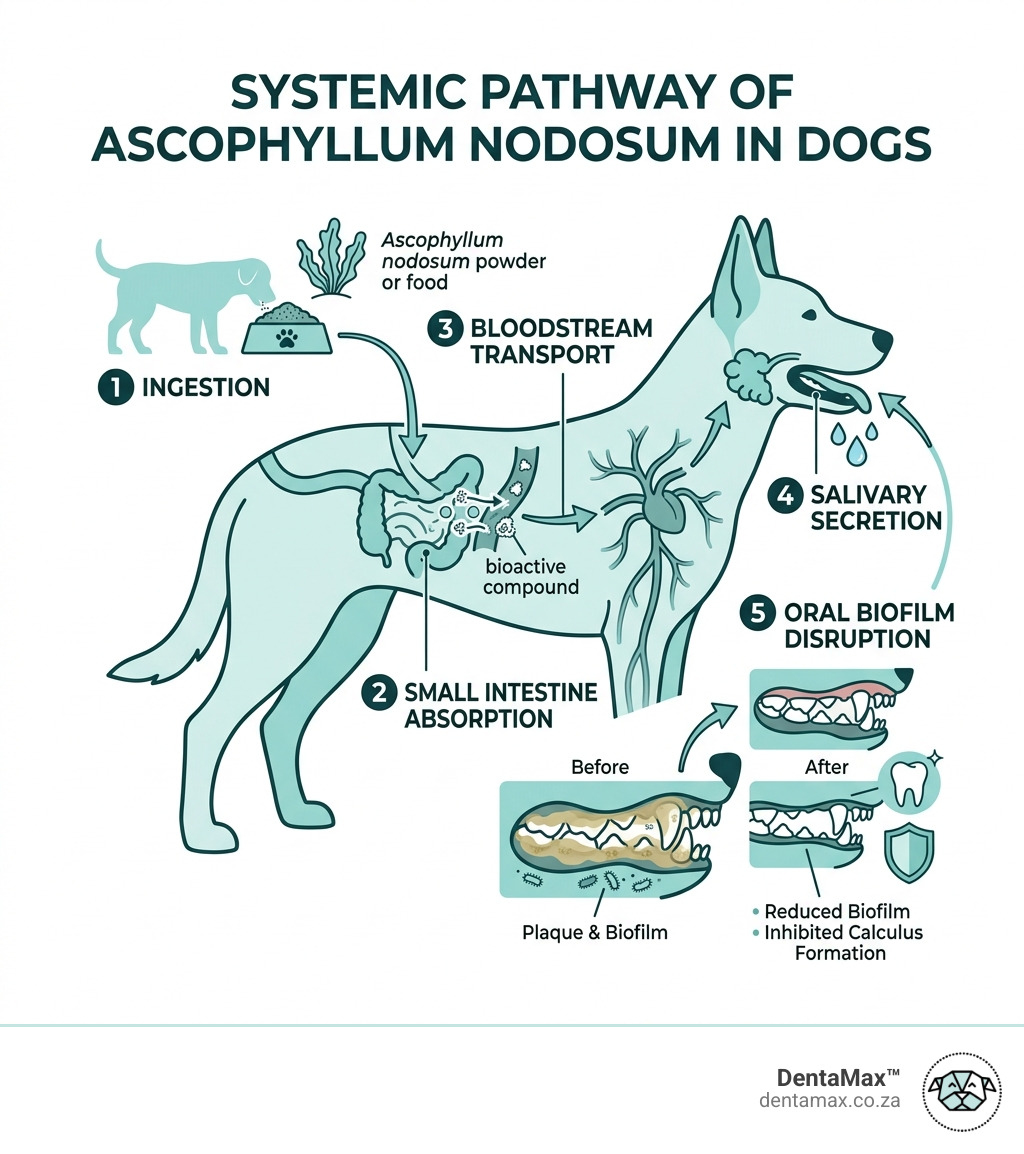
The seaweed does not work like a toothpaste or mechanical cleaner. It works from the inside out. Once ingested, its bioactive compounds are absorbed in the small intestine and secreted into the oral cavity via saliva, where they alter the biochemical environment in ways that inhibit plaque and calculus formation. Metabolomic research confirms that this process produces measurable changes in salivary chemistry within 30 days.
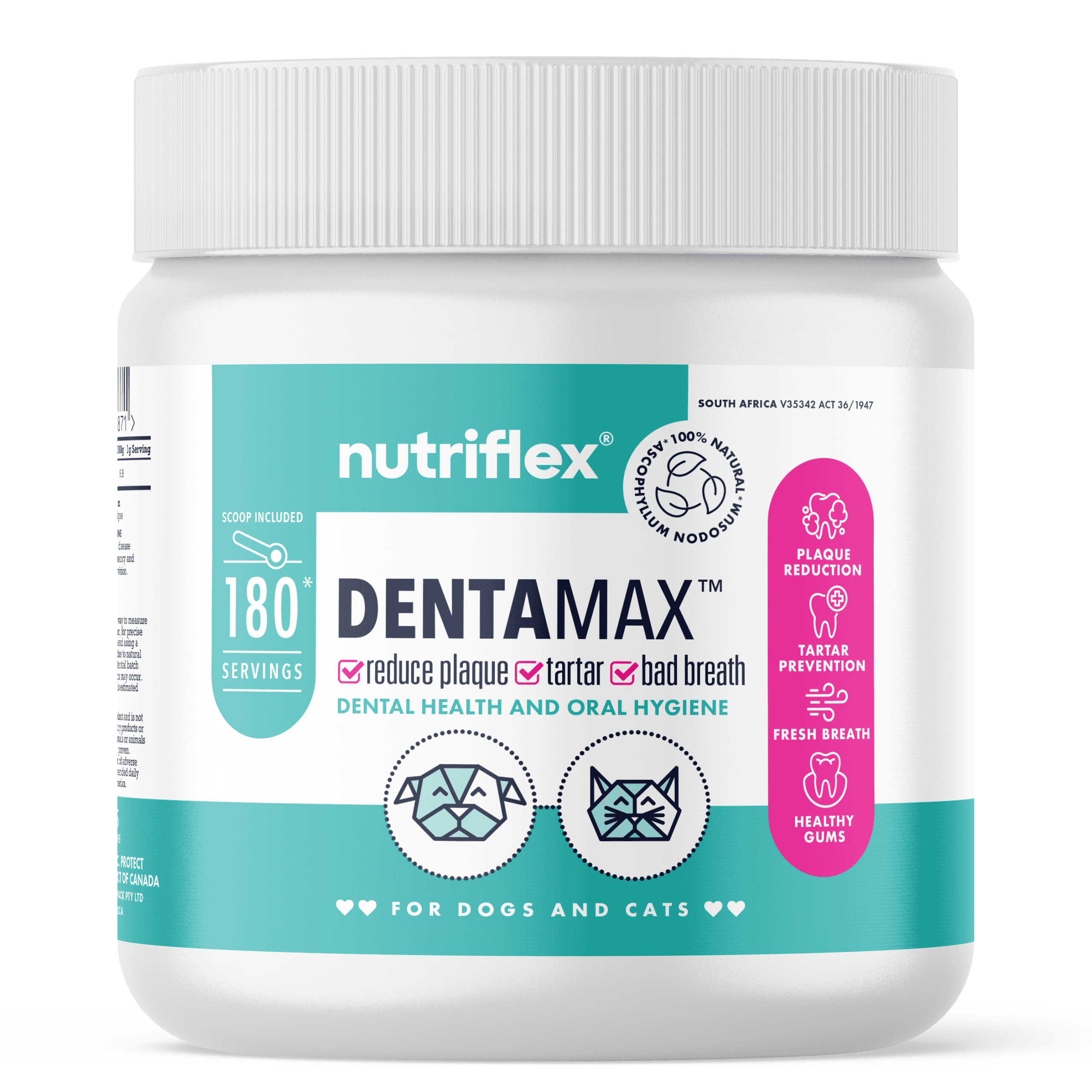
I’m Sharon Milani, co-founder of NutriFlex® and the developer of DentaMax™, a 100% pure organic Ascophyllum nodosum dental powder formulated in alignment with published Ascophyllum nodosum dog studies and systemic plaque reduction science. My work in evidence-based pet nutrition and iodine safety compliance informs everything that follows in this guide.
Understanding Ascophyllum Nodosum and Its Bioactive Components
Ascophyllum nodosum is a large, common brown alga (Phaeophyceae) in the family Fucaceae, being the only species in the genus Ascophyllum. Often referred to as rockweed or Norwegian kelp, it thrives in the cold, nutrient-rich waters of the North Atlantic. What makes this specific seaweed remarkable for canine health is its complex chemical composition, which it develops as a survival mechanism against extreme tidal changes and temperature fluctuations.
The bioactive profile of Ascophyllum nodosum includes a unique array of polysaccharides, minerals and phenolic compounds. Key components identified in The Science Of Ascophyllum Nodosum include:
- Fucoidans: These sulphated polysaccharides make up 10% to 15% of the seaweed’s dry weight. They are known for their anti-adhesive properties, preventing bacteria from sticking to the tooth surface.
- Alginates and Laminarin: These provide prebiotic fibre that supports gut health while contributing to the overall structural integrity of the seaweed’s bioactive matrix.
- Phlorotannins: Unique to brown seaweeds, these polyphenols exhibit strong antimicrobial and anti-biofilm activity, specifically targeting the bacteria responsible for plaque formation.
- Essential Minerals: It is a natural source of iodine (700 to 1200 mg/kg), calcium (1% to 3%), magnesium and zinc.
Research suggests that these components work synergistically. For instance, the high concentration of phenols and sulphated uronic acids (20% to 26%) helps disrupt the maturation of the dental pellicle, the thin film that forms on teeth before plaque attaches. By understanding the magic of daily kelp oral supplements for pets, South African pet owners can appreciate why this isn’t just “seaweed” but a sophisticated nutritional tool for systemic oral hygiene.
Clinical Evidence from Ascophyllum Nodosum Dog Studies
The clinical validation of Ascophyllum nodosum is extensive, involving high-grade evidence-based medicine (EBM) standards. One of the most significant Ascophyllum nodosum dog studies was a 90 day double blind, randomized, placebo controlled trial involving 60 client-owned dogs. In this study, dogs were evaluated using the Plaque Index (PI) and Calculus Index (CI) to measure the accumulation of dental deposits.
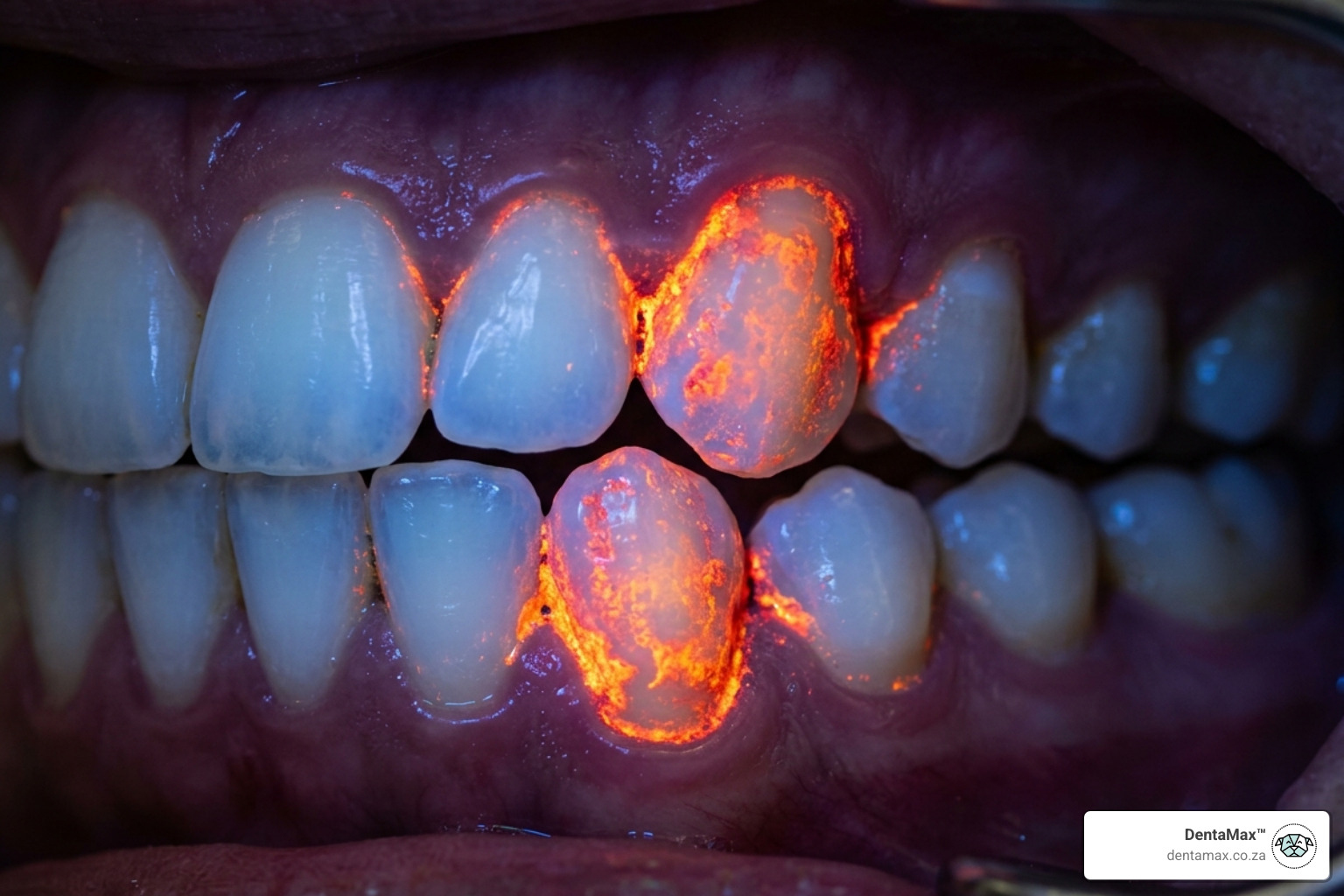
The findings were definitive. By day 90, the group receiving the seaweed supplement showed a significantly lower plaque index compared to the placebo group. Specifically, the seaweed group recorded a mean PI of 1.67 versus 2.71 in the placebo group. Calculus accumulation followed a similar trend, with significant reductions observed as early as day 30.
Further clinical reviews, such as the Review of Ascophyllum nodosum as a nutrient, confirm that several products containing this ingredient have met the rigorous standards of the Veterinary Oral Health Council (VOHC). To receive the VOHC Seal of Acceptance, a product must demonstrate at least a 15% reduction in plaque or tartar in two separate clinical trials. The fact that Ascophyllum nodosum products consistently achieve this highlights their efficacy as a passive oral hygiene method.
Impact on Volatile Sulphur Compounds and Halitosis
“Dog breath” is more than just an unpleasant smell; it is the result of microbial metabolism. Bacteria in the oral biofilm break down proteins, releasing Volatile Sulphur Compounds (VSCs) like hydrogen sulphide and methyl mercaptan. These compounds are the primary drivers of halitosis and are also toxic to gum tissue.
In the 90 day study mentioned above, VSC concentrations were measured using specialized equipment. The results showed that dogs supplemented with Ascophyllum nodosum had significantly lower VSC levels at day 60 and day 90 compared to the control group. This indicates that the seaweed does not just mask bad breath but addresses the underlying bacterial activity. For a deeper look at this process, you can explore how marine algae affects plaque bacteria.
Comparative Efficacy of Delivery Formats in Ascophyllum Nodosum Dog Studies
Not all delivery methods are created equal. Clinical trials have compared the efficacy of powdered supplements, dental bites and extruded dry pet food containing the seaweed. The consensus in the Scientific research on edible treats and oral health is that the powdered format exerts the strongest preventive action.
- Powder: Provides the highest concentration of bioavailable compounds and is easily absorbed systemically.
- Dental Bites: Effective, but often contain additional calories and ingredients that may dilute the seaweed’s impact.
- Extruded Dry Food: While convenient, the processing temperatures (extrusion) can sometimes affect the integrity of sensitive bioactive molecules.
Palatability is also a critical factor. A study on palatability of extruded diets found that while a low concentration (0.3%) of Ascophyllum nodosum had no impact on food intake, a higher concentration (1.0%) significantly reduced consumption in some dogs. This suggests that the negative impact is taste-related (gustatory) rather than smell-related (olfactory). For South African pet owners, this means that finding the “sweet spot” in dosage is essential for long-term compliance.
The Systemic Mechanism: Biofilm Disruption via Saliva
The most common question we receive at DentaMax™ is: “How can a powder mixed with food clean my dog’s teeth?” The answer lies in systemic dental science. Unlike a chew that works via friction, Ascophyllum nodosum works through the bloodstream and salivary glands.
When a dog ingests the seaweed, its active metabolites are absorbed in the small intestine. These compounds then circulate and are eventually secreted back into the oral cavity through the saliva. One specific metabolite identified in recent research is isofucosterol, which appears in the saliva of dogs after supplementation. This change in the salivary metabolome is what disrupts the oral biofilm.
According to our best kelp powder for dogs guide, this systemic pathway ensures that the active ingredients reach every corner of the mouth, including the subgingival space (under the gumline) and the tight gaps between teeth where traditional brushing often fails.
Biofilm Disruption in Ascophyllum Nodosum Dog Studies
Biofilms are complex communities of bacteria protected by a sticky matrix. Traditional dental care focuses on mechanically scrubbing this matrix away. However, Ascophyllum nodosum dog studies suggest a more elegant approach:
- Inhibition of Adhesion: Fucoidans interfere with the ability of early colonising bacteria to attach to the dental pellicle.
- Quorum Sensing Interference: The seaweed’s phenolic compounds can “jam” the communication signals bacteria use to build their protective matrix.
- Mineralization Prevention: By altering the pH and mineral balance of the saliva, the seaweed helps prevent the transition of soft plaque into rock-hard calculus (tartar).
The research on saliva metabolome changes demonstrates that 30 days of supplementation can lead to the “turning off” of pathways that enhance plaque development. This resulted in a reported 40% reduction in plaque deposition and a 20% reduction in calculus formation over a 90 day period.
Safety Considerations and Iodine Transparency for South African Pet Owners
Safety is our primary concern at DentaMax™. While Ascophyllum nodosum is a natural, organic product, its high iodine content requires careful management, especially for dogs with underlying health conditions.
Iodine is essential for thyroid function, but excessive intake can be problematic for dogs with hyperthyroidism. A standard 330 mg scoop of high-quality Ascophyllum nodosum powder typically contains approximately 0.198 mg of iodine. This represents about 0.5% of the recommended daily intake (RDI) for an average dog, which is well within safety limits for healthy animals. However, we always recommend:
- Veterinary Consultation: If your dog has a known thyroid condition or is on thyroid medication, consult your vet before starting any seaweed supplement.
- Gradual Introduction: Some dogs may experience mild digestive upset (loose stools or gas) due to the high fibre content of the algae. Start with a half-dose for the first week.
- Heavy Metal Monitoring: Seaweeds can absorb minerals from their environment. Ensure you choose a product that is batch-tested for heavy metals and sourced from clean, North Atlantic waters.
For more details on sourcing and safety, see our guide on dog and cat dental powder in South Africa.
Beyond Dental Health: Gut Microbiota and CIE Management
Recent Ascophyllum nodosum dog studies have expanded our understanding of this seaweed beyond the mouth. A pilot study involving 14 dogs with Chronic Inflammatory Enteropathy (CIE)—a group of chronic gastrointestinal disorders—investigated the effects of a diet supplemented with 4.0% Ascophyllum nodosum.
The results showed that the seaweed acted as a powerful prebiotic. Dogs on the supplemented diet showed significantly higher concentrations of faecal acetate (p < 0.05) and a tendency toward higher butyrate levels. These short-chain fatty acids are crucial for maintaining the health of the intestinal lining and reducing inflammation.
| Metabolite/Bacteria | Change with 4.0% A. nodosum | Clinical Significance |
|---|---|---|
| Faecal Acetate | Significant Increase | Improved energy for colon cells |
| Ruminococcaceae | Higher Abundance | Enhanced fibre fermentation |
| Rikenellaceae | Higher Abundance | Associated with lean, healthy gut |
| CIBDAI Scores | No Significant Change | Clinical signs remained stable |
| Faecal Consistency | Improved | Better nutrient absorption |
Findings from Ascophyllum Nodosum Dog Studies on Intestinal Dysbiosis
Intestinal dysbiosis, or an imbalance in gut bacteria, is a hallmark of CIE. The study found that while clinical scores (CIBDAI) did not change dramatically over the short pilot period, the internal environment of the gut improved. The increase in beneficial bacteria like Ruminococcaceae and the production of metabolites like isovalerate and isobutyrate suggest that Ascophyllum nodosum helps create a pro-inflammatory resistant environment in the canine gut. This makes it a dual-action supplement: supporting oral health while simultaneously fortifying the digestive system.
Frequently Asked Questions about Seaweed for Dogs
Is Ascophyllum nodosum safe for dogs with thyroid conditions?
This is a nuanced issue. Because brown seaweeds are a natural source of iodine, they can influence thyroid hormone production. For a healthy dog, the iodine in Ascophyllum nodosum supports metabolic regulation. However, for dogs with hyperthyroidism, the extra iodine could exacerbate the condition. If your dog is on thyroid medication, the iodine might interact with the dosage. Always seek veterinary guidance to ensure the total iodine intake from all food sources remains balanced.
How long does it take to see results in plaque and breath?
Patience is key with systemic supplements. While some owners report fresher breath within two weeks, clinical studies show that the most significant changes occur in the 3 to 8 week window. By day 60, you should notice a visible softening of tartar, making it easier to remove with a chew or a brush. The 90 day mark is where the full cumulative systemic effect on plaque and calculus reduction is typically achieved.
Does seaweed supplementation replace daily tooth brushing?
In a perfect world, every dog owner would brush their pet’s teeth daily. Brushing remains the “gold standard” for mechanical plaque disruption. However, we know that for many South African families, this is not realistic. We view Ascophyllum nodosum as a powerful passive hygiene adjunct. It is particularly effective when started after a professional veterinary cleaning, as it significantly slows the rate of re-accumulation. Think of it as a synergistic routine: the seaweed softens the plaque, and occasional brushing or dental chews finish the job.
Conclusion
DentaMax™ provides evidence based education to help South African pet owners navigate systemic oral health science. While Ascophyllum nodosum is not a curative replacement for professional veterinary intervention, clinical data from April 2026 confirms its role as a powerful preventive tool for reducing the rate of oral health deterioration. For those seeking the highest quality supplementation, ensure products meet strict iodine transparency and sustainability standards.
The research is clear: by influencing the salivary metabolome and disrupting the bacterial biofilm from the inside out, Ascophyllum nodosum offers a scientifically validated way to protect your dog’s smile. Whether you are dealing with “room-clearing” bad breath or trying to prevent the onset of periodontal disease in a small breed, this North Atlantic seaweed is one of the most effective tools in the modern pet owner’s arsenal.
Learn more about dental powder for dogs and cats in South Africa