Why Your Dog’s Teeth Need More Than Just a Good Chew
The best dental chews for dogs are those that carry the VOHC Seal of Acceptance, match your dog’s size and weight, avoid trigger ingredients for any known sensitivities and are used consistently as part of a broader oral care routine. Here is a quick comparison of the top-rated categories:
| Dental Chew Category | Best For | Key Feature | VOHC Approved |
|---|---|---|---|
| Standard Digestible | Most dogs | Digestible and long-lasting | Yes |
| Vegetarian Grain-Free | Sensitive dogs | Plant-based and gluten-free | Yes |
| Plant-Based Tartar Control | Tartar control | Z-shape and plant-based | Yes |
| Porous Daily Chew | Daily reduction | Porous texture and 57% reduction | Yes |
| Systemic Soft Chews | Plaque support | Ascophyllum nodosum kelp | Yes |
Harmful bacteria in a dog’s mouth can lead to serious problems including gingivitis, periodontitis, tartar and plaque buildup, infections and abscesses. Adult dogs have 42 teeth and five to ten times less enamel than humans, which makes their teeth more vulnerable to damage and decay.
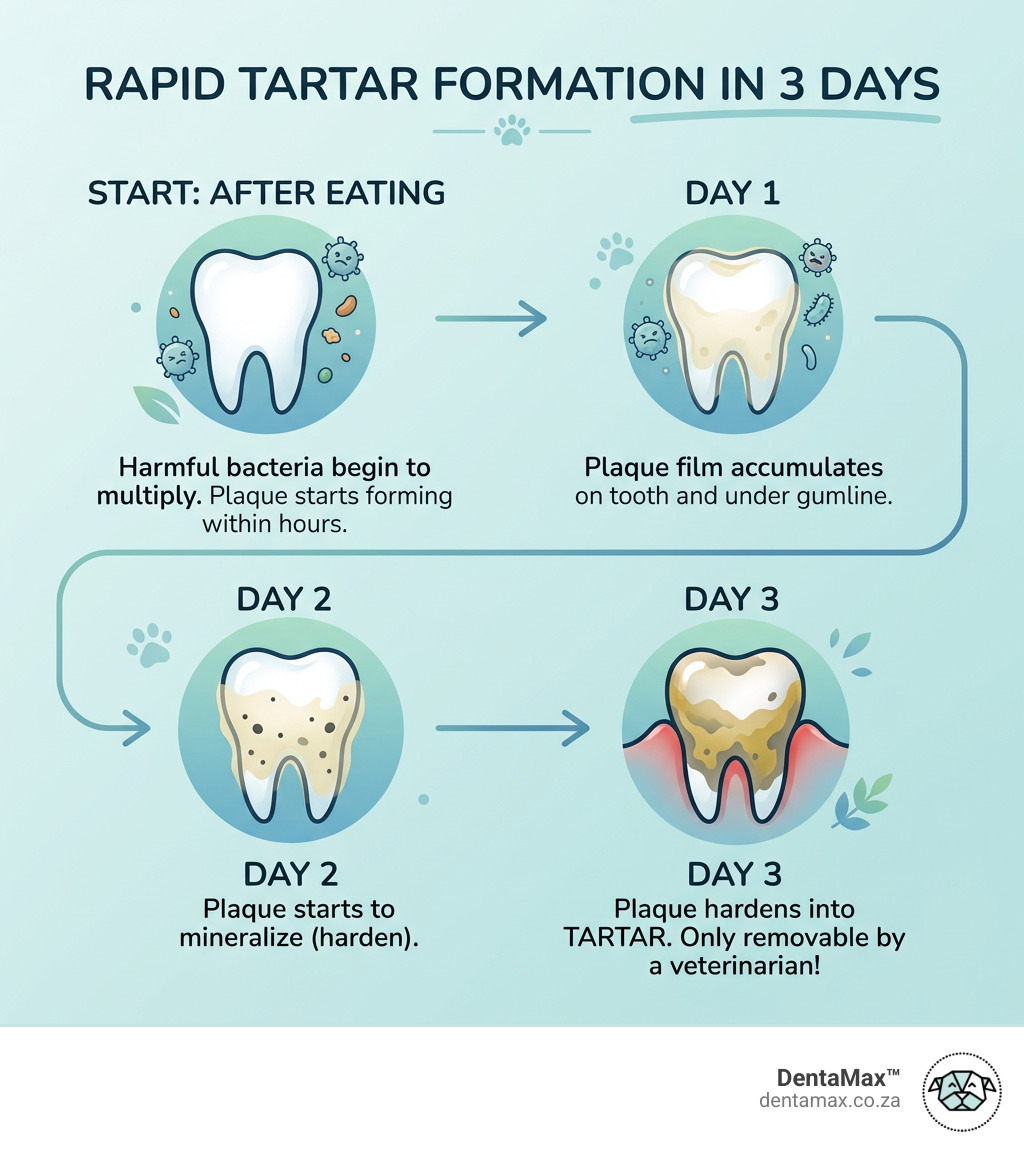
The problem compounds quickly. Plaque begins forming on teeth within hours of eating. Left undisturbed, it hardens into tartar within just three days. Once tartar mineralises, it cannot be removed at home and requires professional veterinary cleaning.
Dental chews help by encouraging the mechanical act of chewing, which physically scrapes plaque from tooth surfaces before it has a chance to harden. Some formulations go further, using bioactive ingredients like seaweed extract to disrupt plaque formation through salivary pathways.
But not all chews are equal, and choosing the wrong one can do more harm than good.
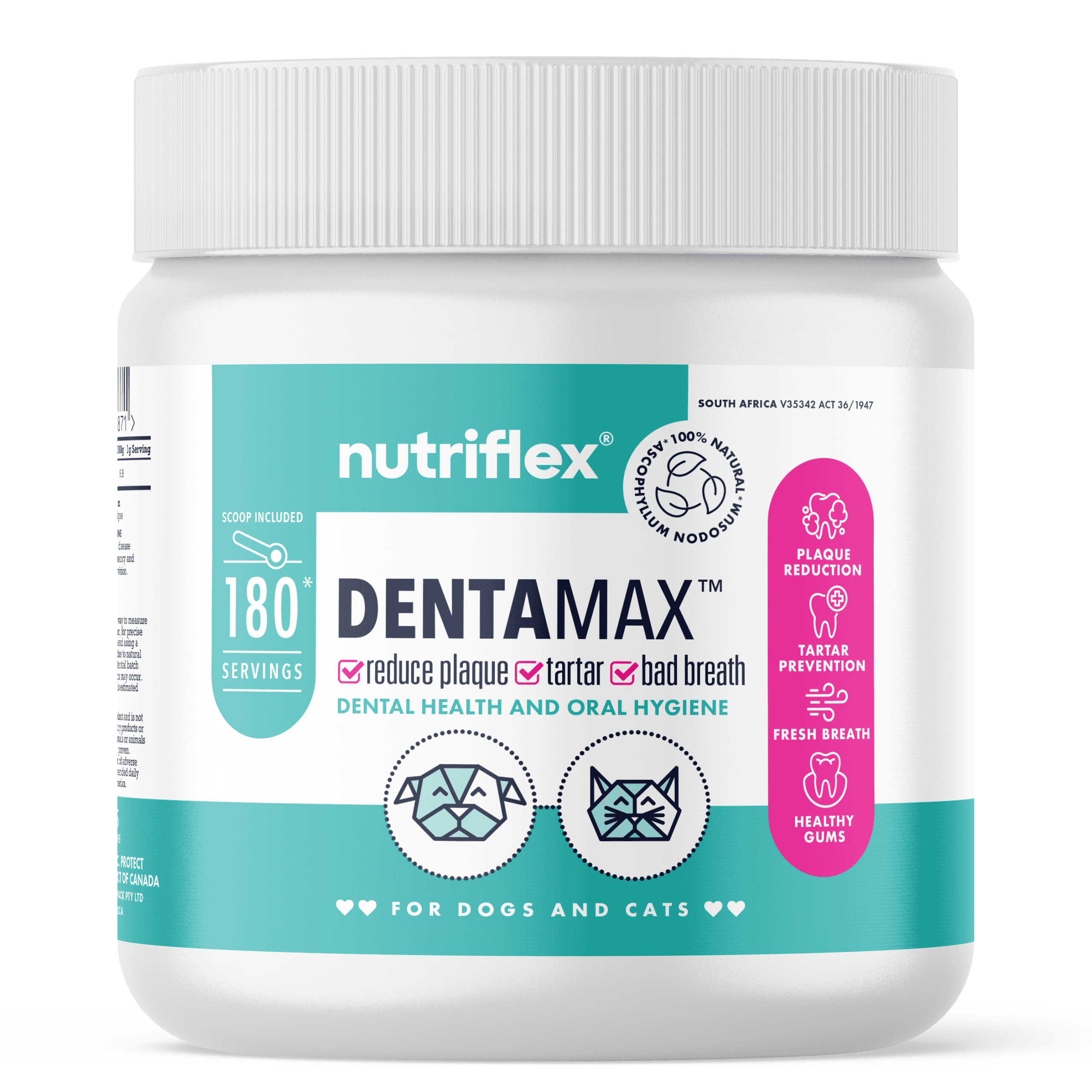
I am Sharon Milani, Co-Founder and Director of NutriFlex® and formulator of DentaMax™, a 100 percent pure organic Ascophyllum nodosum dental supplement developed specifically for the South African pet health market. My work in evidence-based pet nutrition and systemic plaque reduction gives me a practical perspective on what makes the best dental chews for dogs and where chews alone fall short.
Best dental chews for dogs vocab explained:
What to Consider When Choosing the Best Dental Chews for Dogs
When we walk down the pet aisle in a shop in Cape Town or browse an online retailer in Johannesburg, the sheer volume of dental products can be overwhelming. Selecting the best dental chews for dogs requires looking past the clever marketing and focusing on three pillars: safety, efficacy and nutritional suitability.
Size and Weight Appropriateness
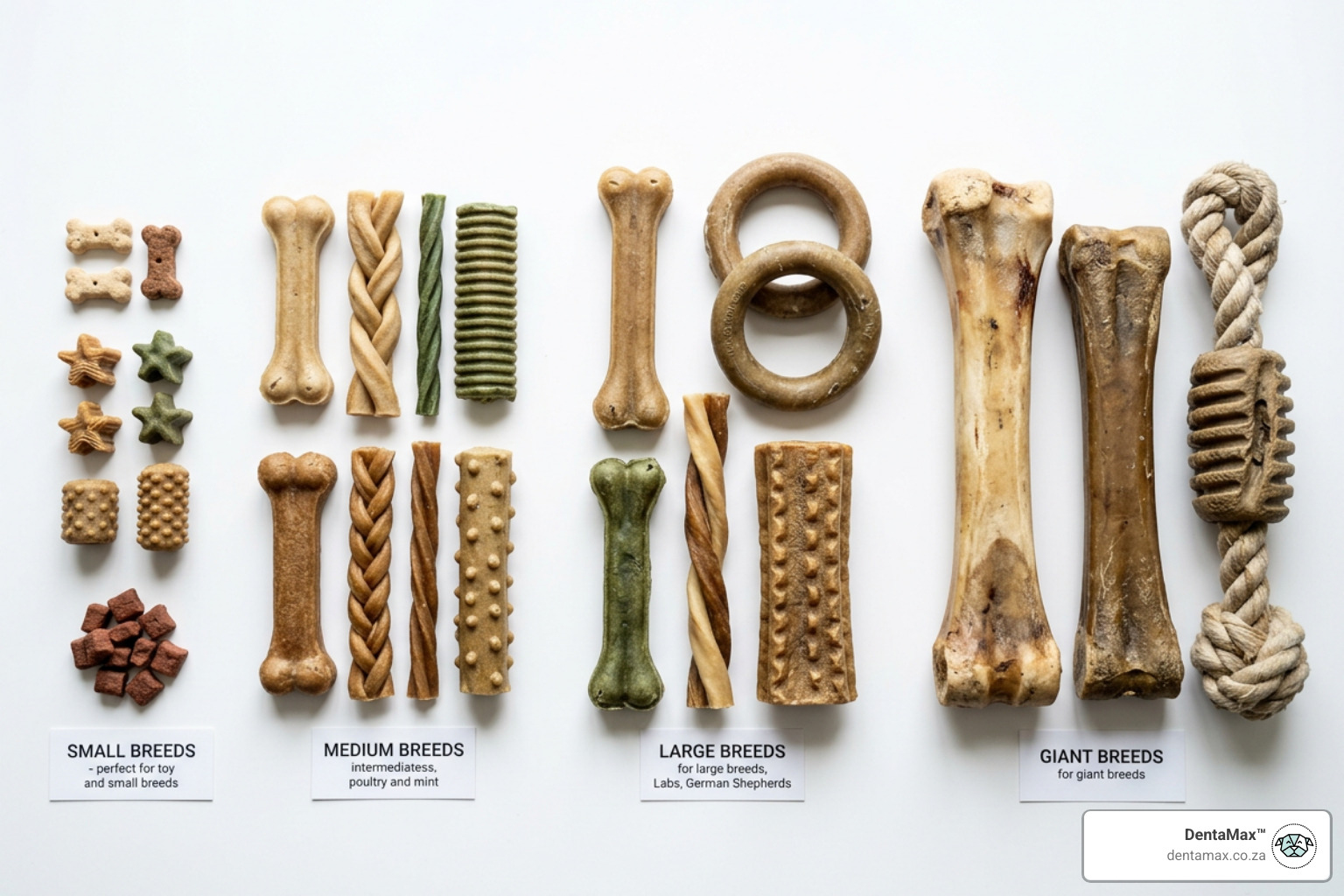
One of the most critical factors is matching the chew to your dog’s weight. As Dr Sarah Wooten, a veterinary expert, notes, the chew should ideally be larger than the dog’s mouth to prevent them from swallowing it whole. If a dog gulps a chew instead of gnawing on it, the product loses its mechanical cleaning benefit and becomes a significant choking hazard or a cause for intestinal blockage. Most reputable brands, such as those featured in The Lazy Pet Parent Guide to Plaque Prevention Products, provide clear weight categories on their packaging.
Calorie Density and the 10 Percent Rule
We often forget that dental chews are treats, and treats contain calories. Dr Jessica Herman DVM explains that many dental products have high caloric density and can contribute to weight gain if not managed correctly. A general rule of thumb is that all treats, including dental chews, should make up no more than 10 percent of your dog’s daily calorie intake. If you provide a daily chew, you may need to slightly reduce their main meal portions to maintain a healthy weight.
Ingredient Transparency
Always review the ingredient list for potential toxins or allergens. We recommend avoiding products that contain fluoride or xylitol, as these can be extremely harmful to dogs. For pet parents in South Africa dealing with sensitive pups, looking for “clean label” products with no artificial colours, flavours or preservatives is essential. If your dog has a known poultry allergy, steer clear of chews that use chicken liver or animal by-products for flavouring.
The Role of the VOHC Seal in Canine Oral Health
The Veterinary Oral Health Council VOHC Seal of Acceptance is the gold standard in the pet dental industry. This seal is not a paid advertisement; it is earned through rigorous clinical trials that prove the product effectively reduces plaque, tartar or both by at least 20 percent.
The VOHC is overseen by the American Veterinary Dental College and consists of a panel of veterinary dentists and scientists. When a product carries this seal, it means the manufacturer has submitted data showing that the chew actually does what it claims. For instance, specific plant-based dental chews have undergone these trials to prove their effectiveness in controlling tartar buildup.
However, it is important to understand What is Plaque in Dogs? before assuming a seal solves everything. Plaque is a sticky biofilm of bacteria. If a chew only claims to reduce tartar (the hardened version of plaque), it might not be addressing the underlying bacterial biofilm as effectively as a product that targets plaque directly.
While VOHC acceptance is vital, Dr Maria Soltero-Rivera mentions that a lack of the seal doesn’t automatically mean a product is useless. Some smaller or newer companies may not have undergone the expensive and lengthy trial process yet. Nonetheless, for the average owner, the seal remains the most reliable indicator of safety and performance. You can find a full list of Accepted products on the VOHC website to verify any chew you are considering.
Top Rated Categories for the Best Dental Chews for Dogs
Not every dog has the same dental needs. A Great Dane in Durban has different chewing requirements than a Yorkie in Johannesburg. To find the best dental chews for dogs, we categorise them based on how they work and who they are for.
Best Dental Chews for Dogs with Dietary Sensitivities
Many traditional dental chews use wheat, corn or animal proteins that can trigger allergies. For these dogs, we look for:
- Vegetarian and Grain-Free Options: High-quality vegetarian options are excellent because they are often made from potato starch and vegetable-based ingredients. They are meat-free and gluten-free, making them safe for dogs with common food sensitivities.
- Hypoallergenic Profiles: Certain hypoallergenic chews use a plant-based, non-GMO corn-based formula that avoids many common animal-derived allergens.
- Limited Ingredients: Simple recipes reduce the chance of a gastrointestinal upset.
Best Dental Chews for Dogs: Mechanical vs Systemic Action
This is where the science of a “clean smile” gets interesting. Most owners are familiar with mechanical chews, but systemic options are gaining traction in South Africa.
Mechanical Scraping
Mechanical chews rely on texture. They are often porous or ridged. As the dog bites down, the material acts like a squeegee or a soft toothbrush, physically rubbing the plaque off the tooth.
- Porous Texture Chews: These have an innovative porous texture with thousands of air pockets. They are scientifically proven to reduce tartar buildup by 57 percent by reaching the hard-to-clean back teeth.
- Ridged Dental Treats: Known for their unique shape and chewy texture that allows teeth to sink in for maximum surface contact.
Systemic Biofilm Disruption
Systemic oral care works from the inside out. The primary ingredient here is Ascophyllum nodosum, a specific type of North Atlantic kelp. When ingested, the bioactive compounds in the seaweed are absorbed into the bloodstream and eventually secreted back into the mouth via the saliva.
This process changes the chemistry of the saliva, making it harder for plaque to stick to the teeth and softening existing tartar. This is the foundation of our work at DentaMax™ and is widely supported by Dog-Cat Dental Powder Guides.
| Feature | Mechanical Chews | Systemic Seaweed (Ascophyllum) |
|---|---|---|
| Primary Method | Physical friction/scraping | Salivary chemistry alteration |
| Reach | Mostly crowns of teeth | Entire mouth, including gumline |
| Effort | Requires active chewing | Can be a powder or soft chew |
| Best For | Removing soft plaque | Preventing biofilm formation |
Safety Risks and Prevention of Tooth Fractures
While we want our dogs to have clean teeth, we must ensure they don’t break them in the process. Dogs have much thinner enamel than humans, and an overly hard chew can lead to painful tooth fractures.
The Fingernail and Knee Tests
Dr Nadine Fiani, a veterinary dentist, suggests a simple rule: if you cannot make an indentation in the chew with your thumbnail, it is likely too hard. Similarly, the “knee test” suggests that if it hurts to hit your knee with the object, it is too hard for your dog’s teeth. Avoid items like dried animal bones, antlers and hard nylon toys, as these are leading causes of fractured carnassial teeth (the large chewing teeth at the back).
Supervision and Gulping Hazards
No matter how safe a chew is rated, always supervise your dog. Some “aggressive chewers” may try to swallow the last third of a chew whole. This can lead to choking or a blockage in the digestive tract. If your dog is a “gulper,” consider a systemic powder or a very large chew that they cannot possibly fit in their throat.
Managing the “Stink”
Bad breath is often the first sign of dental trouble. While chews help, they are often a “band-aid” for deeper issues. If you are struggling with a smelly pup, we recommend reading How to Fix Your Dog’s Bad Breath at Home or exploring why No Brush No Problem for Your Dog’s Pearly Whites might be a better long-term strategy for your lifestyle.
Frequently Asked Questions about Dog Dental Care
Do dental chews actually work to reduce plaque and tartar?
Yes, they do, but with a caveat. Research shows that a VOHC-accepted dental treat can decrease plaque and calculus by about 40 percent compared to doing nothing at all. However, they are most effective at removing soft plaque. Once plaque has hardened into tartar (which takes about three days), mechanical chews struggle to remove it. This is why consistency is key.
How often should I give my dog dental chews?
Most manufacturers and veterinarians recommend one chew per day. Because plaque begins to mineralise into tartar within 72 hours, giving a chew only once a week is largely ineffective. Think of it like a human brushing their teeth; doing it once a week won’t prevent cavities. Daily use ensures you are constantly disrupting the biofilm before it hardens.
Can dental chews be given to puppies or senior dogs?
For puppies, most dental chews are recommended only after they have their permanent adult teeth, usually around six to nine months of age. Puppy teeth are fragile and their gums can be sensitive. For seniors, you must be cautious. Older dogs often have existing gum recession or brittle teeth. A chew that was fine for them at age three might cause a fracture at age ten. Always consult your vet if your senior dog shows signs of dental pain.
Conclusion
Finding the best dental chews for dogs is a journey of balancing what your dog loves with what their body needs. Whether you choose the mechanical scraping of a ridged treat or the systemic power of Ascophyllum nodosum found in DentaMax™ products, the goal remains the same: a pain-free, healthy mouth.
At DentaMax™, we are committed to advancing the science of systemic dental care in South Africa. By focusing on how nutrition influences oral biofilms, we provide pet parents with tools that work even when brushing isn’t an option. For more deep dives into maintaining your pet’s oral health, explore our DentaMax Dog and Cat Dental Care resources. A healthier smile leads to a longer, happier life for your canine companion.