What the Science Actually Says About Ascophyllum Nodosum Clinical Trials
Ascophyllum nodosum clinical trials have produced some of the most compelling evidence in natural oral health research, spanning studies in both dogs and humans across multiple health outcomes.
Here is a quick summary of what the research shows:
| Area | Key Finding | Study Type |
|---|---|---|
| Canine oral health | 46% lower volatile sulphur compounds; plaque index reduced at 90 days | Double-blind RCT, 60 dogs |
| Human dental health | 52% reduction in supragingival calculus over 6 months | Randomised controlled crossover, 55 adults |
| Glycaemic control | 12.1% reduction in insulin incremental area under the curve | Acute crossover trial, 23 healthy subjects |
| Metabolic syndrome | 7.3 kg weight loss and 7.5 cm waist reduction over 180 days | Observational study, 505 patients |
| Triglyceride levels | 5% reduction after 6 weeks of supplementation | Double-blind RCT, 43 healthy adults |
| Safety profile | No adverse thyroid effects; well tolerated across all trials | Multiple study designs |
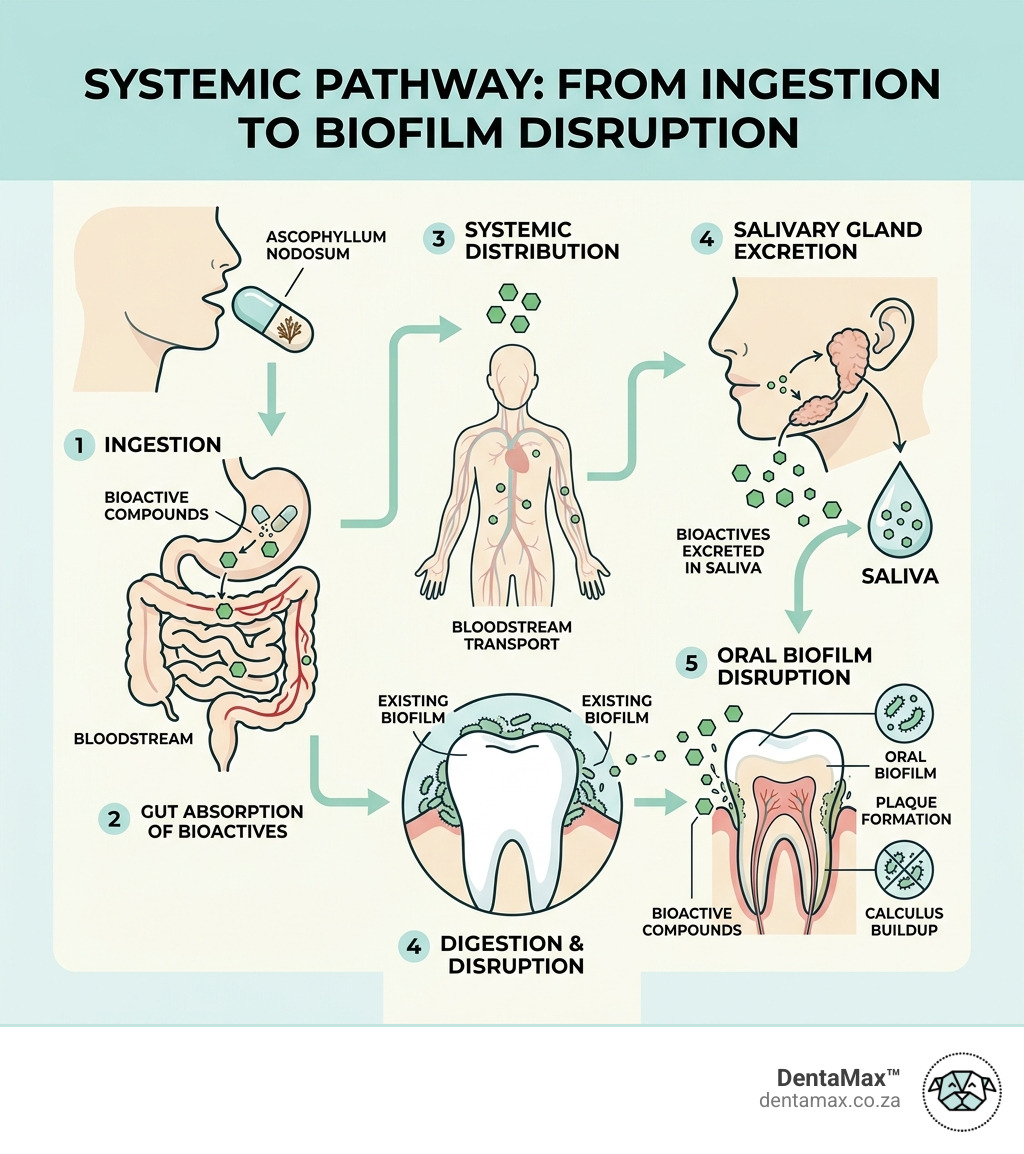
This brown seaweed works systemically. It is absorbed through the gut and excreted via the salivary glands, where its bioactive compounds act directly in the oral environment. That is what makes it different from topical dental products.
The evidence base spans veterinary and human research, with consistent findings across plaque, calculus, halitosis and metabolic markers.
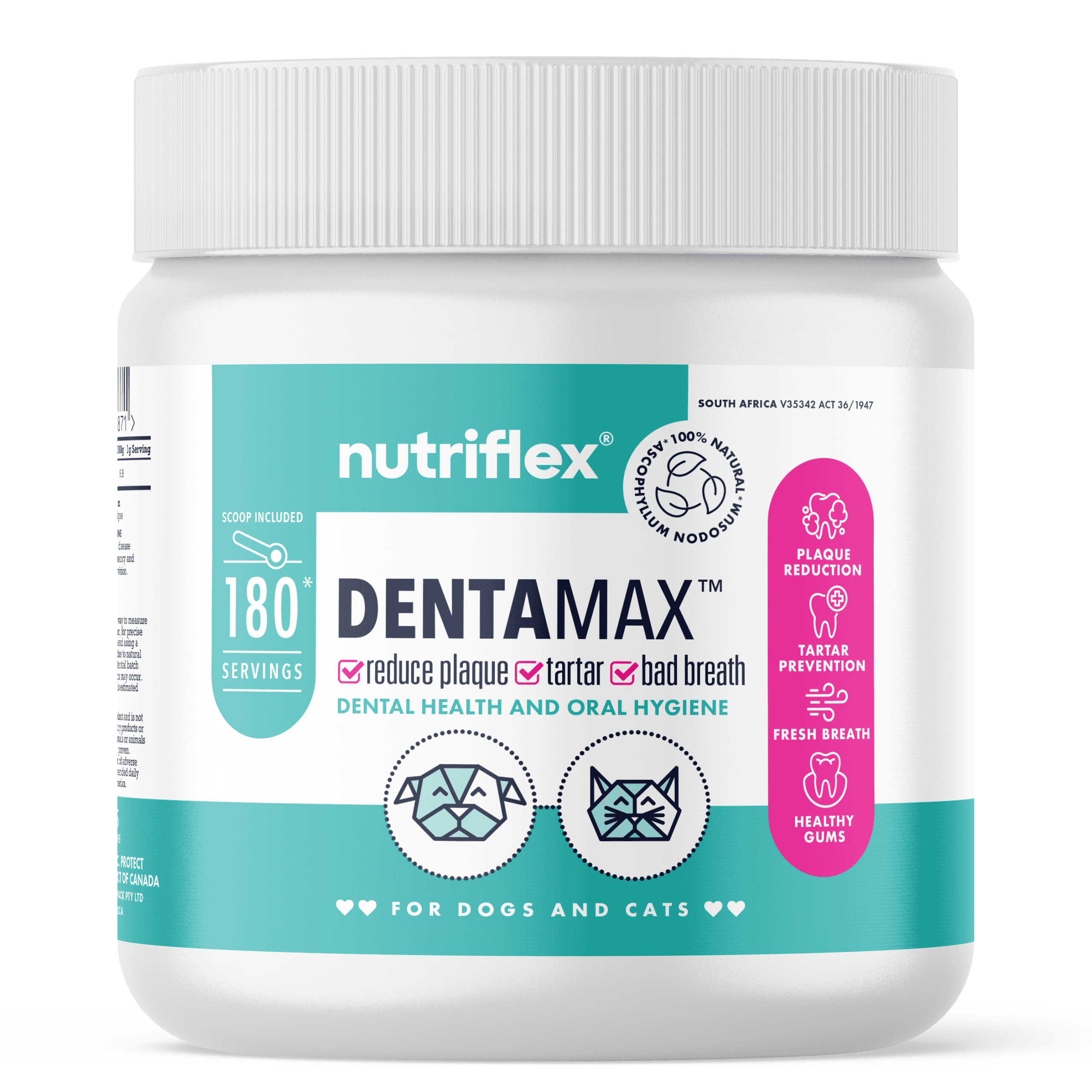
I am Sharon Milani, co-founder of NutriFlex® and the developer of DentaMax™, a 100% pure organic Ascophyllum nodosum dental powder formulated for dogs and cats based on published research. My work in evidence-based pet nutrition has been specifically focused on the Ascophyllum nodosum clinical trials literature and translating that science into safe, compliant supplementation for the South African market. In the sections that follow, we break down exactly what the studies found, how they were designed and what it means for your pet’s oral health.
Understanding the Bioactive Profile of Ascophyllum Nodosum
To understand why Ascophyllum nodosum clinical trials yield such significant results, we must first look at the complex chemistry of this North Atlantic brown alga. Unlike land based plants, this seaweed survives in extreme tidal environments, leading it to develop a unique “survival kit” of bioactive compounds.
The primary players in its health profile include:
- Phlorotannins: These are unique polyphenols found only in brown seaweeds. They are known for their potent antioxidant capacity and their ability to inhibit enzymes like alpha-amylase and alpha-glucosidase, which are involved in carbohydrate digestion.
- Fucoidan: A complex sulphated polysaccharide that has been studied for its anti-inflammatory and immune-modulating properties.
- Laminarin: A beta-glucan that serves as a source of energy for the plant and acts as a prebiotic in the gut of the consumer.
- Alginates: These polysaccharides are well known for their ability to bind to heavy metals and support digestive health.
Research indicates that these compounds do more than just provide nutrition. They actively interfere with the way bacteria adhere to surfaces, which is the foundational step in dental plaque formation. By understanding The Science of Ascophyllum Nodosum, we can see how these bioactives provide a multi-targeted approach to health, from the mouth to the metabolic system.
Ascophyllum Nodosum Clinical Trials for Canine Oral Health
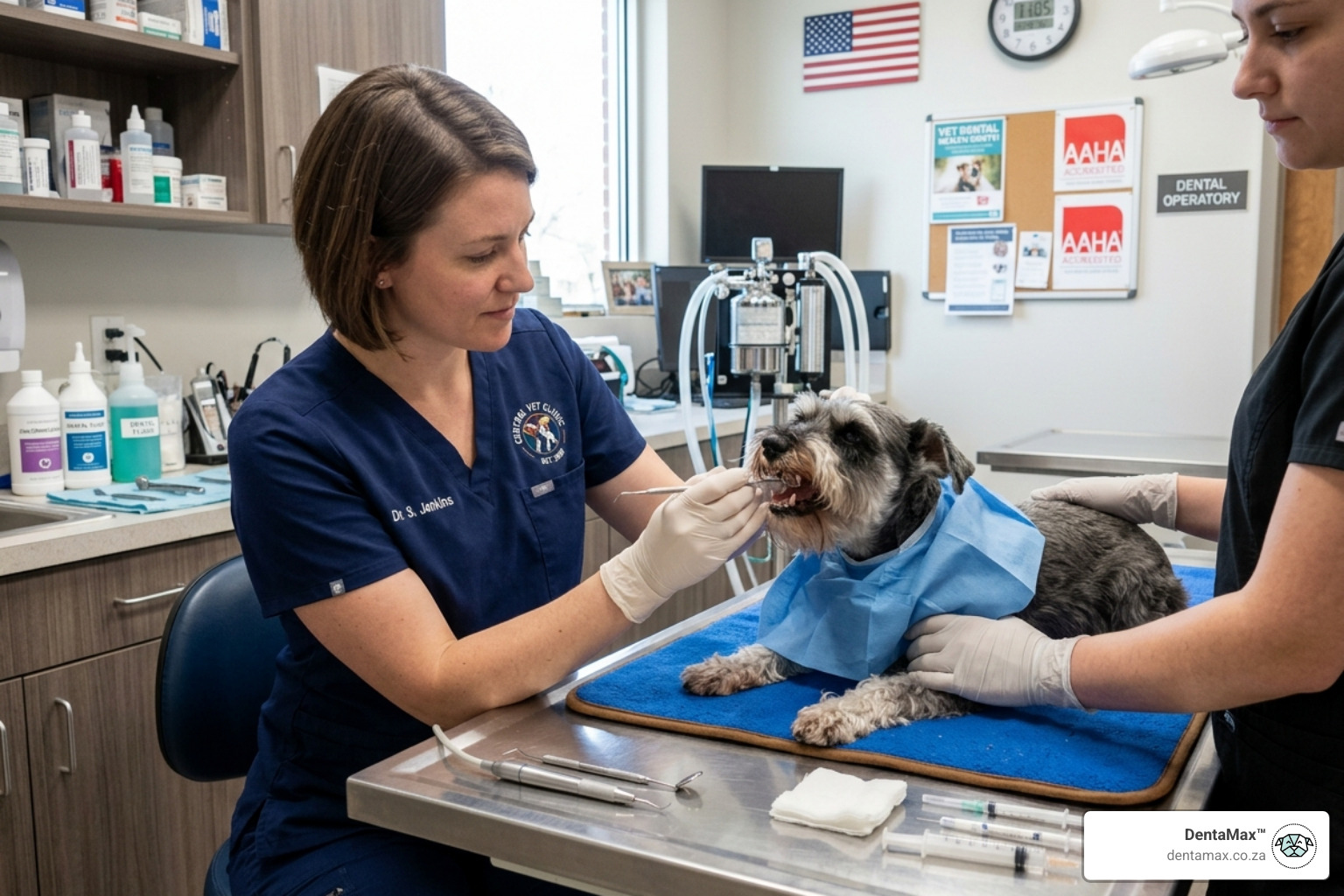
When we discuss dental care for our dogs in South Africa, we often face the challenge of “brushing compliance”. Most dogs simply do not enjoy having their teeth brushed. This is why the gold standard of evidence—the double-blind, randomised, placebo-controlled trial—is so important for passive solutions like seaweed.
One of the most robust Ascophyllum nodosum clinical trials involved 60 client-owned dogs. These dogs were primarily small breeds, such as Chihuahuas and Miniature Schnauzers, which are notoriously predisposed to rapid plaque and calculus (tartar) accumulation.
The study design was rigorous:
- All dogs received a professional dental cleaning (scaling and polishing) under general anaesthesia to start with a “clean slate”.
- Dogs were randomly assigned to either a treatment group receiving Ascophyllum nodosum edible treats or a placebo group.
- Researchers and owners were “blinded”, meaning neither knew which dog was receiving the active ingredient.
- Progress was monitored at 30, 60 and 90 days.
This design ensures that the results are not due to observer bias or the placebo effect. You can read more about How Marine Algae Affects Plaque Bacteria to understand the microscopic battle happening on the tooth surface.
Key Findings from Ascophyllum Nodosum Clinical Trials in Dogs
The results of these 90-day trials were statistically significant and clinically relevant for pet owners. The primary goal was to see if the seaweed could slow down the return of plaque and tartar after a professional cleaning.
The key findings included:
- Plaque Index (PI) Reduction: By day 90, the dogs receiving the seaweed had a significantly lower plaque index (1.67) compared to the placebo group (2.71).
- Halitosis (Bad Breath) Improvement: One of the most impressive results was the effect on Volatile Sulphur Compounds (VSC). These are the gases produced by oral bacteria that cause “dog breath”. The treatment group showed 46% lower VSC levels at day 90 compared to the placebo group.
- Gingival Health: The Gingival Bleeding Index (GBI) also showed marked improvement, suggesting that by reducing plaque, the seaweed helped lower gum inflammation.
These findings highlight why Natural Plaque Control Ingredients for Dogs & Cats are becoming a staple in South African veterinary preventative care.
Statistical Significance in Ascophyllum Nodosum Clinical Trials
In scientific research, the “P-value” tells us if a result happened by chance. A P-value of less than 0.05 is usually considered significant. In the 60-dog trial, the P-values for plaque and calculus reduction were consistently less than 0.001, indicating an extremely high level of statistical certainty.
Specifically, the Calculus Index (CI) was significantly lower in the Ascophyllum nodosum group at every checkpoint:
- T30 (30 days): 35% reduction in calculus compared to the control group.
- T60 (60 days): Continued significant divergence from the placebo group.
- T90 (90 days): Final scores showed that the seaweed group maintained much cleaner teeth despite no mechanical brushing during the study.
This is particularly important for small breeds like Chihuahuas, where the placebo group saw plaque levels nearly triple over the 90-day period.
Human Clinical Evidence: From Dental Health to Metabolic Syndrome
The benefits of this brown alga are not limited to our pets. Human Ascophyllum nodosum clinical trials have mirrored many of the veterinary findings. In a landmark 6 month crossover trial involving 55 adults with moderate to heavy calculus, researchers found that a daily 500 mg dose of dried alga powder led to a 52% reduction in supragingival calculus formation.
Interestingly, the study noted that the calculus that did form in the seaweed group was more porous and easier to remove. This suggests that the seaweed changes the mineralisation process of plaque into tartar. You can find the full details in this randomised controlled clinical study.
Metabolic and Glycaemic Control Outcomes
Beyond the mouth, Ascophyllum nodosum shows promise in managing metabolic health. Because its phlorotannins inhibit the enzymes that break down starch, it can help manage blood sugar spikes after meals.
Clinical trials in humans have demonstrated:
- Insulin Sensitivity: A single ingestion of a seaweed blend was associated with a 12.1% reduction in the insulin incremental area under the curve (iAUC) and a 7.9% increase in insulin sensitivity.
- Weight Management: In a large real-world observational study involving 505 patients over 180 days, participants using a seaweed-based supplement saw an average weight loss of 7.3 kg and a waist circumference reduction of 7.5 cm.
- Lipid Profile: Another 6 week study showed a 5% reduction in triglycerides in healthy adults.
These metabolic outcomes suggest that the systemic nature of the seaweed provides benefits far beyond dental hygiene.
Systemic Mechanism of Action and Safety Profile
One of the most common questions we get at DentaMax™ is: “How can a powder my dog eats clean their teeth?” The answer lies in the systemic pathway.
Unlike charcoal or abrasive kibble that works through mechanical friction, Ascophyllum nodosum is digested. Its bioactive compounds enter the bloodstream through intestinal absorption. These compounds are then naturally excreted by the salivary glands back into the mouth.
Once in the saliva, these compounds:
- Disrupt Biofilms: They make it harder for the “sticky” bacteria to cling to the tooth surface.
- Soften Existing Tartar: They interfere with the mineralisation process, making existing calculus more brittle.
- Alter Bacterial Composition: They shift the oral microbiome toward a healthier balance.
This is the essence of What is Dental Powder for Dogs and Cats?—it is a nutritional approach to a bacterial problem.
Dosage Standards and Safety Considerations
Safety is our top priority, especially regarding iodine content. Seaweed is naturally rich in iodine, which is essential for thyroid function but must be kept within safe limits.
The Ascophyllum nodosum clinical trials in dogs monitored thyroid health closely. The findings were reassuring:
- Safe Intake: The trials used doses providing 16-32 μg/kg of body weight of iodine.
- Thyroxine Stability: Blood tests (T4 levels) remained within normal ranges for all dogs throughout the 90-day studies.
- Upper Limits: The safe upper limit for dogs is approximately 170 μg/kg, meaning the clinical doses were well within the safety margin.
In human trials, doses of 500 mg to 1000 mg were well tolerated without significant adverse effects. However, for pets with pre-existing thyroid conditions, we always recommend consulting a South African veterinarian before starting any seaweed supplement. You can read more about specific Ascophyllum Nodosum for Dogs guidelines to ensure you are dosing correctly.
Frequently Asked Questions about Ascophyllum Nodosum Clinical Trials
How long does it take to see results in dogs?
Clinical trials show that while some changes in breath freshness can occur in as little as 3 weeks, significant plaque and calculus reductions are typically measured between 30 and 90 days of daily administration. Consistency is key because the compounds must be present in the saliva continually to be effective.
Is the iodine content in Ascophyllum nodosum safe for pets?
Yes, for pets with normal thyroid function. Studies confirm that doses providing 16-32 μg/kg of iodine—the amount found in standard recommended servings—are well below the safe upper limit of 170 μg/kg for dogs. If your pet is on thyroid medication, check with your vet first.
Does this seaweed replace the need for professional dental cleaning?
Research suggests it is most effective as a preventative measure or an adjunct therapy. It works best when started following a professional scale and polish to slow the re-accumulation of plaque. While it can help soften existing tartar, it is not a “magic wand” that will remove years of heavy mineralised calculus overnight.
Conclusion
At DentaMax™, we are committed to providing South African pet owners with evidence-based education. The Ascophyllum nodosum clinical trials we have explored today prove that we don’t always need a toothbrush to make a difference in oral health. By leveraging the systemic pathway of this remarkable North Atlantic seaweed, we can support our pets’ dental hygiene from the inside out.
Whether you are in Cape Town, Johannesburg or Durban, the science remains the same: a daily dose of quality brown algae can lead to cleaner teeth, fresher breath and a healthier life for your dog or cat. For those looking for Proven systemic plaque control for South African pets, the research is clear—science is on your side.