
Information at a glance

    Dental Care for Senior Dogs

    As dogs age, dental health often becomes one of the most overlooked aspects of their well-being.

    Many pet owners only pay attention when bad breath becomes noticeable or when tartar deposits are already clearly visible on the teeth.

    However, dental disease does not suddenly appear in old age. It develops gradually over many years as plaque accumulates along the gum line and eventually hardens into tartar.

    By the time a dog reaches its senior years, the cumulative effects of plaque and gum inflammation can lead to periodontal disease, tooth loss and chronic oral discomfort.

    Understanding how dental health changes as dogs age is essential for protecting their comfort, quality of life and long-term health.


    When Is a Dog Considered a Senior?

    The age at which a dog is considered “senior” depends largely on breed size.

    Smaller breeds tend to live longer and may only be classified as seniors from around eight to ten years of age. Larger breeds often enter their senior stage earlier, sometimes from around six or seven years old.

    Regardless of breed, ageing affects oral tissues in several ways:

    • Gum tissue becomes more sensitive and prone to inflammation

    • Teeth may become worn or weakened

    • The immune response to oral bacteria may decline

    These changes make senior dogs more vulnerable to dental disease if plaque control is not maintained.


    Why Dental Disease Is Common in Older Dogs

    Dental disease is one of the most common health problems affecting dogs worldwide.

    Studies frequently report that a large percentage of dogs show signs of periodontal disease by the age of three. By the time many dogs reach their senior years, plaque and tartar may have been accumulating for several years.

    Dental disease typically follows a predictable progression.

    First, a thin bacterial film known as plaque forms on the tooth surface within hours after eating. If plaque is not regularly disrupted, minerals in saliva cause it to harden into tartar.

    Tartar cannot be removed by brushing alone and creates a rough surface where more bacteria accumulate.

    Over time this process can lead to:

    • Gum inflammation (gingivitis)

    • Receding gums

    • Periodontal pockets around the tooth

    • Tooth mobility or loss

    Senior dogs are therefore more likely to show advanced stages of dental disease simply because the condition has had more time to develop.


    Common Dental Problems Seen in Senior Dogs

    Older dogs may develop a variety of oral health issues that can affect their comfort and ability to eat.

    Plaque and Tartar Buildup

    Yellow or brown deposits along the gum line are a common sign of tartar accumulation. Once tartar forms, it provides a surface where bacteria can continue to multiply.

    Periodontal Disease

    Periodontal disease occurs when bacteria trigger inflammation in the gums and supporting tissues around the teeth.

    As the condition progresses, the structures that anchor the tooth to the jawbone can deteriorate.

    Loose or Damaged Teeth

    Years of chewing, wear and untreated dental disease may lead to weakened teeth or fractures.

    Dental Abscesses

    Infections around the root of a tooth can develop when bacteria penetrate deeper tissues. These infections can be painful and may require veterinary treatment.


    Signs Your Senior Dog May Have Dental Problems

    Dental disease often develops gradually, which means many dogs continue eating normally even when oral discomfort is present.

    Pet owners should watch for signs such as:

    • Persistent bad breath

    • Visible tartar deposits on teeth

    • Red or swollen gums

    • Bleeding from the gums

    • Difficulty chewing food

    • Dropping food while eating

    • Pawing at the mouth

    Any sudden change in eating behaviour or sensitivity around the mouth should be evaluated by a veterinarian.


    Why Dental Health Matters for Senior Dogs

    Dental disease does not only affect the mouth.

    Chronic oral infections may allow bacteria to enter the bloodstream, where they can potentially affect other organs.

    Poor oral health has been associated with complications involving:

    • Heart health

    • Liver function

    • Kidney health

    In addition, untreated dental disease can cause persistent pain that significantly affects a dog’s quality of life.

    Maintaining dental health in older dogs therefore supports both comfort and overall wellbeing.


    The Importance of Daily Plaque Control

    Plaque begins forming on teeth within hours after eating.

    Because this bacterial film develops continuously, consistent daily plaque management is one of the most effective ways to support long-term dental health.

    Disrupting plaque regularly prevents it from mineralising into tartar and reduces the bacterial load around the gums.

    Even in senior dogs, improving daily plaque control can slow the progression of dental disease.


    Tooth Brushing for Senior Dogs

    Brushing remains one of the most direct ways to physically remove plaque from tooth surfaces.

    Using a soft toothbrush designed for pets together with a dog-safe toothpaste can help reduce plaque accumulation along the gum line.

    However, many senior dogs have never been trained to accept tooth brushing. Introducing brushing late in life can sometimes be difficult, particularly if the dog already experiences oral sensitivity.

    In these situations, alternative dental care strategies may be helpful.


    Alternatives When Brushing Is Not Possible

    For many households, maintaining daily brushing can be challenging.

    Senior dogs may resist having their mouths handled, and owners may struggle to maintain a consistent routine.

    For this reason, some pet owners incorporate additional dental support strategies into their dog’s daily routine, such as:

    • Dental supplements added to food

    • Oral health chews designed for dogs

    • Veterinary dental treatments when necessary

    These approaches are often used together rather than as replacements for professional dental care.


    The Role of Diet in Dental Health

    Diet can influence how plaque develops on teeth.

    Dogs fed exclusively soft food may accumulate plaque faster because there is little mechanical interaction between the food and tooth surface.

    Standard dry kibble may provide limited mechanical cleaning, although most kibble shatters quickly and therefore does not significantly clean teeth.

    Specialised dental diets sometimes use specific textures designed to increase contact with the tooth surface during chewing.

    However, diet alone is rarely sufficient to prevent plaque accumulation.


    Professional Dental Care for Senior Dogs

    Regular veterinary dental check-ups are important for identifying dental problems before they become severe.

    During a professional dental procedure, veterinarians may perform:

    • Dental scaling to remove tartar above and below the gum line

    • Polishing to smooth the tooth surface

    • Dental X-rays to assess root health

    • Extraction of severely damaged teeth if necessary

    Although anaesthesia is typically required for professional dental cleaning, veterinarians evaluate each dog carefully to minimise risk.


    Managing Dental Health in Senior Dogs

    Dental care for older dogs is rarely about achieving perfect teeth.

    Instead, the goal is usually to manage plaque accumulation, reduce inflammation and maintain comfort.

    A practical dental care plan for a senior dog may include:

    • Routine veterinary dental assessments

    • Consistent plaque management at home

    • Monitoring changes in gum health or chewing behaviour

    By focusing on prevention and early intervention, pet owners can help reduce the risk of painful dental disease.


    Supporting Oral Health in the Later Years

    Senior dogs can continue to live active and comfortable lives well into old age when their health needs are properly managed.

    Dental care plays a significant role in that process.

    Addressing plaque accumulation, supporting gum health and monitoring oral changes can help prevent the progression of periodontal disease.

    With consistent care, pet owners can help their dogs maintain healthy teeth, comfortable eating and better overall wellbeing throughout their senior years.
    Breed-Specific Dental Risks in Senior Dogs

    Certain dog breeds are significantly more prone to dental disease than others. Understanding breed-related risks can help pet owners identify problems earlier and manage oral health more effectively.

    Small and Toy Breeds

    Small breeds often develop dental disease earlier in life because their teeth are crowded within a relatively small jaw.

    This crowding creates areas where plaque can accumulate more easily and where food particles may become trapped.

    Breeds commonly affected include:

    • Yorkshire Terriers

    • Chihuahuas

    • Miniature Schnauzers

    • Pomeranians

    • Maltese

    By the time these dogs reach their senior years, periodontal disease may already be advanced if plaque control has not been maintained.

    Brachycephalic Breeds

    Flat-faced breeds frequently have misaligned or crowded teeth due to their shortened skull structure.

    This abnormal alignment can increase plaque retention and make certain areas difficult to clean.

    Common brachycephalic breeds include:

    • Pugs

    • Bulldogs

    • Shih Tzus

    • Boston Terriers

    Regular dental monitoring is particularly important for these breeds as they age.

    Large Breeds

    Large breed dogs generally experience fewer crowding issues, but they are still susceptible to dental disease over time.

    Years of chewing on hard objects may also increase the risk of tooth fractures in older large-breed dogs.


    Why Bad Breath Is Often the First Sign

    Bad breath, also known as halitosis, is one of the earliest warning signs of dental disease.

    The unpleasant odour typically results from bacteria breaking down food particles and proteins within plaque deposits.

    In many cases, pet owners notice persistent bad breath before they observe visible tartar or gum inflammation.

    Although occasional odour after eating is normal, consistently foul breath may indicate:

    • plaque accumulation

    • tartar buildup

    • gum infection

    • periodontal disease

    Monitoring changes in breath odour can help detect dental issues earlier.


    How Periodontal Disease Progresses With Age

    Periodontal disease develops slowly and often progresses through several stages.

    Stage 1: Plaque Formation

    A thin bacterial biofilm forms on the tooth surface shortly after eating.

    Stage 2: Tartar Development

    If plaque is not removed, minerals in saliva cause it to harden into tartar (also called calculus).

    Stage 3: Gingivitis

    Bacteria trapped within plaque and tartar irritate the gum tissue, causing redness and inflammation.

    Stage 4: Periodontal Damage

    As inflammation continues, the structures supporting the tooth begin to deteriorate. This can eventually lead to loose teeth or tooth loss.

    Senior dogs are more likely to show advanced stages of periodontal disease simply because the process has been developing for a longer period of time.


    The Role of Oral Bacteria in Dental Disease

    A dog’s mouth contains hundreds of bacterial species that naturally form part of the oral microbiome.

    While many of these bacteria are harmless, some contribute to plaque formation and gum inflammation.

    When plaque accumulates along the gum line, it creates an environment where harmful bacteria can multiply rapidly.

    This bacterial activity triggers an immune response in the gums, leading to inflammation and tissue damage.

    Managing plaque accumulation therefore plays a key role in controlling the bacterial activity that drives periodontal disease.


    Creating a Daily Dental Care Routine for Senior Dogs

    Consistency is one of the most important factors in managing dental health in older dogs.

    Even small daily interventions can help reduce plaque accumulation over time.

    A practical routine may include:

    • Checking teeth and gums regularly

    • Managing plaque through brushing or supplements

    • Monitoring changes in breath or chewing behaviour

    Developing a routine that is realistic for both the dog and the owner is essential for long-term success.


    Safe Ingredients Used in Dog Dental Supplements

    Some pet dental supplements use naturally derived ingredients designed to support plaque management.

    Certain marine algae species, for example, have been studied for their potential effects on plaque accumulation and gum health when consumed daily.

    These ingredients are typically mixed with food and absorbed systemically rather than relying on direct mechanical cleaning.

    When choosing dental supplements, pet owners often look for products that are:

    • safe if swallowed

    • free from harsh antiseptic chemicals

    • suitable for long-term daily use

    Selecting well-formulated products designed specifically for pets can support a broader dental care routine. When choosing from the array of dog dental care products in South Africa, it’s important to consider ingredients and effectiveness. Many products are tailored to meet the specific dental needs of different breeds, ensuring optimal oral health. Additionally, regular use of these products can help prevent more serious health issues down the line.


    Monitoring Oral Health as Dogs Age

    Dental disease can progress slowly, which makes regular monitoring especially important for senior dogs.

    Pet owners should periodically check:

    • gum colour and condition

    • tartar buildup along the gum line

    • changes in chewing behaviour

    • unusual odours from the mouth

    Any noticeable changes should be discussed with a veterinarian to determine whether further dental evaluation is needed.


    Preventing Dental Disease From Getting Worse

    Once dental disease has developed, the goal often shifts from complete prevention to effective management.

    Strategies that may help slow progression include:

    • improving daily plaque control

    • scheduling regular veterinary dental examinations

    • maintaining a balanced diet

    • addressing dental problems early

    Proactive care can help reduce the likelihood of severe dental complications later in life.


    Helping Senior Dogs Maintain Comfort and Quality of Life

    Dental disease can significantly affect a dog’s comfort, appetite and overall wellbeing.

    Chronic oral pain may cause subtle behavioural changes such as reluctance to chew, decreased activity or irritability.

    By proactively addressing dental health, pet owners can help senior dogs remain comfortable and continue enjoying daily activities.

    Even small improvements in dental care can make a meaningful difference in maintaining quality of life during a dog’s later years.


    Key Takeaways for Senior Dog Dental Care

    Dental health becomes increasingly important as dogs grow older.

    Because plaque accumulation occurs continuously, consistent daily care is essential for reducing the risk of tartar buildup and periodontal disease.

    A comprehensive dental care approach for senior dogs often includes:

    • regular veterinary dental evaluations

    • daily plaque management strategies

    • monitoring for early signs of dental disease

    With attentive care and early intervention, pet owners can help their senior dogs maintain healthier teeth, improved comfort and better long-term well-being.

    Learn More About DentaMax™

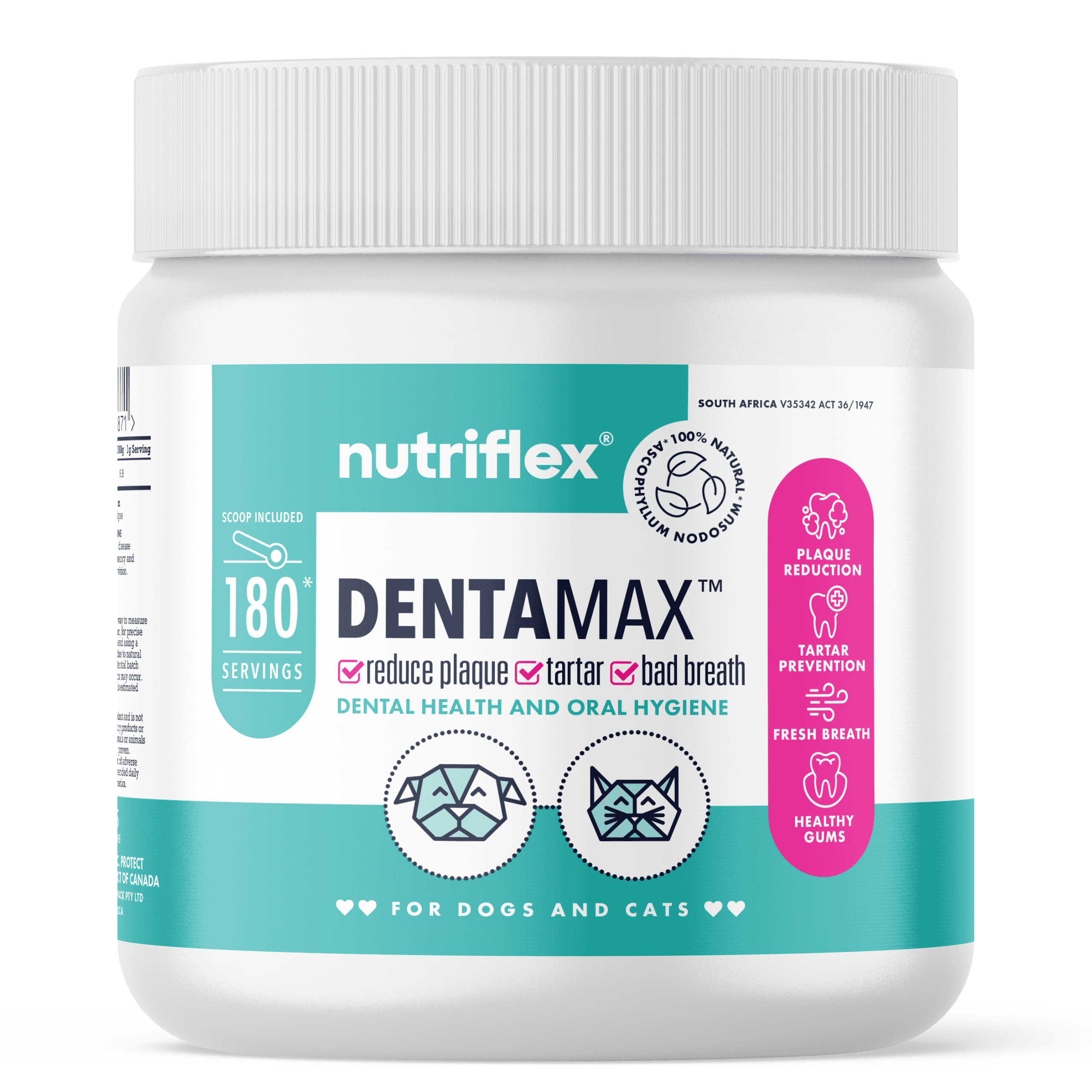
    NutriFlex® DentaMax™ is a daily dental cleaning powder for dogs and cats. Add one scoop to food at mealtime and the active ingredient travels through the bloodstream to the saliva, where it softens existing tartar and slows new plaque from forming. No brushing required. The active is 100% pure, dental-grade Ascophyllum nodosum, a North Atlantic seaweed studied for its effect on plaque and tartar control. The same algae is used in dental supplements accepted by the Veterinary Oral Health Council (VOHC).

    DentaMax™ is produced as a human-grade certified finished product in FSA-certified facilities in Cape Town and is approved by the South African government under Act 36 of 1947 (Reg. No. V34342).

    proudly south african trusted brand since 2014

    DentaMax™ is available from NutriFlex®, Takealot, Absolute Pets, Petshop Science, Pet Storey, Crazy Pets, selected veterinarians and specialist pet dental practices across South Africa.

    ★★★★★

    Team NutriFlex®

    DentaMax.co.za is the educational content portal behind NutriFlex® DentaMax™, dedicated to preventative oral health for dogs and cats in South Africa.

    Our content covers the science of plaque, tartar formation and bad breath, with clear, evidence-based explanations of how clinically studied ingredients support daily oral hygiene. Articles are built on mechanism-driven research, not marketing trends or cosmetic claims.

    Veterinary input is provided by Sally Armstrong, BVSc, Consultant Veterinarian to NutriFlex®, who contributes independent clinical perspective on ingredient safety, systemic plaque management and long-term oral health strategy.

    Our goal is simple: give South African pet parents the structured, clinically grounded information they need to make confident decisions about their pet's dental health.

    Scroll to Top