Why Cleaning Your Dog’s Teeth Matters
Dental disease is one of the most common health problems in dogs. Veterinary studies suggest that many dogs show signs of periodontal disease by the age of three.
The reason is simple. Plaque forms constantly on teeth. When it is not removed regularly, it begins to harden into tartar along the gum line. Over time this process can lead to gum inflammation, infection, tooth damage, and eventually tooth loss.
Regular dental care helps interrupt this cycle before serious damage occurs.
How Quickly Plaque Forms on Dog Teeth
Plaque is a sticky bacterial film that forms on teeth after eating.
In dogs, plaque can begin forming within hours after food particles mix with saliva and oral bacteria. This creates a biofilm that attaches to the tooth surface and along the gum line. One effective approach to maintaining their dental health is exploring ways to clean dog’s teeth at home. Regular brushing with dog-friendly toothpaste can significantly reduce plaque buildup. Additionally, incorporating dental chews into their routine can help scrape away food particles and promote fresh breath.
If plaque is removed early, the teeth can remain healthy. If it remains undisturbed, the situation changes.
How Plaque Turns Into Tartar
Plaque does not stay soft forever.
Over time, minerals in saliva begin to harden plaque deposits. This process is called mineralisation. Once plaque mineralises, it becomes tartar (also known as calculus).
Tartar bonds tightly to the tooth surface and cannot be removed easily at home. At that stage, professional veterinary cleaning is often required.
This is why preventing plaque buildup is far easier than trying to remove hardened tartar later.
How Often Should You Clean Your Dog’s Teeth?
How often should you clean your dog’s teeth?
Most veterinarians recommend cleaning a dog’s teeth daily.
Plaque can begin forming within hours after eating and may start hardening into tartar within 24–72 hours. Daily dental care helps disrupt plaque before it mineralises and contributes to periodontal disease.
Why Daily Dental Care Is Considered the Gold Standard
Daily cleaning is recommended because plaque forms continuously.
If plaque is disturbed every day, it is far less likely to harden into tartar. Consistent plaque control helps protect:
-
Gum health
-
Tooth structure
-
Breath quality
-
Long-term oral health
Skipping several days allows plaque biofilm to mature and mineralise, making dental disease more likely over time.
Is Weekly Cleaning Enough for Dogs?
Is cleaning a dog’s teeth once a week enough?
Cleaning a dog’s teeth once a week may help reduce some plaque, but it is generally not considered sufficient to prevent tartar buildup. Because plaque forms daily, most veterinary dental guidelines recommend daily plaque control for optimal oral health.
What Happens If Dog Teeth Are Not Cleaned Regularly
When plaque accumulates unchecked, the following progression often occurs:
-
Plaque forms on the tooth surface
-
Plaque hardens into tartar
-
Gum irritation begins (gingivitis)
-
Bacteria invade deeper tissues
-
Periodontal disease develops
At advanced stages, infection may damage the bone supporting the teeth, which can ultimately lead to tooth loss.
Signs Your Dog’s Teeth Need More Frequent Cleaning
Some early warning signs suggest dental care is not happening often enough.
Common indicators include:
-
Persistent bad breath
-
Yellow or brown tartar along the gum line
-
Red or swollen gums
-
Bleeding gums when chewing
-
Difficulty eating hard food
These signs usually indicate plaque and tartar have already begun to accumulate.
Factors That Influence How Often Dogs Need Dental Care
Not all dogs accumulate plaque at the same rate. Several factors influence dental health.
Breed and Jaw Size
Small breeds often develop dental disease faster because their teeth are crowded. Reduced spacing allows plaque to accumulate more easily between teeth.
Age
Older dogs tend to accumulate tartar more quickly, particularly if dental care was inconsistent earlier in life.
Diet
Sticky or carbohydrate-rich foods can increase plaque formation, while some textures may slightly reduce surface buildup through chewing.
Genetics
Some dogs naturally develop periodontal disease more easily than others, even with similar diets and lifestyles.
Methods Used to Clean Dog Teeth
There are several ways pet owners attempt to manage plaque buildup.
Tooth Brushing
Brushing physically disrupts plaque on the tooth surface and is often considered the most direct form of plaque removal.
However, many dogs resist daily brushing, making consistency difficult for some households.
Dental Chews
Dental chews attempt to reduce plaque through mechanical abrasion as the dog chews.
While they may help reduce some surface buildup, they often do not reach the gum line where periodontal disease begins.
Water Additives
Some products are added to drinking water to help control bacteria in the mouth. Their effectiveness varies and they typically provide supportive rather than primary dental care.
Professional Veterinary Cleaning
When tartar becomes significant, veterinary dental scaling under anaesthesia may be required to remove hardened deposits and treat periodontal disease.
Supporting Daily Plaque Control Without Brushing
Because daily brushing is not always practical, many pet owners look for additional ways to manage plaque buildup.
One approach gaining attention in veterinary dentistry focuses on ingredient-driven daily plaque management. These formulations are designed to be added to food and work by supporting a healthier oral environment and disrupting plaque formation before it hardens.
For example, certain seaweed-derived compounds have been studied for their ability to interfere with plaque biofilm formation and reduce tartar accumulation when used consistently.
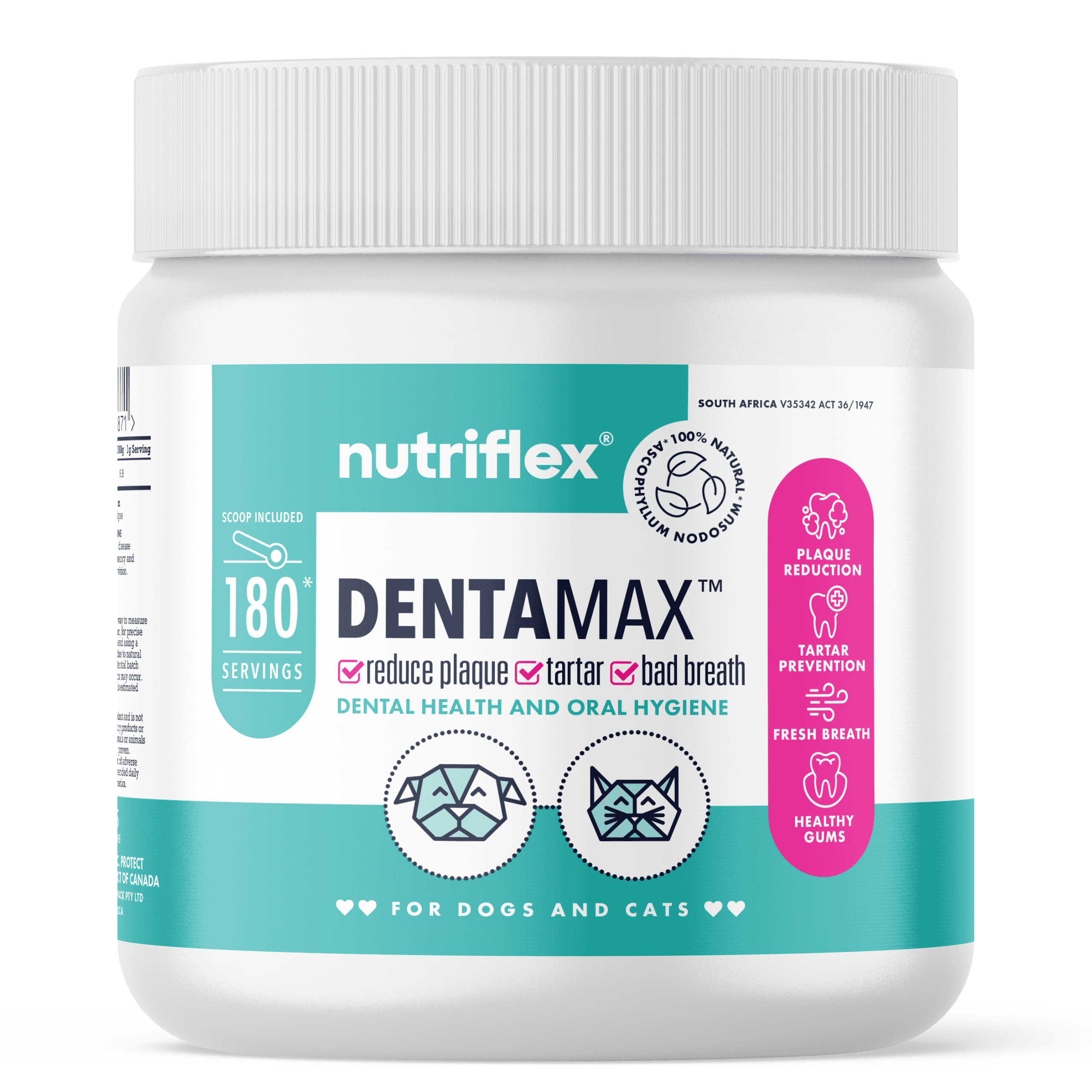
Products such as DentaMax dental powder are designed around this daily plaque-control approach. When added to food, they aim to support oral health by helping reduce plaque accumulation over time, making them easier for many owners to use consistently compared with brushing routines.
Creating a Practical Daily Dental Routine
The most effective dental care routines are usually simple and consistent.
A practical approach may include:
-
Regular plaque disruption through brushing when possible
-
Daily dental supplements added to food
-
Monitoring the teeth for early signs of tartar
-
Periodic veterinary dental examinations
Consistency matters more than complexity.
Preventing the Need for Frequent Veterinary Dental Procedures
Professional dental cleaning can be necessary when tartar accumulates heavily. However, these procedures often require anaesthesia and may become expensive if repeated frequently.
Daily plaque control helps reduce the likelihood that tartar will reach levels requiring repeated veterinary scaling.
In other words, prevention is far easier than treatment.
Frequently Asked Questions
How often should you brush a dog’s teeth?
Ideally, a dog’s teeth should be brushed daily to remove plaque before it hardens into tartar.
Can dental products replace brushing?
Some dental products may support plaque control, but brushing remains one of the most direct ways to remove plaque from the tooth surface.
What happens if you never clean a dog’s teeth?
Without regular dental care, plaque can harden into tartar, leading to gum inflammation, periodontal disease, tooth loss, and chronic bad breath.
Do small dogs need more frequent dental care?
Yes. Small breeds are often more prone to dental disease because their teeth are crowded, allowing plaque to accumulate more easily.
The Key to Healthy Dog Teeth
The most important principle in canine dental care is consistency.
Plaque forms every day.
Preventing dental disease, therefore, requires daily plaque control.
Whether through brushing, supplements added to food, or a combination of methods, maintaining a consistent dental routine helps protect your dog’s teeth, gums, and overall health for years to come.