Why Dental Health Matters for Dogs and Cats
Dental health is one of the most overlooked aspects of pet care. Yet it is also one of the most important.
Veterinary studies consistently show that most dogs and cats develop some form of dental disease by the age of three. What often begins as a thin layer of plaque can progress into gum disease, tooth loss, chronic pain, and even systemic health problems affecting the heart, liver, and kidneys.
The problem is that dental disease develops quietly. Pets rarely show obvious symptoms until the damage is already advanced.
Understanding why dental health matters is the first step in preventing serious oral disease and protecting the long-term health of dogs and cats.
Featured Snippet: Why Is Dental Health Important for Dogs and Cats?
Dental health is important for dogs and cats because bacteria in dental plaque can cause gum disease, tooth loss, chronic pain, and infections that may spread to vital organs such as the heart, liver, and kidneys. Preventing plaque buildup helps protect both oral health and overall well-being.
The Hidden Epidemic of Pet Dental Disease
Dental disease is not rare. It is the most common health condition diagnosed in dogs and cats.
Periodontal disease develops when plaque bacteria accumulate on the surface of the teeth and along the gum line. Over time, this bacterial layer hardens into tartar and triggers gum inflammation.
Without intervention, the infection spreads deeper into the tissues supporting the teeth.
This leads to:
-
Gingivitis (inflamed gums)
-
Periodontal disease
-
Bone loss around the teeth
-
Loose teeth
-
Tooth loss
Because pets cannot brush their teeth, plaque can accumulate rapidly.
Featured Snippet: How Common Is Dental Disease in Pets?
Dental disease affects approximately 70–80% of dogs and cats over the age of three. It is the most frequently diagnosed health condition in companion animals. Maintaining good dental hygiene tips for senior dogs is essential to prevent painful dental issues and ensure their overall well-being. Regular dental check-ups and cleanings can help catch problems early, while at-home care such as brushing their teeth and providing dental chews can significantly improve their oral health. Additionally, monitoring their diet and offering dental-friendly treats can further contribute to their dental hygiene.
How Dental Disease Develops
Dental disease begins with a bacterial film called plaque.
Plaque forms continuously on the teeth when bacteria in the mouth mix with saliva and food particles. If plaque is not removed, minerals in saliva cause it to harden into tartar.
This process can occur in as little as 24–72 hours.
Once tartar forms, it creates a rough surface where bacteria can thrive. The immune system reacts to these bacteria, causing inflammation of the gums.
Over time, the infection spreads below the gum line, damaging the structures that hold teeth in place.
What Causes Dental Disease in Dogs and Cats?
Dental disease in dogs and cats is caused by plaque bacteria that accumulate on the teeth. If plaque is not removed, it hardens into tartar, irritates the gums, and leads to periodontal disease, infection, and tooth loss.
Why Dental Health Affects the Entire Body
Dental disease does not stay confined to the mouth.
Bacteria from infected gums can enter the bloodstream and travel throughout the body. This condition, known as bacteremia, may contribute to inflammation in multiple organs.
Research has linked advanced periodontal disease to increased stress on the:
-
Heart
-
Liver
-
Kidneys
Chronic oral infections can also weaken the immune system and reduce overall vitality.
Maintaining good dental health helps reduce this constant bacterial load.
Signs of Dental Problems in Dogs and Cats
Many pets show subtle signs of dental disease that owners may overlook.
Common warning signs include:
-
Persistent bad breath
-
Yellow or brown tartar on teeth
-
Red or swollen gums
-
Bleeding gums
-
Drooling
-
Difficulty chewing
-
Loose teeth
Bad breath is often the earliest sign that bacteria are accumulating in the mouth.
What Are Signs of Dental Disease in Pets?
Signs of dental disease in dogs and cats include bad breath, tartar buildup, red or bleeding gums, drooling, difficulty chewing, and loose teeth.
Why Small Dogs Often Have Worse Teeth
Small dog breeds frequently develop dental disease earlier than larger dogs.
This is largely due to crowded teeth and smaller jaw structures, which allow plaque to accumulate more easily between teeth.
Toy breeds and small companion dogs often develop periodontal disease at a younger age, making preventative dental care especially important.
Why Cats Are Also Vulnerable
Cats experience many of the same dental issues as dogs.
Common feline dental conditions include:
-
Gingivitis
-
Periodontal disease
-
Tooth resorption
Because cats are masters at hiding discomfort, dental problems may go unnoticed until the disease becomes severe. Regular oral health monitoring is essential.
The Real Consequences of Poor Dental Health
Dental disease is not just cosmetic.
Untreated oral infections can lead to significant health consequences.
These include:
-
Chronic pain
-
Difficulty eating
-
Reduced appetite
-
Behaviour changes
-
Tooth loss
Many pets continue eating despite oral pain, which makes dental disease easy to miss.
Can Dental Disease Cause Pain in Pets?
Yes. Dental disease can cause significant pain in dogs and cats due to inflamed gums, exposed tooth roots, and infection of the tissues surrounding the teeth.
Why Prevention Is the Key to Dental Health
Once advanced periodontal disease develops, the damage is often irreversible.
Veterinary dental procedures can remove tartar and treat infection, but preventing plaque accumulation is far more effective than treating the consequences later.
A proactive dental care routine is the best way to protect oral health.
Practical Ways to Support Pet Dental Health
Several approaches can help reduce plaque buildup in dogs and cats.
These include:
-
Regular tooth brushing
-
Professional veterinary dental check-ups
-
Dental diets or chews
-
Plaque-control supplements
However, many pets resist brushing, which is why alternative plaque-management strategies have become increasingly popular.
Supporting Oral Health Through Plaque Control
Because plaque bacteria drive most dental disease, controlling plaque formation is central to long-term dental health.
Certain marine algae compounds have been studied for their ability to influence plaque bacteria and help reduce tartar formation over time.
Dental powders based on these compounds can be added to food daily, allowing pets to receive consistent plaque-control support without brushing.
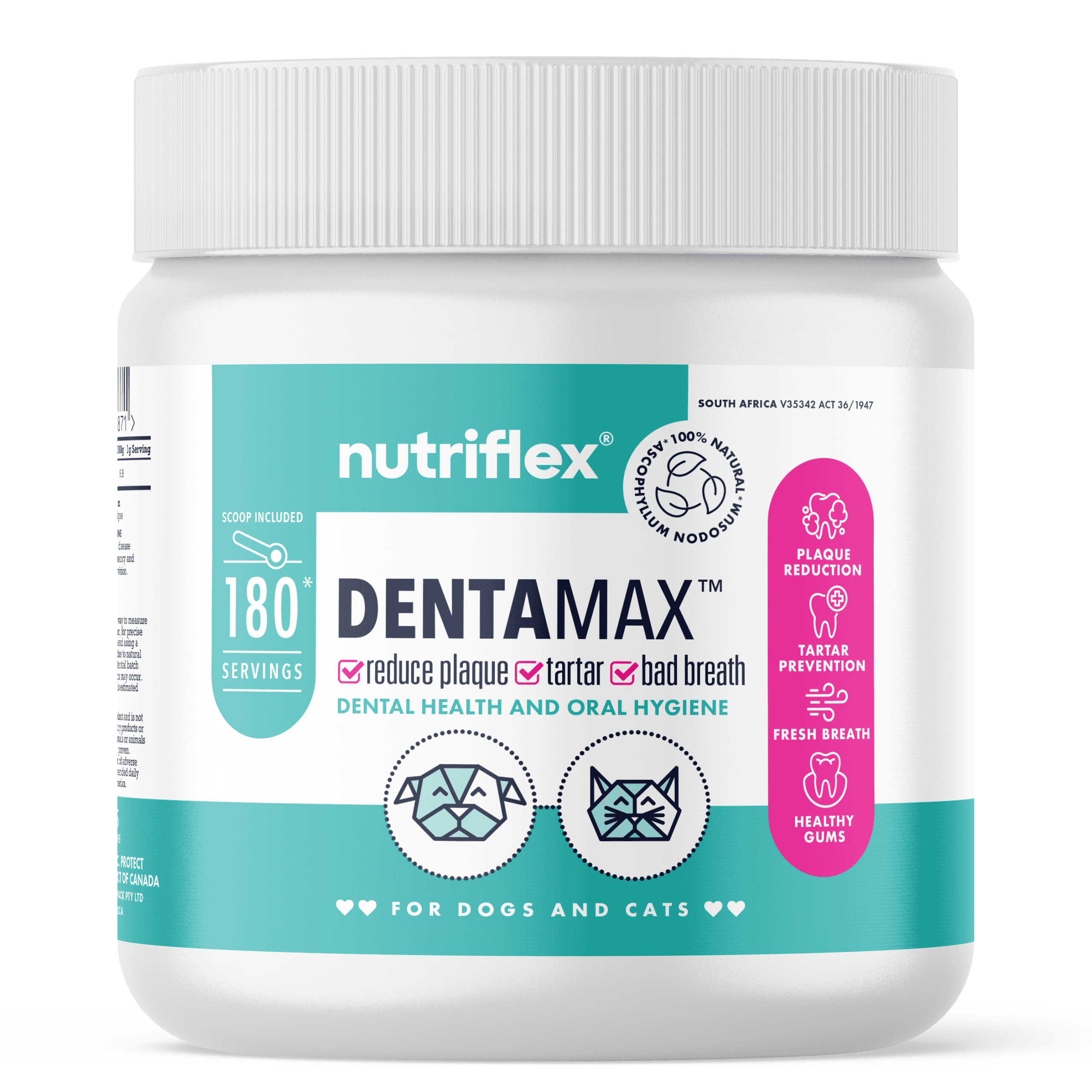
One example is DentaMax dental powder, which is formulated to help manage plaque bacteria and support cleaner teeth when used as part of a broader dental care routine.
The goal of preventative products is not to replace veterinary care, but to reduce the daily accumulation of plaque that leads to dental disease.
Dental Health Across Every Life Stage
Dental care should begin early and continue throughout a pet’s life.
Puppies and Kittens
Early exposure to dental care helps establish lifelong habits.
Adult Pets
Consistent plaque control prevents periodontal disease from developing.
Senior Pets
Older pets benefit from careful monitoring, as dental disease becomes more common with age.
At What Age Do Pets Develop Dental Disease?
Most dogs and cats begin developing dental disease by three years of age, although plaque accumulation can start much earlier if preventative dental care is not implemented.
Why Dental Health Improves Longevity
Healthy teeth and gums do more than prevent bad breath.
Maintaining oral health helps reduce chronic inflammation and bacterial load in the body, supporting overall well-being and quality of life.
Pets with good dental health are more likely to remain comfortable, active, and able to eat normally throughout their lives.
The Bottom Line
Dental health plays a critical role in the long-term well-being of dogs and cats.
Because dental disease is so common and often develops silently, preventative care is essential.
Monitoring oral health, managing plaque accumulation, and supporting the mouth’s natural balance of bacteria can help prevent the progression of periodontal disease.
When dental care becomes part of a pet’s daily routine, it supports not only healthier teeth but also a healthier and more comfortable life.