
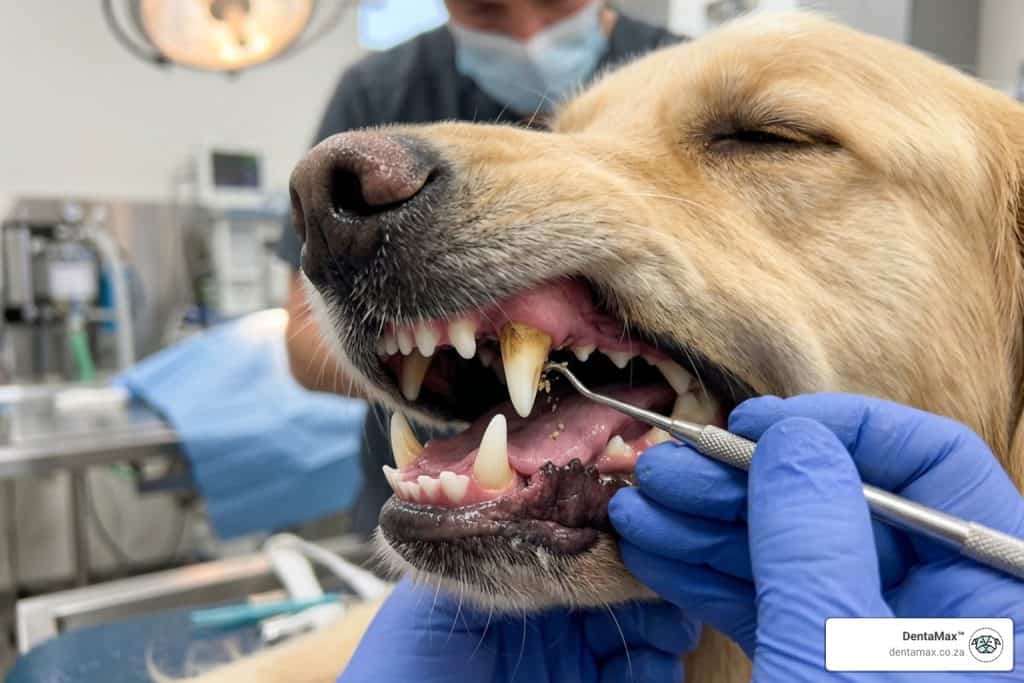
Your Dog’s Teeth Are in Trouble (And Most Owners Don’t Know It)
Dog tartar remover products are one of the most practical investments you can make for your dog’s long-term health. Here is a quick overview of the most effective options available:
| Product Type | How It Works | Best For |
|---|---|---|
| Dental powder (e.g. Ascophyllum nodosum) | Systemic action via saliva to reduce plaque and tartar | Daily brushing-free prevention |
| Enzymatic toothpaste | Breaks down biofilm mechanically and chemically | Dogs that tolerate brushing |
| Dental chews | Mechanical scraping and antimicrobial agents | Supplementary daily use |
| Water additives | Chemical plaque inhibition via drinking water | Low-effort support |
| Dental wipes | Manual biofilm disruption without a toothbrush | Brush-resistant dogs |
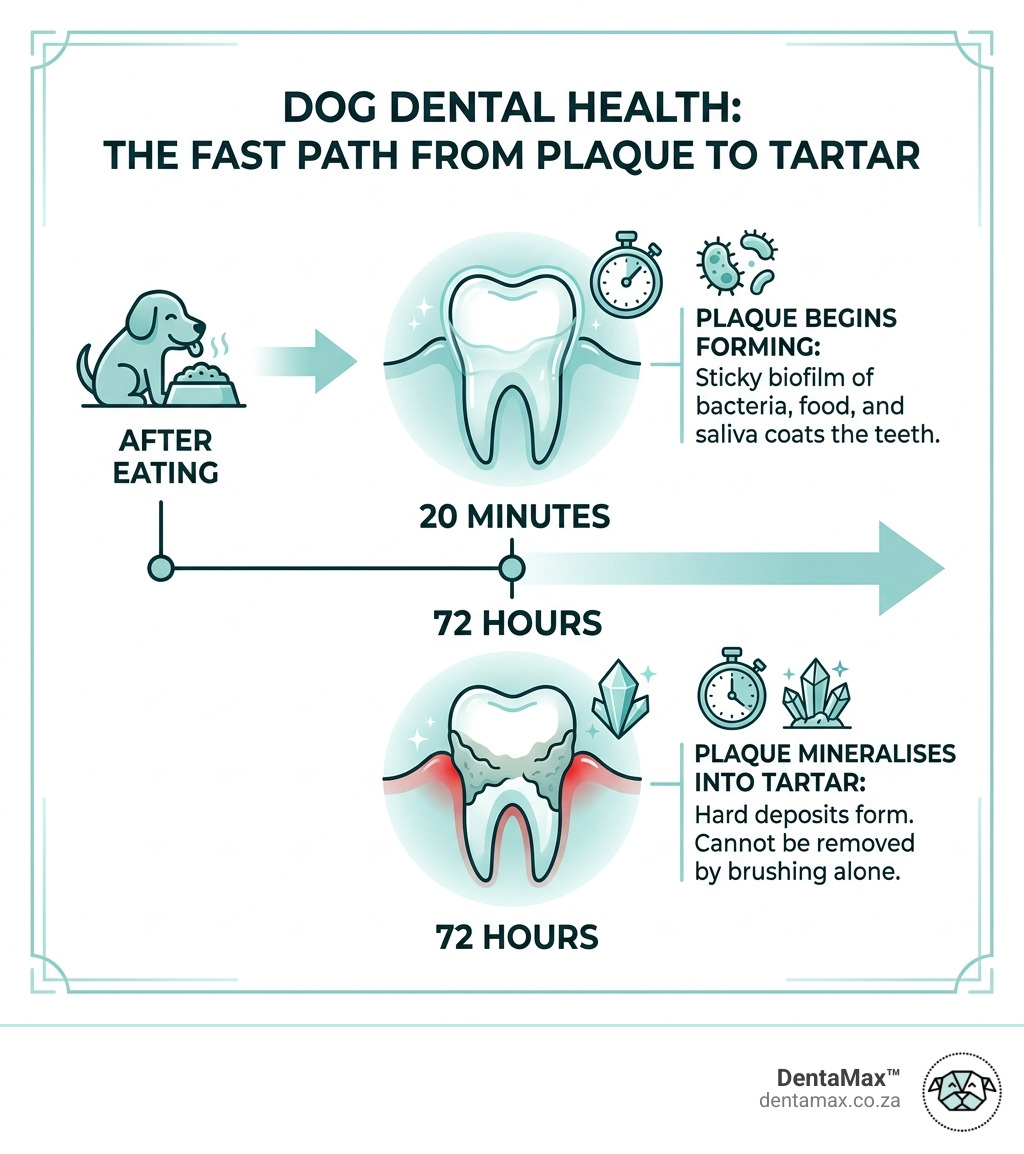
Plaque begins forming on your dog’s teeth within 20 minutes of eating. Without intervention, it mineralises into hard tartar in as little as 72 hours. Once tartar forms, no amount of home brushing will remove it.
By the time most South African dog owners notice a problem, the damage is already progressing beneath the gumline. Around 80% of dogs show signs of periodontal disease in their lifetime, yet daily oral care remains one of the most neglected areas of pet health.
I’m Sharon Milani, co-founder of NutriFlex® and the formulator behind DentaMax™, a 100% pure organic Ascophyllum nodosum dental powder developed specifically for the South African market as a science-backed, brushing-free dog tartar remover. My work focuses on systemic plaque control mechanisms and preventative oral health strategies aligned with South African regulatory standards.
Understanding Plaque and Tartar in Dogs
To choose the right dog tartar remover, we first need to understand what we are fighting. Many pet owners use the terms plaque and tartar interchangeably but they are biologically different stages of dental decay.
Plaque is a sticky, colourless biofilm consisting of bacteria, food particles and saliva. It begins to coat the teeth almost immediately after a professional cleaning or a meal. In fact, research shows that plaque can form within just 20 minutes. At this stage, plaque is soft and can be easily removed through mechanical action like brushing or chewing.
However, if plaque is not disturbed, it reacts with the minerals in your dog’s saliva. This process is called mineralisation. Within approximately 72 hours, that soft film hardens into calculus, more commonly known as tartar. Tartar is typically yellowish-brown and bonds strongly to the tooth enamel.
Once tartar has formed, it acts as a porous shield that protects even more bacteria. This cycle leads to gum inflammation and eventually more serious health issues. You can learn more about the specific differences in our guide on Plaque Vs Tartar In Dogs and explore the biological transition in How Plaque Turns To Tartar. Understanding What Is Plaque In Dogs is the first step in preventing the “gunk” from taking over your pet’s mouth.
Why a Dog Tartar Remover is Essential for Health
Ignoring tartar buildup is not just a cosmetic issue or a matter of “dog breath”. It is a significant health risk. When tartar accumulates along the gumline, it pushes the gums away from the teeth, creating “pockets” where bacteria thrive. This is the start of periodontal disease.
The dangers of untreated tartar include:
- Systemic Infection: Bacteria from the mouth can enter the bloodstream through inflamed gums. This has been linked to damage in the heart, kidneys and liver.
- Pain and Tooth Loss: Advanced dental disease causes chronic pain that dogs often hide. Eventually, the bone supporting the teeth dissolves, leading to tooth loss and even jaw fractures.
- Financial Burden: Professional dental cleanings in South Africa can be expensive. Depending on whether your dog needs extractions or advanced care at facilities like Hillcrest Veterinary Hospital or Fourways VET Hospital, costs can escalate quickly.
Investing in a daily dog tartar remover routine is significantly more affordable than emergency veterinary dentistry. For a deeper dive into the mechanics of decay, read How Tartar Damages Dog Teeth.
Effective Dog Tartar Remover Methods and Products
There is no “one size fits all” solution for dog dental care. The best approach usually involves a combination of methods.
Professional Dental Cleaning
This is the gold standard for removing existing, hardened tartar. A vet will perform scaling and polishing while the dog is under general anaesthesia. This allows them to clean beneath the gumline where home tools cannot reach.
Daily Brushing
Brushing remains a highly effective mechanical method for removing plaque before it hardens. You must use a soft-bristled brush and toothpaste specifically formulated for pets.
Dental Powders
Powders are becoming increasingly popular in South Africa because they require zero “fighting” with the dog. You simply sprinkle them onto their food. These often work systemically rather than just mechanically.
Dental Chews and Treats
Products like rawhide chews or biscuits can help scrape plaque off the surface of the teeth. Some high-quality options even contain anti-calculus agents like sodium tripolyphosphate to prevent new tartar from forming.
When deciding between methods, it helps to look at the pros and cons of each, such as Dog Toothpaste Vs Dental Powder.

Introducing DentaMax™ Dental Powder: A Comprehensive Solution
At DentaMax™, we believe that dental care should be easy for both the pet and the owner. Our dental powder is designed for South African pet parents who struggle with the daily battle of the toothbrush.
Unlike many commercial treats that rely solely on mechanical scraping, our powder works with your dog’s biology. It is highly palatable, meaning even picky eaters usually accept it without a fuss. By incorporating this into a daily routine, you are providing a consistent defence against biofilm formation. Discover DentaMax™ Dental Powder for comprehensive oral health and see how a simple daily supplement can transform your dog’s oral hygiene.
The Science of Systemic Plaque Control with DentaMax™
The secret to our dog tartar remover powder lies in a specific type of North Atlantic kelp known as Ascophyllum nodosum. This isn’t just regular seaweed; it is a bio-active powerhouse harvested from pristine waters.
How it Works: The Salivary Pathway
When your dog consumes Ascophyllum nodosum, the active compounds are absorbed into the system and eventually excreted through the saliva. This means that every time your dog swallows or licks their teeth, they are bathing their mouth in a natural “biofilm disruptor”.
This systemic action helps to:
- Soften Existing Tartar: It breaks down the bond between the tartar and the tooth enamel, making it easier to remove during chewing or professional cleaning.
- Prevent New Plaque: It creates an environment in the mouth that is less hospitable to the bacteria that form plaque.
- Freshen Breath: By reducing the bacterial load, it tackles the root cause of bad breath.
This natural approach is a fantastic alternative for those looking for How To Remove Tartar From Dog Teeth Naturally. When compared to other options, the ease of use often makes it the winner in the Dental Chews Vs Dental Powder debate.
How to Use a Dog Tartar Remover Safely at Home
Consistency is the most important factor in home dental care. Whether you are using a powder, a brush or a chew, it must be a daily habit.
Introducing a Brushing Routine
If you choose to brush, start slowly.
- Let your dog lick the pet-safe toothpaste off your finger first.
- Gently rub their gums with your finger to get them used to the sensation.
- Slowly introduce a finger brush or a soft pet toothbrush.
- Always use positive reinforcement like praise or a healthy treat.
Incorporating Dental Powder
Using a powder like DentaMax™ is even simpler. Follow the weight-based dosing instructions on the packaging. For a small dog (1kg to 10kg), a small dose of about 0.5g is usually sufficient. Larger dogs will require more. You can find more tips on How To Remove Plaque From Dogs Teeth to supplement your routine.
Safety Warnings
- Never use human toothpaste: Human toothpaste contains fluoride and often Xylitol (a sweetener), both of which are highly toxic to dogs. Fluoride can cause severe stomach upset and long-term health issues if swallowed.
- Monitor Chewing: Always supervise your dog when they are using dental chews or bones to prevent choking or broken teeth.
- Check for Inflammation: Regularly inspect your dog’s mouth for bleeding or red gums. If you see these signs, it is time for a vet visit. You can learn what to look for in our guide on Plaque On Dog Teeth.
Frequently Asked Questions about Dog Tartar
Can I remove hardened tartar at home without a vet?
In short, no. Once plaque has mineralised into tartar, it is physically bonded to the tooth. Attempting to scrape it off at home with metal tools is dangerous as you can easily slip and damage the gums or scratch the tooth enamel, which actually makes it easier for more plaque to attach later. A dog tartar remover powder can help soften it over 3 to 8 weeks, making a professional cleaning more effective, but the final removal of hard calculus requires a vet.
How often should I use a dog tartar remover?
Dental care should be a daily occurrence. Because plaque forms within 20 minutes and can harden in 72 hours, skipping even a few days can allow tartar to take hold. Daily supplementation with a dental powder or daily brushing is the best way to maintain oral health.
Is human toothpaste safe for dogs?
Absolutely not. Human toothpaste is designed to be spat out, whereas dogs swallow everything. Ingredients like fluoride and Xylitol are dangerous for pets. Always use a vet-approved, enzymatic pet toothpaste.
Conclusion
Maintaining your dog’s oral health doesn’t have to be a struggle. By understanding the timeline of plaque and tartar formation, you can take proactive steps to protect your pet. In the South African context, where veterinary costs are rising, prevention is truly the best medicine.
DentaMax™ is committed to providing evidence-based education and high-quality systemic solutions for pet owners. By using a science-backed dog tartar remover like our Ascophyllum nodosum powder, you are supporting your dog’s systemic health and ensuring they have a happy, pain-free smile for years to come.
For more information and to start your journey toward better pet health, check out More info about dog dental powder in South Africa.
