
Why Halitosis in Dogs Treatment Should Not Be Ignored
Halitosis in dogs treatment is something every dog owner should understand, because bad breath in dogs is rarely just a cosmetic issue. It is almost always a sign of an underlying health problem that needs attention.
Quick answer: How is halitosis in dogs treated?
- Professional dental cleaning under general anaesthesia to remove plaque and tartar
- Intraoral X-rays and oral examination to assess the extent of disease
- Tooth extractions where teeth are too damaged to save
- Daily home care including brushing and clinically validated dental supplements
- Twice-yearly veterinary dental checkups to prevent recurrence
- Treatment of systemic causes such as kidney disease, liver disease or diabetes where applicable
Bad breath, known medically as halitosis, is an offensive odour coming from the mouth. It is one of the most common complaints among dog owners, yet it is frequently dismissed as normal “dog breath.”
It is not normal.
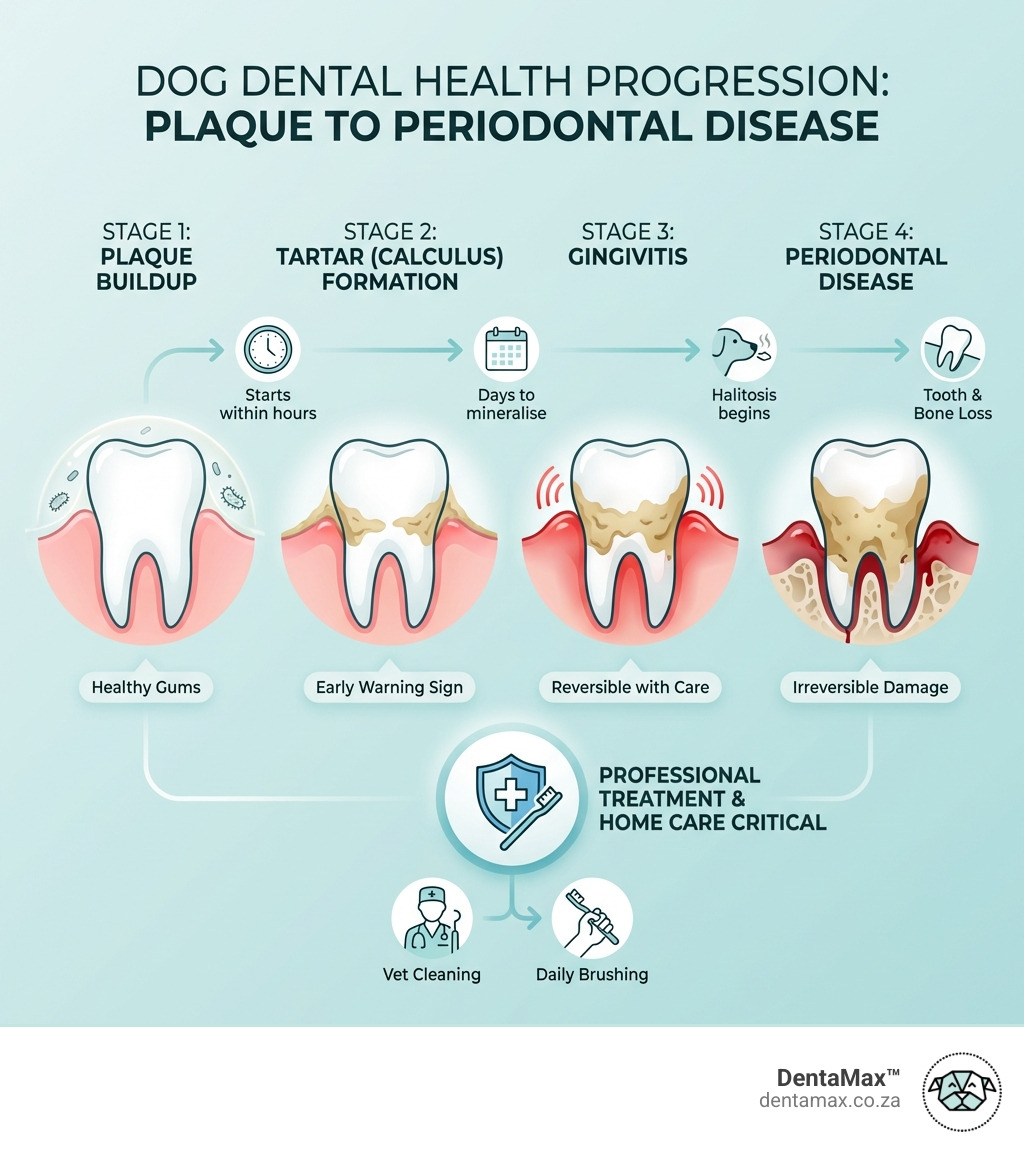
Research shows that as many as 80% of dogs over the age of three show evidence of dental disease. Plaque forms on teeth within hours of cleaning and mineralises into hard tartar within days. Left untreated, this leads to gingivitis, then periodontal disease, and eventually tooth and bone loss.
The good news is that halitosis is treatable. With the right combination of professional care and consistent home routines, your dog’s breath and oral health can improve significantly.
Identifying the Cause of Bad Breath in Dogs
Before we can dive into the specifics of halitosis in dogs treatment, we must understand what is actually causing the smell. In the vast majority of cases, the culprit is bacteria.
When your dog eats, food particles combine with saliva to form a sticky film called plaque. This plaque is a complex biofilm teeming with bacteria. If this biofilm is not disrupted through mechanical cleaning or systemic support, it begins to mineralise into tartar, also known as calculus.
Tartar provides a rough surface that allows even more plaque to accumulate. As the bacteria thrive, they produce volatile sulphur compounds (VSCs). These compounds, specifically hydrogen sulphide, are what create that unmistakable “rotten egg” smell.
According to Scientific research on halitosis causes, these bacteria do more than just smell bad. They cause inflammation of the gums (gingivitis) and eventually destroy the supporting structures of the teeth (periodontal disease). In advanced cases, decomposing food trapped in deep periodontal pockets and tissue death from oral tumours can also contribute to the foul odour.
Distinguishing Dental Disease from Systemic Issues
While 90% of bad breath cases stem from the mouth, we must also consider that halitosis can be a messenger for internal health problems. This is where Systemic Dental Science becomes vital for every pet parent to understand.
If your dog’s breath has a very specific, unusual odour, it might point to one of the following:
- Sweet or Fruity Breath: This is often a sign of diabetes. The smell is caused by ketones being excreted through the breath.
- Ammonia or Urine-like Odour: This can indicate kidney disease. When the kidneys cannot effectively filter waste products from the blood, urea builds up and can be smelled on the breath.
- Foul or Musty Odour with Yellowing Eyes: This may suggest liver failure. If the liver is not processing toxins, they can manifest as a distinctively bad smell, often accompanied by jaundice (yellowing of the gums or eyes).
- Rotting or Putrid Smell: This could indicate a foreign object, like a splinter or piece of bone, stuck in the gums, or potentially an oral tumour that has begun to decay.
If you notice these specific odours, halitosis in dogs treatment starts with a comprehensive veterinary workup to address the primary organ failure or metabolic issue.
Breed Predispositions and Risk Factors
Not all dogs are created equal when it comes to oral hygiene. We often see that certain breeds require much more intensive halitosis in dogs treatment than others.
Small breeds, such as Yorkies, Chihuahuas and Toy Poodles, are notoriously prone to dental disease. This is because they have the same number of teeth as large dogs but a much smaller jaw. This crowding creates tiny crevices where plaque and food particles get trapped easily.
Flat-faced or brachycephalic breeds, like Pugs and Bulldogs, also face challenges. Their jaw structure often leads to misaligned teeth, which prevents the natural “self-cleaning” action that occurs when a dog chews.
Age is another significant factor. As dogs get older, the cumulative effect of plaque and tartar buildup becomes more apparent. However, it is a myth that bad breath is just a part of getting old. Senior dogs can have fresh breath too, provided they receive regular professional care.
Professional Halitosis in Dogs Treatment and Diagnosis
If your dog’s breath is making you flinch during snuggle time, the first step is a visit to the vet. You cannot treat moderate to severe halitosis with home remedies alone. A professional diagnosis is essential to ensure we are treating the right problem.
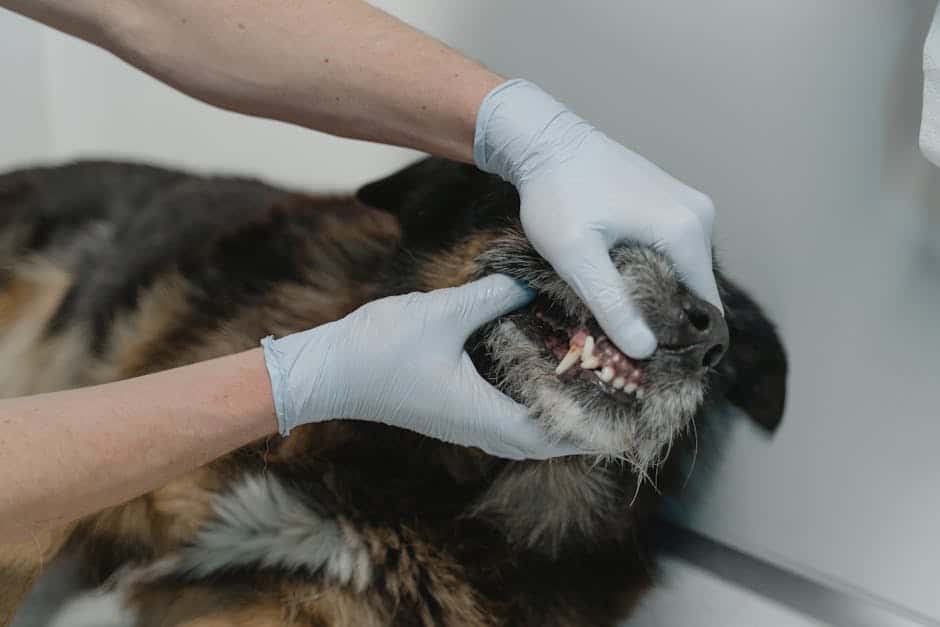
A veterinarian will perform a thorough oral examination. However, even the most cooperative dog will not let a vet see everything while awake. Most of the damage caused by periodontal disease happens below the gum line, where it is invisible to the naked eye.
To get a full picture, your vet may recommend:
- Blood Tests: To rule out the systemic issues like kidney or liver disease mentioned earlier.
- Intraoral Radiographs (X-rays): This is the gold standard for halitosis in dogs treatment. X-rays allow us to see bone loss, tooth root abscesses and hidden infections that are the primary sources of bad breath.
Clinical Procedures for Halitosis in Dogs Treatment
Once the diagnosis is made, the actual treatment usually involves a professional dental cleaning. It is important to understand that a “cosmetic” or anaesthesia-free cleaning is not sufficient for treating halitosis.
A proper clinical procedure includes:
- General Anaesthesia: This is necessary for the safety and comfort of your dog. It allows the vet to clean under the gum line and perform a tooth-by-tooth examination without the dog moving or feeling pain.
- Subgingival Scaling: Using ultrasonic tools to remove the plaque and tartar hiding beneath the gums. This is the most important part of curing bad breath.
- Polishing: Scaling creates microscopic scratches on the tooth enamel. Polishing smooths these out, making it harder for new plaque to attach.
- Extractions: If a tooth is loose, the root is infected or there is significant bone loss, the vet will remove the tooth. Leaving a “dead” or dying tooth in the mouth is a guaranteed way to ensure halitosis returns.
The Role of Professional Cleaning in Halitosis in Dogs Treatment
Professional cleaning is the “reset button” for your dog’s oral health. By removing the mineralised tartar and the bacteria-laden biofilm, we can reverse gingivitis and stop the progression of periodontal disease.
For more information on what these procedures involve, you can explore our guide on Dog & Cat Dental Care.
We recommend that most dogs receive a professional dental checkup at least twice a year. For high-risk breeds or those with a history of rapid tartar buildup, these visits are the foundation of a long-term halitosis in dogs treatment plan.
Home Care Routines for Halitosis in Dogs Treatment
Once the vet has cleaned your dog’s teeth, the responsibility shifts to home care. Without a daily routine, plaque will begin to reform in as little as 12 hours.
The gold standard of home care is daily brushing. Using a dog-specific toothbrush and enzymatic toothpaste, you can mechanically scrub away the biofilm before it mineralises. Never use human toothpaste, as it contains ingredients like xylitol or fluoride that are toxic to dogs.
However, we know that many dogs (and owners) find daily brushing a challenge. If your dog treats the toothbrush like a sworn enemy, you are not alone. This is where modern dental supplements play a massive role in halitosis in dogs treatment.
Natural Approaches and Dietary Management
In South Africa, there is a growing movement toward natural, chemical-free pet care. One of the most effective natural ingredients for fighting bad breath is a specific type of seaweed called Ascophyllum nodosum.
This is the hero ingredient in DentaMax™. Unlike brushing, which works mechanically, DentaMax™ works systemically. When your dog eats the powder, the active compounds are absorbed into the bloodstream and then released back into the saliva.
This changes the “stickiness” of the saliva, preventing plaque from adhering to the teeth and softening existing tartar over time. It is a “no-brush” solution that is particularly effective for owners in Cape Town, Johannesburg and Durban who want a stress-free way to maintain their dog’s oral health.
You can learn more about the science of how DentaMax™ works to understand how a simple daily scoop can replace the struggle of the toothbrush.
For a deeper dive into why natural ingredients are becoming the preferred choice for South African pet parents, read our article on Beyond Doggy Breath and the Rise of Natural Dental Care.
Selecting VOHC Accepted Products for Comprehensive Care
When choosing dental chews, treats or additives for your dog, it is easy to get lost in marketing claims. One recognised benchmark in veterinary dentistry is the seal issued by the Veterinary Oral Health Council (VOHC).
The VOHC evaluates controlled studies submitted by manufacturers to determine whether a product can demonstrably reduce plaque or tartar in dogs and cats. Products that meet their study criteria may display the VOHC Seal of Acceptance.
It is important to understand, however, that VOHC approval applies to specific commercial products that have funded and submitted trials, not to ingredients themselves.
One of the most widely studied natural ingredients for oral health in dogs is the North Atlantic brown seaweed Ascophyllum nodosum. Research has shown that compounds within this seaweed can influence plaque formation and tartar accumulation through systemic absorption rather than mechanical scraping.
This is the same marine seaweed used in the VOHC-accepted dental powder ProDen PlaqueOff.
NutriFlex DentaMax uses the same core ingredient — pure Ascophyllum nodosum — as its active dental support component.
For many pet owners, combining mechanical dental care (chews, brushing or VOHC-accepted products) with a daily seaweed-based supplement can provide a broader strategy for managing plaque buildup, tartar formation and halitosis in dogs.
Preventing Recurrence with Long Term Oral Hygiene
Curing halitosis is not a once-off event. It requires a lifetime of commitment. To help you choose the best path for your pet, we have compared the two most popular home care methods.
| Feature | Manual Brushing | DentaMax™ Dental Powder |
|---|---|---|
| Method | Mechanical scrubbing | Systemic (via saliva) |
| Effort Level | High (requires daily cooperation) | Low (mix with food) |
| Frequency | Daily | Daily |
| Effectiveness | Excellent for surface plaque | Excellent for plaque and tartar softening |
| Stress Level | Can be high for sensitive dogs | Zero stress |
| Chemicals | Depends on toothpaste brand | 100% Natural (Kelp) |
To maintain the results of your halitosis in dogs treatment, you should also monitor what your dog chews. Avoid hard plastic toys, stones or real bones, which can fracture teeth. Instead, provide rubber chew toys that encourage saliva production and help “scrub” the teeth naturally.
For more details on maintaining this routine in South Africa, see our resource on Dog & Cat Dental Powder South Africa.
When to Seek Immediate Veterinary Care
Sometimes, bad breath is an emergency. You should not wait for your scheduled checkup if you notice any of the following:
- Sudden, Extreme Odour: A breath smell that changes overnight can indicate an acute infection or organ failure.
- Bleeding Gums: If you see blood on your dog’s chew toys or in their water bowl.
- Loose or Missing Teeth: This is a sign of advanced periodontal disease.
- Facial Swelling: Specifically under the eye, which often indicates a tooth root abscess.
- Loss of Appetite: If your dog is hungry but walks away from the bowl, they may be in significant oral pain.
Potential Complications of Untreated Halitosis
Ignoring bad breath can have devastating consequences for your dog’s overall health. The bacteria in the mouth do not stay in the mouth.
Through the inflamed gums, bacteria can enter the bloodstream, a condition known as bacteraemia. These bacteria then travel to major organs, including the heart, kidneys and liver. This can lead to endocarditis (heart valve infection) and chronic organ damage, significantly shortening your dog’s lifespan.
Furthermore, untreated periodontal disease leads to the destruction of the jawbone. In small breeds, this can even result in a fractured jaw from something as simple as jumping off a couch or eating hard kibble.
Frequently Asked Questions about Halitosis in Dogs Treatment
We receive many questions from concerned pet owners regarding the best way to handle stinky breath. Here are some of the most common queries, with more available on our Frequently Asked Questions page.
Can halitosis in dogs be permanently cured?
Halitosis is a symptom, not a disease itself. While you can “cure” the current smell by treating the underlying cause (like removing a rotten tooth or cleaning plaque), it will return if oral hygiene is not maintained. Think of it like human breath, it requires daily maintenance to stay fresh.
Are home remedies enough to treat severe bad breath?
No. If your dog has visible brown tartar, red gums or a very strong smell, home remedies like powders or brushing will not be enough. These products are designed to prevent plaque from becoming tartar. Once tartar has formed, it is like concrete and can only be removed by a professional veterinary scaler.
Why do small breeds require more frequent dental care?
As mentioned, their teeth are crowded together, creating more hiding spots for bacteria. Additionally, small dogs often live longer than large breeds, meaning their teeth have more years to accumulate damage. Most vets recommend professional cleanings every 6 to 12 months for small breeds.
Conclusion
Halitosis in dogs treatment is a vital part of being a responsible pet owner. By moving beyond the idea that “dog breath” is normal, you can protect your pet from pain, tooth loss and serious systemic diseases.
The formula for success is simple: professional veterinary intervention to clean the teeth, followed by a consistent, high-quality home care routine.
For many South African families, DentaMax™ by NutriFlex® offers the perfect balance. It provides a clinically validated, 100% natural way to fight plaque and tartar without the daily struggle of brushing. Made from pure Ascophyllum nodosum kelp, it is the simple, effective way to ensure your dog’s morning kisses are something to look forward to, rather than avoid.
Ready to transform your dog’s oral health? Shop for Dog & Cat Dental Powder South Africa and give your pet the gift of a clean, healthy mouth today.