Is Chlorhexidine the Best Option for Pet Dental Care?
Dental health is essential for the long-term well-being of both dogs and cats. Poor oral hygiene can lead to plaque build-up, gum disease, tooth loss, chronic pain, and even systemic health problems affecting the heart, kidneys, and liver.
Because of these risks, many veterinarians recommend dental care products designed to control harmful bacteria in the mouth. One of the most commonly used ingredients in veterinary dental products is chlorhexidine.
Chlorhexidine is a powerful antiseptic that can reduce bacteria in the mouth. However, while it may have benefits in certain clinical situations, it also comes with several drawbacks — particularly when used as part of a long-term dental care routine.
As more pet owners become aware of the importance of natural, microbiome-friendly care, many are questioning whether harsh antiseptic chemicals are the best way to maintain healthy teeth and gums.
Understanding the limitations and potential side effects of chlorhexidine can help pet owners make informed decisions about their pet’s dental health.
What Is Chlorhexidine?
Chlorhexidine is a broad-spectrum antiseptic chemical used widely in both human and veterinary medicine.
It was originally developed as a disinfectant and is commonly used to:
-
Sanitise surgical instruments
-
Clean wounds
-
Sterilise medical environments
-
Reduce bacteria before surgery
In veterinary dentistry, chlorhexidine is often included in:
-
Oral rinses
-
Dental sprays
-
Dental gels
-
Water additives for pets
The purpose of chlorhexidine in these products is to reduce the number of bacteria in the mouth that contribute to plaque and gum disease.
While this antibacterial effect can be useful in short-term medical situations, it does not necessarily make chlorhexidine suitable for daily preventive dental care.
Why Chlorhexidine Is Used in Veterinary Dentistry
Chlorhexidine gained popularity in veterinary dentistry because it is effective at temporarily reducing oral bacterial counts.
When used after dental procedures or during active gum infections, it may help lower bacterial levels while tissues heal.
For example, veterinarians may recommend chlorhexidine for:
-
Post-dental surgery care
-
Treating gingivitis or gum inflammation
-
Managing periodontal infections
However, chlorhexidine works by killing bacteria rather than addressing the root causes of plaque build-up.
Dental disease in pets is a complex process involving plaque formation, tartar accumulation, inflammation, and microbial imbalance. Simply eliminating bacteria does not solve the underlying problem. Many pet owners are now seeking solutions that include natural ingredients for healthier pets, which can support oral health and overall well-being. These ingredients often promote better digestion and immune function, reducing the risk of dental issues. By focusing on a holistic approach, pet parents can help maintain their furry companions’ vitality and happiness.
The Problem With Killing All Oral Bacteria
A healthy mouth is not sterile. In fact, dogs and cats rely on a balanced community of microorganisms known as the oral microbiome.
This ecosystem includes both beneficial and harmful bacteria that naturally regulate one another.
Beneficial bacteria help:
-
Prevent overgrowth of harmful microbes
-
Support gum tissue health
-
Assist immune responses in the mouth
Chlorhexidine does not distinguish between good and bad bacteria. Instead, it indiscriminately eliminates a wide range of microbes.
Repeated use can disrupt the natural microbial balance in the mouth.
An imbalanced microbiome may actually make it easier for harmful bacteria to return and dominate the oral environment.
Chlorhexidine Side Effects in Dogs and Cats
While chlorhexidine is often considered safe when used correctly, it is not completely free from side effects.
Several common issues have been reported when chlorhexidine is used regularly in pet dental care.
Tooth Staining and Discolouration
One of the most common side effects of chlorhexidine is tooth staining.
Pets using chlorhexidine products may develop brown or dark stains on their teeth. This occurs when chlorhexidine reacts with proteins in saliva and compounds in food.
Although the staining is mostly cosmetic, it can make teeth appear unhealthy and may require professional cleaning to remove.
Altered Taste and Dental Care Resistance
Many dogs and cats dislike the bitter chemical taste of chlorhexidine.
If a pet associates dental care with an unpleasant flavour, they may begin resisting oral treatments altogether.
This can make it harder for pet owners to maintain consistent dental hygiene routines.
Oral Irritation
Some animals experience irritation of the mouth or gums when exposed to strong antiseptic solutions.
Possible symptoms may include:
-
Red or inflamed gums
-
Increased drooling
-
Pawing at the mouth
-
Reluctance to eat
Pets with sensitive oral tissues may be more susceptible to irritation from chlorhexidine-based products.
Gastrointestinal Upset From Ingestion
Unlike many pet dental products designed to be swallowed safely, chlorhexidine solutions were not originally formulated for ingestion.
Because dogs and cats naturally swallow substances placed in their mouths, this can sometimes lead to gastrointestinal upset, including:
-
Nausea
-
Vomiting
-
Stomach irritation
For this reason, many pet owners prefer dental care products made with ingredients specifically intended to be safe if swallowed.
Chlorhexidine Is Not Designed for Long-Term Daily Use
Chlorhexidine is typically intended for short-term therapeutic use, rather than lifelong daily dental care.
Using strong antiseptic chemicals continuously may expose pets to unnecessary chemical exposure while doing little to address the true causes of plaque and tartar formation.
Effective preventive dental care focuses on supporting natural oral balance while physically removing plaque before it hardens into tartar.
A Better Approach: Supporting the Oral Microbiome
Modern research increasingly recognises the importance of maintaining microbial balance in the mouth.
Rather than attempting to sterilise the oral environment, many dental care approaches now focus on supporting beneficial bacteria while controlling harmful microbes.
This approach helps maintain a healthier oral ecosystem and may offer more sustainable long-term dental health.
Natural Alternatives to Chlorhexidine
Many pet owners are now choosing dental care products that support oral health without relying on harsh antiseptic chemicals.
Natural and enzyme-based dental products are designed to:
-
Break down plaque biofilm
-
Support healthy oral bacteria
-
Neutralise odour-causing compounds
-
Promote healthy gums
Instead of aggressively killing bacteria, these solutions work with the mouth’s natural processes to maintain balance.
Preventing Dental Disease in Dogs and Cats
The most effective dental care strategy focuses on prevention.
Healthy dental habits may include:
-
Consistent daily oral care
-
Providing appropriate chewing opportunities
-
Feeding diets that support dental health
-
Scheduling routine veterinary dental check-ups
Consistency is far more important than relying on occasional chemical treatments.
Signs Your Dog or Cat May Have Dental Disease
Pet owners should watch for early warning signs of dental problems, including:
-
Persistent bad breath
-
Red or bleeding gums
-
Yellow or brown tartar build-up
-
Difficulty chewing
-
Dropping food while eating
-
Pawing at the mouth
If these symptoms appear, a veterinary dental examination is recommended.
Choosing Safe Dental Products for Pets
When selecting dental care products for dogs and cats, ingredients matter.
Products intended for daily use should ideally be:
-
Safe if swallowed
-
Gentle on gum tissue
-
Supportive of the oral microbiome
-
Free from harsh antiseptic chemicals
Daily dental care should support the natural balance of the mouth rather than disrupt it.
One approach gaining attention in veterinary dentistry focuses on ingredient-driven formulations, built around naturally occurring compounds rather than aggressive antiseptics.
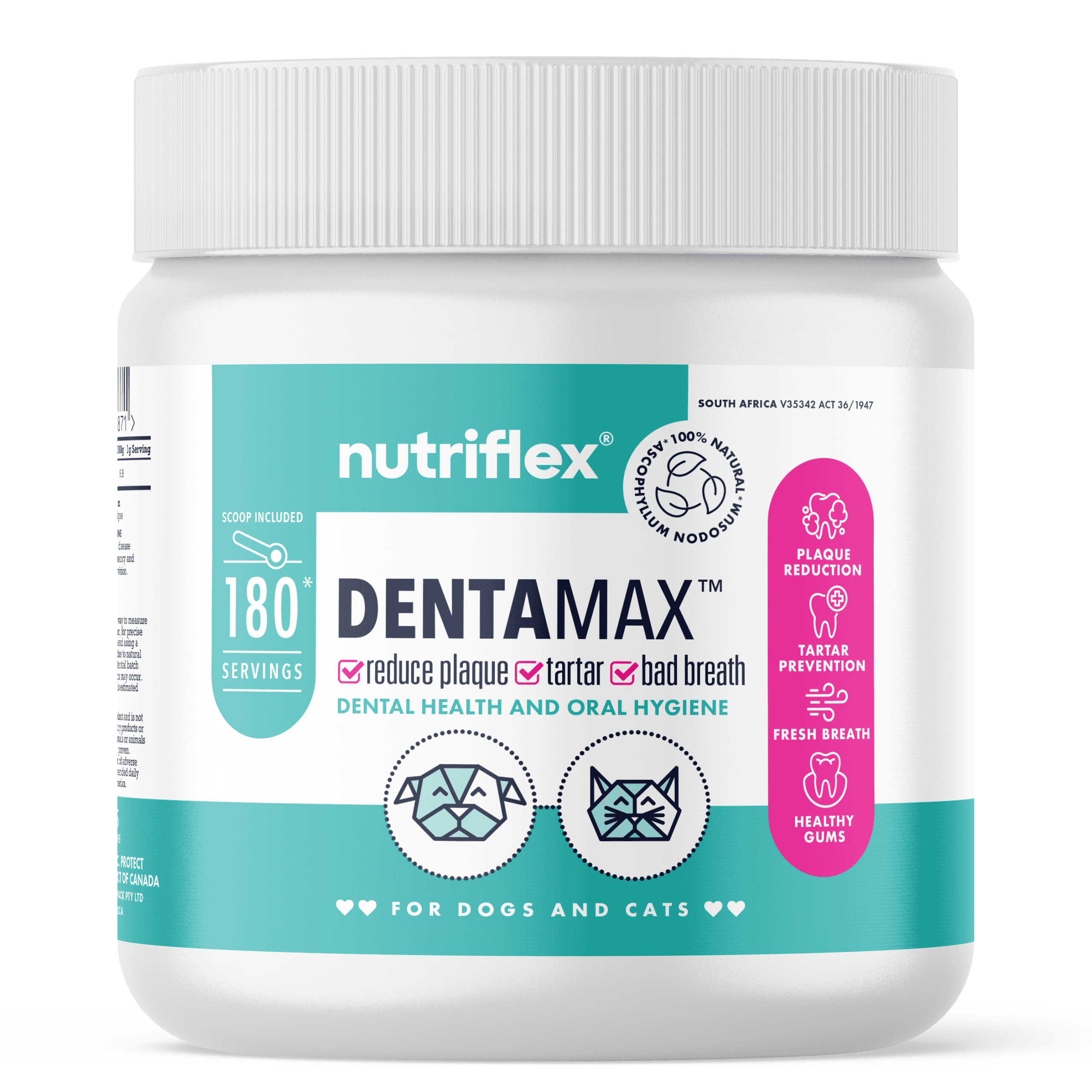
For example, certain systemic dental powders use Ascophyllum nodosum, a brown marine algae studied for its role in plaque and tartar management. When sourced from clean marine environments and prepared correctly, this ingredient provides naturally occurring bioactive compounds that influence the oral environment through saliva.
Instead of sterilising the mouth with harsh chemicals, this approach supports plaque control by working with the body’s natural oral processes.
Choosing well-formulated dental supplements built around clinically studied ingredients can help support long-term oral health while avoiding the potential downsides associated with strong antiseptic agents.
A More Natural Approach to Pet Dental Health
Dental care should support the mouth’s natural biology rather than attempting to sterilise it.
While chlorhexidine may still have a place in certain short-term veterinary treatments, many pet owners prefer dental care solutions that support the natural balance of the oral microbiome.
Preventive care, gentle ingredients, and consistent routines can help dogs and cats maintain healthy teeth and gums throughout their lives.
Final Thoughts
Chlorhexidine has been widely used in veterinary dentistry for decades, but it is not without limitations.
Its broad-spectrum antibacterial action, potential side effects, and unsuitability for long-term daily use have led many pet owners to explore safer and more natural dental care options.
By focusing on preventive care, supporting the oral microbiome, and choosing gentle dental products designed for daily use, pet owners can help protect their pets from dental disease without relying on harsh chemical antiseptics.
Healthy teeth and gums are a key part of overall pet wellbeing and maintaining that health begins with informed choices about dental care.ingredient-driven formulations, built around naturally occurring compounds rather than aggressive antiseptics.rt” data-start=”501″ data-end=”571″>Is Chlorhexidine the Best Option for Pet Dental Care?
Dental health is essential for the long-term well-being of both dogs and cats. Poor oral hygiene can lead to plaque build-up, gum disease, tooth loss, chronic pain, and even systemic health problems affecting the heart, kidneys, and liver.
Because of these risks, many veterinarians recommend dental care products designed to control harmful bacteria in the mouth. One of the most commonly used ingredients in veterinary dental products is chlorhexidine.
Chlorhexidine is a powerful antiseptic that can reduce bacteria in the mouth. However, while it may have benefits in certain clinical situations, it also comes with several drawbacks — particularly when used as part of a long-term dental care routine.
As more pet owners become aware of the importance of natural, microbiome-friendly care, many are questioning whether harsh antiseptic chemicals are the best way to maintain healthy teeth and gums.
Understanding the limitations and potential side effects of chlorhexidine can help pet owners make informed decisions about their pet’s dental health.
What Is Chlorhexidine?
Chlorhexidine is a broad-spectrum antiseptic chemical used widely in both human and veterinary medicine.
It was originally developed as a disinfectant and is commonly used to:
-
Sanitise surgical instruments
-
Clean wounds
-
Sterilise medical environments
-
Reduce bacteria before surgery
In veterinary dentistry, chlorhexidine is often included in:
-
Oral rinses
-
Dental sprays
-
Dental gels
-
Water additives for pets
The purpose of chlorhexidine in these products is to reduce the number of bacteria in the mouth that contribute to plaque and gum disease.
While this antibacterial effect can be useful in short-term medical situations, it does not necessarily make chlorhexidine suitable for daily preventive dental care.
Why Chlorhexidine Is Used in Veterinary Dentistry
Chlorhexidine gained popularity in veterinary dentistry because it is effective at temporarily reducing oral bacterial counts.
When used after dental procedures or during active gum infections, it may help lower bacterial levels while tissues heal.
For example, veterinarians may recommend chlorhexidine for:
-
Post-dental surgery care
-
Treating gingivitis or gum inflammation
-
Managing periodontal infections
However, chlorhexidine works by killing bacteria rather than addressing the root causes of plaque build-up.
Dental disease in pets is a complex process involving plaque formation, tartar accumulation, inflammation, and microbial imbalance. Simply eliminating bacteria does not solve the underlying problem.
The Problem With Killing All Oral Bacteria
A healthy mouth is not sterile. In fact, dogs and cats rely on a balanced community of microorganisms known as the oral microbiome.
This ecosystem includes both beneficial and harmful bacteria that naturally regulate one another.
Beneficial bacteria help:
-
Prevent overgrowth of harmful microbes
-
Support gum tissue health
-
Assist immune responses in the mouth
Chlorhexidine does not distinguish between good and bad bacteria. Instead, it indiscriminately eliminates a wide range of microbes.
Repeated use can disrupt the natural microbial balance in the mouth.
An imbalanced microbiome may actually make it easier for harmful bacteria to return and dominate the oral environment.
Chlorhexidine Side Effects in Dogs and Cats
While chlorhexidine is often considered safe when used correctly, it is not completely free from side effects.
Several common issues have been reported when chlorhexidine is used regularly in pet dental care.
Tooth Staining and Discolouration
One of the most common side effects of chlorhexidine is tooth staining.
Pets using chlorhexidine products may develop brown or dark stains on their teeth. This occurs when chlorhexidine reacts with proteins in saliva and compounds in food.
Although the staining is mostly cosmetic, it can make teeth appear unhealthy and may require professional cleaning to remove.
Altered Taste and Dental Care Resistance
Many dogs and cats dislike the bitter chemical taste of chlorhexidine.
If a pet associates dental care with an unpleasant flavour, they may begin resisting oral treatments altogether.
This can make it harder for pet owners to maintain consistent dental hygiene routines.
Oral Irritation
Some animals experience irritation of the mouth or gums when exposed to strong antiseptic solutions.
Possible symptoms may include:
-
Red or inflamed gums
-
Increased drooling
-
Pawing at the mouth
-
Reluctance to eat
Pets with sensitive oral tissues may be more susceptible to irritation from chlorhexidine-based products.
Gastrointestinal Upset From Ingestion
Unlike many pet dental products designed to be swallowed safely, chlorhexidine solutions were not originally formulated for ingestion.
Because dogs and cats naturally swallow substances placed in their mouths, this can sometimes lead to gastrointestinal upset, including:
-
Nausea
-
Vomiting
-
Stomach irritation
For this reason, many pet owners prefer dental care products made with ingredients specifically intended to be safe if swallowed.
Chlorhexidine Is Not Designed for Long-Term Daily Use
Chlorhexidine is typically intended for short-term therapeutic use, rather than lifelong daily dental care.
Using strong antiseptic chemicals continuously may expose pets to unnecessary chemical exposure while doing little to address the true causes of plaque and tartar formation.
Effective preventive dental care focuses on supporting natural oral balance while physically removing plaque before it hardens into tartar.
A Better Approach: Supporting the Oral Microbiome
Modern research increasingly recognises the importance of maintaining microbial balance in the mouth.
Rather than attempting to sterilise the oral environment, many dental care approaches now focus on supporting beneficial bacteria while controlling harmful microbes.
This approach helps maintain a healthier oral ecosystem and may offer more sustainable long-term dental health.
Natural Alternatives to Chlorhexidine
Many pet owners are now choosing dental care products that support oral health without relying on harsh antiseptic chemicals.
Natural and enzyme-based dental products are designed to:
-
Break down plaque biofilm
-
Support healthy oral bacteria
-
Neutralise odour-causing compounds
-
Promote healthy gums
Instead of aggressively killing bacteria, these solutions work with the mouth’s natural processes to maintain balance.
Preventing Dental Disease in Dogs and Cats
The most effective dental care strategy focuses on prevention.
Healthy dental habits may include:
-
Consistent daily oral care
-
Providing appropriate chewing opportunities
-
Feeding diets that support dental health
-
Scheduling routine veterinary dental check-ups
Consistency is far more important than relying on occasional chemical treatments.
Signs Your Dog or Cat May Have Dental Disease
Pet owners should watch for early warning signs of dental problems, including:
-
Persistent bad breath
-
Red or bleeding gums
-
Yellow or brown tartar build-up
-
Difficulty chewing
-
Dropping food while eating
-
Pawing at the mouth
If these symptoms appear, a veterinary dental examination is recommended.
Choosing Safe Dental Products for Pets
When selecting dental care products for dogs and cats, ingredients matter.
Products intended for daily use should ideally be:
-
Safe if swallowed
-
Gentle on gum tissue
-
Supportive of the oral microbiome
-
Free from harsh antiseptic chemicals
Daily dental care should support the natural balance of the mouth rather than disrupt it.
One approach gaining attention in veterinary dentistry focuses on ingredient-driven formulations, built around naturally occurring compounds rather than aggressive antiseptics.
For example, certain systemic dental powders use Ascophyllum nodosum, a brown marine algae studied for its role in plaque and tartar management. When sourced from clean marine environments and prepared correctly, this ingredient provides naturally occurring bioactive compounds that influence the oral environment through saliva.
Instead of sterilising the mouth with harsh chemicals, this approach supports plaque control by working with the body’s natural oral processes.
Choosing well-formulated dental supplements built around clinically studied ingredients can help support long-term oral health while avoiding the potential downsides associated with strong antiseptic agents.
A More Natural Approach to Pet Dental Health
Dental care should support the mouth’s natural biology rather than attempting to sterilise it.
While chlorhexidine may still have a place in certain short-term veterinary treatments, many pet owners prefer dental care solutions that support the natural balance of the oral microbiome.
Preventive care, gentle ingredients, and consistent routines can help dogs and cats maintain healthy teeth and gums throughout their lives.
Final Thoughts
Chlorhexidine has been widely used in veterinary dentistry for decades, but it is not without limitations.
Its broad-spectrum antibacterial action, potential side effects, and unsuitability for long-term daily use have led many pet owners to explore safer and more natural dental care options.
By focusing on preventive care, supporting the oral microbiome, and choosing gentle dental products designed for daily use, pet owners can help protect their pets from dental disease without relying on harsh chemical antiseptics.
Healthy teeth and gums are a key part of overall pet wellbeing and maintaining that health begins with informed choices about dental care.