Bad breath in dogs is often dismissed as normal. Many pet owners assume that a strong smell from a dog’s mouth is simply part of living with dogs.
In reality, persistent dog bad breath is usually a warning sign. In most cases it indicates the presence of dental plaque, tartar accumulation, or developing periodontal disease.
Understanding what causes bad breath is the first step toward protecting a dog’s long-term oral health.
What Causes Bad Breath in Dogs
The most common cause of bad breath in dogs is bacterial activity in the mouth.
After eating, microscopic bacteria begin forming a sticky film on the teeth called plaque biofilm. This biofilm traps food particles and saliva proteins, allowing bacteria to multiply rapidly.
As these bacteria metabolise nutrients, they release volatile sulphur compounds, which are responsible for the characteristic unpleasant smell associated with dog breath.
If plaque is not removed, it gradually mineralises and hardens into tartar (dental calculus) along the gum line.
Once tartar forms, the rough surface allows more bacteria to accumulate, which can intensify odour and contribute to gum inflammation.
The Link Between Bad Breath and Dental Disease
Dog bad breath is strongly associated with periodontal disease, the most common health condition affecting dogs worldwide.
Veterinary studies suggest that a large proportion of dogs show signs of periodontal disease by the age of three.
The progression usually follows a predictable pattern:
-
Plaque accumulates on the tooth surface
-
Plaque hardens into tartar
-
Gum tissue becomes inflamed (gingivitis)
-
Infection spreads beneath the gum line
-
Teeth and supporting structures become damaged
As bacteria proliferate within this environment, bad breath often becomes noticeably stronger.
In many cases, the smell is the first visible symptom of an underlying dental problem.
Other Possible Causes of Bad Breath
Although dental disease is the most common cause, bad breath can sometimes signal other medical issues.
Possible causes include:
-
Food debris trapped between teeth
-
Oral infections or abscesses
-
Foreign objects lodged in the mouth
-
Gastrointestinal disorders
-
Kidney disease
-
Diabetes
-
Liver disease
Certain conditions can produce distinctive odours. For example, kidney disease may produce an ammonia-like smell, while uncontrolled diabetes can sometimes cause breath with a sweet or fruity scent.
Persistent or unusual odours should always be evaluated by a veterinarian.
Why Small Dogs Often Have Worse Breath
Small breeds are particularly prone to dental disease.
Many small dogs have crowded teeth, which makes it easier for plaque to accumulate in hard-to-clean areas. Their teeth are also proportionally large relative to their jaw size, which increases the risk of tartar formation.
Breeds commonly affected include:
-
Yorkshire Terriers
-
Miniature Schnauzers
-
Dachshunds
-
Chihuahuas
-
Pomeranians
Without consistent dental care, these breeds often develop bad breath earlier in life.
Signs That Bad Breath Is a Dental Warning
Bad breath rarely appears alone. It is often accompanied by other symptoms of oral disease.
Common warning signs include:
-
Yellow or brown tartar buildup on teeth
-
Red or swollen gums
-
Bleeding gums when chewing
-
Difficulty eating hard food
-
Drooling more than usual
-
Pawing at the mouth
If these signs are present, dental disease may already be progressing beneath the gum line.
Why Ignoring Dog Bad Breath Can Be Risky
Dental disease does not remain confined to the mouth.
When periodontal infections progress, bacteria can enter the bloodstream and circulate through the body. Research has linked advanced periodontal disease with potential impacts on organs such as the heart, liver and kidneys.
In addition, dental infections can cause chronic discomfort that may go unnoticed.
Dogs often continue eating despite significant oral pain, which means dental problems can remain hidden until they become severe.
The Role of Daily Dental Care
Plaque begins forming within hours after eating. Because it accumulates continuously, dental care must also be consistent and ongoing.
Regular plaque management is the most effective way to prevent bad breath and dental disease.
Common approaches include:
-
Tooth brushing
-
Dental chews
-
Veterinary dental cleanings
-
Nutritional dental supplements
Each method works in a different way to reduce bacterial buildup.
Tooth Brushing for Dogs
Veterinarians often recommend tooth brushing because it physically disrupts plaque biofilm before it hardens into tartar.
However, daily brushing can be challenging for many pet owners. Some dogs resist brushing, and maintaining a consistent routine is not always practical in busy households.
For this reason, brushing is often combined with other forms of daily dental support.
Dental Chews and Mechanical Cleaning
Dental chews attempt to reduce plaque through mechanical abrasion while a dog chews.
Some chews can provide modest benefits, but they have limitations.
Dogs typically chew only a few teeth, leaving large areas of the mouth untouched. In addition, many dental chews contain starches or binding agents that may contribute to plaque formation over time.
As a result, chews alone rarely resolve persistent bad breath.
Dental Powders for Daily Plaque Control
Another approach gaining attention is the use of dental powders added to food.
These supplements are designed to support oral health through ingredients that influence the oral environment.
One ingredient that has been studied extensively is Ascophyllum nodosum, a type of brown marine algae harvested from cold North Atlantic waters.
Certain preparations of this algae have been shown in veterinary studies to help reduce plaque accumulation and tartar formation when consumed daily.
Because the powder is simply added to food, it offers a convenient option for pet owners whose dogs will not tolerate brushing.
Professional Veterinary Dental Cleaning
In cases where tartar has already accumulated significantly, a professional dental cleaning may be necessary.
Veterinary dental procedures typically involve:
-
Anaesthesia
-
Ultrasonic scaling to remove tartar
-
Polishing of tooth surfaces
-
Examination beneath the gum line
This procedure removes hardened calculus that cannot be eliminated through home care alone.
However, ongoing daily dental care remains essential afterward to prevent plaque from rebuilding.
Preventing Dog Bad Breath Long Term
The most effective strategy for preventing bad breath is consistent plaque management.
This usually involves a combination of approaches such as:
-
Regular tooth brushing where possible
-
Dental supplements added to food
-
Appropriate chew items
-
Routine veterinary dental examinations
By controlling plaque before it mineralises into tartar, pet owners can significantly reduce the risk of dental disease.
A Practical Solution for Everyday Oral Care
Because plaque forms daily, simple routines tend to be the most sustainable long-term strategy.
Many pet owners incorporate daily dental powders into their dog’s food as part of their regular feeding routine.
Formulations built around carefully selected ingredients can help support oral hygiene without requiring stressful brushing sessions.
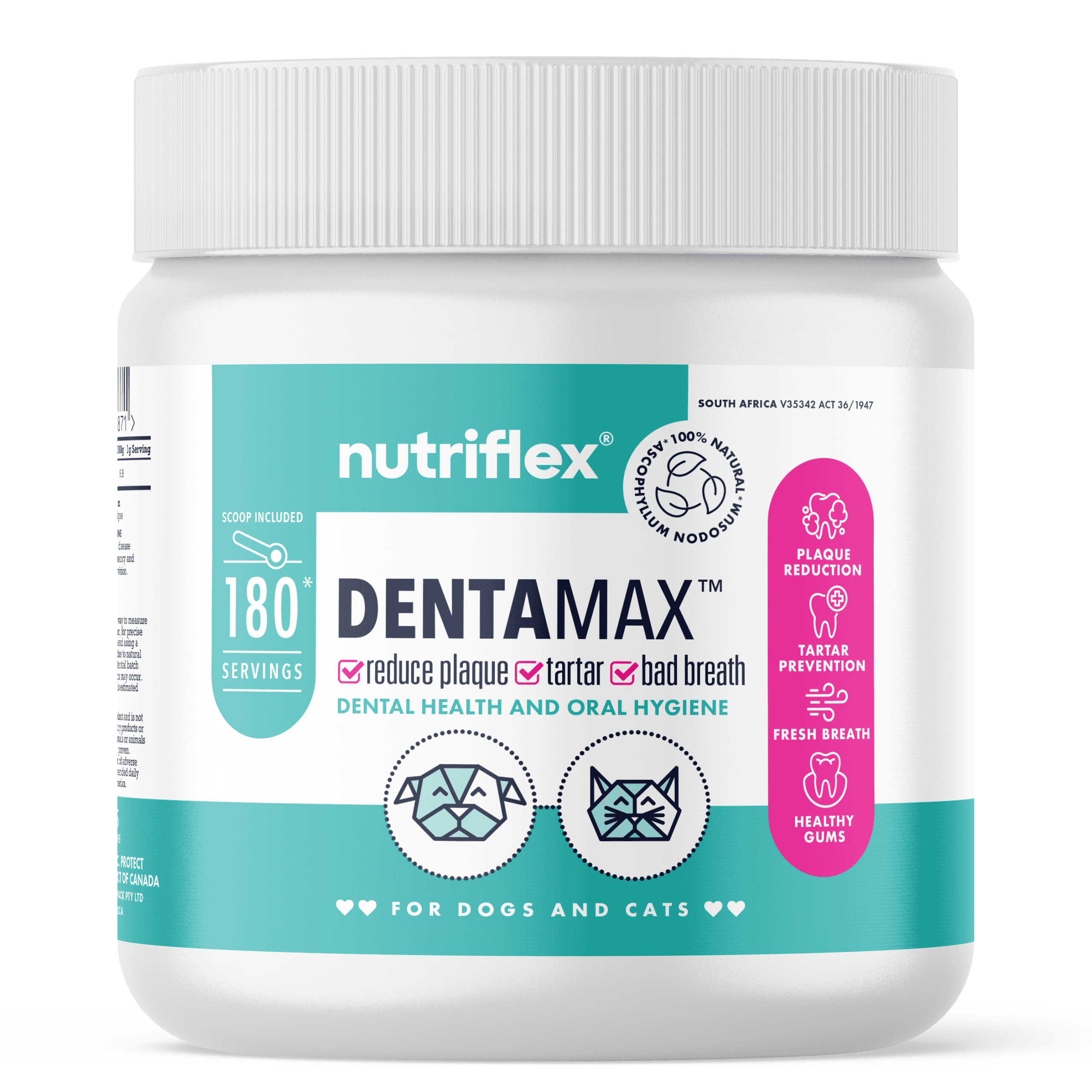
For pet owners looking for a convenient daily dental supplement, DentaMax™ dental powder provides a straightforward approach to supporting plaque and tartar control as part of a broader oral care routine.
Key Takeaways
Bad breath in dogs is rarely just a cosmetic issue.
In most cases it signals bacterial plaque accumulation and the early stages of periodontal disease.
By understanding the causes and implementing consistent dental care, pet owners can significantly reduce bad breath while supporting their dog’s long-term oral health.
Early intervention and daily plaque management remain the most effective ways to protect a dog’s teeth and gums throughout life.