The Best Plaque Remover for Cats: A Quick Guide
Plaque remover for cats comes in several forms, each with different levels of effectiveness and ease of use. Here is a quick overview of the most common options:
| Product Type | How It Works | Ease of Use | Evidence Level |
|---|---|---|---|
| Seaweed powder (Ascophyllum nodosum) | Systemic, via saliva | Very easy, sprinkle on food | Clinically studied, VOHC approved |
| Enzymatic toothpaste | Topical, enzymes break down plaque | Moderate, requires brushing | VOHC approved options available |
| Water additive | Topical, antibacterial in drinking water | Very easy, add to water bowl | Variable, some VOHC approved |
| Dental gel or rinse | Topical, applied to gums | Moderate, requires handling | VOHC approved options available |
| Dental treats or chews | Mechanical and enzymatic | Easy, treat-based | Moderate, supplementary only |
| Professional veterinary cleaning | Mechanical, removes tartar fully | Requires anaesthesia | Gold standard |
Most cat owners focus on food, exercise and vet visits. Dental health tends to fall to the bottom of the list. Yet by the time a cat shows visible signs of dental discomfort, plaque has often already progressed to tartar and early gum disease.
The problem is that cats are skilled at hiding pain. A cat eating normally can still have significant periodontal disease developing silently beneath the gum line. Plaque forms within hours of a meal and begins hardening into tartar within 24 hours as salivary minerals bind to it. Once that happens, no amount of brushing or treats will remove it without professional intervention.
The good news is that consistent daily prevention works. The challenge is finding something your cat will actually tolerate.
This guide compares the most practical and evidence-aligned options available, with a focus on what is realistic for South African pet owners managing feline dental health at home.
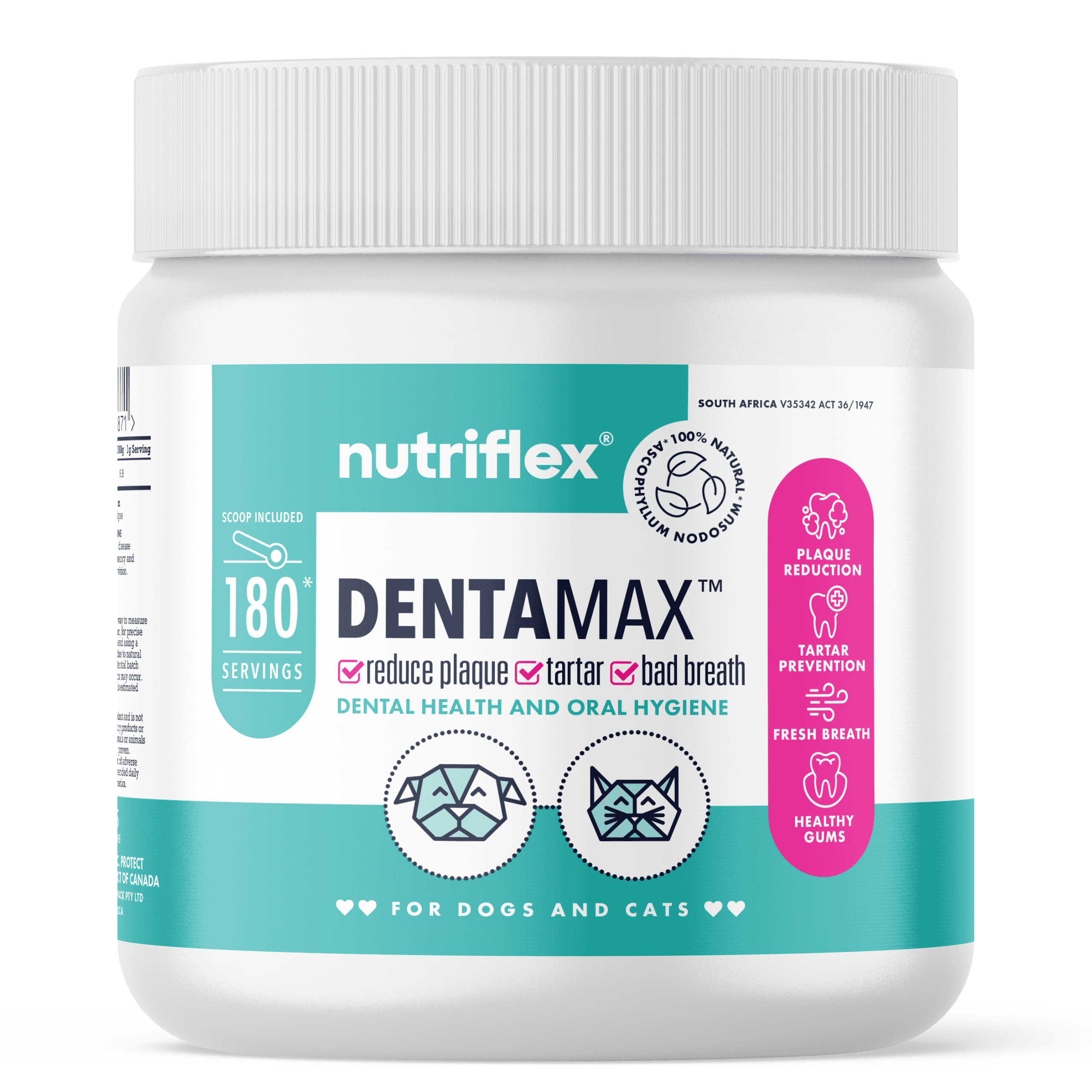
I’m Sharon Milani, co-founder of NutriFlex® and the developer of DentaMax™, a 100 percent pure organic Ascophyllum nodosum dental powder formulated specifically as a systemic plaque remover for cats and dogs. My work over the past decade has focused on preventative oral health strategies grounded in published research and South African regulatory compliance.
Understanding Dental Biofilms and the Need for a Plaque Remover for Cats
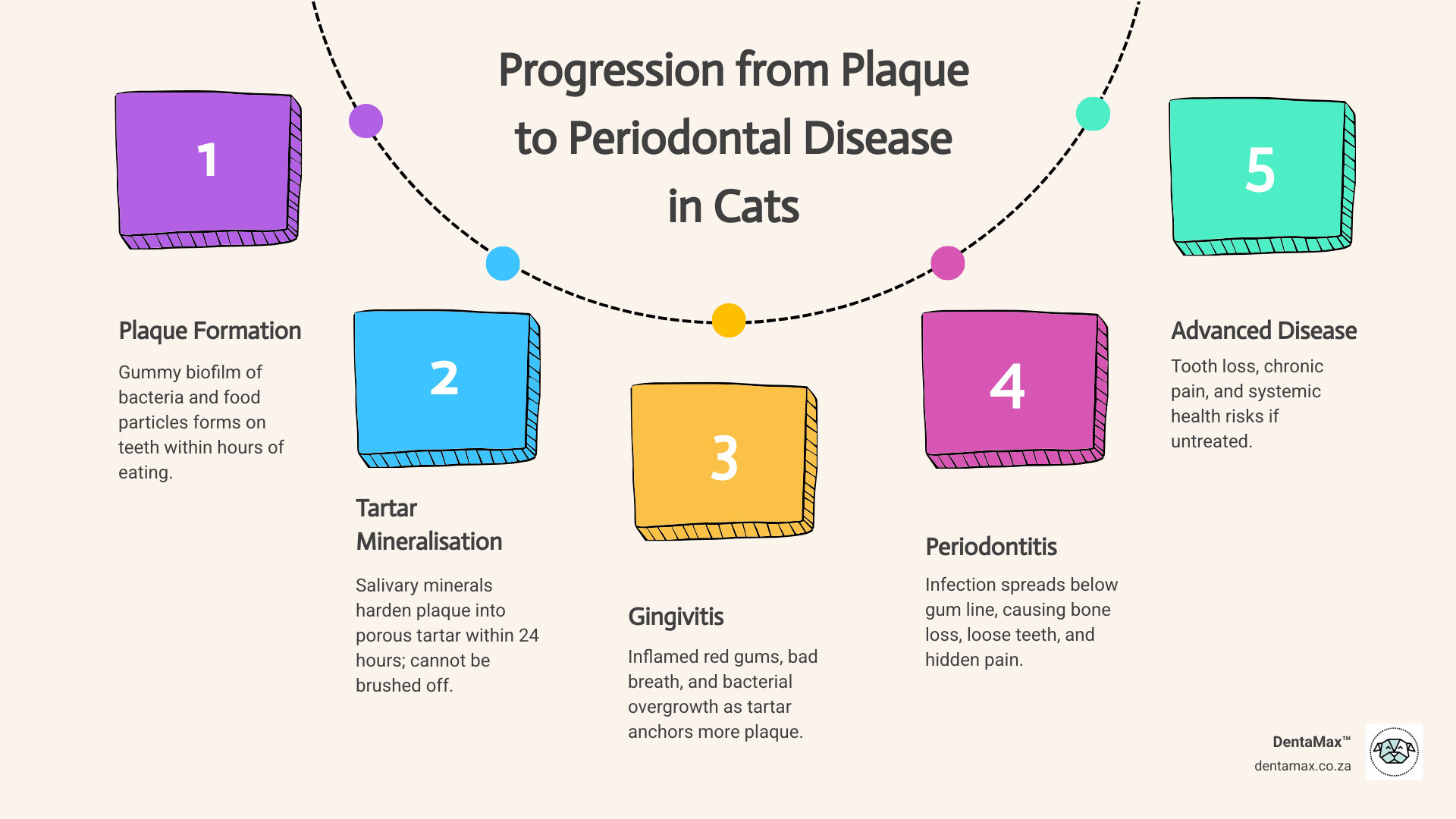
To understand why a plaque remover for cats is necessary, we must first look at the biology of the feline mouth. Dental plaque is a gummy, colourless biofilm consisting of bacteria and food particles that adheres to the tooth surface within hours of eating. If this biofilm is not disrupted, it reacts with calcium and other minerals found naturally in feline saliva.
This chemical reaction leads to tartar mineralisation. Within a mere 24 hours, soft plaque begins to harden into calculus (tartar). Unlike plaque, which can be wiped away, tartar is a porous, rock-like substance that provides a perfect anchor for more bacteria to thrive. This cycle quickly leads to gingivitis, characterised by red, inflamed gums and bad breath.
If left unaddressed, the condition progresses to periodontal disease. This is where the structures supporting the teeth are destroyed, leading to pain, tooth loss and bone recession. Perhaps most concerning is the systemic risk. Research from the Veterinary Oral Health Council (VOHC) indicates that bacteria from the mouth can enter the bloodstream, potentially causing infections in the heart, liver and kidneys. Because cats are masters of disguising illness, many owners in South Africa only realise there is a problem when their pet stops eating or develops a visible facial swelling.
Systemic Solutions: How Seaweed Acts as a Natural Plaque Remover for Pets
For many years, the only way to manage plaque was through mechanical brushing. However, as any cat owner in Cape Town or Johannesburg knows, most felines are not particularly cooperative when a toothbrush appears. This is where systemic solutions, specifically North Atlantic Ascophyllum nodosum, have revolutionised home dental care.
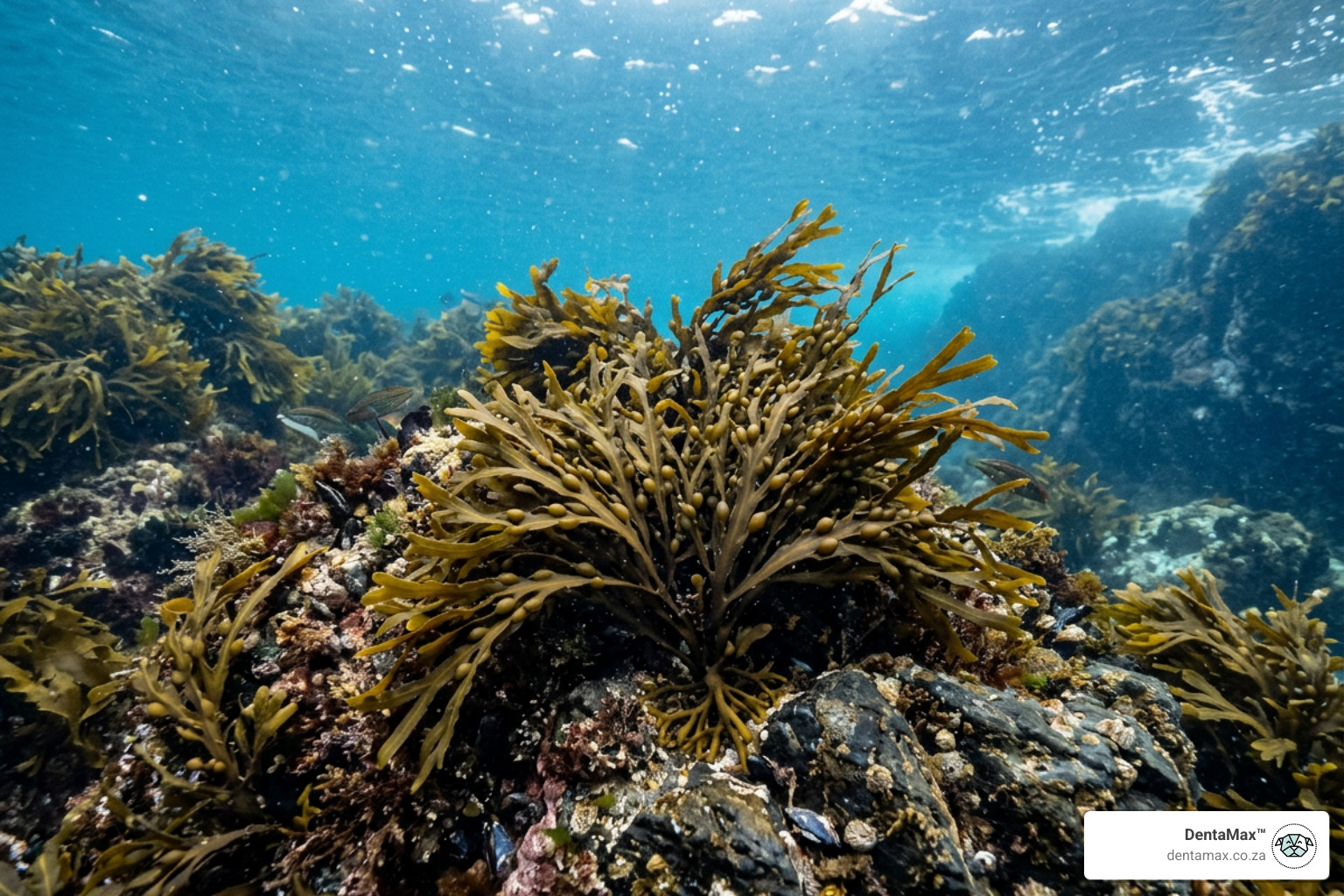
Ascophyllum nodosum is a specific species of kelp harvested from cold, pristine waters. Unlike topical treatments that work only where they touch the tooth, this seaweed works systemically. When ingested, the active compounds are absorbed into the bloodstream and later excreted through the salivary glands. This changes the composition of the saliva, allowing it to naturally disrupt the bacterial biofilm.
By attacking the problem from the inside out, this natural plaque remover for cats softens existing tartar and prevents new plaque from sticking to the enamel. You can find more info about seaweed for pets and its role in oral hygiene on our dedicated resource pages.
The Science of Ascophyllum Nodosum as a Plaque Remover for Pets
The efficacy of Ascophyllum nodosum is not just anecdotal; it is backed by clinical studies. Research conducted by veterinary dental specialists like Jerzy Gawor, DVM, PhD, has shown significant reductions in plaque and tartar levels in cats using this seaweed. The primary mechanism involves the disruption of the biofilm matrix, making it easier for the mechanical action of chewing to shed the softened tartar.
However, transparency regarding ingredients is vital. Because seaweed is naturally rich in iodine, it is essential to monitor the dosage. A standard 40g bottle of high-quality dental powder typically lasts a cat up to four months, with a daily dose of approximately 330mg. While this is highly effective for most, owners of cats with hyperthyroidism must exercise caution. For those interested in the deeper mechanics, we provide more info about systemic science to help you understand the internal absorption pathways.
Evaluating Different Dental Care Approaches for Pets: Why Systemic Solutions Excel
When choosing a plaque remover for cats, South African pet owners generally weigh three main categories: systemic, topical and mechanical.
Systemic Solutions (e.g., Dental Powders)
Systemic solutions excel because they do not rely on the pet’s cooperation. By simply adding a measured amount of powder to wet or dry food once daily, the active ingredients work through the saliva 24/7. This ensures consistent biofilm disruption across all tooth surfaces, including the hard-to-reach back molars where tartar often builds up most aggressively.
Topical Applications (e.g., Water Additives and Gels)
Topical solutions like water additives or oral gels are popular because they are relatively easy to use. Water additives work by introducing antibacterial agents into the drinking bowl. However, their efficacy can be variable. If a cat is a picky drinker or if the water is changed frequently, the concentration may not be sufficient to provide a therapeutic effect. Similarly, gels require the owner to apply the product directly to the gums, which can still be a struggle with fractious felines.
Mechanical Methods (e.g., Brushing and Treats)
Brushing remains the “gold standard” for physical plaque removal, but the compliance rate among cat owners is notoriously low. Dental treats and chews provide some mechanical “scrubbing” action, but they often contain calories and may not reach the gum line where periodontal disease actually starts. Furthermore, many cats simply swallow treats whole, bypassing the dental benefit entirely.
While home care is essential, it does not replace the need for professional veterinary care. Even with the best plaque remover for cats, a professional scale and polish under anaesthesia may be required every 6 to 12 months to address sub-gingival (below the gum line) bacteria. You can explore more info about product comparisons to see how these methods stack up in real-world scenarios.
Key Considerations When Choosing a Plaque Remover for Your Pet
When selecting a product, consider these factors:
- Ease of Administration: Will you realistically do this every single day?
- Pet Compliance: Does your cat enjoy the taste? (Many powders use brewer’s yeast to improve palatability).
- Biofilm Disruption: Does the product actually change the mouth environment or just mask bad breath?
- Safety: Is the product free from artificial additives, gluten and sugars?
For a deeper dive into maintaining your pet’s mouth, see our more info about dog and cat dental care section.
Implementing a Daily Dental Routine in South Africa
Establishing a routine in South Africa requires a balance of professional advice and practical home application. In cities like Durban or Johannesburg, a professional veterinary dental cleaning can cost anywhere from R2,500 to R6,000 depending on whether extractions are needed. By using a daily plaque remover for cats, owners can often extend the time between these expensive procedures.
A successful routine might look like this:
- Daily: Add one scoop (approx. 330mg) of Ascophyllum nodosum powder to the morning meal.
- Weekly: If your cat allows it, use a soft finger brush or a Q-tip dipped in tuna water to gently wipe the outer surfaces of the teeth.
- Bi-Annually: Schedule a dental checkup with your local vet in Muizenberg, Cape Town or your respective suburb to monitor for signs of resorptive lesions or gingivitis.
Consistency is the most critical factor. Visible results from systemic powders are typically seen within 3 to 8 weeks as the tartar softens and begins to rub off during normal eating or play. For more practical tips, visit our section on more info about dental care routines.
Frequently Asked Questions about Pet Oral Health
How long does it take to see results from a plaque remover?
Visible results, such as whiter teeth and fresher breath, are usually observed within 3 to 8 weeks of consistent daily use. The timeframe depends on the existing level of tartar. The systemic action must first build up in the saliva to begin the process of biofilm disruption.
Can I use human toothpaste on my pet?
Absolutely not. Human toothpaste often contains xylitol, which is highly toxic to pets, and fluoride, which can be harmful if swallowed. Always use a veterinary-approved enzymatic toothpaste or a systemic powder designed specifically for animals.
Is seaweed safe for pets with thyroid issues?
Because natural kelp is rich in iodine, we do not recommend using seaweed-based products for cats with hyperthyroidism unless specifically directed by your veterinarian. For healthy cats, the natural iodine content (typically around 0.08 percent) is a beneficial trace mineral, but it must be managed carefully in pets with existing thyroid conditions.
Conclusion
At DentaMax™, our mission is to provide South African pet owners with evidence-based education to ensure their companions live long, pain-free lives. Dental health is not just about a pretty smile; it is a cornerstone of systemic wellness. By incorporating a high-quality plaque remover for cats into your daily routine, you are taking a proactive step against the silent progression of periodontal disease.
Whether you are in the Western Cape or Gauteng, the key to success is starting early and remaining consistent. For those looking for the most effective, brush-free way to manage oral hygiene, we invite you to explore the benefits of Dog & Cat Dental Powder South Africa and join the thousands of pet owners who have made the switch to systemic dental care.