Your Dog’s Bleeding Gums Are Telling You Something Important
Gum bleeding in dogs is one of the earliest and most visible signs that something is wrong in your dog’s mouth.
Here is a quick summary of what it means and what to do:
| Question | Quick Answer |
|---|---|
| Is bleeding normal? | No. Healthy gums do not bleed. |
| Most common cause | Periodontal disease from plaque and tartar build-up |
| Other copies | Teething (puppies), tooth trauma, foreign bodies, systemic disease |
| Warning signs | Bad breath, swollen gums, reluctance to eat, loose teeth |
| When to act immediately | Pale gums, persistent bleeding, lethargy or weakness |
| First step | Book a veterinary dental examination |
Up to 90% of dogs over the age of three show signs of gum disease. Yet most owners only notice a problem once bleeding starts, by which point the disease is often already well established.
The mouth is one of the most reliable windows into your dog’s overall health. Bleeding gums are not just a dental issue. They can point to infection, systemic illness or even conditions affecting the heart, kidneys and liver.
This guide walks you through the causes, warning signs, prevention strategies and treatment options for gum bleeding in dogs, so you can act early and confidently.
I’m Sharon Milani, co-founder of NutriFlex® and developer of DentaMax™, a 100% pure organic Ascophyllum nodosum dental powder formulated specifically to support systemic plaque reduction in dogs and cats. My work in evidence-based pet nutrition has given me an in-depth understanding of gum bleeding in dogs, from the mechanisms that drive it to the preventative strategies that genuinely work. In the sections that follow, I’ll break down exactly what your dog’s gums are trying to tell you.
Common Causes of Gum Bleeding in Dogs
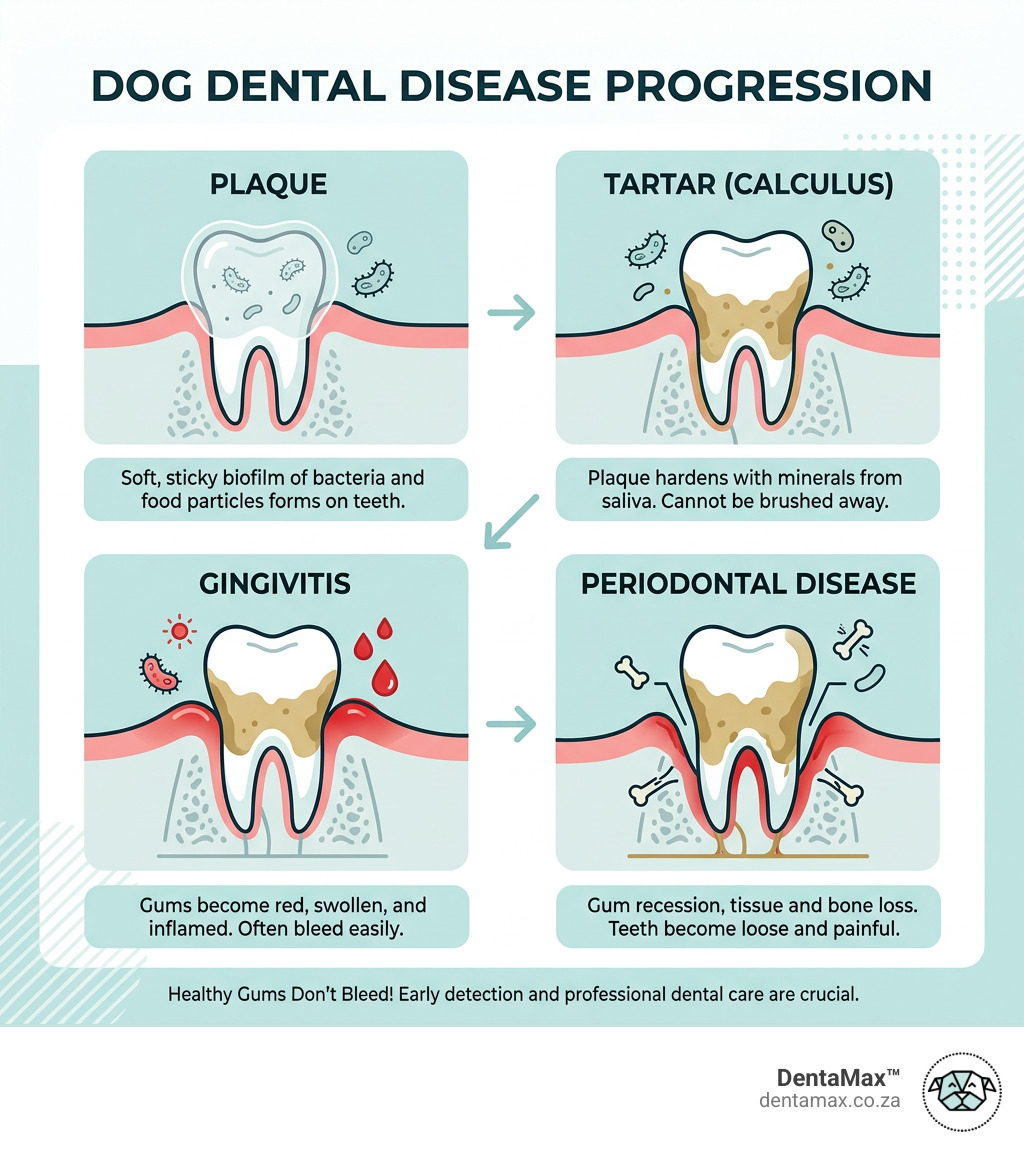
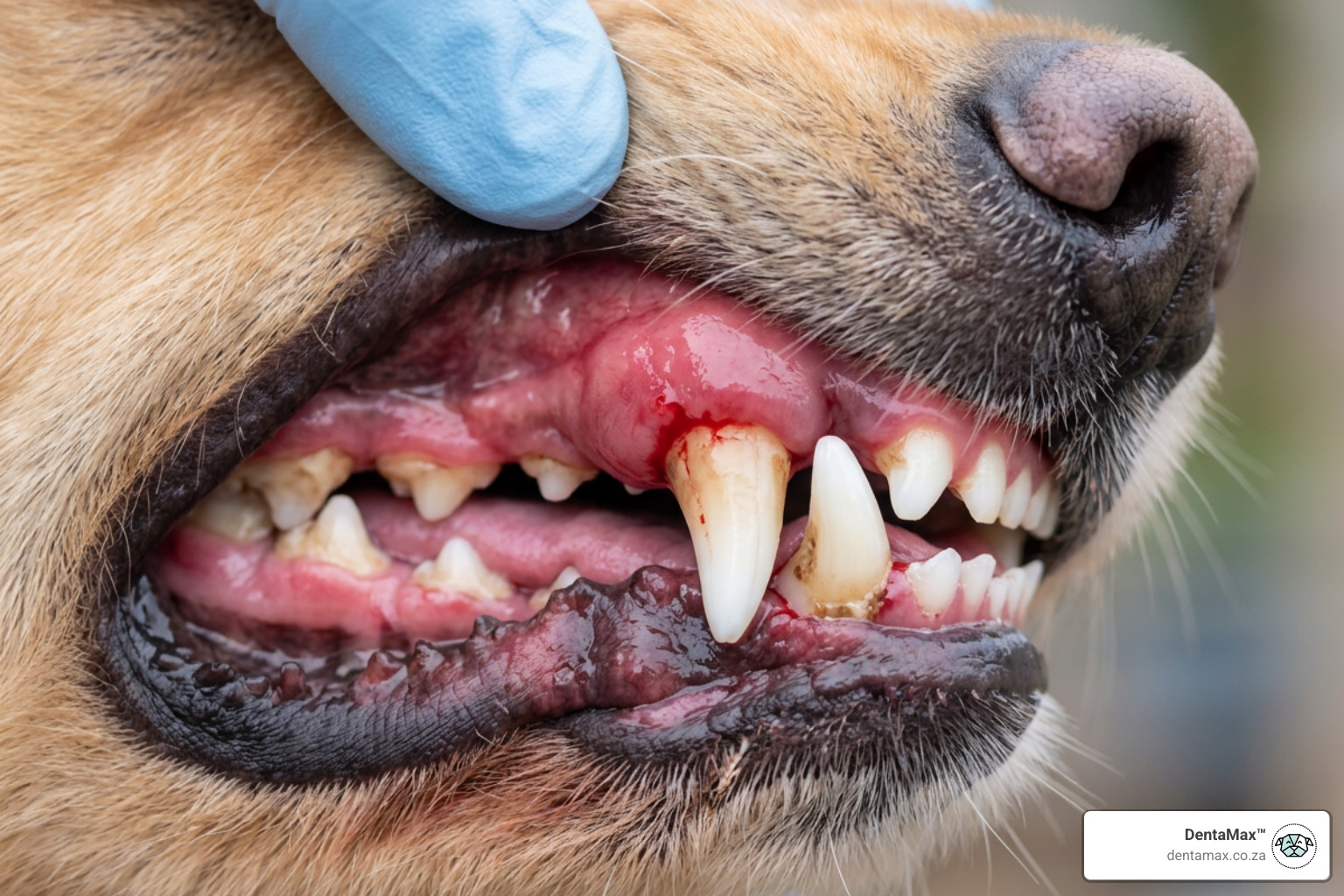
When we notice a pink tinge on a tennis ball or a streak of red on a chew toy, it is easy to feel a sense of alarm. In the vast majority of adult dogs, gum bleeding in dogs is the result of inflammation caused by a buildup of bacteria. This process begins with a sticky, invisible film known as plaque.
Plaque is a complex biofilm that forms on the teeth within hours of eating. If it is not disrupted through mechanical cleaning or systemic intervention, it reacts with minerals in your dog’s saliva to form tartar (calculus). Tartar is rock hard and provides a porous surface where even more bacteria can thrive. As this tartar builds up along and under the gumline, it irritates the delicate gingival tissue, leading to gingivitis.
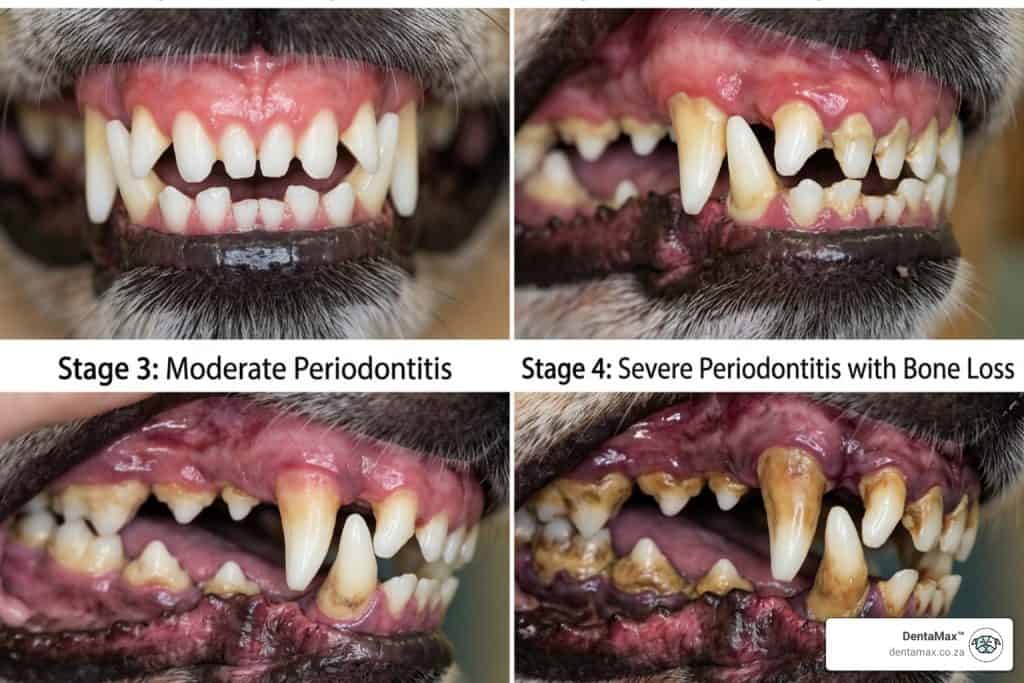
Gingivitis is the earliest stage of periodontal disease. At this point, the gums become red, swollen and sensitive. Because the tissue is so inflamed, even minor friction from kibble or a favourite toy can cause the vessels to rupture. If left untreated, this progresses to full scale periodontal disease, where the bacteria begin to destroy the bone and ligaments supporting the teeth.
Beyond hygiene, other factors can lead to oral bleeding:
- Tooth Trauma: Dogs use their mouths to explore the world. Chewing on stones, hard plastic or even aggressive tug-of-war sessions can cause lacerations or fractured teeth.
- Foreign Bodies: Sticks, bone shards or grass seeds can become lodged in the soft tissues of the palate or between teeth, causing localised infection and bleeding.
- Oral Tumours: In older dogs, growths such as melanomas or squamous cell carcinomas can bleed as they grow and ulcerate.
To understand the foundation of these issues, it is helpful to learn What is Plaque in Dogs? and how it sets the stage for chronic inflammation.
Is gum bleeding in dogs normal during teething?
If you have a puppy between 12 and 16 weeks of age, you might notice small spots of blood on their toys. In this specific life stage, mild gum bleeding in dogs can be considered a normal part of development.
Puppies have 28 deciduous (baby) teeth that must eventually make way for 42 permanent adult teeth. This exfoliation process involves the adult tooth pushing against the root of the baby tooth, causing it to be absorbed and eventually fall out. This can cause temporary gum irritation, increased drooling and minor bleeding. However, if the bleeding is heavy, or if your puppy seems lethargic and refuses to eat, a veterinary check-up is necessary to ensure there are no “retained” baby teeth causing a malocclusion.
Systemic health and gum bleeding in dogs
The mouth is not an isolated island; it is a gateway to the rest of the body. When a dog has inflamed, bleeding gums, the protective barrier between the mouth and the bloodstream is compromised. This allows oral bacteria to enter the circulatory system, a condition known as bacteraemia.
Once these bacteria are in the blood, they can travel to major organs. Research suggests a strong link between chronic periodontal disease and:
- Heart Disease: Bacteria can settle on heart valves, causing endocarditis and inflammation.
- Kidney and Liver Damage: The body’s filtration systems are forced to work overtime to process the constant influx of oral bacteria and inflammatory byproducts.
- Immune Disorders: Constant oral inflammation keeps the immune system in a state of high alert, which can exacerbate other health issues.
In some cases, bleeding gums are a symptom of a non-dental systemic problem. For example, certain immune-mediated disorders or the ingestion of toxins (like certain rat baits found in South African households) can interfere with blood clotting, leading to spontaneous gum bleeds. Exploring Systemic Dental Science reveals how maintaining oral health is a critical component of whole-body longevity.
Identifying Healthy Gums and Warning Signs
Knowing what “normal” looks like is the first step in being a proactive pet owner. We recommend checking your dog’s mouth at least once a week when they are relaxed.
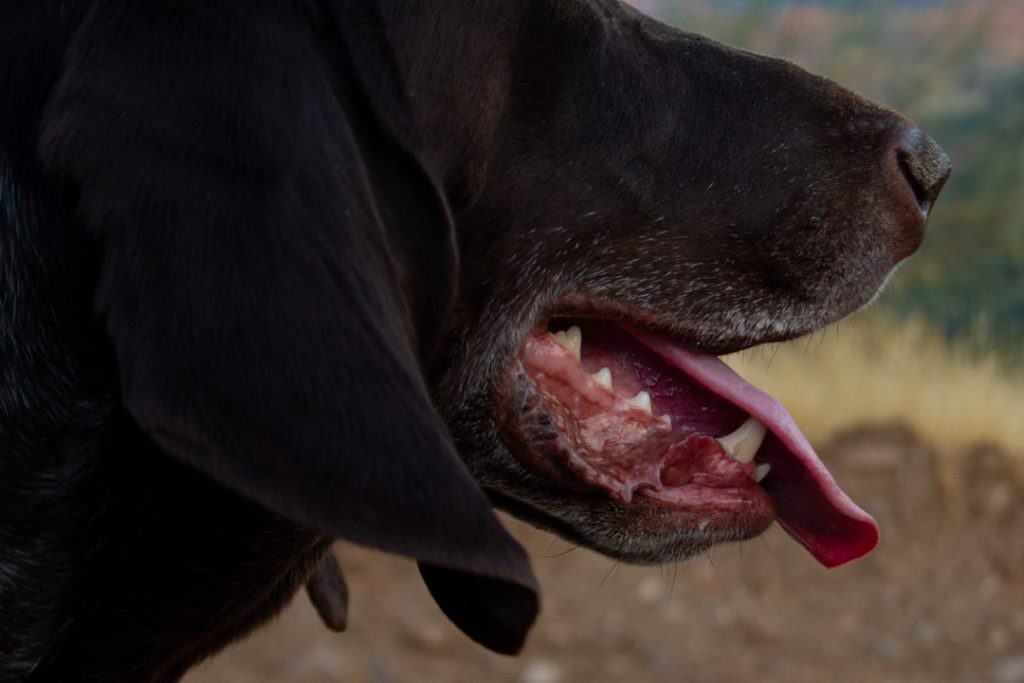
Healthy dog gums should be:
- Colour: A consistent bubblegum pink. Some breeds, like Chow Chows or Shar Peis, naturally have black spots or dark pigment, which is perfectly normal.
- Texture: Moist and slippery to the touch.
- Attachment: Firmly fitted against the teeth with no visible receding lines or “pockets.”
One quick test you can perform is the capillary refill test. Gently press your finger against a pink area of the gum until it turns white. When you lift your finger, the colour should return to pink within two seconds. If it takes longer, it could indicate poor circulation or dehydration.
Abnormal gum colours and their meanings
The colour of your dog’s gums can provide an immediate “status report” on their internal health.
| Gum Colour | Potential Meaning | Action Required |
|---|---|---|
| Pale Pink / White | Anaemia, blood loss or shock | Emergency Vet Visit |
| Bright Red | Gingivitis, infection or heatstroke | Consult Vet Promptly |
| Yellow (Jaundice) | Liver failure or red blood cell destruction | Urgent Vet Visit |
| Blue / Purple | Cyanosis (lack of oxygen) | Emergency Vet Visit |
| Tiny Red Spots | Petechiae (potential clotting disorder) | Urgent Vet Visit |
Symptoms of advanced periodontal disease
Bleeding is often accompanied by other “swampy” symptoms. If you notice any of the following, your dog is likely in significant discomfort:
- Halitosis: While “dog breath” is a common joke, a truly foul, rotting smell is never normal and indicates a bacterial infection.
- Excessive Drooling: Inflammation can cause a dog to produce more saliva than they can swallow comfortably.
- Pawing at the Mouth: This is a clear sign of dental pain.
- Reluctance to Eat: You might notice your dog dropping dry kibble or chewing only on one side of their mouth.
- Loose Teeth: By the time a tooth is wobbly, the underlying bone structure has been severely compromised.
For more on identifying these stages, see our guide on Dog & Cat Dental Care.
Preventing Gum Bleeding in Dogs with Systemic Science
For many South African pet owners, the “gold standard” of daily brushing is difficult to achieve. This is where systemic science offers a powerful alternative. The core of our approach at DentaMax™ involves the use of Ascophyllum nodosum, a specific species of North Atlantic kelp.
Unlike many dental treats that rely on mechanical scraping, Ascophyllum nodosum works systemically. When ingested, the active compounds are absorbed into the bloodstream and then excreted back into the mouth through the saliva. This process alters the chemical composition of the saliva, helping to:
- Disrupt Biofilms: It breaks down the sticky “glue” that allows plaque to cling to the teeth.
- Soften Tartar: Over time, existing tartar deposits become softer and more brittle, making them easier to remove during chewing or light brushing.
- Reduce Inflammation: By lowering the bacterial load, the gums are given a chance to heal, reducing the frequency of gum bleeding in dogs.
This method is particularly effective because it reaches every corner of the mouth, including the hard-to-reach back molars and the subgingival space (under the gumline) where traditional brushes often fail. To learn more about this process, read How Does Dentamax Work?.
The role of diet and mechanical cleaning
While systemic supplements are a “game changer,” they work best as part of a holistic plan.
- Nutrition: Bacteria thrive on carbohydrates. Feeding a diet that is lower in unnecessary starches and sugars can naturally slow the rate of plaque formation.
- Mechanical Action: Safe chew toys and specific dental diets can help “scrub” the surfaces of the teeth. In South Africa, providing raw meaty bones (under strict supervision and matched to the dog’s size) is a popular way to encourage natural gnawing, though you must ensure the bones are not so hard that they cause tooth fractures.
For a comprehensive approach, many owners choose a Dog-Cat Dental Powder South Africa that can be easily sprinkled onto daily meals.
Safe Brushing and Home Oral Hygiene
If your dog allows it, brushing is a fantastic habit to establish. However, you must use the right tools. Never use human toothpaste; it contains foaming agents that can upset a dog’s stomach and may contain Xylitol, which is highly toxic to dogs even in small amounts.
How to Brush Safely:
- Start Slow: Spend the first week just lifting your dog’s lips and touching their gums with your finger.
- Introduce Paste: Use a pet-specific enzymatic toothpaste (flavours like chicken or beef usually go down well). Let them lick it off your finger first.
- The Technique: Use a soft-bristled pet brush or a microfiber finger cloth. Focus on the outside surfaces of the teeth where the most tartar accumulates. You do not need to pry the mouth open to get the “inside” surfaces, as the tongue does a fair job of cleaning those areas.
- Positive Reinforcement: Always follow a session with praise, a walk or a dental-friendly treat.
Alternatives for dogs that resist brushing
We understand that not every dog is a willing participant in a brushing routine. If your dog finds brushing stressful, do not force it, as this can lead to dental fear or defensive behaviour.
In these cases, seaweed-based powders like DentaMax™ become the primary line of defence. By simply adding the recommended dose (usually based on kilograms of body weight) to their food, you are providing 24/7 oral support without the struggle of a toothbrush. Consistent monitoring remains essential; even with the best supplements, you should still check their mouth weekly for any new signs of gum bleeding in dogs.
When to Seek Veterinary Intervention
Home care is about prevention, but it cannot replace professional medical treatment once advanced disease has set in. If your dog has thick, brown tartar deposits and persistent bleeding, they need a professional veterinary dental cleaning.
In South Africa, a proper dental procedure involves:
- General Anaesthesia: This is non-negotiable for a thorough cleaning. It allows the vet to scale under the gumline safely and perform a full examination without causing the dog stress or pain.
- Ultrasonic Scaling: Using specialised equipment to vibrate tartar off the teeth without damaging the enamel.
- Dental Radiographs (X-rays): Since 60% of a dog’s tooth is hidden under the gumline, X-rays are the only way to see if there is abscessing or bone loss.
- Extractions: If a tooth is dead or causing chronic pain, removing it is the most humane option. Dogs actually eat much better with a pain-free mouth, even if they are missing a few teeth.
While the cost of veterinary dentistry in South Africa can range from R3,500 to over R10,000 depending on the complexity and extractions required, it is a vital investment in your pet’s longevity.
Frequently Asked Questions
How often should I check my dog’s gums?
We recommend a “Lift the Lip” check once a week. This allows you to spot changes in colour, new tartar deposits or unusual odours before they become major problems. Early intervention is always cheaper and less painful than emergency surgery.
Do mechanical cleaning aids really remove tartar?
Mechanical aids like dental chews or ropes can help reduce the accumulation of new plaque. However, they are rarely effective at removing existing, mineralised tartar. Once tartar has formed, it is chemically bonded to the tooth and usually requires professional scaling. These aids are best used as a “maintenance” step alongside systemic supplements.
Can I use human toothpaste on my dog?
Absolutely not. Human toothpaste often contains Xylitol (a sweetener that causes a massive insulin spike and liver failure in dogs) and fluoride, which is toxic if swallowed in the quantities a dog would ingest. Always stick to pet-safe, enzymatic formulations.
Conclusion
Your dog’s oral health is a cornerstone of their systemic wellness. Gum bleeding in dogs is a clear “message” that the body is fighting an infection. By combining proactive home checks, a low-carbohydrate diet and the systemic power of Ascophyllum nodosum, you can break the cycle of inflammation and keep your dog’s breath fresh and their gums healthy.
At DentaMax™, we are committed to providing South African pet owners with the educational resources and evidence-based supplements needed to support a lifetime of happy smiles. Don’t wait for the “swamp breath” to take over; start your dog’s journey toward better oral health today with our Dog-Cat Dental Powder South Africa.