
Your Puppy’s Bad Breath Is More Common Than You Think
Puppies bad breath treatment is something many South African pet parents find themselves searching for, often after noticing their pup’s once-sweet breath has turned unpleasant. The good news is that most causes are manageable with the right daily habits.
Quick answer: how to treat bad breath in puppies
- Brush or use a daily dental powder such as DentaMax™ added to food to reduce plaque and bacteria
- Provide safe chew toys to help clean teeth and soothe teething gums
- Offer fresh water at all times to flush oral bacteria
- Feed a high-quality diet and avoid table scraps or access to rubbish
- Try natural supports like carrot sticks, fresh parsley or a small amount of coconut oil
- Visit your vet if the bad breath is persistent, very strong or accompanied by other symptoms
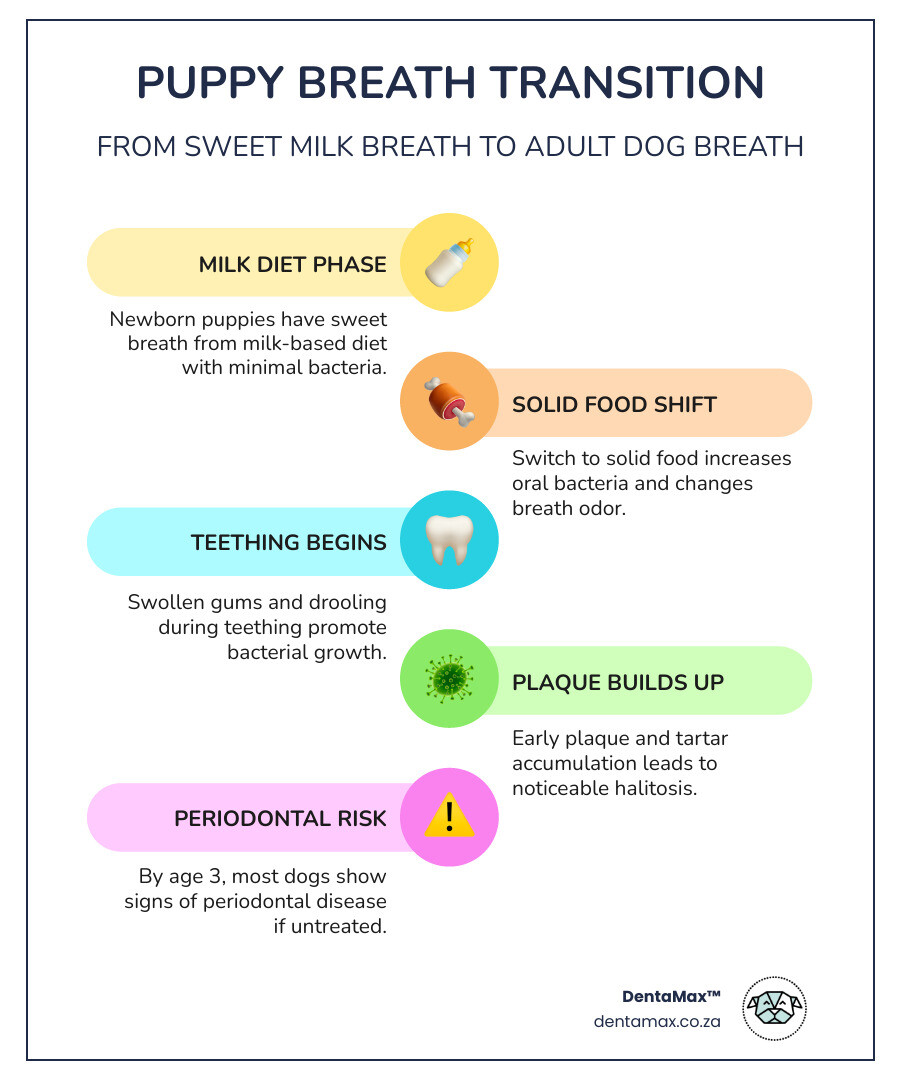
That distinct sweet smell of puppy breath comes from a milk-based diet and a mouth that has not yet developed significant plaque or tartar. But as your puppy transitions to solid food and begins teething, oral bacteria increase and breath can change noticeably.
This is completely normal in most cases. However, persistent or unusually foul breath can sometimes signal something worth investigating, from teething inflammation to early dental disease or even an underlying health condition.
By age 3, most dogs already show some form of periodontal disease. Starting good oral hygiene habits during puppyhood is one of the most effective things you can do for your dog’s long-term health.
Understanding the Causes of Puppy Halitosis

If you have ever been on the receiving end of a wet, enthusiastic puppy lick only to find yourself recoiling, you are not alone. While we often associate “dog breath” with older pets, puppies can develop quite a pong too. Understanding the root cause is the first step in finding an effective puppies bad breath treatment.
The most common culprit is the teething phase. Just like human babies, puppies go through a significant period of oral transition. Between the ages of three and eight months, your puppy will lose 28 deciduous (baby) teeth to make room for 42 permanent adult teeth. This process causes the gums to become swollen and sore. As the new teeth push through, they create small gaps where food particles and bacteria can easily become trapped.
When these particles sit in the warm, moist environment of the mouth, they begin to decay, leading to that “rotting” smell. Furthermore, slight bleeding is common during teething. This blood can mix with saliva and oral bacteria, creating a metallic or stale odour that is a hallmark of the teething stage.
Sometimes, a puppy might experience retained deciduous teeth. This happens when a baby tooth refuses to fall out even though the adult tooth has already emerged. These “crowded” areas are magnets for plaque and tartar, significantly increasing the risk of Periodontal disease.
Dietary habits also play a massive role. As puppies transition from mother’s milk to solid kibble or wet food, the chemical composition of their mouth changes. If your puppy is a “nosy” eater who enjoys exploring the garden, they might be engaging in coprophagia, the habit of eating faeces. Whether it is their own or that of the neighbourhood cat, this habit will certainly lead to a foul-smelling mouth.
Poor oral hygiene is the final major factor. Many owners wait until a dog is older to start a dental routine, but bacteria start colonising the mouth the moment those first teeth appear. Without intervention, plaque hardens into tartar, which is far more difficult to remove and serves as a breeding ground for smelly bacteria.
Signs Your Puppy is Teething
Recognising the signs of teething can help you distinguish between a normal developmental phase and a more serious health issue. Look out for these common indicators:
- Swollen or red gums: You may notice the gumline looks puffy or even has small spots of blood.
- Excessive drooling: If your puppy is leaving wet spots on their bed or your trousers, their mouth is likely working overtime to deal with teething discomfort.
- Increased chewing behaviour: Puppies will chew on anything from shoes to furniture to help soothe the pressure in their jaws.
- Irritability: Teething is painful, and your normally sweet pup might seem a bit more “nippy” or restless than usual.
- Decreased appetite: If it hurts to crunch kibble, your puppy might be less enthusiastic about mealtime.
Monitoring these signs is a vital part of Dog & Cat Dental Care during their first year of life.
Effective Puppies Bad Breath Treatment Options
When it comes to puppies bad breath treatment, the goal is to reduce the bacterial load in the mouth and prevent the buildup of plaque. While traditional brushing is often recommended, many puppies find the sensation of a toothbrush invasive and frightening. This is where a daily supplement can be a game-changer for South African pet owners.
We recommend DentaMax™, a single-ingredient dental powder made from Ascophyllum nodosum kelp. This specific type of seaweed is clinically validated to help reduce plaque and tartar without the need for stressful brushing sessions. You simply add a small scoop to your puppy’s daily meal.
The way it works is quite fascinating. Once ingested, the active compounds in the kelp are absorbed into the bloodstream and then released back into the mouth via the saliva. This helps to break down the bacterial biofilm that forms on the teeth, making it harder for plaque to stick. Over time, it helps to soften existing tartar, which can then be scraped away naturally during chewing.
Using a product like DentaMax™ is an excellent way to How Does Dentamax Work? into your puppy’s routine early on. It contains no chemicals or fillers, making it safe for growing pups. For more detailed information, you can read about Ascophyllum Nodosum Dogs and how it supports long-term oral health.
Managing Teething Discomfort and Supporting Oral Health
While a dental powder handles the bacterial side of things, you also need to manage the physical discomfort of teething. Providing appropriate outlets for chewing will help clean the teeth mechanically and soothe the gums.
- Teething toys: Look for durable rubber toys with textures that can massage the gums. Avoid toys that are too hard, such as real bones or heavy nylon, as these can actually fracture fragile puppy teeth.
- Frozen washcloths: A simple, cost-effective home remedy. Soak a clean washcloth in water, twist it into a rope shape and freeze it. The cold helps numb the gums while the texture of the cloth gently cleans the teeth as they chew.
- Gentle gum massage: If your puppy allows it, use a clean finger to gently rub their gums. This helps them get used to having your hands in their mouth, which makes future dental inspections much easier.
By combining these physical methods with a daily supplement like DentaMax™, you create a comprehensive approach to oral care that addresses both the smell and the underlying cause.
Safe Home Remedies for Fresher Breath
If you are looking for natural ways to supplement your puppies bad breath treatment, several kitchen staples can help freshen things up. These are generally safe for puppies, provided they are given in moderation.
One popular option is coconut oil. Research has shown that virgin, cold-pressed coconut oil has antiviral, antifungal and antibacterial properties. You can add a small teaspoon to their food or even use it as a “tasty” toothpaste. It helps kill the bacteria that cause bad breath and has the added benefit of making their coat look shiny. You can read more about the Scientific research on coconut oil for dogs to understand its full range of benefits.
Crunchy vegetables like carrot sticks and apple slices (without the seeds or core) act as natural toothbrushes. The abrasive action of chewing these hard snacks helps to scrape away soft plaque before it can harden into tartar. Plus, most puppies love the sweet crunch!
Fresh herbs can also be a quick fix. A small amount of finely chopped parsley or mint sprinkled on their food can act as a natural deodoriser. Parsley is particularly good as it contains chlorophyll, which is known for its breath-freshening properties.
Finally, never underestimate the power of hydration. Ensuring your puppy has constant access to fresh, clean water is essential. Water helps flush away food debris and keeps the mouth moist, preventing the dry-mouth environment where bacteria thrive. For those looking for extra help, you can even find Activated Charcoal Dog Dental Powders which are excellent for absorbing odours and toxins.
To learn more about how these natural elements work together, check out How Does Dentamax Work?.
When to Consult a South African Veterinarian
While most puppy breath issues are related to teething or diet, there are times when “stinky” breath is a sign of a more serious medical problem. As a responsible pet owner in South Africa, it is important to know when to call your local vet in Cape Town, Johannesburg or Durban.
If your puppy’s breath has a specific, unusual smell, it could indicate an organ issue:
- Ammonia or urine smell: This can be a red flag for kidney problems. If the kidneys are not properly filtering waste, toxins can build up in the body and be released through the breath.
- Sweet or fruity breath: This is often a sign of diabetes. While less common in very young puppies, it is a serious condition that requires immediate veterinary attention.
- Foul, rotting smell with yellowing gums: This combination could suggest liver disease.
You should also seek professional help if the bad breath is accompanied by other clinical signs such as vomiting, diarrhoea, lethargy or a complete loss of appetite. Persistent halitosis that does not improve with home care or dental supplements also warrants a professional dental assessment.
Your vet can check for oral tumours (which account for about 6% of all dog tumours), infections or foreign objects stuck in the gums. Early intervention is always cheaper and less invasive than treating advanced dental disease later in life. If you have more concerns, our Frequently Asked Questions page covers many common scenarios.
Long-Term Prevention Strategies
The best puppies bad breath treatment is actually prevention. Establishing a solid routine while your puppy is young will save you a lot of heartache (and money) in the future. Oral health is a lifelong commitment that starts the day you bring your new furry friend home.
A daily dental supplement is the cornerstone of long-term prevention. By consistently using DentaMax™, you are providing your puppy with the tools to fight plaque every single day. The Ascophyllum nodosum in our formula works systemically, ensuring that even those hard-to-reach molars in the back of the mouth get some protection.
Balanced nutrition is equally important. Avoid feeding your puppy sugary treats or table scraps, as these provide the perfect fuel for oral bacteria. Stick to high-quality puppy food that meets all their nutritional requirements. Some owners also find success with specific dental diets that use ingredients like Sodium Hexametaphosphate Dogs to help prevent tartar from bonding to the tooth surface.
Regular veterinary check-ups should include a thorough oral exam. Your vet can spot early signs of gingivitis or tooth decay before they become painful or lead to tooth loss.
Establishing a Routine for Optimal Oral Health
Consistency is key. Here is a simple daily routine you can implement to ensure your puppy grows up with a healthy mouth:
- Morning Meal: Add the recommended scoop of DentaMax™ dental powder to their breakfast. This ensures they have protection throughout the day.
- Water Check: Clean their water bowl and refill it with fresh, cool water.
- Playtime: Provide a textured chew toy for 15 to 20 minutes to help mechanically clean the teeth.
- Evening Inspection: Once your puppy is tired and relaxed, do a quick “lip lift”. Check for any red spots, bleeding or stuck food. This also helps the puppy stay comfortable with you touching their mouth.
For more tips on how to manage this routine, take a look at our Dog Cat Dental Powder Guides.
Frequently Asked Questions about Puppy Breath
Is bad breath normal for teething puppies?
Yes, it is very common. The combination of gum bleeding, inflammation and the temporary gaps between teeth creates an environment where oral bacteria can flourish. This usually results in a distinct, somewhat metallic or “off” smell. It should resolve once the adult teeth are fully in place and the gums have healed, provided you maintain good oral hygiene.
How often should I ensure my puppy’s oral hygiene?
Oral care should be a daily habit. Just as we brush our teeth every day, your puppy needs daily support to prevent plaque from hardening into tartar. Adding DentaMax™ to their food once a day is an easy way to form this habit early. Consistent daily care is the only way to effectively prevent long-term periodontal disease.
What are beneficial toys for teething puppies?
The best toys for teething puppies are made of durable, non-toxic rubber. They should have enough “give” that you can indent them with your thumb, which prevents tooth fractures. Look for toys with nubs or ridges that can massage the gums and help scrape away soft plaque. Avoid hard plastic, stones or real bones, which are too abrasive for puppy enamel.
Conclusion
Maintaining your puppy’s oral health is about more than just avoiding a smelly mouth. It is an essential part of their systemic wellness. Bacteria from the mouth can eventually enter the bloodstream and affect major organs like the heart and kidneys, so a clean mouth truly means a healthier dog.
By starting a routine early with puppies bad breath treatment options like DentaMax™, you are setting your pet up for a lifetime of fresh kisses and healthy smiles. Our single-ingredient kelp powder is a simple, effective and South African-made solution that fits perfectly into any busy pet parent’s schedule.
Whether you are in Cape Town, Muizenberg or Johannesburg, prioritising your puppy’s dental care today will lead to a happier, healthier companion for years to come. For more information on our products and how we can help your pet, explore our guide on Dog & Cat Dental Powder South Africa.