Dental plaque is the starting point of nearly all dental disease in dogs.
It forms silently, builds quickly, and if left unmanaged, eventually hardens into tartar and contributes to gum inflammation, infection, tooth loss and systemic health problems.
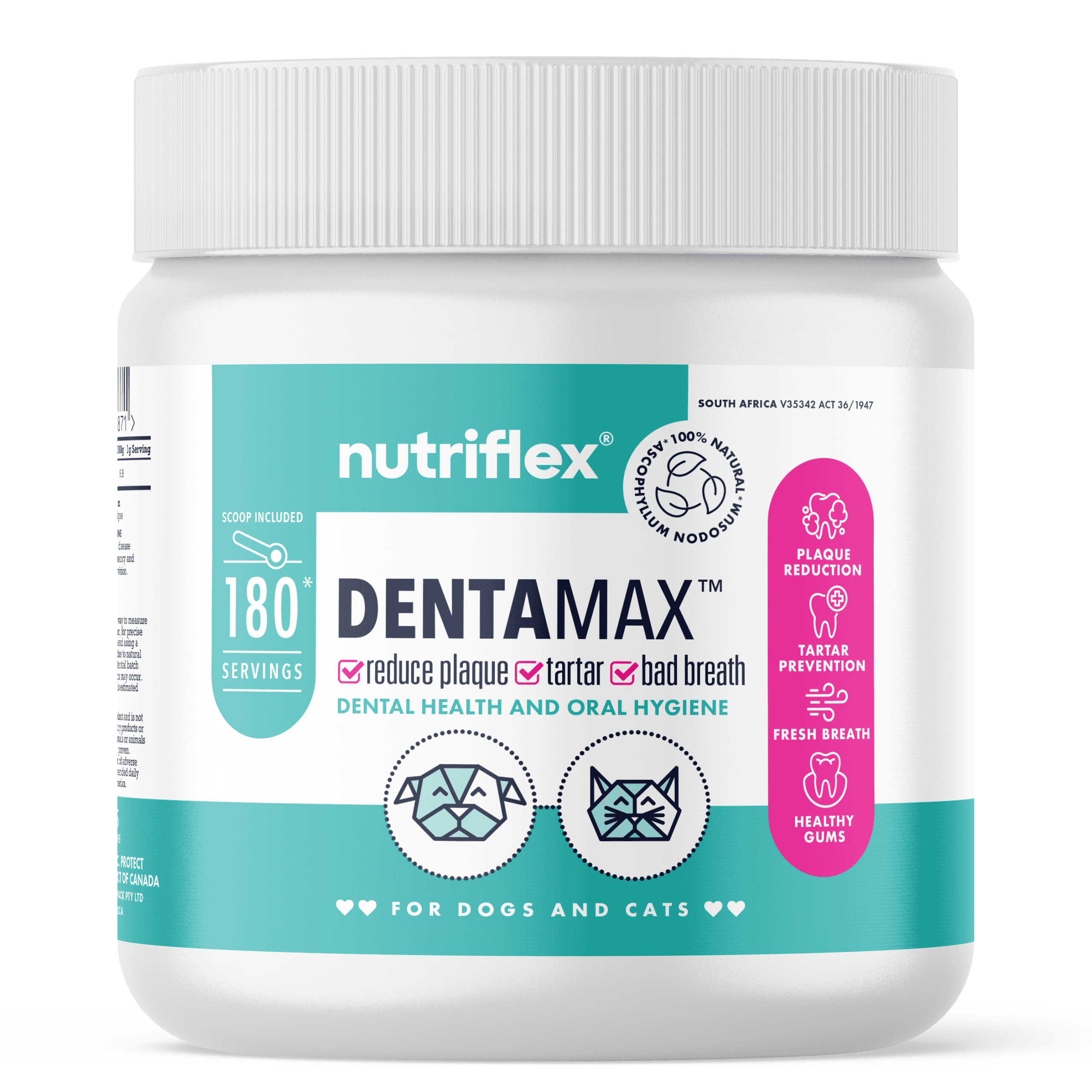
Understanding what plaque actually is, how it forms, and why it matters is the first step toward protecting your dog’s long-term oral health. There are various plaque prevention products for pets available on the market that can help manage dental health effectively. It’s important to choose high-quality options designed specifically for your dog’s needs, as some products may be more effective than others. Regular use of these products, combined with veterinary check-ups, can significantly reduce the risk of dental diseases. When searching for effective solutions, consider products featuring natural ingredients for pet dental health, as they offer gentle yet powerful care without harmful chemicals. These options not only promote fresh breath but also support overall oral hygiene, making them a great addition to your pet care routine. By prioritising natural ingredients, you can feel confident in the health benefits they provide for your furry friend.
Why Plaque Matters for Your Dog’s Health
Veterinary dentistry research consistently shows that dental disease is one of the most common health conditions affecting dogs.
Studies suggest that up to 80% of dogs show signs of dental disease by the age of three.
The process almost always begins with plaque.
Plaque itself is not immediately dangerous, but it creates the biological environment that allows dental disease to develop.
Once plaque accumulates along the gumline, bacteria begin to multiply. Over time, this leads to inflammation, infection and destruction of the structures that support the teeth.
Left untreated, this process can progress to periodontal disease, which affects not only the mouth but potentially the entire body.
Understanding Dental Plaque
Dental plaque is a soft, sticky film of bacteria and biological material that forms on the surface of teeth.
It develops naturally when oral bacteria combine with:
-
Salivary proteins
-
Food particles
-
Bacterial by-products
Together these substances form a biofilm that adheres tightly to the tooth surface.
Unlike simple debris that can be rinsed away, plaque is a structured bacterial community that actively grows and changes over time.
The Difference Between Plaque and Tartar
Many pet owners use the terms plaque and tartar interchangeably, but they are not the same thing.
Plaque
-
Soft bacterial film
-
Forms quickly after eating
-
Can be removed before it hardens
Tartar (Calculus)
-
Hardened mineralised plaque
-
Forms when plaque absorbs minerals from saliva
-
Strongly attached to teeth and difficult to remove
Plaque is the early stage.
Tartar is what happens when plaque remains on the teeth long enough to mineralise.
How Plaque Forms on Dog Teeth
Plaque formation begins surprisingly quickly.
Within minutes after a dog eats, bacteria in the mouth attach themselves to a thin layer of proteins deposited by saliva on the tooth surface.
This process occurs in several stages.
1. Pellicle Formation
A microscopic protein layer forms naturally on clean teeth.
This layer, called the acquired pellicle, is created from salivary proteins.
2. Bacterial Attachment
Oral bacteria attach themselves to this protein layer.
These bacteria begin multiplying and producing sticky substances that allow them to remain attached to the tooth.
3. Biofilm Development
As bacteria multiply, they form a structured microbial community known as a biofilm.
This biofilm is what we recognise as plaque.
Once established, the biofilm becomes increasingly difficult to disrupt.
Dental Biofilm: The True Nature of Plaque
Plaque is not simply a collection of bacteria.
It is a complex microbial ecosystem.
Inside plaque:
-
Different bacterial species coexist
-
Microbes communicate chemically
-
Protective layers shield bacteria from external disruption
This organised structure is one reason plaque is difficult to remove without consistent dental care.
The biofilm protects bacteria from mechanical removal and can make them more resistant to antibacterial agents.
How Quickly Plaque Forms in Dogs
Plaque formation begins within hours after teeth are cleaned.
Within 24 hours, measurable bacterial biofilm may already be present.
Within several days, plaque may become visible along the gumline.
If plaque is not removed during this stage, it begins absorbing minerals from saliva and slowly hardens into tartar.
The Bacteria Inside Plaque
The canine mouth contains hundreds of bacterial species.
When plaque first forms, it contains relatively harmless bacteria.
However, as plaque thickens and oxygen levels within the biofilm decrease, the bacterial population begins to change.
More harmful anaerobic bacteria begin to dominate.
These bacteria produce toxins and enzymes that irritate gum tissue and initiate inflammation.
This shift marks the beginning of periodontal disease.
From Plaque to Tartar
When plaque remains on the tooth surface for several days, it begins absorbing minerals from saliva.
Calcium and phosphate in saliva combine with plaque to create hardened deposits known as tartar or dental calculus.
Unlike plaque, tartar is firmly attached to teeth and usually requires professional dental cleaning to remove.
Tartar also creates rough surfaces on teeth, which allow even more plaque to accumulate.
This creates a cycle of worsening dental disease.
Why Plaque Causes Bad Breath
Persistent bad breath in dogs is often a sign of plaque accumulation.
Bacteria within plaque break down proteins and produce volatile sulphur compounds.
These sulphur compounds create the unpleasant odour commonly associated with canine halitosis.
Bad breath is not just a cosmetic issue. It is often a sign that plaque and bacterial activity are already present in the mouth.
This is why plaque buildup and oral health are closely linked.
Plaque and Gum Inflammation
As plaque accumulates near the gumline, bacterial toxins begin to irritate the surrounding tissue.
This leads to gingivitis, the earliest stage of periodontal disease.
Signs of gingivitis may include:
-
Red or swollen gums
-
Bleeding when chewing
-
Sensitivity around the mouth
-
Persistent bad breath
At this stage the condition may still be reversible if plaque is controlled.
If plaque remains, the inflammation becomes chronic.
The Progression to Periodontal Disease
If plaque and tartar continue to accumulate, the infection spreads deeper below the gumline.
The structures supporting the teeth begin to break down.
Periodontal disease can eventually cause:
-
Gum recession
-
Bone loss around teeth
-
Tooth loosening
-
Pain and infection
Advanced periodontal disease may require tooth extraction.
Why Plaque Is Difficult to Remove
Plaque adheres strongly to the tooth surface because bacteria produce sticky substances that hold the biofilm together.
These substances create a protective matrix around the bacterial community.
Once plaque matures, this matrix shields bacteria from simple rinsing or casual cleaning.
Consistent mechanical or biological control is required to manage plaque accumulation.
The Role of Saliva in Plaque Formation
Saliva plays a dual role in oral health.
On one hand, saliva helps wash away food debris and supports natural oral defence mechanisms.
On the other hand, saliva also contains the proteins and minerals that allow plaque to form and harden.
Calcium and phosphate in saliva are responsible for converting plaque into tartar over time.
Diet and Plaque Development
Diet can influence plaque accumulation, but it does not eliminate the problem.
Soft or sticky foods may allow plaque to accumulate faster.
However, even dogs fed dry diets still develop plaque.
The idea that standard kibble cleans teeth effectively is largely overstated.
Most kibble shatters quickly during chewing and provides minimal mechanical cleaning.
Dental health therefore depends far more on plaque control than on diet alone.
Breed Differences in Plaque Risk
Some dogs are naturally more prone to plaque buildup than others.
Small breeds often experience faster plaque accumulation because of:
-
Crowded teeth
-
Narrow jaw structures
-
Reduced spacing between teeth
These conditions create areas where plaque can easily accumulate and remain undisturbed.
Age and Plaque Accumulation
Plaque tends to accumulate more rapidly as dogs age.
Over time, long-term plaque exposure increases the likelihood of tartar formation and periodontal disease.
Older dogs may also produce changes in saliva composition and oral bacterial populations.
These changes can accelerate dental disease progression.
Signs of Plaque in Dogs
Plaque itself may be difficult to see during its earliest stages.
However, as it accumulates, pet owners may notice:
-
A pale yellow film on teeth
-
Deposits near the gumline
-
Persistent bad breath
-
Red or irritated gums
Because plaque forms quickly, these signs may appear even in dogs that seem otherwise healthy.
Hidden Plaque Below the Gumline
Not all plaque is visible.
Some plaque accumulates below the gumline, where it cannot be easily seen.
This subgingival plaque plays a major role in periodontal disease because it directly affects the tissues that anchor the teeth.
Veterinary dental examinations often identify disease that is not visible during casual inspection.
Plaque and Whole-Body Health
The effects of plaque are not limited to the mouth.
Oral bacteria associated with periodontal disease may enter the bloodstream.
Research suggests that chronic oral infection may contribute to systemic health concerns affecting organs such as the heart, liver and kidneys.
Maintaining oral hygiene is therefore an important part of overall canine health.
Common Misconceptions About Plaque
Many misconceptions about canine dental care persist.
One common belief is that bad breath is normal in dogs.
In reality, persistent bad breath usually indicates bacterial activity in plaque.
Another myth is that chewing dry food alone prevents plaque buildup.
While chewing may provide minor mechanical abrasion, plaque formation still occurs unless active plaque-control strategies are used.
How Veterinarians Diagnose Plaque and Dental Disease
Veterinarians typically evaluate dental health through a comprehensive oral examination.
This may include:
-
Visual inspection of teeth and gums
-
Periodontal probing
-
Dental radiographs when necessary
These assessments help identify plaque, tartar and periodontal disease.
Professional dental cleanings may be recommended if significant tartar or infection is present.
Preventing Plaque in Dogs
The most effective dental strategy is preventing plaque from accumulating.
Preventative dental care may include:
-
Consistent oral hygiene routines
-
Veterinary dental examinations
-
Long-term plaque management strategies
Because plaque forms rapidly, preventative approaches must be continuous rather than occasional.
Long-Term Plaque Management
Managing plaque over a dog’s lifetime requires a proactive approach.
Effective strategies focus on reducing plaque formation before it mineralises into tartar.
This may involve combining several approaches, including mechanical cleaning, professional dental care and scientifically studied ingredients that support plaque control.
Early intervention is always easier and more effective than treating advanced dental disease.
Key Takeaways
Plaque is the starting point of nearly all dental disease in dogs.
It forms rapidly, often within hours, and can progress to tartar, gum disease and tooth loss if left unmanaged.
By understanding how plaque develops and why it matters, dog owners can make informed decisions that support better long-term dental health. Incorporating systemic plaque control methods for dogs into their regular grooming routine can help prevent dental issues before they arise. It is essential to choose products and practices that are proven to effectively reduce plaque buildup, ensuring a healthier mouth for pets. Additionally, regular veterinary check-ups can provide insights and recommendations tailored to each dog’s specific needs.
Preventing plaque accumulation is one of the most important steps in protecting a dog’s overall health and well-being.