Vets2Pets Dental Powder — Ingredients, Price, Review & Alternatives in South Africa
Many pet owners searching for Vets2Pets Dental Powder are looking for an effective way to manage plaque, tartar and bad breath in their dogs or cats. Dental powders have become a popular daily supplement because they can be mixed with food and used consistently without the challenges of brushing.
However, before choosing a product, most pet owners want clear answers to a few important questions:
- Does it meaningfully reduce plaque and tartar in dogs and cats?
- How does the formula compare to other dental powders on the market?
- Are there better options available in South Africa?
This guide examines the product’s ingredient composition, estimated cost per gram and the biological mechanism claimed to support oral hygiene. It also highlights practical considerations for pet owners evaluating dental powders for long-term plaque and tartar management.
If you’re researching broader solutions for pet dental disease, you may also want to read our complete guide to dog plaque and tartar control in South Africa and our article on dog bad breath cure.
What Is Vets2Pets Dental Powder?
Vets2Pets Dental Powder is marketed as a supplement designed to support oral hygiene in dogs and cats. It combines several very different ingredients into a single product, including:
- Ascophyllum nodosum
- sodium hexametaphosphate (SHMP)
- activated charcoal
- parsley leaf extract
- rosemary extract
The label also lists other ingredients, including inulin, maltodextrin (a processed carbohydrate that behaves much like sugar in the body and should be avoided by pets with diabetes), yeast extract (chicken flavour) and silicon dioxide (an anti-caking agent used to keep the powder free-flowing).
That matters more than it first appears. In Vets2Pets Dental Powder, Ascophyllum nodosum makes up only 1,650 mg of the 3g scoop, just 55% of the serving. Another 12% comes from questionable additives and mineral binders. The remaining 33% (990 mg) comes from fillers, artificial flavouring and processing agents rather than the core marine algae associated with clinically studied plaque control.
This type of formulation mixes a clinically studied plaque-control ingredient with harsh chemical phosphates, mineral binders and potential irritants. The additional ingredients appear primarily aimed at masking breath odour rather than addressing the bacterial plaque biofilm that causes dental disease and persistent bad breath.
That matters because bad breath is not the disease. It is the warning sign. The real problem is bacterial plaque biofilm building up on the teeth and under the gumline, where it drives tartar accumulation, gum inflammation and periodontal damage. So when a formula leans on deodorising herbs, flavouring and questionable daily-use additives, it risks masking the smell rather than properly targeting the plaque biofilm driving the disease. A fresher-smelling mouth is not the same as a healthier mouth. That is not root-cause control or effective oral care.
Why Plaque Prevention Matters
Dental plaque is a sticky bacterial film that forms on the teeth shortly after eating. If it is not controlled, minerals in saliva cause plaque to harden into tartar (dental calculus).
Over time, this can lead to:
- persistent bad breath
- gum inflammation
- periodontal disease
- tooth loss in severe cases
Preventing plaque from mineralising into tartar is the most effective way to maintain oral health in dogs and cats. Because brushing a pet’s teeth daily is difficult for many households, dental powders offer a convenient preventative approach. If you want to understand the root causes in more detail, read our guide to causes of dental disease in dogs and cats.
You may also want to read our evidence-based answer to do dental powders work for dogs.
The Role of Ascophyllum nodosum
One of the most researched ingredients used in dental supplements is Ascophyllum nodosum, a brown seaweed harvested from cold North Atlantic waters. Studies suggest that when consumed daily, compounds from this algae may influence plaque formation and help reduce tartar buildup.
One of the most recognised dental supplements internationally, ProDen PlaqueOff®, uses the same species of seaweed and has received Veterinary Oral Health Council (VOHC) acceptance for plaque and tartar reduction. Because of this research background, many dental powders include Ascophyllum nodosum as their primary active ingredient.
However, the effectiveness of a dental powder depends largely on how much of the ingredient is actually present in the formula. To understand the mechanism in more detail, read our explanation of how dental powders work.
If you are specifically researching whether plaque powders actually work, see our article on does dog plaque powder work.
How Dental Powders Work
Many traditional dental products rely on mechanical cleaning, such as brushing or abrasive dental chews. These methods depend on friction against the teeth to remove plaque.
However, dogs rarely chew in a way that cleans every surface of the mouth.
Certain dental powders work differently by influencing the oral environment through saliva, helping reduce plaque formation throughout the mouth rather than only on the surfaces exposed during chewing.
This systemic mechanism is why marine algae supplements have become widely used in dental powders.
This is why many pet owners are now looking for a systemic dental powder for dogs rather than relying only on brushing, chews or abrasive treats.
Why Sodium Hexametaphosphate (SHMP) is Questionable in Powders
One of the ingredients listed in the Vets2Pets formula is sodium hexametaphosphate (SHMP) in dog dental powders.
SHMP is a polyphosphate commonly used in applications to bind minerals, control corrosion and scaling in industrial pipework. Its ability to bind minerals is such that it’s sometimes included in dental kibble. It works by binding calcium in saliva, which theoretically can slow the mineralisation process that turns plaque into tartar.
However, its efficacy depends on direct and sustained contact with the tooth surface. In dental diets, SHMP is typically coated onto dry food and biscuits, allowing it to interact with teeth as the dog chews.
In a powder mixed into food, the situation is very different. SHMP is highly water-soluble, so it dissolves rapidly in saliva and is swallowed with the food before it can come into meaningful contact with the teeth, limiting any potential effect on plaque mineralisation.
Because SHMP is a synthetic phosphate additive with corrosive properties rather than a functional food, many discerning pet parents prefer to avoid it in daily supplements, particularly when the product is intended for long-term, everyday use.
Polyphosphate additives are widely used in processed foods and industrial formulations, but they provide no nutritional value and are included solely for their binding abilities. SHMP works by binding positively charged minerals, particularly calcium, magnesium and iron.
In the digestive system, this means it can bind minerals that would normally be available for absorption. Because gut bacteria also depend on mineral availability and phosphate balance, compounds that bind these minerals can potentially alter the conditions in which beneficial microbes grow.
For owners seeking natural, whole-food-based supplements for their pets, the inclusion of a laboratory-manufactured phosphate compound can therefore be a deterrent when comparing dental powder formulations.
For pet owners comparing formulations, this becomes an important consideration when evaluating the best dental powder for dogs in South Africa.
Warning for pets with CKD or mineral-balance issues
If your dog or cat has chronic kidney disease, reduced kidney function, or problems regulating calcium and phosphorus, SHMP should be avoided. When a pet has CKD, one of the main goals is to reduce phosphorus stress on the kidneys. That usually starts with a lower-phosphorus diet and if that is not enough, a vet may add phosphate binders to help limit absorption. That is why adding a phosphate-based additive such as SHMP undermines the core goal of a renal diet, reducing the phosphorus burden.
For pets with a particularly sensitive digestive system, frequent unexplained gastrointestinal upset, or that do badly on additive-heavy products, SHMP should be avoided on a precautionary basis.
For pet parents comparing dental powders in South Africa, Sodium hexametaphosphate (SHMP) is a valid red flag in formulations.
Activated Charcoal in Vets2Pets Dental Powder
Another ingredient listed in the Vets2Pets formula is activated charcoal in dental powders for dogs.
Activated charcoal is a highly processed carbon material produced by heating organic materials such as coconut shells or wood to extremely high temperatures, creating a porous surface. This process gives charcoal a massive internal surface area, allowing it to absorb a wide range of substances, including chemicals and toxins.
That is exactly why activated charcoal is used in emergencies. In veterinary poisoning cases, it is given because it can bind a wide range of drugs and toxins inside the gut before they are absorbed into the bloodstream. That broad, indiscriminate binding action is useful when the goal is to stop something harmful from getting in. But that is why it makes no sense in a product meant for everyday use.
Activated charcoal is useful in toxicology precisely because it is non-selective. The same broad binding action that makes it useful after poisoning can also reduce the absorption of other orally administered compounds, including medications and potentially interfere with the normal availability of nutrients and other beneficial ingredients present in the gut at the same time. Human pharmacokinetic studies show that activated charcoal can markedly reduce the bioavailability of co-administered drugs.
Because charcoal is such a powerful absorbent, it can bind a wide range of substances in the digestive tract, including:
- vitamins
- minerals
- medications
- other nutrients present in food
That is the real issue. Charcoal may also bind things you do want your pet to absorb, including nutrients, minerals or oral medications given around the same time.
For this reason, veterinarians typically use activated charcoal only in emergency medical situations, because the same property that makes it useful in poison cases also makes it fundamentally mismatched with a product designed for long-term daily use. Put simply, activated charcoal belongs in emergency poisoning care, not a premium daily-use dental supplement.
What Is Maltodextrin and Why Is It a Concern for Diabetic Dogs?
Another overlooked ingredient in the Vets2Pets formula is maltodextrin.
Maltodextrin is a highly processed carbohydrate made by partially breaking down starch, usually from corn, potato or rice, into short glucose chains. Regulators classify it as a nutritive saccharide polymer and food-industry databases list it as a solvent, vehicle, thickener, stabiliser, texturiser and free-flow agent. In plain English, it is commonly used to help powders mix well, carry flavours and improve handling during manufacturing. It’s not there to improve your pet’s dental health. In fact, dogs and cats don’t even need carbohydrates in their diet, which makes its inclusion in a dental powder all the more puzzling.
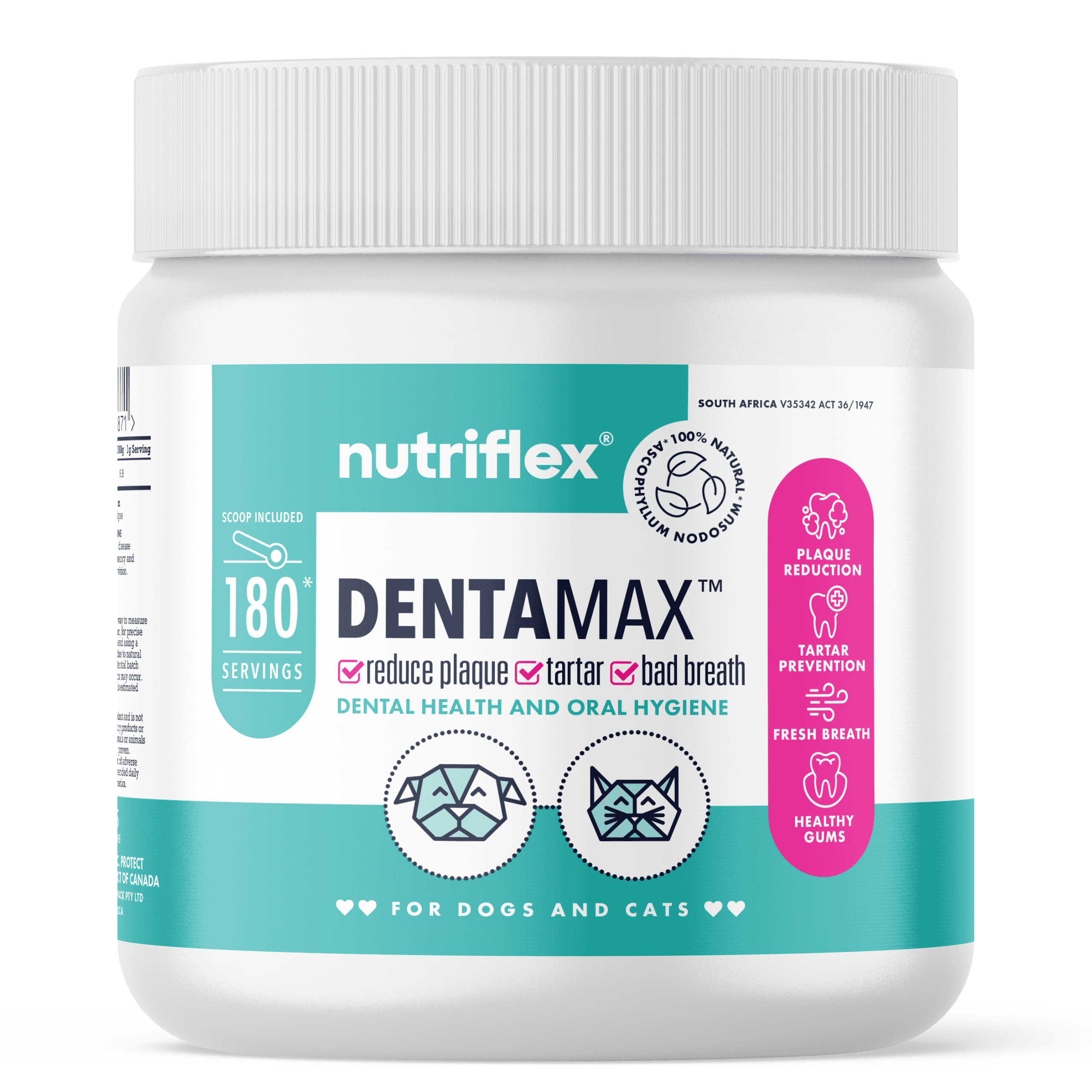
What Makes DentaMax™ Dental Powder Different
DentaMax™ dental powder follows a very different formulation philosophy.
Instead of combining multiple ingredients into a blend, DentaMax™ remains focused exclusively on the one ingredient with established systemic plaque control:
100% Ascophyllum nodosum (organic marine algae)
That matters because every gram of the daily serving is dedicated to the active ingredient supported by research. DentaMax™ is organic, undiluted and free of unwanted chemicals and mineral binders that add little to actual plaque control. DentaMax™ uses the same species of seaweed that underpins internationally recognised marine dental supplements such as ProDen PlaqueOff®.
DentaMax™ refuses to use sodium hexametaphosphate (SHMP) for a reason. It is an added phosphate ingredient and a known irritant. For healthy pets, that may already be an unnecessary compromise. For pets with chronic kidney disease, reduced kidney function or calcium-phosphorus imbalance, it makes even less sense. A renal diet is designed to reduce phosphorus burden, not add to it. So DentaMax™ does not use a phosphate-based additive that can complicate the very kind of mineral balance some pets are already struggling to control.
DentaMax™ also refuses to use activated charcoal. Charcoal has a legitimate role in veterinary toxicology, but that is exactly the point: it is used after certain poisonings because of its ability to bind a wide range of substances in the gut, before they are absorbed into the bloodstream.
What makes charcoal useful in an emergency is exactly why it’s unsuitable as a supplement intended for long-term daily use. Activated charcoal is non-selective. It does not just bind toxins. It can also bind other substances present in the digestive tract at the same time, including oral medications, nutrients and beneficial compounds from food or supplements. Human pharmacokinetic studies show that activated charcoal can significantly reduce the bioavailability of co-administered drugs.
Put simply, activated charcoal is useful when the goal is to prevent absorption. Which is exactly why it’s fundamentally at odds with a supplement designed for safe, consistent daily use to support health and nutrient uptake.
For pet owners seeking a cleaner single-ingredient approach with scientifically proven benefits, you can view DentaMax™ dental powder here.
Daily Serving and Product Size
Both products recommend the same daily serving:
1 gram per day for cats and small dogs
Because the daily dosage is identical, the difference in container size becomes meaningful.
| Product | Price | Weight | Days per Container |
|---|---|---|---|
| Vets2Pets Dental Powder | R390 | 150 g | 150 days |
| DentaMax™ Dental Powder | R395 | 180 g | 180 days |
DentaMax™ dental powder provides 20% more product per container, meaning a single tub lasts 30 days longer with the same daily serving.
Quick Comparison: Vets2Pets vs NutriFlex® DentaMax™
Formulation
| Feature | Vets2Pets Dental Powder | DentaMax™ Dental Powder |
|---|---|---|
| Core active ingredient | Ascophyllum nodosum blend | 100% organic Ascophyllum nodosum |
| Ascophyllum nodosum | 55% | 100% |
| Chemical additives | Yes – SHMP | None |
| Mineral binders | Yes – Charcoal | None |
| Palatants | Yes – Artificial Flavouring | None |
| Flow agents | Yes – Silicon Dioxide | None |
| Organic product | No | Yes |
Quality & Manufacturing
| Feature | Vets2Pets Dental Powder | DentaMax™ Dental Powder |
|---|---|---|
| Human-grade certified finished product | No | Yes |
| Act 36 registered | Not specified | Yes |
| Manufacturing standard | Animal feed grade | Human-grade FSA-certified facility |
Market Trust
| Feature | Vets2Pets Dental Powder | DentaMax™ Dental Powder |
|---|---|---|
| Market presence | Limited | Nationwide retailers |
| Retail availability | Limited | Absolute Pets, Petshop Science, Pet Storey & veterinary practices |
| Takealot reviews | 1 customer review | 490+ customer reviews |
Product Size & Usage
| Feature | Vets2Pets Dental Powder | DentaMax™ Dental Powder |
|---|---|---|
| Product size | 150 g | 180 g (20% more) |
| Daily serving | 1 g | 1 g |
Human-Grade Certified Finished Product
Many pet supplements claim to use human-grade ingredients, but the finished product is often still manufactured to animal feed-grade standards.
DentaMax™ goes significantly further. DentaMax™ is not only made with human-grade ingredients, but also certified human-grade. This means the entire product meets standards for human food production rather than conventional feed-grade pet supplements.
For pet owners who view their animals as family members, this level of manufacturing quality and safety is an important distinction.
Manufacturing Standards
DentaMax™ is produced in FSA-certified facilities in Cape Town that operate under strict food safety and quality control standards.
These facilities ensure:
- traceability of raw materials
- consistent manufacturing processes
- contamination control
- strict hygiene protocols
Such standards are typically associated with human food production rather than standard pet supplement manufacturing.
Regulatory Compliance in South Africa
NutriFlex® DentaMax® is registered under Act 36 of 1947, the South African legislation governing animal feeds and supplements.
This regulatory framework regulates:
- ingredient composition
- product labelling
- manufacturing compliance
Registration under Act 36 provides additional transparency and oversight for pet supplements sold in South Africa.
Purity vs Dilution
When evaluating dental powders, the most important question is simple: How much of the clinically studied active ingredient are you actually getting? A multi-ingredient blend inevitably reduces the concentration of the ingredient responsible for plaque control.
In contrast, a single-ingredient formulation ensures the entire daily serving consists of the compound associated with plaque prevention. This difference explains why formulation purity often matters more than the number of ingredients listed on the label.
Which Dental Powder Is the Better Choice?
When comparing Vets2Pets vs DentaMax™, several distinctions become clear.
Ingredient purity
DentaMax™ contains 100% Ascophyllum nodosum without dilution.
Scientific alignment
DentaMax™ uses the same seaweed species found in internationally recognised plaque-control supplements.
Manufacturing quality
Produced in FSA-certified facilities.
Human-grade certification
The finished product itself is human-grade certified, not merely made with human-grade ingredients.
Regulatory compliance
Registered under Act 36 of 1947.
Retail credibility
DentaMax™ is widely distributed through major pet retailers and veterinary practices.
Product size
Provides 20% more product per container with the same daily serving recommendations.
If you are comparing leading alternatives, you may also want to read our guides to PlaqueOff alternative South Africa and Zest & Pep alternative South Africa.
Vets2Pets Dental Powder: Common Questions
What is Vets2Pets dental powder used for?
Vets2Pets dental powder is marketed as a supplement designed to support oral hygiene in dogs and cats. The product is mixed with food daily to help manage plaque and tartar buildup.
What ingredients are in Vets2Pets dental powder?
According to the manufacturer, the formula contains:
- Ascophyllum nodosum (marine algae)
- Sodium hexametaphosphate (SHMP)
- Activated charcoal
- Parsley
- Rosemary extract
While Ascophyllum nodosum has been studied for its potential role in plaque and tartar control, the combination of these ingredients as a blended formulation has not been clinically validated.
Some of the added ingredients may also have unintended effects when used in powdered supplements.
For example, sodium hexametaphosphate (SHMP) is a synthetic polyphosphate sometimes used in dental kibble because it can bind calcium and slow tartar formation when food is chewed and rubbed against the teeth.
In a powder mixed into food, however, the product is swallowed quickly and has little or no physical contact with the teeth. This means SHMP has very little opportunity to perform the function for which it was designed. As a result, its inclusion in a rapidly swallowed dental powder adds a synthetic chemical without providing a meaningful dental benefit.
Polyphosphates are also mineral-binding compounds, which means they can bind certain dietary minerals in the digestive tract.
Activated charcoal is commonly used as an adsorbent material because it can bind compounds in the gut. While this property is useful in medical detoxification settings, it also means charcoal can bind nutrients, medications and supplements if used regularly.
Because several of these ingredients act as binding or adsorbing agents, they can interact with minerals, nutrients or supplements in the digestive tract.
For example, activated charcoal is commonly used in veterinary medicine to bind toxins in cases of poisoning. While useful in short-term medical situations, its strong binding capacity means it can also bind nutrients and medications. For this reason, charcoal is generally not considered ideal for long-term daily supplementation.
Some pet owners, therefore, prefer simpler formulations that avoid unnecessary additives and focus on the ingredient associated with plaque control. DentaMax™ takes this approach.
It is made from 100% Ascophyllum nodosum, an organic marine algae, and contains no synthetic additives, fillers or mineral-binding compounds that could interfere with nutrient absorption or digestive balance.
How long does Vets2Pets dental powder last?
The product contains 150 g per container. With the recommended 1 g daily serving, one container typically lasts around 150 days for a cat or small dog.
Because the formula is a multi-ingredient blend, the daily serving is divided across several ingredients rather than delivering a full gram of the marine algae associated with plaque control.
This means pet owners are not receiving a full daily serving of Ascophyllum nodosum, but rather a diluted mix of algae, synthetic additives and breath-freshening ingredients, which may make it less appealing for those looking for a simpler, more focused dental formulation.
A Smarter Approach to Pet Dental Health
Bad breath in dogs and cats is rarely just a cosmetic issue. It is usually a symptom of plaque accumulation and bacterial activity. Addressing plaque before it mineralises into tartar is the most effective way to maintain long-term oral health. Dental powders offer a convenient daily solution, especially for pets that resist brushing.
The Decision
For pet owners comparing Vets2Pets vs DentaMax™, the key difference lies in their formulation philosophy.
One product uses a diluted blend of multiple ingredients, including synthetic additives and binding agents. The other product is organic and focuses entirely on 100% Ascophyllum nodosum, the marine algae associated with clinically proven plaque control.
DentaMax™ is also produced as a human-grade-certified finished product, manufactured in FSA-certified facilities in Cape Town, registered under Act 36 of 1947 and trusted by leading pet retailers and veterinary practices across South Africa.
For pet owners who prefer a simpler, more transparent, organic dental supplement without unnecessary additives, unwanted chemicals or mineral binders, DentaMax™ dental powder offers a single-ingredient marine-algae formulation laser-focused on plaque control.