
Why Bad Breath in Dogs Is a Sign Worth Taking Seriously
Bad breath in dogs natural remedies are one of the most searched pet health topics in South Africa, and for good reason: over 80% of dogs over the age of three show signs of dental disease, the leading cause of canine halitosis.
The most effective natural remedies for bad breath in dogs include:
| Remedy | How It Helps |
|---|---|
| Ascophyllum nodosum (kelp) powder | Disrupts plaque biofilm systemically via salivary excretion |
| Curly parsley | Chlorophyll neutralises odour-causing bacteria |
| Coconut oil | Lauric acid has antimicrobial properties |
| Plain yogurt or probiotics | Targets hydrogen sulphide-producing bacteria in gut and mouth |
| Raw meaty bones | Mechanical gnawing reduces plaque by up to 60% |
| Crunchy vegetables (carrots, celery) | Scrape plaque from tooth surfaces and stimulate saliva |
| Apple cider vinegar | Acidic properties help break down plaque and tartar |
Most cases of doggy bad breath are not just a nuisance. They are an early signal of bacterial build-up, gum inflammation or an underlying health issue that deserves attention.
The good news is that practical, evidence-aligned solutions exist, and many can be introduced into your dog’s daily routine without a fight.
I’m Sharon Milani, Co-Founder and Director of NutriFlex® and the formulator behind DentaMax™, a 100% pure organic Ascophyllum nodosum dental powder developed specifically for the South African market to address bad breath in dogs natural remedies through systemic, science-backed oral care. In the sections below, I’ll walk you through what actually works, what the research supports and how to build a simple daily routine that keeps your dog’s mouth healthy long-term.
Understanding Canine Halitosis and Oral Health
To effectively use bad breath in dogs natural remedies, we must first understand what we are fighting. Canine halitosis is rarely just about the last meal your dog ate. In the vast majority of cases, it is the result of a complex biological process happening on the surface of the teeth and under the gum line.
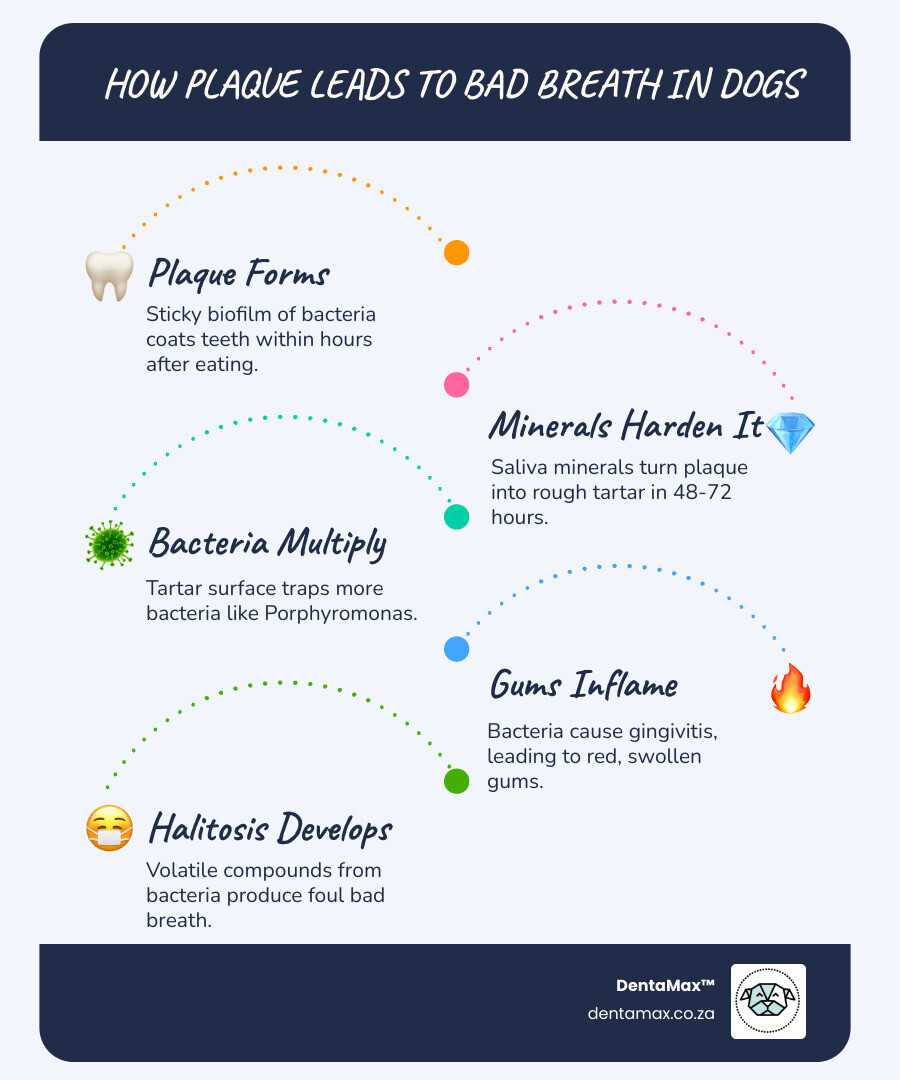
It begins with plaque biofilm. This is a sticky, colourless film of bacteria that constantly forms on the teeth. If this plaque is not disrupted, it reacts with minerals in your dog’s saliva and hardens into tartar (calculus) within 48 to 72 hours. Once tartar forms, it provides a rough surface that attracts even more bacteria, specifically the Porphyromonas family. These pesky microbes are responsible for causing gingivitis and periodontal disease in both humans and dogs.
As these bacteria thrive, they release volatile sulphur compounds, such as hydrogen sulphide. This is what creates that distinct rotten egg smell often associated with “swamp breath”. When left unchecked, this bacterial load leads to gum inflammation (gingivitis), which can eventually cause the supporting structures of the tooth to break down. This is why canine halitosis is often the first warning sign of a much larger problem.
In South Africa, where many pet owners find professional veterinary dental cleanings under general anaesthesia to be a significant expense (often ranging from R2,500 to R6,000 or more depending on extractions), prevention is the most logical path. By understanding the stages of periodontal disease, we can intervene early using natural methods to disrupt the biofilm before it mineralises.
Effective Bad Breath in Dogs Natural Remedies
When looking for bad breath in dogs natural remedies, we categorise treatments into two main groups: mechanical cleaning and systemic support. Mechanical cleaning involves physically scrubbing the teeth, while systemic support works from the inside out to change the chemistry of the mouth.

The most successful approach usually combines both. While traditional brushing is the gold standard, research shows that less than 4% of dog parents actually brush their pup’s teeth every day. This reality is why we focus so heavily on how DentaMax works as a systemic solution that complements other natural interventions.
Systemic Support with Ascophyllum Nodosum for Bad Breath in Dogs Natural Remedies
The most significant breakthrough in natural canine dental care is the use of Ascophyllum nodosum, a specific type of North Atlantic kelp. Unlike many topical remedies that only mask the smell, this seaweed works systemically.
When your dog ingests a high-quality, organic Ascophyllum nodosum powder, the active compounds are absorbed into the bloodstream. These compounds are then excreted back into the mouth through the salivary glands. Once in the saliva, they work to disrupt the molecular structure of the plaque biofilm. This makes the plaque softer and prevents it from mineralising into hard tartar.
Clinical trials have shown that regular supplementation with this specific kelp can lead to a significant reduction in plaque and tartar, with visible results typically appearing within 3 to 8 weeks. Because it changes the environment of the mouth to be less hospitable to odour-causing bacteria, it addresses the root cause of halitosis rather than just the symptom.
At DentaMax™, we emphasise Ascophyllum nodosum for dogs because of its dual action: it helps remove existing build-up and prevents new plaque from sticking. However, we also champion iodine transparency. Kelp is naturally rich in iodine, which is excellent for most dogs but may not be suitable for those with existing thyroid conditions. Always ensure you are using a pure, sustainably harvested source that provides clear nutritional data.
Kitchen Staples as Bad Breath in Dogs Natural Remedies
Beyond seaweed, several common kitchen items serve as effective bad breath in dogs natural remedies. These are accessible, affordable and generally well-tolerated by most South African pets.
1. Coconut Oil Coconut oil is often called a “bad breath fighting trifecta” because of its antiviral, antifungal and antibacterial properties. The secret lies in lauric acid, which helps kill the bacteria that cause foul odours.
- How to use: You can add 5ml (one teaspoon) per 10kg of body weight to their food daily. Alternatively, you can use it as a natural toothpaste by rubbing a small amount onto their gums and teeth.
2. Curly Parsley Parsley is not just a garnish. It is rich in chlorophyll, a powerful natural deodoriser that neutralises odours at the source. It also contains vitamins that support overall health.
- How to use: Chop fresh curly parsley (avoid “Spring” or Italian parsley, which can be toxic in high doses) and sprinkle about 5ml to 15ml onto their dinner. You can also steep the leaves to make a “parsley tea” and add a tablespoon to their water bowl.
3. Probiotics and Plain Yogurt Sometimes, bad breath originates in the gut. An imbalance of gut microflora can lead to digestive gases that manifest as halitosis. Scientific research on probiotics and hydrogen sulfide suggests that beneficial bacteria like Lactobacillus can neutralise the bacteria responsible for that “rotten egg” smell.
- How to use: Add 15ml (one tablespoon) of plain, unsweetened, xylitol-free yogurt to their meal daily. This introduces beneficial bacteria that compete with the odour-causing varieties.
4. Apple Cider Vinegar (ACV) ACV contains malic and acetic acids, which create an environment where bad bacteria struggle to survive. It also helps break down the sticky film on the teeth.
- How to use: Add 2.5ml (half a teaspoon) of raw, unfiltered apple cider vinegar to your dog’s water bowl. Ensure it is well-diluted, as the strong taste might discourage some dogs from drinking if it is too concentrated.
For those looking for more intensive detoxification, some owners explore activated charcoal powders, which can bind to toxins and odours in the mouth and digestive tract.
Mechanical Cleaning and Dietary Choices
While systemic remedies change the mouth’s chemistry, mechanical cleaning provides the physical friction needed to “scrub” the teeth.
Raw Meaty Bones (RMBs) Giving your dog a raw, appropriately sized beef or lamb bone is one of the most effective ways to clean teeth naturally. The act of gnawing and shearing meat off the bone acts like a natural toothbrush and floss. Statistics show that raw bones can reduce plaque by up to 60% when given regularly.
- Safety Warning: Never give cooked bones. Cooking makes bones brittle, causing them to splinter and potentially cause life-threatening internal injuries. Always supervise your dog while they chew.
Crunchy Vegetables and Fruits Crunchy, water-rich vegetables stimulate saliva production, which is the body’s natural way of rinsing the mouth. They also provide a gentle abrasive action.
- Carrots: High in fibre and great for mechanical scraping.
- Celery: Often called “nature’s floss” because the fibrous strands help clean between teeth.
- Apples: Contain malic acid which can help remove stains, but always remove the seeds and core as they contain cyanide.
In commercial dental treats, you may see ingredients like sodium hexametaphosphate. This is a sequestering agent that binds to calcium in the saliva, preventing it from mineralising plaque into tartar. While effective, many South African pet owners prefer the whole-food approach of raw bones and vegetables.
When to Consult a South African Veterinarian
While bad breath in dogs natural remedies are excellent for maintenance and mild cases, they are not a substitute for professional veterinary care when a serious issue is present.
If your dog’s breath does not improve after a few weeks of natural intervention, or if you notice any of the following warning signs, it is time to book a check-up:
- Red, bleeding or swollen gums: This indicates advanced gingivitis or periodontal disease.
- Difficulty eating or dropping food: This is a sign of oral pain or loose teeth.
- Fruity or sweet breath: This can be a clinical sign of diabetes.
- Ammonia or urine-like breath: This often points to kidney disease, as the body fails to filter out waste products.
- Excessive drooling or pawing at the mouth: This may indicate a foreign object stuck in the gums or a dental abscess.
A veterinarian can perform an oral exam to determine if your dog requires professional scaling under anaesthesia. Once the mouth is professionally cleaned, you can use our dog and cat dental powder guides to maintain that “clean slate” and prevent the return of tartar.
Frequently Asked Questions about Dog Breath
How long do natural remedies take to work?
Natural remedies generally take longer than chemical interventions. For systemic supplements like Ascophyllum nodosum, you should expect to see a reduction in breath odour within 2 to 3 weeks, and a noticeable softening of tartar within 3 to 8 weeks. Consistency is key; these remedies work best when they are a permanent part of the daily routine.
Is coconut oil safe for all dogs?
Generally, yes, but it is high in saturated fat. If your dog is prone to pancreatitis or is struggling with obesity, consult your vet before adding it to their diet. Start with a small amount (1.25ml) to ensure it doesn’t cause loose stools.
Can I use human toothpaste on my dog?
Never. Human toothpaste often contains xylitol, which is highly toxic to dogs, and foaming agents like sodium lauryl sulphate that can upset their stomach. Always use a dog-specific toothpaste or a natural alternative like coconut oil. You can find more answers in our frequently asked questions section.
Conclusion
At DentaMax™, we believe that every South African dog deserves a healthy mouth and a pain-free life. By combining the power of systemic dental science with simple, effective bad breath in dogs natural remedies from your kitchen, you can transform your dog’s oral health.
Whether you choose to add Ascophyllum nodosum to their daily meal, offer crunchy carrots as treats or introduce raw meaty bones into their diet, the goal is consistency. Education is the first step toward better pet care, and we are committed to providing evidence-based resources to help you make informed decisions. For more information on maintaining your pet’s smile, explore our dog and cat dental powder in South Africa resources. Together, we can turn those foul greetings into fresh-smelling kisses.
