Dental plaque is not just food debris on teeth. It is a living bacterial community called a biofilm. Once plaque bacteria colonise the teeth, they begin producing sticky polymers that allow more microbes to attach and multiply.
Over time, this biofilm thickens, mineralises, and becomes tartar. The process drives most dental disease in dogs.
Marine algae have attracted attention in oral health research because certain species contain compounds that can disrupt the behaviour of plaque bacteria rather than simply trying to kill them. This difference matters.
Understanding how marine algae affect plaque bacteria explains why seaweed-based dental supplements have become increasingly popular for dogs.
What Plaque Bacteria Actually Are
Plaque is a structured microbial biofilm that forms naturally on teeth.
Within hours of eating, saliva proteins coat the tooth surface and create a pellicle. This film serves as a landing site for bacteria.
Early colonising bacteria attach first. These include species such as:
-
Streptococcus
-
Actinomyces
-
Neisseria
As the colony grows, oxygen levels drop and more aggressive anaerobic bacteria take over.
These bacteria:
-
produce acids
-
release toxins
-
inflame gum tissue
-
create foul-smelling sulphur compounds
The result is plaque, bad breath, gum disease, and eventually tooth damage.
Why Plaque Bacteria Are Difficult to Control
Plaque bacteria are difficult to eliminate because they live inside protective biofilms.
Biofilms act like microscopic cities. They contain:
-
bacterial colonies
-
extracellular polymers
-
channels for nutrient flow
-
protective barriers against chemicals
Once a biofilm matures, bacteria inside it become far more resistant to treatments.
This is why simple antibacterial strategies often fail. Killing bacteria alone does not always break the biofilm structure.
How Marine Algae Entered Dental Research
Marine algae have been consumed for centuries in coastal cultures. Scientists later discovered these sea plants contain unusual bioactive compounds rarely found in land plants.
Many brown seaweeds contain:
-
sulphated polysaccharides
-
polyphenols
-
iodine
-
trace minerals
-
complex carbohydrates
These compounds interact with bacteria in ways that scientists are still exploring.
Unlike conventional antibiotics, compounds from marine algae tend to interfere with bacterial signalling and adhesion.
This mechanism is particularly relevant to plaque bacteria.
How Marine Algae Affect Plaque Bacteria
Marine algae influence plaque bacteria in several important ways.
1. Reducing Bacterial Adhesion
Plaque bacteria must attach to tooth surfaces before a biofilm can form.
Certain marine algae compounds interfere with this attachment process. When bacteria cannot adhere properly, plaque colonies struggle to establish themselves.
2. Disrupting Biofilm Formation
Plaque bacteria communicate through chemical signals called quorum sensing.
These signals tell bacteria when to produce the sticky polymers that form the biofilm matrix.
Some marine algae compounds interrupt this communication, weakening the structural integrity of plaque.
3. Altering Bacterial Metabolism
Research suggests marine algae may affect how oral bacteria process nutrients.
This can reduce:
-
acid production
-
sulphur compound formation
-
bacterial growth rate
These changes can help limit the harmful effects of plaque bacteria.
Featured Snippet Opportunity
What Does Marine Algae Do to Plaque Bacteria?
Marine algae influence plaque bacteria by interfering with their ability to attach to teeth, communicate with each other, and build protective biofilms. Certain seaweed compounds disrupt bacterial adhesion and signalling, which weakens plaque formation and potentially reducing the growth of harmful oral bacteria.
Marine Algae and the Oral Biofilm
Plaque is not just a group of bacteria — it is a highly organised microbial biofilm.
Breaking the biofilm is one of the most important strategies in dental health.
Marine algae compounds may help by:
-
weakening bacterial adhesion
-
reducing biofilm density
-
disrupting bacterial communication
When biofilms become unstable, they are easier to remove through normal oral hygiene.
Why Marine Algae May Affect Breath Odour
Bad breath in dogs is usually caused by volatile sulphur compounds produced by oral bacteria.
These gases include:
-
hydrogen sulphide
-
methyl mercaptan
-
dimethyl sulphide
Some studies suggest marine algae compounds may reduce the activity of the bacteria responsible for producing these gases.
When bacterial metabolism changes, breath odour often improves as well.
The Systemic Effect of Marine Algae
One interesting aspect of marine algae is that the effects may not be limited to the mouth.
When algae are consumed, their bioactive compounds enter the bloodstream and may influence saliva composition.
Saliva constantly bathes the teeth and gums. If saliva chemistry changes, it can alter the oral environment in ways that influence bacterial growth.
This systemic mechanism is one reason marine algae are commonly used in daily dental supplements rather than topical treatments.
Why Is Marine Algae Used in Dog Dental Supplements?
Marine algae are used in dog dental supplements because certain seaweed compounds may interfere with plaque bacteria, weaken dental biofilms, and support a healthier oral environment. These compounds are absorbed after ingestion and can influence saliva, which continuously interacts with the teeth and gums.
Marine Algae and Tartar Formation
Plaque becomes tartar when minerals in saliva cause the biofilm to harden.
Once tartar forms, it cannot be removed by brushing alone and typically requires professional scaling.
By disrupting plaque formation early, marine algae may help reduce the amount of plaque available to mineralise into tartar.
This does not dissolve tartar directly, but it may help slow the accumulation of new deposits.
Marine Algae vs Mechanical Cleaning
Mechanical cleaning methods, such as brushing, remain the most direct way to remove plaque.
However, many dogs resist brushing, and plaque can still accumulate in hard-to-reach areas.
Marine algae work differently.
Instead of scraping plaque off teeth, they influence the biological behaviour of plaque bacteria.
This makes them useful as part of a broader oral health routine.
Why Marine Algae Are Used in Dental Powders for Dogs
Marine algae are often incorporated into dental powders because they can be easily incorporated into food.
Daily supplementation allows bioactive compounds to circulate continuously and interact with saliva and oral bacteria.
This approach targets plaque bacteria indirectly by influencing the oral ecosystem rather than physically scrubbing teeth.
Where DentaMax Fits Into This Approach
Seaweed-based dental powders have become popular because they address the biological drivers of plaque.
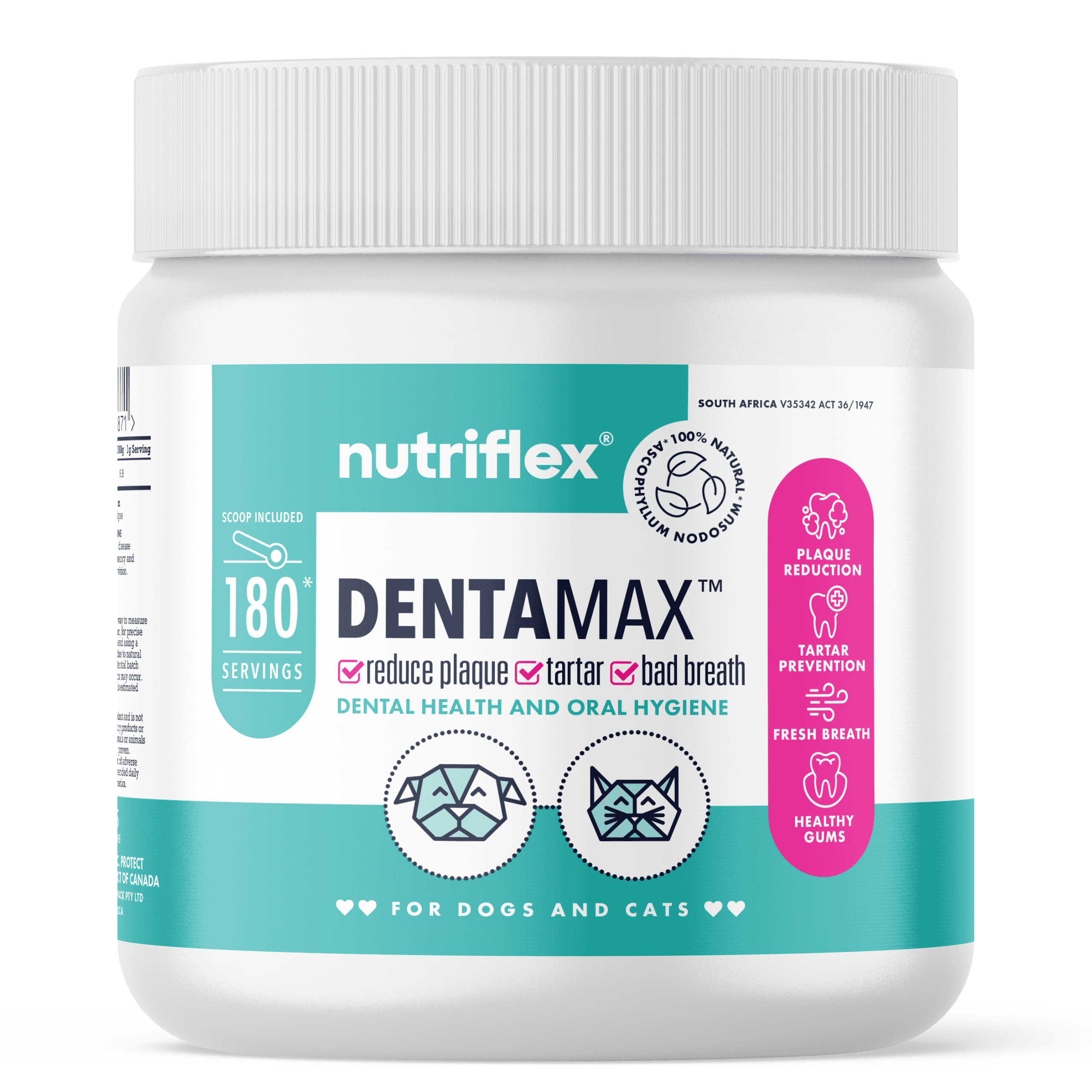
Products such as DentaMax dental powder for dogs and cats use carefully selected marine algae to support the natural balance of oral bacteria.
When used consistently as part of a daily routine, this type of supplementation may help:
-
reduce plaque accumulation
-
support healthier gums
-
improve breath freshness
The key is consistency, since plaque bacteria begin rebuilding biofilms within hours.
Do Seaweed Dental Powders Work for Dogs?
Seaweed dental powders may help reduce plaque buildup in dogs by influencing plaque-forming bacteria and weakening dental biofilms. Certain marine algae compounds can interfere with bacterial adhesion and communication, potentially slowing down plaque formation when used daily.
Why Research Into Marine Algae Is Growing
Marine environments contain some of the most chemically diverse organisms on Earth.
Scientists continue discovering new compounds in marine plants that interact with bacteria in unusual ways.
Because plaque is fundamentally a microbial biofilm problem, marine bioactives have become an important area of research in oral health science.
Key Takeaways
Marine algae affect plaque bacteria in ways that differ from traditional antibacterial treatments.
Instead of simply killing microbes, certain seaweed compounds may:
-
interfere with bacterial adhesion
-
weaken biofilm structures
-
alter bacterial metabolism
-
support a healthier oral environment
These mechanisms explain why marine algae are increasingly used in dental supplements designed to support oral health in dogs.
When combined with good dental care and consistent daily use, marine algae-based solutions can play a role in managing plaque bacteria and supporting long-term dental hygiene.