
Why Dog Plaque Removal Matters More Than You Think
Dog dental plaque remover options range from daily brushing to food-sprinkled powders. Here is a quick overview of the most common methods:
| Method | How It Works | Brushing Required? |
|---|---|---|
| Toothbrushing | Mechanical removal of plaque biofilm | Yes |
| Enzymatic toothpaste | Breaks down plaque with enzymes | Yes |
| Dental chews | Mechanical abrasion during chewing | No |
| Water additives | Antimicrobial agents via drinking water | No |
| Dental sprays | Antimicrobial agents applied to teeth | No |
| Seaweed powder (Ascophyllum nodosum) | Systemic plaque reduction via saliva | No |
| Professional cleaning | Removes hardened tartar (calculus) | No (vet only) |
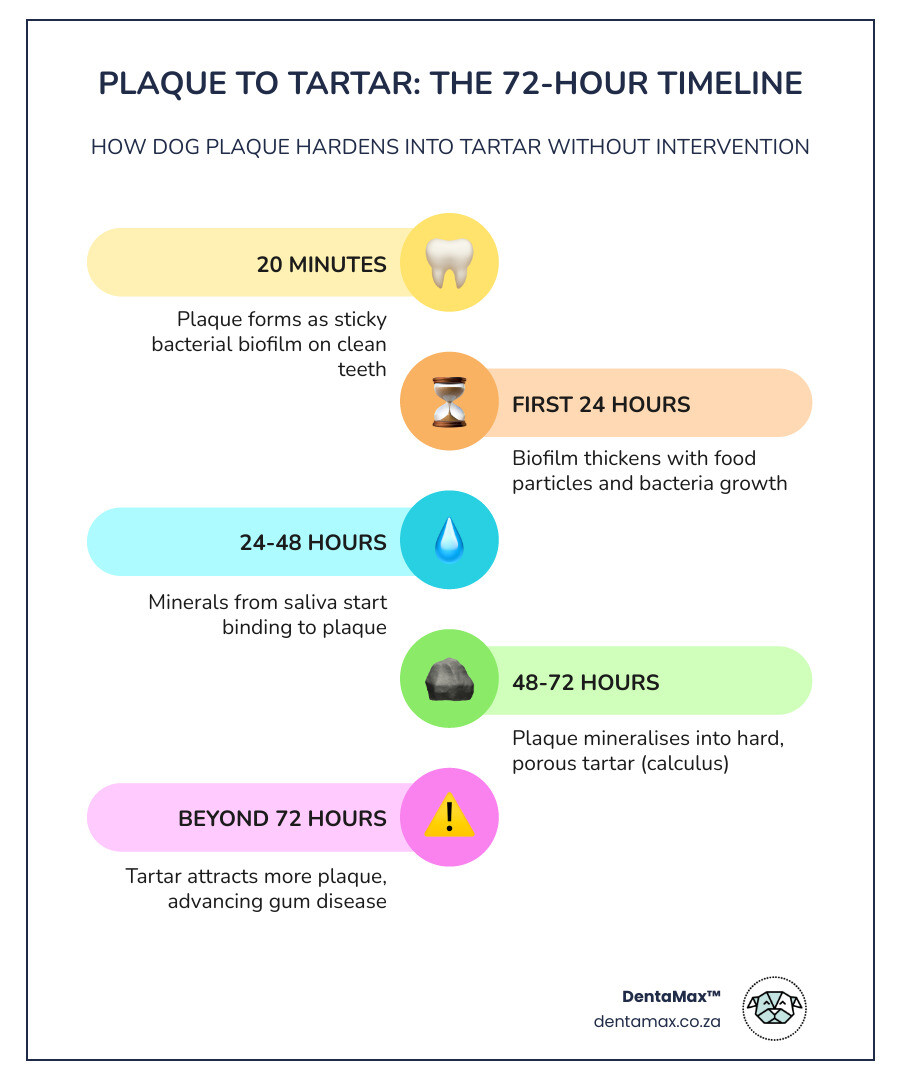
Here is why this matters: plaque forms on your dog’s teeth within 20 minutes of a professional clean. Without daily disruption, it mineralises into hard tartar within 72 hours. Once that happens, no at-home product can shift it. Only a vet can.
Left untreated, plaque and tartar do not just cause bad breath. They contribute to gum disease, tooth loss and bacteria entering the bloodstream, which has been linked to damage to the heart, kidneys and liver.
The good news is that consistent daily care, using the right tools and ingredients, can significantly slow that progression.
I’m Sharon Milani, Co-Founder of NutriFlex® and the developer of DentaMax™, a 100% pure organic Ascophyllum nodosum dental powder formulated for systemic plaque control in dogs and cats. My work in evidence-based pet nutrition and oral health supplementation gives me a grounded perspective on what actually works in a dog dental plaque remover and what is simply marketing noise. Let’s work through it together.
Understanding the Risks of Plaque and Tartar Buildup
When we talk about “the gunk” on a dog’s teeth, we are actually dealing with two different stages of oral decline. Plaque is a sticky, colourless film of bacteria that constantly forms on the teeth. If it is not removed through mechanical or chemical means, it reacts with minerals in the dog’s saliva to form tartar, also known as calculus.
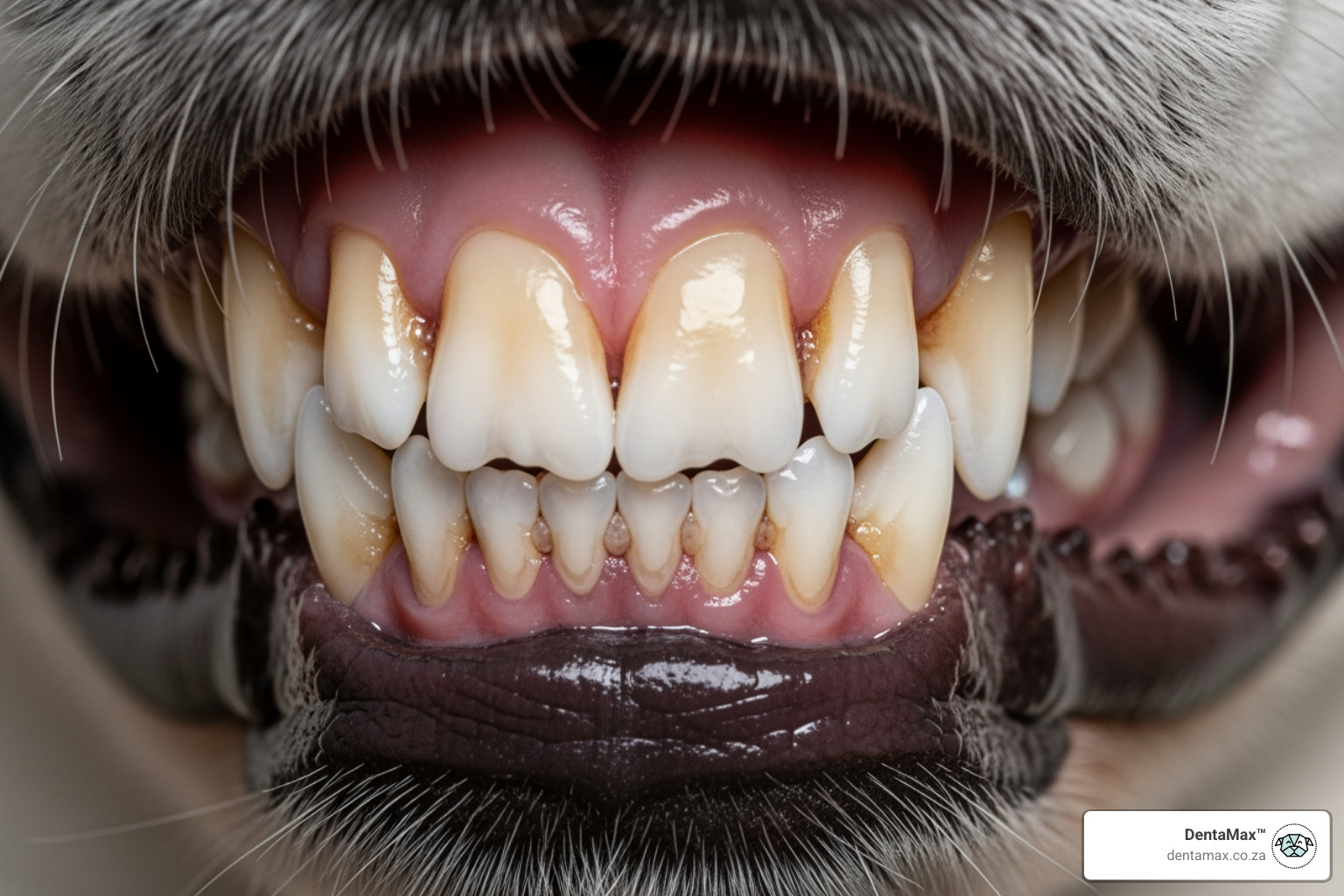
Tartar is the hard, brown or yellow substance you see cemented to the base of the teeth near the gum line. Once tartar has formed, it provides a porous surface where even more plaque can thrive. This cycle is the primary driver of periodontal disease in South African dogs.
The risks of leaving this buildup untreated go far beyond a bit of “dog breath.” As the bacteria multiply, they cause inflammation of the gums (gingivitis). You might notice a thin red line along the gums or bleeding when your dog chews a toy. If this progresses, the attachment between the tooth and the gum begins to break down.
The most concerning aspect of poor oral hygiene is the systemic impact. The mouth is a gateway to the rest of the body. When gums are inflamed and infected, bacteria can enter the bloodstream every time your dog chews. This “bacteraemia” allows pathogens to travel to major organs. Scientific research has shown that chronic oral infection is a significant risk factor for:
- Heart Disease: Bacteria can attach to the heart valves, causing endocarditis.
- Kidney Damage: The kidneys act as a filter for the blood, and chronic bacterial exposure can lead to inflammation and eventual renal failure.
- Liver Complications: Constant filtration of oral bacteria can lead to liver scarring and functional decline.
Maintaining oral health is not just about a pretty smile; it is a fundamental part of dog and cat dental care that can extend your pet’s life by several years.
The Most Effective Dog Dental Plaque Remover Methods
Choosing an effective dog dental plaque remover requires understanding the difference between prevention and treatment. While many products claim to “dissolve” tartar, the reality is that once plaque has mineralised into calculus, it is physically bonded to the tooth enamel.
Mechanical Cleaning: The Gold Standard
Veterinary experts globally agree that daily toothbrushing is the most effective way to maintain oral health. The physical friction of a brush disrupts the biofilm before it can harden. When brushing, it is essential to use a pet-specific enzymatic toothpaste. These formulations often contain ingredients like glucose oxidase which produce a natural antibacterial effect in the mouth.
When selecting products, look for the Veterinary Oral Health Council Seal of Acceptance. This seal is only awarded to products that have provided data from controlled clinical trials proving they meet pre-set standards for plaque or tartar reduction. You can find detailed product comparisons for oral health to see which tools align best with your dog’s needs.
Can a dog dental plaque remover replace professional cleaning?
It is a common misconception that a “miracle” spray or chew can replace a trip to the vet. While a high-quality dog dental plaque remover can significantly reduce the rate of buildup, it cannot remove existing calculus.
Professional veterinary scaling and polishing, often referred to as a COHAT (Comprehensive Oral Health Assessment and Treatment), is the only way to remove tartar from below the gum line. This procedure is performed under general anaesthesia to ensure the vet can safely clean the subgingival space where the most dangerous bacteria hide. At-home care is what you do to ensure those professional cleanings are needed less frequently.
How long does it take for a dog dental plaque remover to work?
Patience is key. Most at-home dental solutions, whether they are water additives, gels or powders, require consistent daily application to show results. You should typically look for a 30 day window of consistent use to notice a difference in breath freshness and a reduction in new plaque accumulation. These products work by shifting the oral microbiome balance, making the mouth a less hospitable environment for harmful bacteria.
Systemic Plaque Control with Ascophyllum Nodosum
One of the most exciting developments in canine dental science is the use of systemic supplements. Unlike brushes or chews that rely on physical contact, systemic options work from the inside out. The primary ingredient in this category is Ascophyllum nodosum, a specific species of North Atlantic kelp.
When a dog consumes this seaweed, the active compounds are absorbed into the bloodstream and then excreted back into the mouth via the saliva. This process is known as salivary excretion. Once in the saliva, these compounds work to disrupt the bacterial biofilm and prevent plaque from sticking to the teeth. It also helps to soften existing tartar over time, making it easier to remove during chewing or brushing.
Using a 100% natural dog dental plaque remover like this is particularly useful for pets that do not tolerate brushing. However, there are a few things South African pet owners should keep in mind:
- Iodine Content: Seaweed is naturally rich in iodine. While this is beneficial for most dogs, it can be a concern for those with existing thyroid conditions. Always consult your vet if your dog has a history of hyperthyroidism.
- Purity: Ensure the kelp is wild-harvested from clean waters to avoid heavy metal contamination.
- Dosage: Effective systemic reduction usually requires a daily dosage of approximately 500mg for a medium-sized dog.
To understand the mechanism better, you can read more about how DentaMax™ works or dive into the scientific research on Ascophyllum nodosum for dogs.
| Feature | Mechanical Brushing | Systemic Seaweed Powder |
|---|---|---|
| Target | Surface plaque biofilm | Salivary chemistry and biofilm |
| Ease of Use | Difficult for some owners | Very easy (sprinkle on food) |
| Frequency | Daily for best results | Daily for best results |
| Reach | Only where the brush touches | Reaches all teeth and gum lines |
| Ingredients | Abrasives and enzymes | 100% Natural seaweed |
Choosing the Right Dog Dental Plaque Remover for Your Pet
With so many options on the shelves of South African pet stores, it is easy to get overwhelmed. Beyond seaweed, several other natural ingredients are frequently used in dental powders and sprays to support oral hygiene.
- Activated Charcoal: Known for its ability to bind to toxins and odours, charcoal can help neutralise the volatile sulphur compounds that cause bad breath.
- Peppermint and Parsley: These are not just for scent; they contain chlorophyll and natural oils that provide a temporary freshening effect and support a healthy oral environment.
- Sodium Hexametaphosphate: This is a common ingredient in dental chews and some powders. It acts as a “calcium sequestrant,” meaning it binds to the minerals in saliva to prevent them from turning plaque into hard tartar. You can read an in-depth ingredient analysis of dental products to learn more about sodium hexametaphosphate for dogs.
Is seaweed a safe dog dental plaque remover?
For the vast majority of dogs, organic kelp is an incredibly safe and effective tool. It provides a dense source of vitamins and minerals while performing its dental duties. In South Africa, sourcing is important; look for products that specify the use of Ascophyllum nodosum rather than generic “seaweed” or “kelp,” as different species have vastly different levels of active compounds.
What ingredients should be avoided in dental products?
While searching for the best dog dental plaque remover, you must be a diligent label reader. Some ingredients used in human dental care are toxic to dogs:
- Xylitol: This artificial sweetener is found in many human toothpastes and “breath fresheners.” It is extremely toxic to dogs, causing a rapid drop in blood sugar (hypoglycaemia) and potential liver failure. Never use human toothpaste on your pet.
- Artificial Foaming Agents (SLS): Sodium Lauryl Sulphate can cause mouth ulcers or stomach upset in some dogs if swallowed. Since dogs cannot “spit,” it is best to avoid heavy foaming agents.
- Excessive Alcohol: Some cheap dental sprays use alcohol as a preservative, which can dry out the mouth and be unpleasant for the dog.
Professional Dental Care and Costs in South Africa
Despite our best efforts at home, most dogs will eventually require professional intervention. In South Africa, the cost of a professional dental cleaning can vary significantly based on your location (Cape Town, Johannesburg or Durban) and the complexity of the procedure.
A standard scaling and polishing under anaesthesia typically ranges from R1500 to R5000. This price usually includes the pre-anaesthetic blood tests, the procedure itself and basic recovery care. If your dog requires extractions due to advanced periodontal disease, the costs can escalate quickly.
Many South African pet insurance providers now offer “dental add-ons” or include a portion of dental scaling in their wellness benefits. It is worth checking your policy, as regular professional cleaning can prevent the need for much more expensive surgeries later in life. A professional clean is a medical procedure, not a grooming service. It requires a qualified veterinarian to ensure your dog’s safety and oral health.
Frequently Asked Questions
How often should I brush my dog’s teeth?
Ideally, you should aim for a daily routine. Because the plaque cycle is so rapid—forming in 20 minutes and mineralising in 72 hours—missing even a few days allows tartar to gain a foothold. If daily is impossible, aim for at least three times a week to provide some level of mechanical friction.
Can charcoal powders help with bad breath?
Yes, activated charcoal dog dental powders are excellent for odour absorption. Charcoal works by trapping the bacteria and foul-smelling compounds produced by oral decay. However, charcoal alone will not remove tartar; it is best used as part of a broader strategy that includes biofilm disruption.
Are dental toys effective for plaque removal?
Dental toys, such as those with rubber bristles or “self-brushing” designs, can be a helpful adjunct to your routine. As the dog chews, the mechanical scraping action helps rub away surface plaque. These are particularly effective when paired with a dental gel or used to extend the “contact time” of a dental treat. Always supervise your dog with these toys to ensure they do not swallow large pieces of rubber.
Conclusion
The battle against “the gunk” is a lifelong commitment for any pet owner. By combining mechanical methods like brushing with a systemic dog dental plaque remover like Ascophyllum nodosum, you can create a comprehensive defence against periodontal disease.
At DentaMax™, we are dedicated to providing evidence-based education to help South African pet owners make informed decisions. Whether you are dealing with a young puppy or a senior dog, it is never too late to start a preventative routine. A healthy mouth is a cornerstone of a long, happy life. To explore more about natural, systemic support, learn more about Dog Cat Dental Powder South Africa and how it can fit into your pet’s wellness plan.