What Causes Dog Teeth to Rot?
When people say a dog’s teeth are “rotting”, they are usually describing advanced periodontal disease. Unlike humans, dogs rarely develop cavities caused by sugar. Instead, their teeth deteriorate because of plaque, tartar buildup, and gum infection that gradually destroy the structures supporting the tooth.
This process is extremely common. Veterinary research shows that most dogs develop some form of dental disease by the age of three. Without proper dental care, plaque bacteria can damage the gums, bone, and eventually lead to tooth loss.
Understanding how this process starts — and how to stop it — is the key to preventing serious dental problems.
What “Rotting Teeth” Really Means in Dogs
Dogs do not usually experience tooth decay in the same way humans do. The phrase “rotting teeth” is typically used to describe:
-
Heavy tartar buildup
-
Gum disease
-
Infection around the tooth root
-
Tooth loosening or tooth loss
In veterinary dentistry, the correct term is periodontal disease.
Periodontal disease affects the gums, ligaments, and bone that hold the tooth in place. As the disease progresses, these structures gradually break down, causing teeth to become unstable.
How Dental Disease Begins
The process starts with plaque.
Plaque is a sticky bacterial film that forms on teeth shortly after eating. It begins developing within hours and continuously accumulates if it is not disrupted.
Over time:
-
Plaque builds on the tooth surface
-
Minerals in saliva harden plaque into tartar (calculus)
-
Tartar creates a rough surface that traps more bacteria
-
Bacteria migrate below the gumline
-
Infection begins damaging the supporting tissues
Once tartar forms, it cannot be removed through chewing alone.
The Role of Oral Bacteria
The mouth contains a complex ecosystem of bacteria. In a healthy mouth, these microorganisms remain balanced.
However, when plaque accumulates, harmful bacteria dominate. These bacteria produce toxins that irritate the gums and trigger inflammation.
The result is gingivitis, the earliest stage of periodontal disease.
If gingivitis is not addressed, the infection spreads deeper beneath the gumline where it begins destroying connective tissue and bone.
Signs Your Dog’s Teeth Are Rotting
Many owners only notice dental disease once it becomes severe. However, several warning signs appear early.
Common symptoms include:
-
Persistent bad breath
-
Yellow or brown buildup along the gumline
-
Red or swollen gums
-
Bleeding gums
-
Excessive drooling
-
Difficulty chewing
-
Dropping food
-
Loose teeth
Bad breath is often the first visible indicator that bacterial plaque is accumulating.
The Stages of Periodontal Disease
Veterinary dentistry generally classifies periodontal disease into four stages.
Stage 1 – Gingivitis
Gums become red and inflamed. Plaque and tartar are visible along the gumline, but no structural damage has occurred yet.
At this stage the disease is fully reversible.
Stage 2 – Early Periodontal Disease
Infection begins affecting the tissues supporting the tooth. Minor bone loss may start developing beneath the gumline.
Stage 3 – Moderate Periodontal Disease
Bone loss becomes more significant. Teeth may begin loosening and gum recession becomes visible.
Stage 4 – Advanced Periodontal Disease
Severe destruction of bone and ligament occurs. Teeth may become extremely loose or fall out entirely.
At this point, extraction is often required.
Why Small Dogs Often Have Worse Teeth
Small breeds frequently develop more severe dental disease than larger dogs.
This happens for several reasons:
-
Smaller jaws cause crowded teeth
-
Crowded teeth trap food and bacteria
-
Reduced spacing makes cleaning difficult
-
Small breeds often live longer, increasing exposure to plaque
Breeds commonly affected include:
-
Yorkshire Terriers
-
Chihuahuas
-
Toy Poodles
-
Dachshunds
-
Maltese
These dogs often require more consistent dental care.
Diet and Dog Dental Health
Many people assume that dry kibble cleans teeth. In reality, standard kibble provides very little mechanical cleaning.
Most kibble shatters immediately when bitten, meaning it does not scrape the tooth surface effectively.
Diet still influences oral health in other ways:
-
Sticky foods can promote plaque buildup
-
High carbohydrate diets feed oral bacteria
-
Soft foods provide little abrasion
However, diet alone cannot prevent plaque accumulation.
Why Bad Breath Happens
Bad breath in dogs — known as halitosis — is usually caused by bacteria living in plaque and tartar.
These bacteria produce sulphur compounds that create a strong odour.
While occasional bad breath after eating may be normal, persistent foul breath usually indicates dental disease.
Ignoring the problem allows bacterial infection to progress deeper into the gums.
What Happens When Dental Disease Is Ignored
Untreated periodontal disease gradually destroys the structures that anchor teeth.
As the disease progresses:
-
Gum tissue recedes
-
Bone supporting the tooth dissolves
-
Teeth loosen
-
Infection spreads beneath the gumline
In severe cases, abscesses can develop at the root of the tooth.
Dental infections may also allow bacteria to enter the bloodstream, potentially affecting organs such as the heart, liver, and kidneys.
Veterinary Treatment for Severe Dental Disease
When dental disease becomes advanced, veterinary treatment is usually required.
A typical veterinary dental procedure includes:
-
General anaesthesia
-
Ultrasonic scaling to remove tartar
-
Polishing the teeth
-
Dental X-rays
-
Extraction of severely damaged teeth if necessary
Professional cleaning removes tartar both above and below the gumline, where most infections occur.
Preventing Dog Teeth From Rotting
Preventing dental disease is far easier than treating it.
The goal of dental care is simple: control plaque before it hardens into tartar.
Effective prevention strategies include:
-
Regular tooth brushing
-
Daily plaque control
-
Routine veterinary dental checks
-
Consistent oral hygiene habits
Because plaque forms continuously, dental care must also be continuous.
Brushing Your Dog’s Teeth
Tooth brushing is considered the most effective method for removing plaque from the tooth surface.
A soft dog toothbrush combined with pet-safe toothpaste helps disrupt plaque biofilm before it mineralises.
However, many dogs resist brushing, and many owners struggle to maintain a daily routine.
For this reason, many households combine brushing with additional dental support.
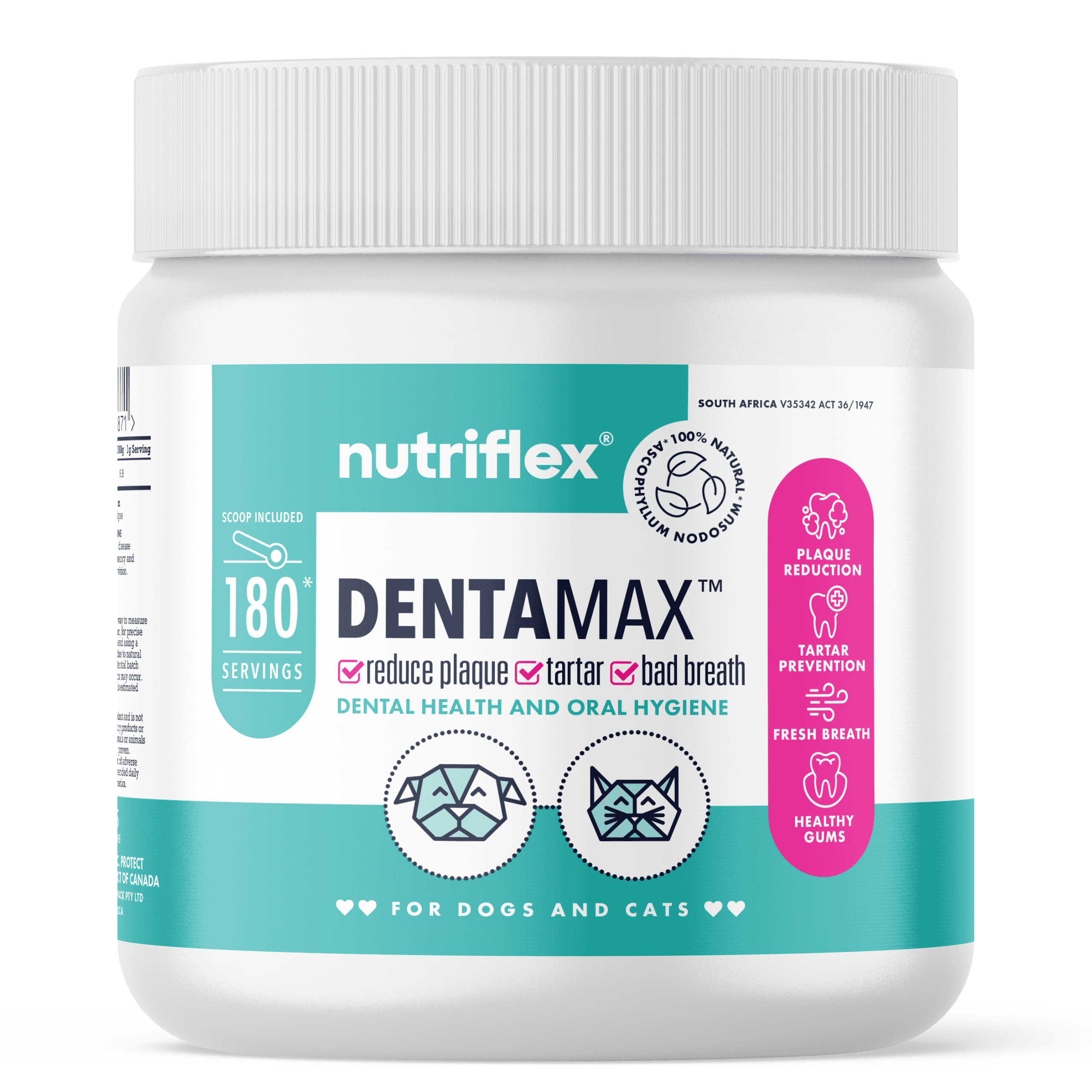
Dental Powders as a Daily Plaque Management Strategy
Dental powders are becoming increasingly popular as a simple daily dental care solution.
These supplements are mixed with food and work through ingredients that support plaque management and oral health.
One of the most studied ingredients used in dental powders is Ascophyllum nodosum, a North Atlantic marine algae.
When consumed daily, specific preparations of this ingredient have demonstrated measurable reductions in plaque and tartar accumulation in dogs.
Because dental powders are simply added to food, they can be easier to use consistently compared with brushing.
Creating a Sustainable Dental Care Routine
Long-term dental health depends on consistency rather than occasional treatment.
An effective routine may include:
-
Periodic brushing where tolerated
-
Daily plaque control strategies
-
Nutritional support through dental supplements
-
Regular veterinary dental examinations
Preventative care can dramatically reduce the risk of severe periodontal disease.
When to See a Veterinarian
Veterinary attention should be sought if a dog shows signs such as:
-
Severe bad breath
-
Bleeding gums
-
Loose teeth
-
Difficulty eating
-
Facial swelling
These symptoms may indicate advanced infection that requires professional treatment.
The Bottom Line
“Rotting teeth” in dogs are almost always the result of untreated plaque and periodontal disease.
Because plaque begins forming within hours, daily dental care is the most effective way to protect your dog’s teeth.
By managing plaque consistently and addressing problems early, most dogs can maintain healthy teeth and gums throughout their lives.